
Best Water-Loving Doodles for Coastal Living: The Ultimate Guide
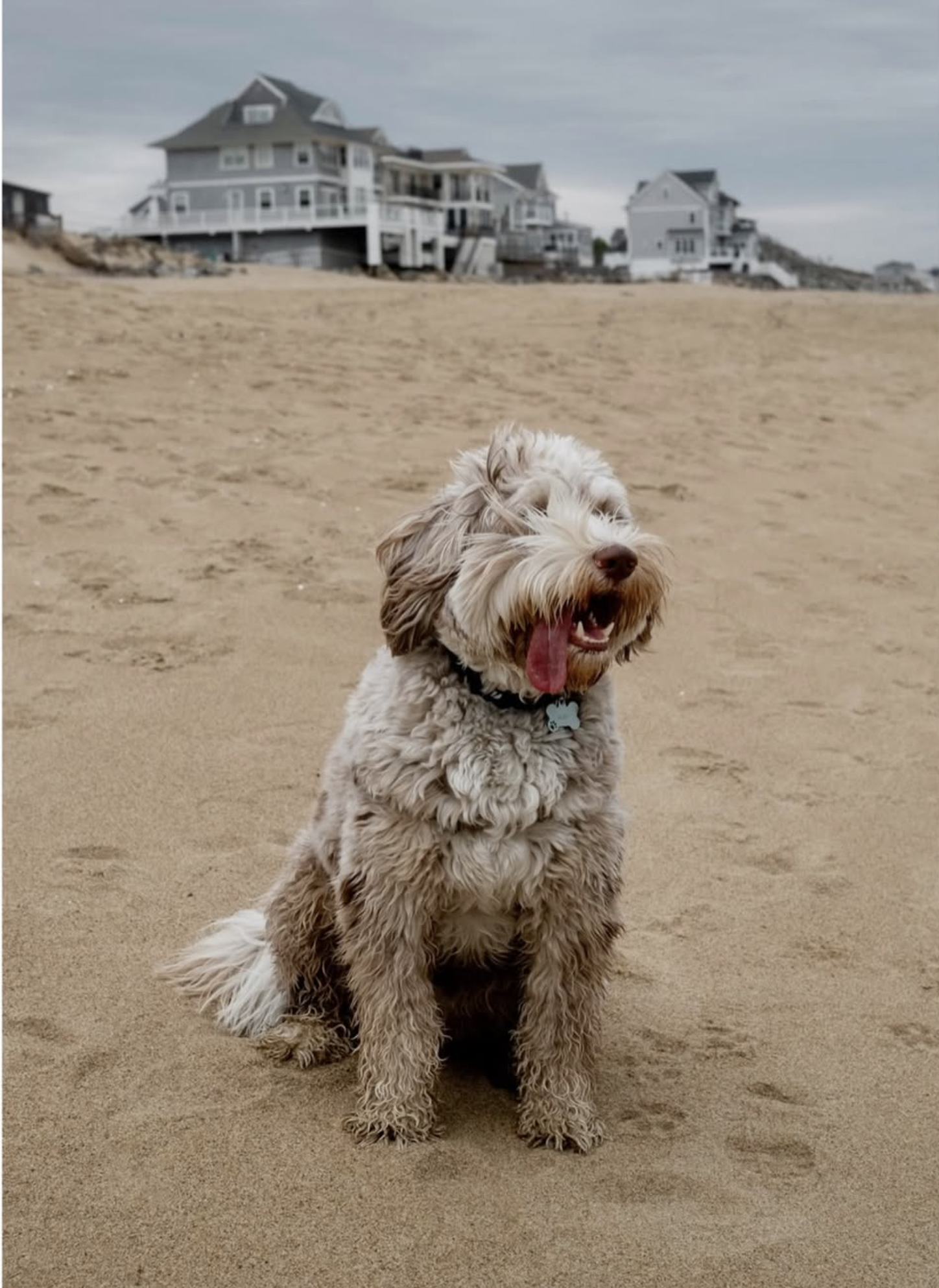
Imagine the warm sand beneath your toes and a gentle sea breeze across your face, that’s the carefree spirit we want our pups to bring into your everyday life. When you live near the coast, finding a dog that seamlessly integrates into your beach lifestyle changes everything. You do not just want a pet that tolerates the ocean. You need a genetically optimized companion designed to thrive in the surf, sand, and sun.
Water-loving doodles combine the Standard Poodle's centuries-old aquatic heritage with complementary water-working breeds. This intentional hybridization creates some of the most capable beach dogs available today. The Standard Poodle originated as the German "Pudelin" (meaning splasher), boasting a functional swimming coat and remarkable intelligence. Modern doodle crosses build upon this robust foundation, resulting in highly adaptable swimming doodles perfectly suited for maritime adventures.
In this comprehensive guide, we will explore the best doodles for water and coastal living. We will unpack the fascinating genetic markers that govern water performance, detail the elite aquatic breeds, and share our proven protocols for beach safety and grooming. Whether you are searching for an energetic paddleboarding partner or a calm companion for tide pool exploration, you will discover exactly what makes coastal living doodles so extraordinary.
The Genetic Foundation of Water-Loving Doodles
The exceptional water aptitude of our dogs stems from carefully selected parent breeds with rich maritime working histories. The Standard Poodle serves as the genetic foundation for all water loving doodles. Breeders originally developed them as high-level water retrievers in Germany and France. Their iconic, often-misunderstood "Poodle clip" was actually functional engineering. Shaved areas reduced drag while thicker hair maintained critical insulation around vital organs and joints during freezing retrieves.
Our dedication to responsible breeding is backed by academic rigor: we employ meticulous genetic testing, rely on respected veterinary resources, and continuously explore new studies to keep every one of our pups healthy and happy. We understand that true water compatibility is not merely about a dog's enthusiasm. It is deeply encoded in specific genetic markers that determine coat texture, paw webbing extent, and natural swimming ability.
The KRT71 gene, for example, governs coat curl. Heterozygous (+/-) results produce the highly desirable wavy "fleece" coat. This specific texture sheds sand effectively while maintaining excellent water resistance, making it ideal for beach dogs. Complementary breeds enhance these aquatic traits further. Portuguese Water Dogs contribute extensive interdigital webbing. Retrievers add otter-like tails for steering, while Newfoundlands bring massive lung capacity to the lineage.
Key Genetic Markers for Water Performance
Modern genetic testing reveals the specific markers that reliably predict aquatic performance. We look closely at the FGF5 gene, which determines coat length. The recessive long-hair allele (L/L) is present in almost all traditional water-working breeds, providing necessary protection from the elements.
The RSPO2 gene is equally important, as it controls "furnishings", the facial hair that gives doodles their characteristic bearded look. While charming, heavy furnishings can trap saltwater and sand, requiring specific grooming strategies for coastal living doodles.
Genetically optimized swimming doodles typically inherit several key traits:
Interdigital webbing from both parent lines for powerful propulsion
Double-coat structure offering buoyancy and thermal insulation
Natural "soft mouth" genetics for gentle retrieval in the water
Specialized anatomical features supporting extended swimming stamina
Elite Aquatic Performers
Portidoodle (Portuguese Water Dog × Standard Poodle)
The Portidoodle represents the absolute pinnacle of aquatic doodle breeding. This cross combines two exceptional breeds with centuries of documented water-working heritage. Portuguese Water Dogs originally worked as ship's crew along the Algarve coast, actively herding fish into nets and retrieving lost equipment. When crossed with Standard Poodles, the resulting Portidoodles inherit spectacular webbing, highly waterproof coats, and an instinctual magnetism to the ocean.
These robust dogs typically weigh 45-65 pounds and demonstrate remarkable stamina in challenging surf conditions. Their coats range from tight curls to loose waves. We find that the wavy variants shed sand the most effectively after a long day at the beach. Portidoodles routinely display behaviors like voluntary wave-jumping and extended swimming sessions that would quickly exhaust lesser-equipped breeds.
At Stokeshire, we observe that Portidoodles adapt beautifully to both tropical surf and temperate coastal conditions. This versatility makes them the premier choice for year-round coastal living. Their distinct intelligence combines the task-oriented focus of the Poodle with the independent problem-solving capabilities of the Portuguese Water Dog.
Aussiedoodle (Australian Shepherd × Standard Poodle)
While Australian Shepherds lack a traditional maritime history, the Aussiedoodle earns elite status through extreme intelligence and tireless athletic energy. These dogs approach water activities with the exact same intensity they bring to complex herding work. Weighing between 35-55 pounds in their standard size, they excel at demanding water sports that require agility, balance, and precision.
You will often see aussiedoodle water behaviors that mimic their herding instincts. They might circle swimmers protectively or playfully "nip" at breaking waves. Because of their towering intellect, they require consistent mental stimulation during beach activities to stay engaged. Without proper jobs or games, they may develop compulsive behaviors around the water.
The breed's coat typically presents as loose curls or waves, offering solid water resistance while remaining highly manageable for routine beach maintenance. Their compact, athletic build makes them phenomenal candidates for paddleboarding, dock diving, and even dog surfing.
High-Performance Water Retrievers
Goldendoodle Swimming Excellence
Goldendoodles blend the Golden Retriever's famous water enthusiasm with the Poodle's sleek swimming efficiency. Their balanced temperament offers what many consider the ultimate sweet spot for families. They are intense enough for serious water retrieval games yet relaxed enough for quiet beach days under an umbrella. Standard Goldendoodles typically weigh 50-75 pounds, providing substantial power in the water.
The Golden Retriever foundation contributes exceptional social stability, which is absolutely crucial for navigating crowded public beaches. These dogs typically demonstrate remarkable patience with children, strangers, and other beach-goers while maintaining their focus on the water. Their broader chest structure also provides natural buoyancy advantages in choppy ocean conditions.
We find Goldendoodles particularly suited for families seeking highly versatile water companions. Their coats frequently present in the optimal wavy texture, perfectly balancing water resistance with everyday maintainability. Generation selection heavily influences these traits, with F1B crosses often displaying enhanced Poodle swimming characteristics and lower-shedding qualities.
Labradoodle Athletic Performance
Labradoodles inherit the Labrador Retriever's legendary, relentless water drive and powerful athletic build. These dogs approach the water with a mission-oriented intensity that is hard to match. They are exceptional choices for families with highly active water sports lifestyles. Their leaner frame typically provides distinct speed advantages over stockier breeds when swimming out to retrieve a bumper.
The Labrador foundation contributes the distinctive "otter tail", thick at the base and gradually tapering. This acts as a highly effective rudder during complex swimming maneuvers. This unique anatomical feature, combined with extensive paw webbing, creates exceptional maneuverability in strong currents and heavy surf.
Standard Labradoodles typically weigh between 55-80 pounds. Their athletic build easily supports extended swimming sessions. However, their sheer intensity requires careful owner management to prevent dangerous overexertion. This is particularly vital in warm coastal climates where heat stress can quickly become a serious concern.
Specialized Coast-Ready Breeds
Newfypoo: The Gentle Giant Water Guardian
Newfypoos beautifully combine the Newfoundland's famous water rescue instincts with Poodle intelligence. These substantial, impressive dogs typically weigh 80-120 pounds, making them among the largest water-capable doodles available. Their Newfoundland heritage contributes massive lung capacity and natural "lifeguard" behaviors that are fascinating to watch.
These gentle giants often exhibit protective circling behaviors around family members swimming in the ocean. They may even gently attempt to "rescue" children who venture slightly too deep. Their substantial size and incredible strength make them perfectly suited as stable paddleboard companions and for calm-water wading, rather than high-energy surf retrieval.
The Newfoundland coat influence creates truly exceptional thermal insulation. However, this thick coat requires intensive daily maintenance in sandy beach environments. Their slower metabolism and larger mass make them far better suited for moderate-temperature coastal climates rather than blistering tropical conditions.
Saint Berdoodle Coastal Considerations
Saint Berdoodles inherit the Saint Bernard's substantial build and famously gentle temperament. They create calm, steadfast water companions highly suitable for families with small children. Their impressive size (70-120 pounds) and unwavering patience make them act like natural therapy dogs in bustling beach settings.
However, their incredibly thick coat and large size create significant heat tolerance limitations. These dogs perform best during cooler winter months or during early morning beach activities before the sun peaks. Their slow, patient temperament makes them excellent partners for quiet tide pool exploration rather than intense, prolonged swimming sessions.
Safety Protocols for Beach Doodles
Saltwater Toxicity Prevention
Saltwater poisoning represents one of the most critical risks for water-loving doodles. The condition develops rapidly when dogs ingest large quantities of seawater while playing. This causes severe cellular dehydration as their internal sodium levels spike dangerously high. Initial symptoms include vomiting and diarrhea, quickly progressing to severe neurological symptoms, including tremors and seizures.
Prevention protocols require providing fresh drinking water every 15 minutes during active beach play. You must immediately interrupt any behaviors that involve consuming seawater or biting at the waves. Always leave tennis balls at home when visiting the beach. They act like sponges, absorbing heavy amounts of saltwater that gets compressed directly down the dog's throat during retrieval.
We highly recommend bringing elevated water bowls and positioning them in deeply shaded areas to encourage frequent drinking. Adding ice cubes to the water helps maintain palatability in warm conditions, ensuring your dog stays properly hydrated throughout the day.
Personal Flotation Device Selection
Even the strongest, most genetically gifted swimmers benefit from personal flotation devices (PFDs) in challenging ocean conditions. Quality PFDs provide crucial extra buoyancy and help maintain a natural, horizontal swimming position. They also include sturdy emergency retrieval handles along the back, which are essential for pulling a dog back onto a boat or paddleboard.
Selection should always prioritize proper anatomical fit over aesthetics or colors. The device must support the dog's natural swimming posture without restricting shoulder movement. A poorly fitted vest can actually impede a dog's ability to swim safely.
Testing should always occur in calm, controlled, shallow water before braving the ocean. The device should allow completely unrestricted natural movement while providing adequate buoyancy to keep the dog's head above water with zero physical effort.
Heat Stress Recognition
Doodles with thick, double coats face significantly elevated heat stress risks in sunny beach environments. Unlike humans, dogs cool themselves primarily through panting and very limited sweating through their paw pads. Furthermore, dark sand temperatures can easily exceed 150°F in direct sunlight, quickly causing severe burns to unprotected paw pads.
Early heat stress signs include excessively heavy panting, thick drooling, and sudden lethargy or refusal to play. Advanced stages involve severe disorientation, vomiting, bright red gums, and eventual collapse. Immediate veterinary intervention is required if these advanced signs appear.
Prevention requires proactive management from the owner. You must provide constant access to deep shade, unlimited fresh water, and specialized cooling mats for resting. Never force a tired dog to continue playing in the heat.
Coastal Grooming and Maintenance
The Post-Beach Decontamination Protocol
Proper post-beach care prevents "pelting", a severe condition where salt and sand create solid, impenetrable mats close to the skin. Once a coat pelts, complete shaving is often the only humane solution. The decontamination protocol must begin immediately upon leaving the beach, before the coat dries and locks the abrasive debris into the hair shafts.
The sequence always starts with an immediate, thorough fresh water rinse. Focus heavily on high-friction areas like the paws, armpits, groin, and collar lines. Sand acts as a harsh abrasive when trapped against the skin, potentially causing painful mechanical dermatitis. Salt crystals literally draw vital moisture out from the hair shafts, creating extreme brittleness and breakage.
For beachgoers who lack immediate freshwater shower access, portable rinse systems are absolute lifesavers. Battery-powered portable showers or pressurized manual rinse tanks provide adequate water flow for this critical initial decontamination process.
Strategic Coat Management
Summer grooming for beach dogs requires carefully balancing functional cooling with necessary sun protection. Coats trimmed to a 1/4 to 1/2 inch length minimize sand and debris retention while still protecting the sensitive skin from UV exposure. However, doodle coats should never be shaved completely down to skin level, as they are highly susceptible to severe sunburns on exposed areas.
The optimal beach cut maintains just enough length for environmental protection while eliminating the heavy bulk where sand loves to accumulate. Your groomer should pay particular attention to sanitary areas, the hair between the paw pads, and the ear canals, where moisture and debris commonly fester.
Professional grooming should occur every 4-6 weeks faithfully during the active beach season. Interim at-home maintenance must focus on daily line-brushing and thorough debris removal. High-quality, leave-in conditioning sprays help restore the essential moisture depleted by harsh salt and sun exposure.
Ear Health Management
Doodles face elevated ear infection risks due to their heavy, floppy ears and the dense hair growth within their ear canals. Beach environments create the perfect "tropical trifecta" of moisture, dark heat, and high humidity that heavily promotes bacterial and yeast overgrowth.
Post-swim ear cleaning is a mandatory part of coastal living. Always use high-quality, pH-balanced liquid cleaners specifically formulated by veterinarians for dogs. You can use soft cotton balls to gently wipe and absorb excess moisture from the outer ear folds.
Never insert cotton swabs down into your doodle's ear canals, as this simply packs debris deeper and risks rupturing the eardrum. Professional ear cleaning and strategic hair plucking by your groomer or vet may be frequently required for dogs uniquely prone to chronic infections.
Training Your Water-Loving Doodle
Building Water Confidence
Early, positive water exposure (ideally between 10-12 weeks of age) builds lifelong swimming confidence. However, the introduction must be entirely gradual, patient, and highly positive. Forced immersion, like tossing a puppy into a pool, creates severe, lasting water phobias that can be incredibly difficult to reverse later in life.
Initial exposure should always occur in warm, calm, shallow water with very gradual depth increases. Use high-value food rewards and their absolute favorite floating toys to create powerful positive associations with the water.
Many young doodles naturally follow their trusted owners into the water. This makes your active physical participation crucial during early training. Wading and swimming confidently alongside your dog clearly demonstrates that water activities are entirely safe, highly enjoyable, and part of the family rhythm.
Recall Training for Beach Safety
Reliable, lightning-fast recall commands are absolutely essential for beach safety. Coastal environments are packed with heavy distractions, including diverse wildlife, other running dogs, food smells, and fascinating marine scents. Training should progressively move from quiet, controlled environments to increasingly chaotic beach conditions.
The "emergency recall" must be trained as a distinctly separate command from your regular, everyday recall word. Use the highest-value rewards possible (like real chicken or steak) and practice it regularly but unexpectedly. This critical command should immediately bring the dog sprinting back to you, completely regardless of the surrounding distractions.
Beach-specific training also requires an ironclad "leave it" command. Beaches are littered with washed-up seaweed, dead fish, jellyfish, and assorted human trash. Many of these items pose severe toxic health risks if consumed, making reliable impulse control a non-negotiable requirement for coastal safety.
Beach Equipment and Safety Gear
Essential Safety Equipment
Beyond well-fitted personal flotation devices, comprehensive beach safety requires packing the right gear for every trip. You need abundant fresh water supplies, reliable shade structures, and a canine-specific first aid kit. Large, collapsible silicone water bowls and heavily insulated water containers maintain fresh, cool water availability throughout long beach visits.
Protective paw balms create an excellent physical barrier against hot sand and harsh salt exposure. These wax-based products should be generously applied before you step onto the sand and frequently reapplied as needed throughout the day's activities.
Your emergency supplies should always include the contact information and address for the nearest local emergency veterinarian. Beach-related health issues, like lacerations from sharp shells or acute heat stroke, escalate rapidly and require immediate professional medical attention.
Comfort and Protection Accessories
UV protection for dogs is just as important as it is for humans. Purchase specialized canine sunscreens formulated specifically for dog skin. Apply these protective products to the nose leather, ear tips, belly, and any thinly furred skin areas. Human sunscreen often contains zinc oxide and other ingredients that are highly toxic to dogs if licked, and should never be substituted.
Cooling accessories provide essential, life-saving relief from creeping heat stress. Pack elevated mesh cots, pressure-activated cooling mats, and reliable UV-blocking shade umbrellas. Position these items intentionally to create a highly comfortable, breezy resting oasis for your dog throughout the day.
Select beach toys specifically for marine safety and rugged durability. Heavy-duty rope toys and specialized floating plastic bumpers provide endless entertainment. Crucially, they completely avoid the dangerous saltwater absorption issues heavily associated with standard fuzzy tennis balls.
FAQ
Which doodle breed is best for serious water sports?
Portidoodles and Aussiedoodles typically excel at intensive water activities due to their parent breeds' working heritage and exceptional stamina. Portidoodles offer the most comprehensive aquatic genetics, while Aussiedoodles bring extreme intelligence and energy to water sports requiring agility and precision.
How often should I rinse my doodle after beach visits?
Every single beach visit requires immediate freshwater rinsing to prevent salt crystal formation and heavy sand accumulation. The rinse should absolutely occur before the coat dries, focusing on high-friction areas like paws, armpits, and collar lines where debris commonly accumulates and causes severe irritation.
Are doodles naturally good swimmers?
Most doodles inherit strong swimming ability from their Poodle genetics, but individual variation certainly exists. Early positive water exposure (10-12 weeks) helps develop crucial confidence and proper swimming technique. Some doodles may need gradual introduction and training, while others show immediate water affinity based entirely on their genetic background.
What health risks should I watch for at the beach?
Primary concerns include saltwater poisoning from seawater ingestion, heat stress in thick-coated doodles, ear infections from trapped moisture, and severe paw pad burns from hot sand. Prevention includes providing fresh water every 15 minutes, monitoring constantly for overheating, and executing thorough post-beach cleaning protocols.
How should I prepare my doodle's coat for beach season?
A functional summer cut of 1/4 to 1/2 inch length heavily minimizes debris retention while adequately protecting the skin from UV exposure. Never shave down to skin level, as doodles are highly susceptible to sunburn. Schedule professional grooming every 4-6 weeks during beach season, and maintain coat health with regular brushing and debris removal between visits.
Do all doodles need life jackets for beach activities?
Personal flotation devices are highly recommended for all doodles in challenging water conditions, including strong ocean surf, deep water, or any boating activities. Even exceptionally strong swimmers benefit greatly from the additional buoyancy and the crucial safety handles required for emergency situations. Proper anatomical fit and gradual acclimation ensure safety and comfort.
Ready to Find Your Perfect Water-Loving Companion?
Whether it’s impromptu cuddle sessions during storytime or tail-wagging excitement plunging into the ocean waves, our Doodles fit right in, just like the funniest, furriest member of the family. Picture the hush of a snowy evening back home, a flickering candle on the table, and a gentle, exhausted pup snoozing at your feet after a long weekend at the coast. That’s the kind of cozy, connected haven we aim to create with every Stokeshire Doodle.
At Stokeshire Designer Doodles, we specialize in intentionally breeding water-loving doodles with heavily documented aquatic genetics and rigorous early water socialization. Our program focuses deeply on producing robust companions genetically optimized for your active coastal lifestyle.
If you are ready to welcome a genetically tested, coast-ready doodle into your family, we would love to connect with you. You can apply for a puppy here. A Stokeshire doodle does not just visit the beach; they are structurally and behaviorally designed to thrive there alongside you.