
What is an unfurnished doodle?
Also called improper coat, flat coat, smooth-faced or open-faced doodle.
A doodle without the RSPO2 furnishings gene. Smooth muzzle, a coat that sheds, and a face that looks like the retriever, shepherd or Bernese side of the family. Not a defect and not a discount. A predictable genetic outcome with real trade-offs: less grooming, more shedding.
Read the short version See available puppies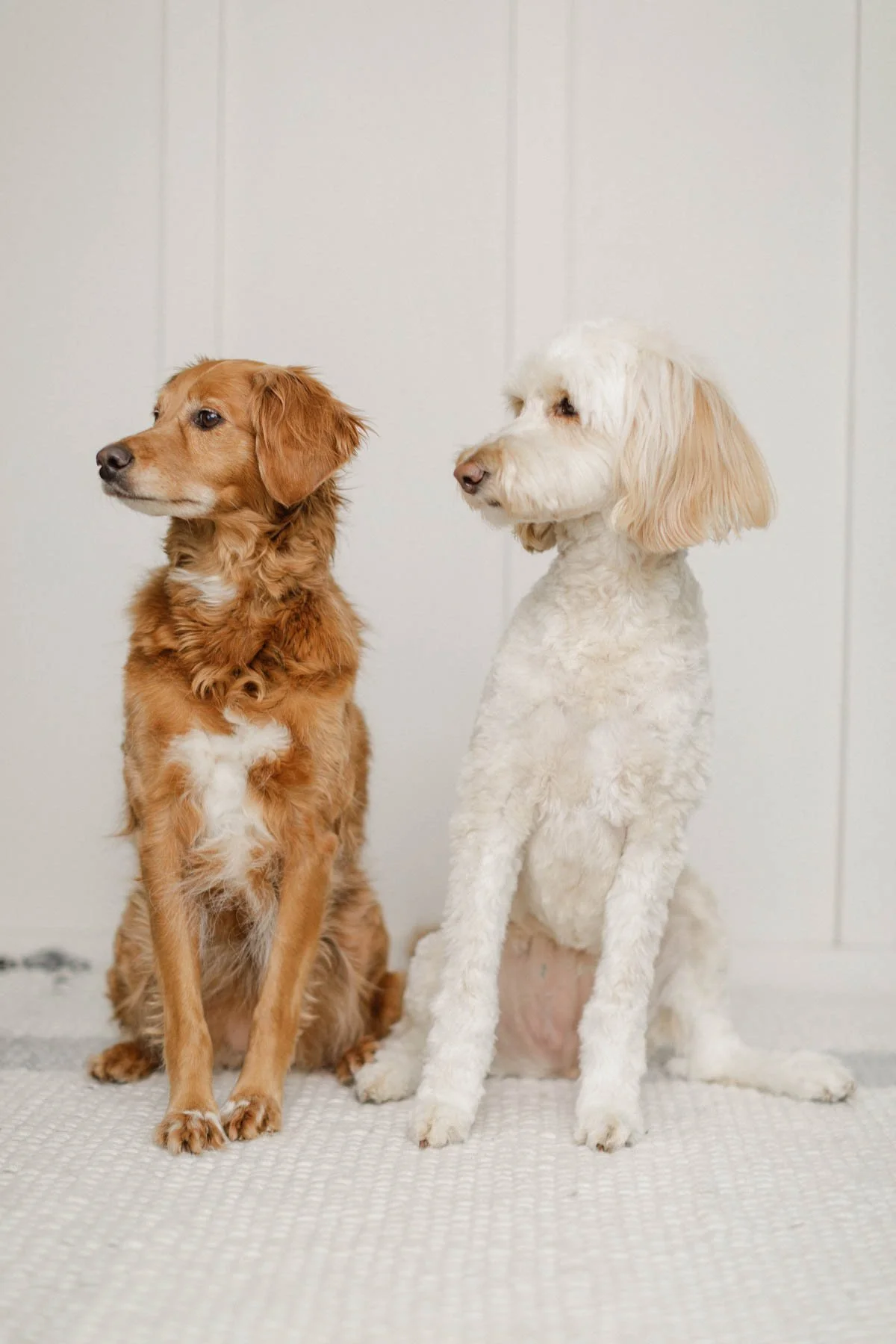
Unfurnished doodle, at a glance
| What it is | A doodle that inherited two copies of the non-furnishings allele at RSPO2. Smooth muzzle, shedding coat. |
| Other names | Improper coat (IC), flat coat, smooth-faced, open-faced. |
| Visible trait | No beard, mustache or eyebrows. Short facial hair that follows the skull. |
| Shedding | Moderate to high. More than a furnished doodle, often comparable to a Golden Retriever or Labrador. |
| Grooming | Low. Weekly brushing, bath as needed, usually no haircuts. |
| Allergy households | Generally not a fit for moderate or severe dog allergies. No dog is allergen-free. See our lower-allergen puppy guide. |
| Good fit | Active outdoor families, low-maintenance households, people who prefer a retriever or shepherd look. |
| Wrong fit | Allergy-sensitive households, families who want a non-shedding dog, buyers who want the teddy bear face. |
| Stokeshire pricing | Unfurnished placements carry a coat premium. See current Pricing. |
What "unfurnished" means
Furnishings are the long facial hair that makes a beard, mustache and eyebrows. They come from one gene, RSPO2, and the trait is dominant: one copy of the furnishings allele is enough to show a bearded face.
An unfurnished doodle inherited two copies of the ancestral non-furnishings version. The muzzle stays smooth and the face resembles a Golden Retriever, Labrador, Australian Shepherd or Bernese Mountain Dog. The body coat can still be wavy or curly. Only the face is clean.
Why so many names
| Term | Type | What it means |
|---|---|---|
| Unfurnished | Genetic | Lacks the dominant RSPO2 furnishings allele. The accurate descriptor. |
| Improper coat (IC) | Registry | Used by the Goldendoodle Association of North America and others for a coat that misses the furnished standard. "Improper" is a registry label, not a quality grade. |
| Flat coat | Marketing | Usually an unfurnished doodle that also lacks the curl gene, so the body coat lies flat. |
| Smooth-faced | Descriptive | The short, sleek hair on the muzzle. |
| Open-faced | Marketing | Emphasizes the visible eyes and expression without furnishings. |
Stokeshire uses "unfurnished" because it describes the dog without implying a defect.
The RSPO2 gene, in plain language
Furnishings are controlled by RSPO2 (R-spondin-2) on canine chromosome 13. Cadieu and colleagues mapped the trait in a 2009 study in Science covering 80 breeds and traced it to a 167 base-pair insertion in the gene's regulatory region. The insertion raises RSPO2 activity in the hair follicles of the muzzle and legs, which is where the beard and eyebrows come from.
The trait is dominant. One furnishings allele (F) shows a bearded face. Two non-furnishings alleles (I, for improper coat) show the smooth face.
The three genotypes
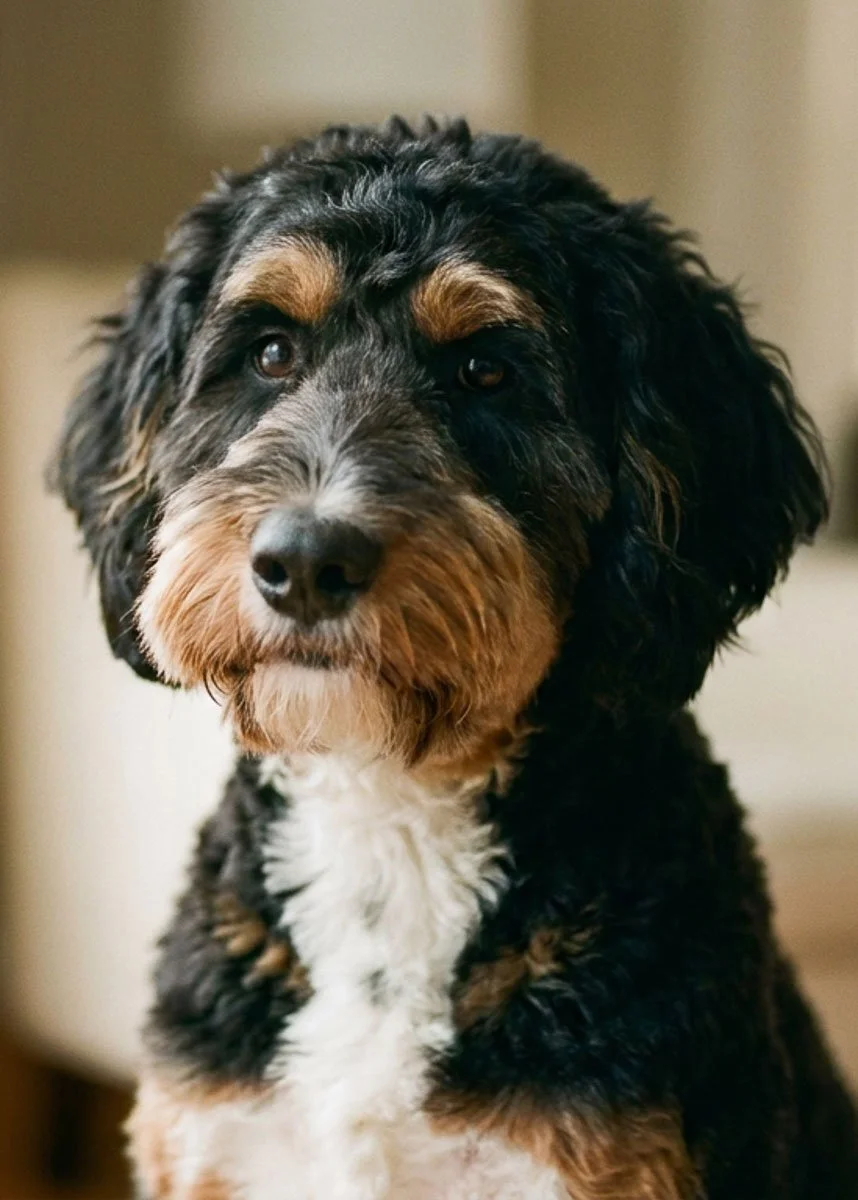
F/F, furnished
Two copies. Fully furnished, and passes furnishings to every puppy. Most Poodles are F/F, which is why early-generation doodles are almost always bearded.
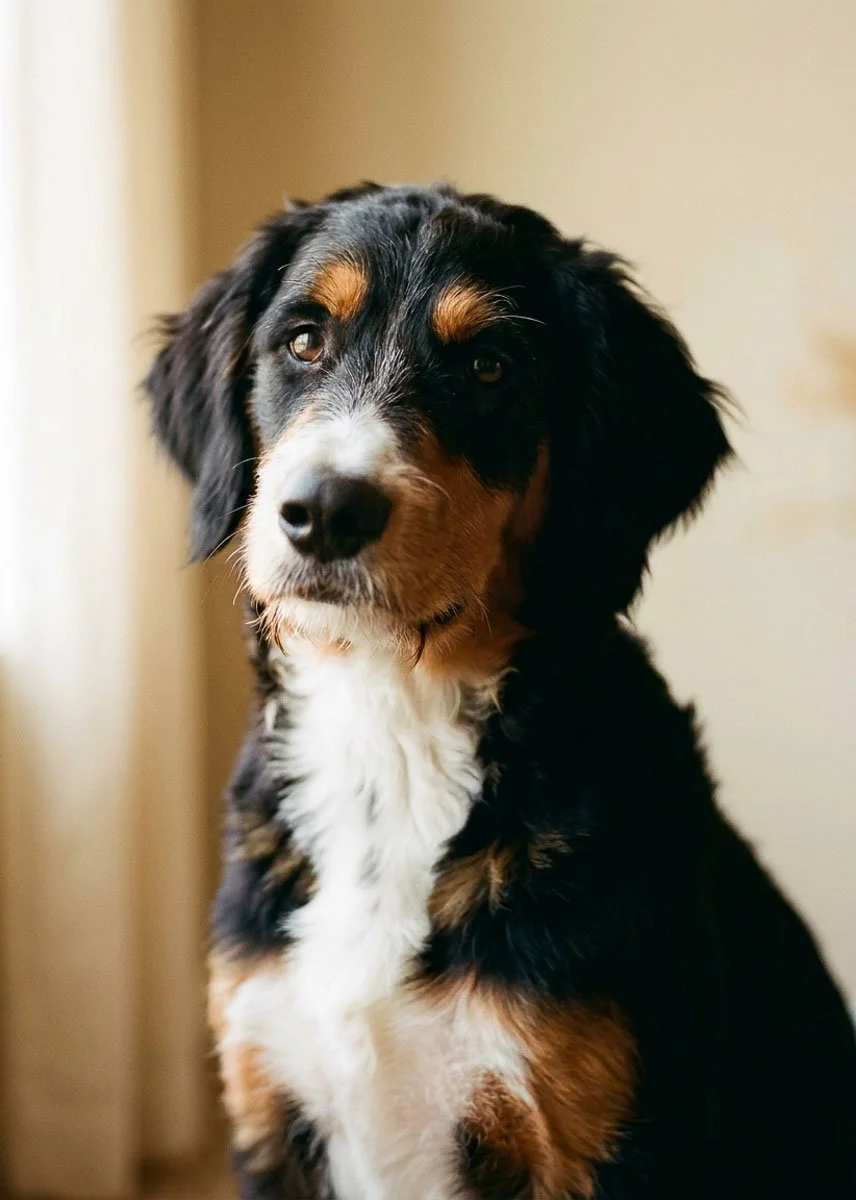
F/I, furnished carrier
One copy. Furnished, carries the unfurnished allele, and passes it to about half its puppies. Bred to another carrier, it produces unfurnished puppies.
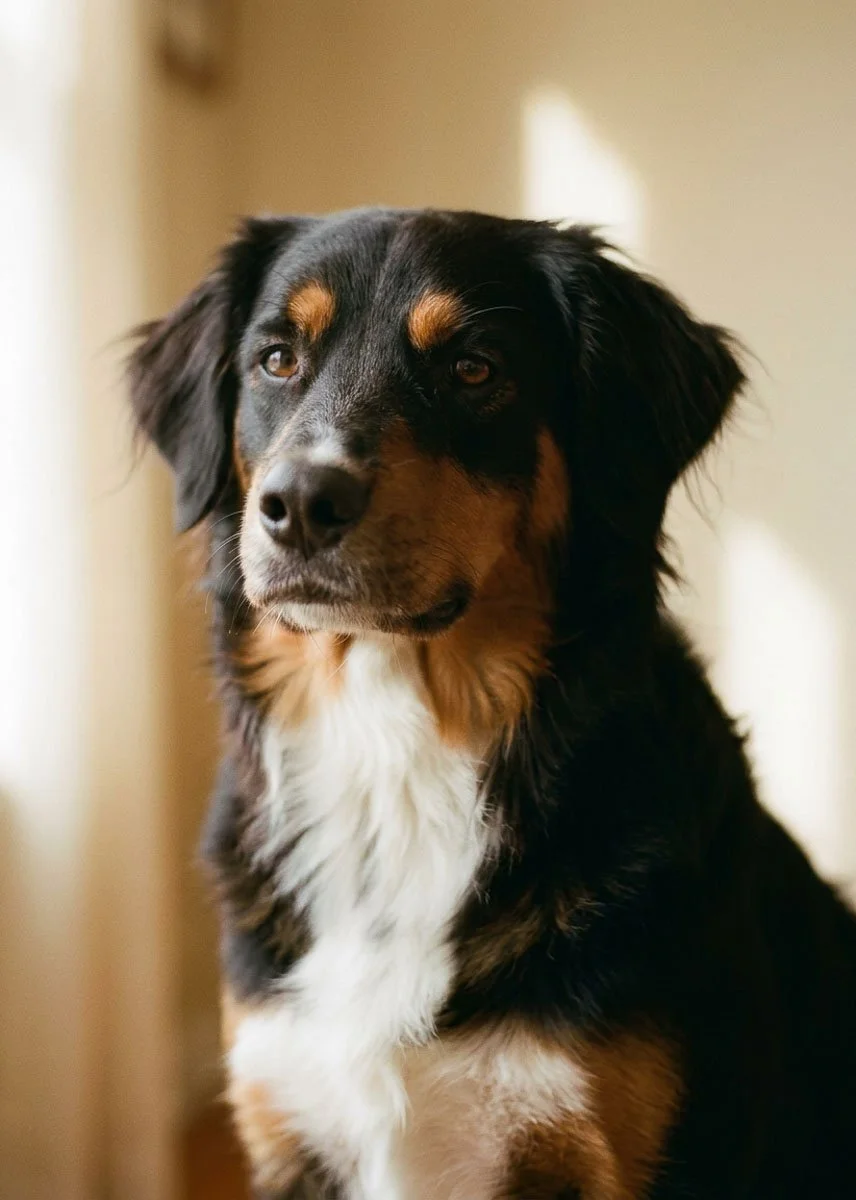
I/I, unfurnished
No copies. Smooth muzzle for life, and passes the non-furnishings allele to every puppy. This is the genotype of every unfurnished doodle.
Why unfurnished puppies show up in later generations
An F1 litter from an F/F Poodle and an I/I Golden Retriever or Bernese Mountain Dog is all F/I: every puppy is furnished and every puppy is a carrier. Unfurnished puppies appear when two carriers are bred together, which is common in F2, F2B and multigenerational lines.
| Parent pairing | Furnished | Unfurnished |
|---|---|---|
| F/F × I/I (typical F1) | 100% | 0% |
| F/I × F/F (F1B back to Poodle) | 100% | 0% |
| F/I × F/I (F2 or multigen carriers) | 75% | 25% |
| F/I × I/I (reverse F1B) | 50% | 50% |
| I/I × I/I | 0% | 100% |
Furnishings and shedding are two genes
RSPO2 controls facial hair. MC5R is associated with shedding intensity, and it interacts with the other coat genes. The lowest-shedding doodles carry the favorable variant at both; the highest-shedding carry neither. An unfurnished doodle without the low-shedding MC5R variant tends to shed like its retriever ancestors. One that carries it tends to shed somewhat less, and still more than a furnished littermate.
A tested breeder knows both parents' RSPO2 and MC5R results before a pairing, so coat behavior is a prediction rather than a guess.
When furnishings become visible
Newborns give no clue. By eight weeks the difference is usually obvious. By sixteen weeks it is unmistakable.
Identical. Short, smooth hair over the whole body. No facial difference yet.
Furnished puppies grow fine, wispy hair on the muzzle, chin and brow. Unfurnished puppies stay sleek. An experienced eye sees it around weeks four to six.
Confirmed. At go-home a breeder can call the phenotype with high confidence. By sixteen weeks the beard is clear on furnished littermates.
Adult coat comes in between six and nine months, along with the first real shedding cycles. The body coat may wave or curl (KRT71); the face stays smooth for life.
A responsible program documents furnishings status at several stages and discloses it before any deposit becomes non-refundable. At Stokeshire that means weekly muzzle close-ups from week five, both parents' RSPO2 genotypes, and each puppy's predicted coat in writing before final payment.
Allergies and unfurnished doodles, without the marketing
No dog breed has been shown to be reliably safe for allergic people. A 2012 study in the Journal of Allergy and Clinical Immunology measured Can f 1 in dog hair and in homes and found no evidence to classify any breed as low-allergen. The unfurnished doodle in particular is not a lower-allergen dog and is not a fit for households with moderate or severe dog allergies.
It is the proteins, not the hair
Can f 1
The major dog allergen. Made in saliva and skin, and carried through the home on shed hair coated with dried saliva.
Can f 2
A lipocalin associated with asthma symptoms in sensitized people. Anyone with diagnosed asthma should talk to an allergist before any dog.
Can f 3
Serum albumin in blood and dander. It cross-reacts with cat and horse albumin, which is why some people react to several species.
Can f 4, 5, 6
More lipocalins and a kallikrein found in dander, fur and male urine. Together they are why no coat type is allergen-free.
Why coat type still matters
A furnished coat holds loose hair and dander close to the body until grooming releases it. An unfurnished coat drops that hair into the room, onto furniture and into bedding. The allergen load in the home tends to be higher with an unfurnished doodle than with a furnished littermate, even though neither dog is allergen-free.
Households with mild sensitivity sometimes manage an unfurnished doodle with HEPA filtration, frequent bedding washes, regular baths and a dog-free bedroom. Those steps reduce exposure; they do not remove it. Anyone with a diagnosed allergy should see a board-certified allergist before placing a deposit on any dog. Spending time with the specific dog or its parents is a useful screen, not a substitute for testing.
Stokeshire does not guarantee allergy compatibility for any dog, furnished or unfurnished. Human allergic response is too individual to promise.
Time, tools and cost
The biggest practical advantage of the unfurnished coat is grooming. It reaches a terminal length and stops growing, so haircuts, the main recurring expense for furnished doodle owners, are largely unnecessary. The trade is more vacuuming and a brushing routine aimed at shed hair rather than mats.
| Task | Furnished (curly or wavy) | Unfurnished (flat or smooth) |
|---|---|---|
| Line brushing | 20 to 30 minutes most days | Not required |
| De-shedding brushing | Not required | 15 to 20 minutes weekly |
| Vacuuming | Low | Moderate to high |
| Beard cleaning | Daily wipe after meals | Not required |
| Muzzle trimming | Every 4 to 6 weeks | Never |
| Professional grooming | Every 6 to 8 weeks | Bath and tidy as needed |
The right kit for an unfurnished coat
- Undercoat rake. Pulls dead undercoat before it lands on the floor.
- Bristle brush or rubber curry. Lifts loose surface hair and stimulates the skin.
- High-velocity dryer. Towel-drying alone leaves moisture in the undercoat, which can lead to odor or hot spots.
- Conditioning spray. Keeps the outer coat's water-shedding quality and cuts static.
Professional grooming for a furnished doodle typically runs every six to eight weeks for the life of the dog. An unfurnished doodle needs an occasional bath and brush. Over a twelve-year life the difference in grooming spend is substantial; the exact number depends on your groomer and your city.
Should you choose an unfurnished doodle?
The unfurnished doodle is a deliberate match for a specific household. For the right family it is the better dog. For the wrong family it produces predictable disappointment.
| Factor | Better fit: furnished | Better fit: unfurnished |
|---|---|---|
| Allergy sensitivity | Mild to moderate | None |
| Lifestyle | Indoor, controlled | Outdoor, hiking, swimming, beach |
| Tolerance for shed hair | Low | Moderate |
| Look you want | Teddy bear, classic doodle face | Retriever, shepherd or Bernese face |
| Time at home | Daily brushing is fine | Weekly brushing preferred |
| Vacuuming | Once or twice weekly | Daily in shedding season |
Households that do well
- The outdoor family. Trails, lakes, snow. The coat sheds water and debris, holds no mud in a beard, and recovers fast.
- The routine household. No daily mat patrol. A relaxed grooming schedule has no consequence.
- The retriever-look buyer. Wants the doodle temperament with the face of a Golden, Lab or Aussie.
- The diversity-minded buyer. Crossing distinct breed lines can increase genetic diversity and may reduce the likelihood that some recessive inherited conditions are expressed. It does not eliminate genetic disease or the health considerations present in the parent breeds, and coat type changes none of that.
The most common regret
Almost every unfurnished-doodle regret traces to one failure: the puppy was sold as low-shedding because "all doodles are low-shedding." When the adult coat arrives at six to nine months, the family is surprised and feels misled. Disclosure at the point of sale removes the problem.
What the price tells you about the breeder
Many breeders price unfurnished puppies below their furnished littermates. That usually signals one of two things: the parents were never tested for RSPO2, so the unfurnished puppies were a surprise and are being moved quickly; or the breeder treats them as unwanted inventory rather than a match for the right home. Either way, the program is reacting rather than planning.
A breeder surprised by an outcome an inexpensive panel would have predicted is more likely to be cutting corners elsewhere: orthopedic clearances, cardiac screening, eye exams, breed-specific disease panels.
Parent health testing, prenatal care, neonatal monitoring, early development, disclosure and lifetime support are the same for every puppy in a Stokeshire litter, furnished or unfurnished. At Stokeshire, unfurnished placements carry a coat premium. See current Pricing.
Pricing red flags
- "Rare smooth doodle." It is not rare. It is a recessive that appears in a quarter of carrier-to-carrier litters.
- Steep price drops at eight weeks. Puppies that did not match buyer expectations, being cleared rather than matched.
- "Allergy-friendly flat coat." A shedding coat spreads more allergen than a furnished one. The phrase is either uninformed or misleading.
- "Low-maintenance teddy bear." The teddy bear face requires furnishings, and furnishings require maintenance.
What to ask before you commit
Coat type is one of the most predictable traits in dog breeding. The test is inexpensive and the result is unambiguous. Nobody should learn after placement that their puppy is unfurnished.
- Are both parents tested for RSPO2, and what are their genotypes?
- What share of this litter is expected to be unfurnished?
- Can I see clear muzzle photos of unfurnished adults from past litters?
- When will I see my matched puppy's coat before I commit?
- What happens if the shedding is more than my household can manage?
A breeder who cannot answer these clearly is placing puppies without the data to do it well.
Unfurnished doodle vs. the purebred alternatives
Many families weighing an unfurnished doodle are also looking at a Golden, a Lab or a Bernese Mountain Dog. The honest comparison is about coat, energy and temperament tendencies, not health promises.
| Feature | Golden or Labrador | Unfurnished doodle | Bernese Mountain Dog |
|---|---|---|---|
| Shedding | Constant, heavy | Moderate, somewhat seasonal | Constant, very heavy |
| Grooming | Weekly brushing | Weekly brushing | Daily heavy brushing |
| Energy | High | Moderate | Low to moderate |
| Temperament tendency | Eager, biddable | Engaged, problem-solving | Calm, deliberate |
| With strangers | Generally friendly | Friendly, balanced | Often reserved |
Breed describes tendencies. In a 2022 study of more than 18,000 dogs, breed ancestry explained about 9% of the behavior differences between individuals, which is why Stokeshire temperament-tests each puppy rather than placing on breed label alone.
On health
Crossing distinct breed lines can increase genetic diversity and may reduce the likelihood that some recessive inherited conditions are expressed. It does not eliminate genetic disease or the health considerations present in the parent breeds, including the cancer risks documented in Golden Retriever and Bernese Mountain Dog lineages. That is why every dog considered for the Stokeshire breeding program is health-screened before a pairing is planned, and why we do not claim that a cross is healthier than its parents.
How we handle unfurnished puppies
Stokeshire breeds Bernedoodles, Australian Mountain Doodles, Golden Mountain Doodles and Aussiedoodles in furnished and unfurnished coats. Unfurnished puppies are matched to families who chose that coat on purpose.
Both parents in every pairing are tested for RSPO2, so the expected coat split is known before the litter is born. By week five each puppy's coat is documented and shared with its matched family. Pricing is the same across the litter. Families who are unsure work through our matching process before placement.
Meet George

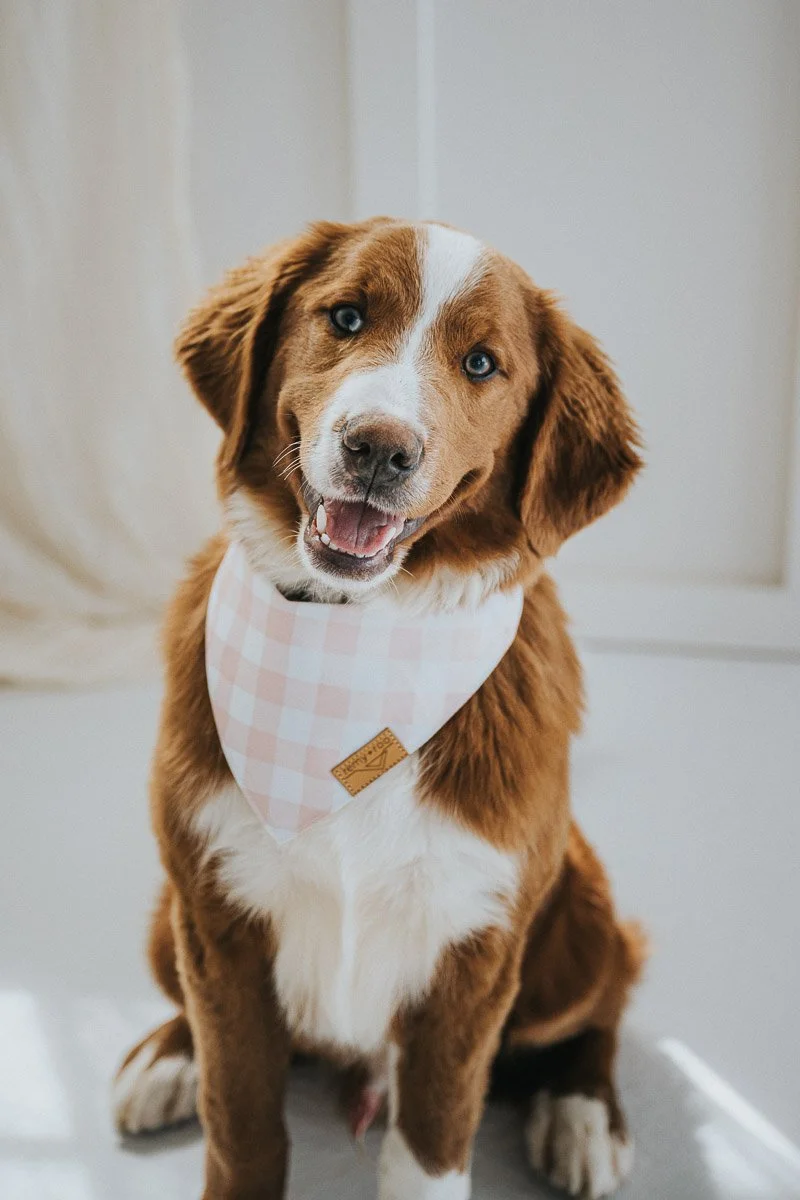
George is one of the clearest examples we have of an I/I genotype in an adult dog. Families who arrive wanting a Bernedoodle and stay open to the unfurnished coat get a dog that does not look like every other doodle on the trail, with the same temperament work and testing behind him as any Stokeshire puppy. He was matched, not discounted.
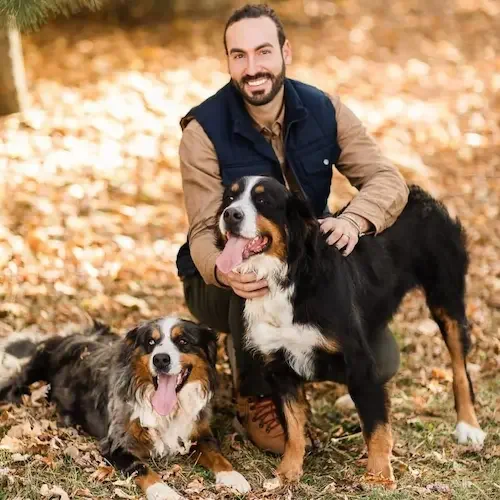
James Stokes, founder and breeding program director. Stokeshire Designer Doodles is a therapy-grade breeding program in Medford, Wisconsin, run by James and Katie Stokes since 2020, with puppies placed in 36 states, Washington, D.C., Canada and Mexico.
Before a pairing is planned, every Stokeshire breeding dog is genetically tested through Embark, and families can review the results on the parents' public Embark profiles. Hip and elbow evaluations are recorded with OFA where completed. Public Embark profiles are on our Our Dogs page.
Wisconsin DATCP license #514401-DS. W4954 County Road O, Medford, WI 54451. Our story
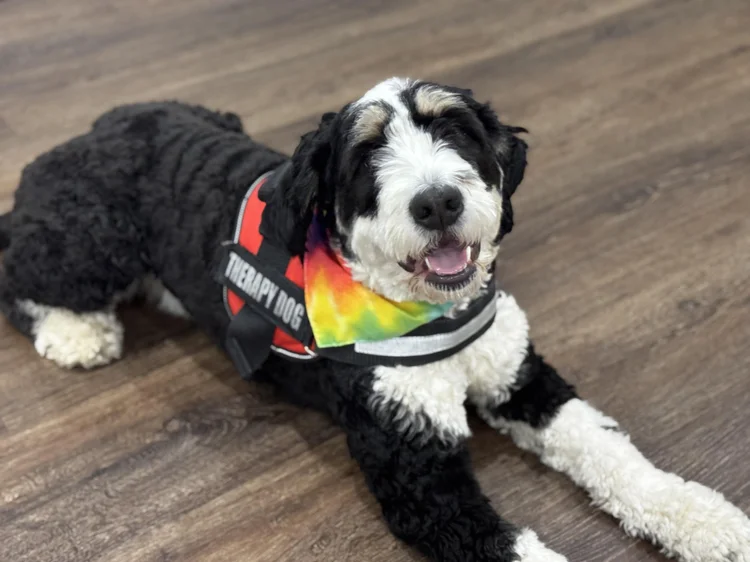
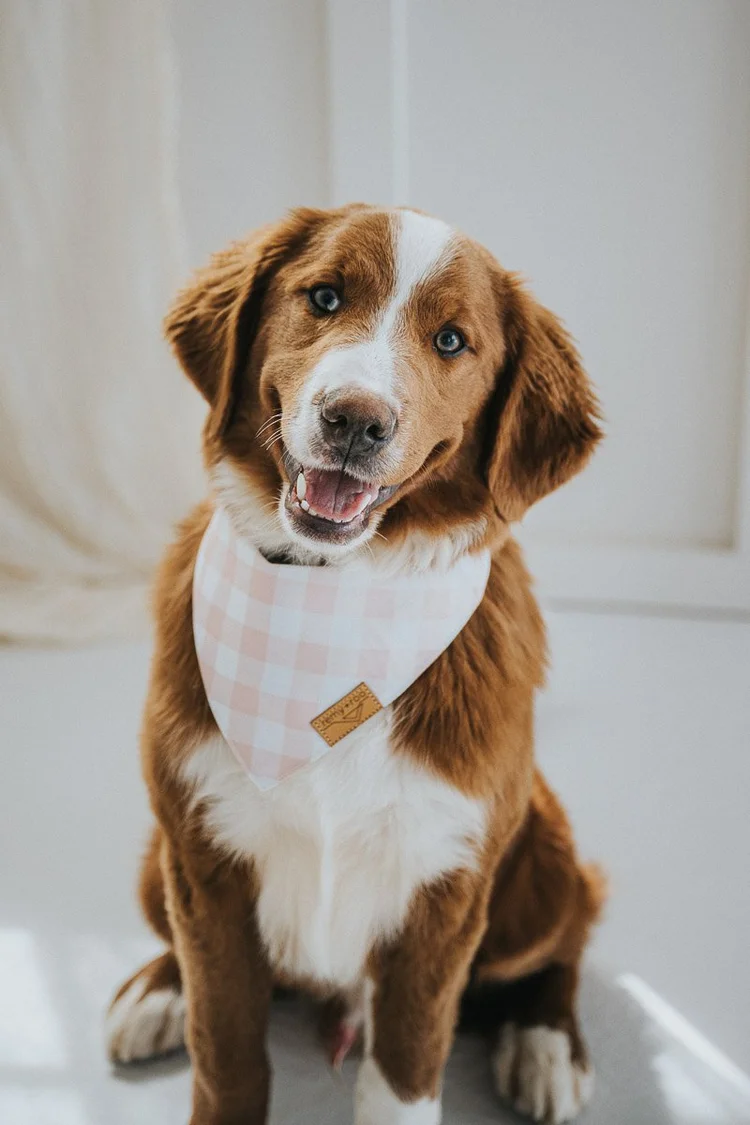
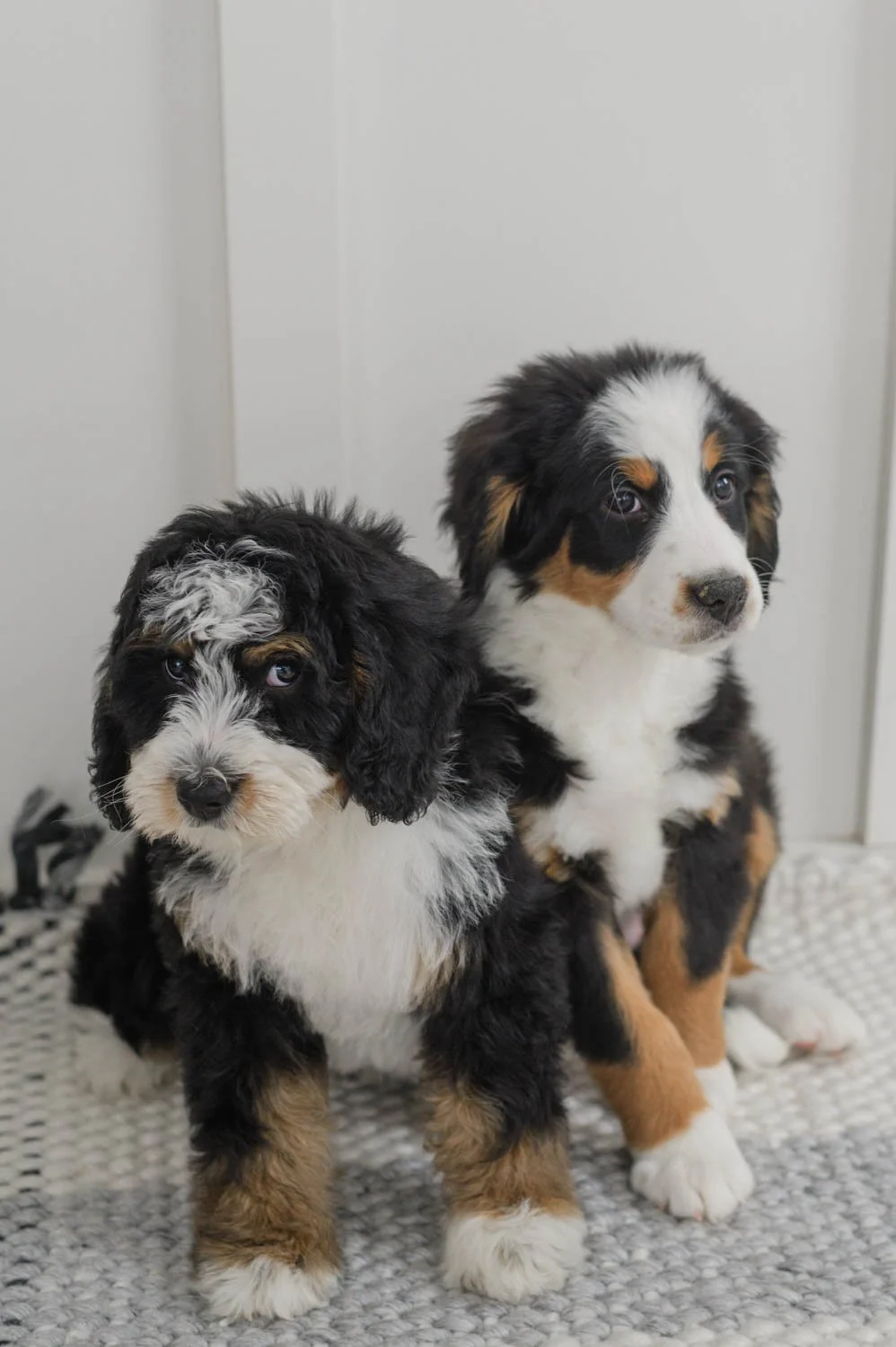
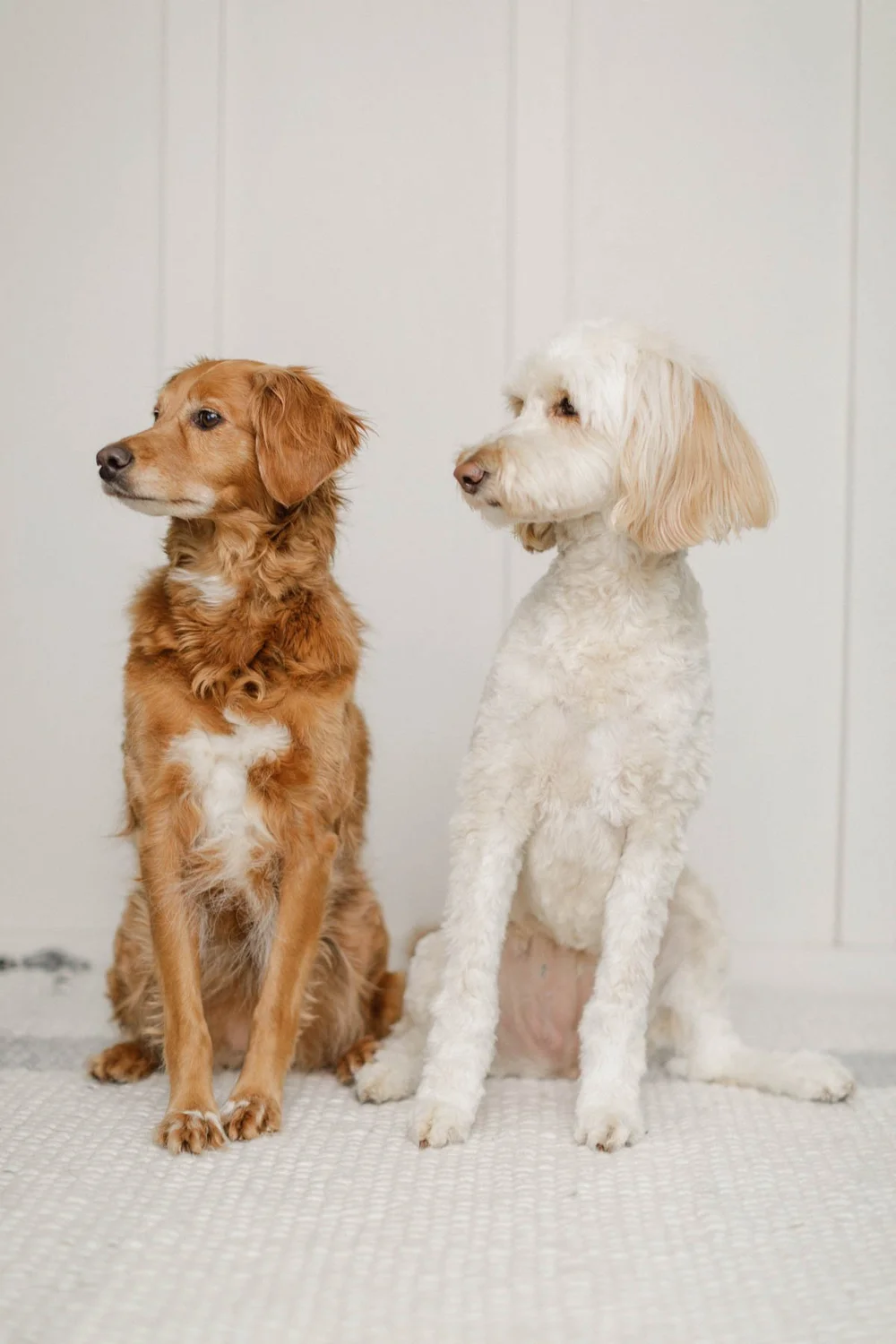
Furnished and unfurnished, side by side
One gene. The difference is obvious once you know where to look: the muzzle.
Unfurnished doodle questions
What is an unfurnished doodle?
Is an unfurnished doodle the same as an improper coat?
Will an unfurnished doodle shed?
Are unfurnished doodles allergy-friendly?
How can I tell if a puppy is unfurnished?
Can two furnished parents produce unfurnished puppies?
Are unfurnished doodles cheaper?
Do unfurnished doodles need professional grooming?
What is the difference between unfurnished and flat coat?
Does Stokeshire breed unfurnished doodles?
Are unfurnished doodles healthier than furnished doodles?
Should I be suspicious of a "rare smooth doodle"?
Explore Stokeshire litters
Bernedoodles, Australian Mountain Doodles, Golden Mountain Doodles and Aussiedoodles raised in Medford, Wisconsin. Every parent is genetically tested and every coat is documented and disclosed before placement. Nationwide transport available.
See available puppies How the process worksReviewed by James and Katie Stokes. Updated September 2026.
Unfurnished vs. Furnished Doodles
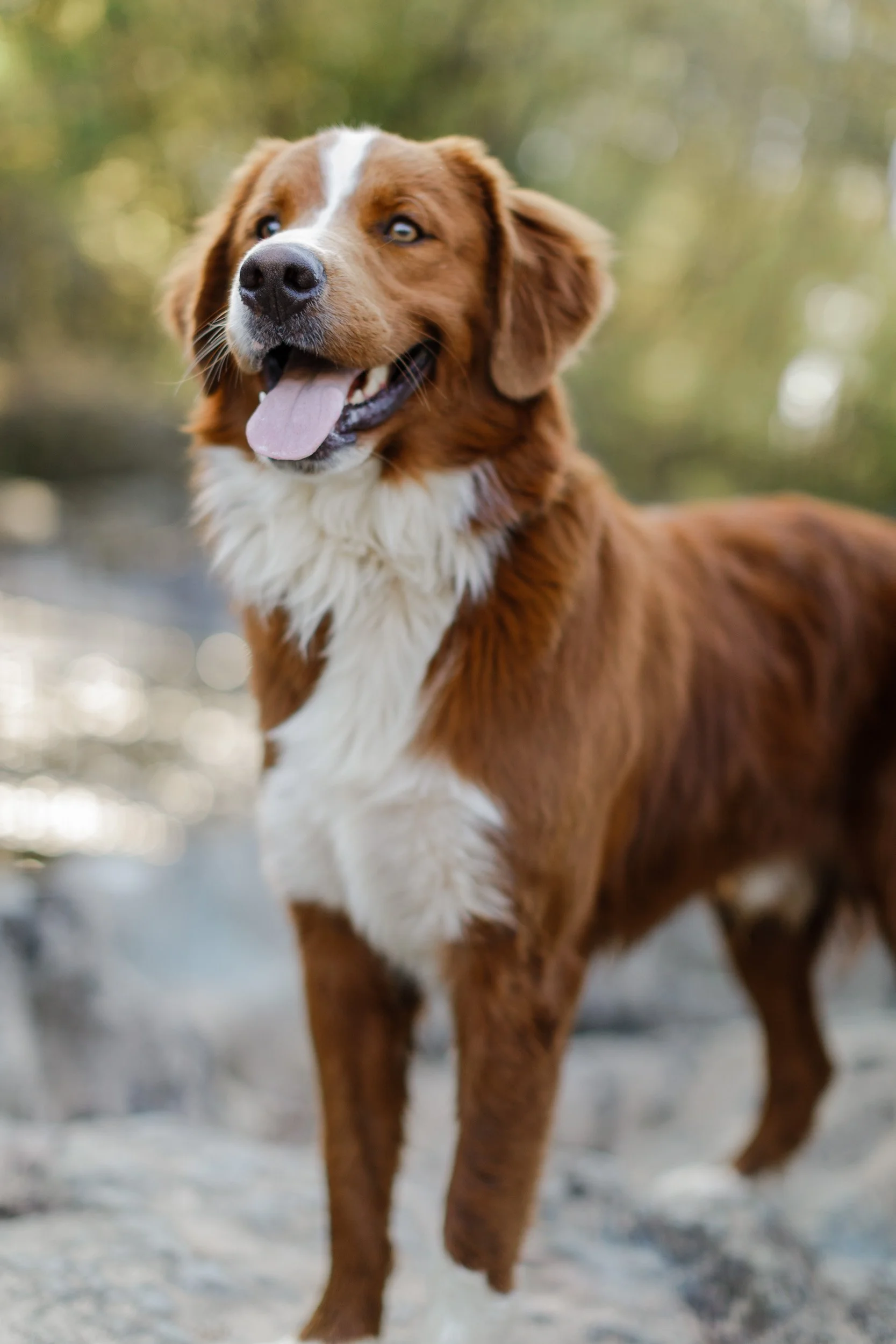
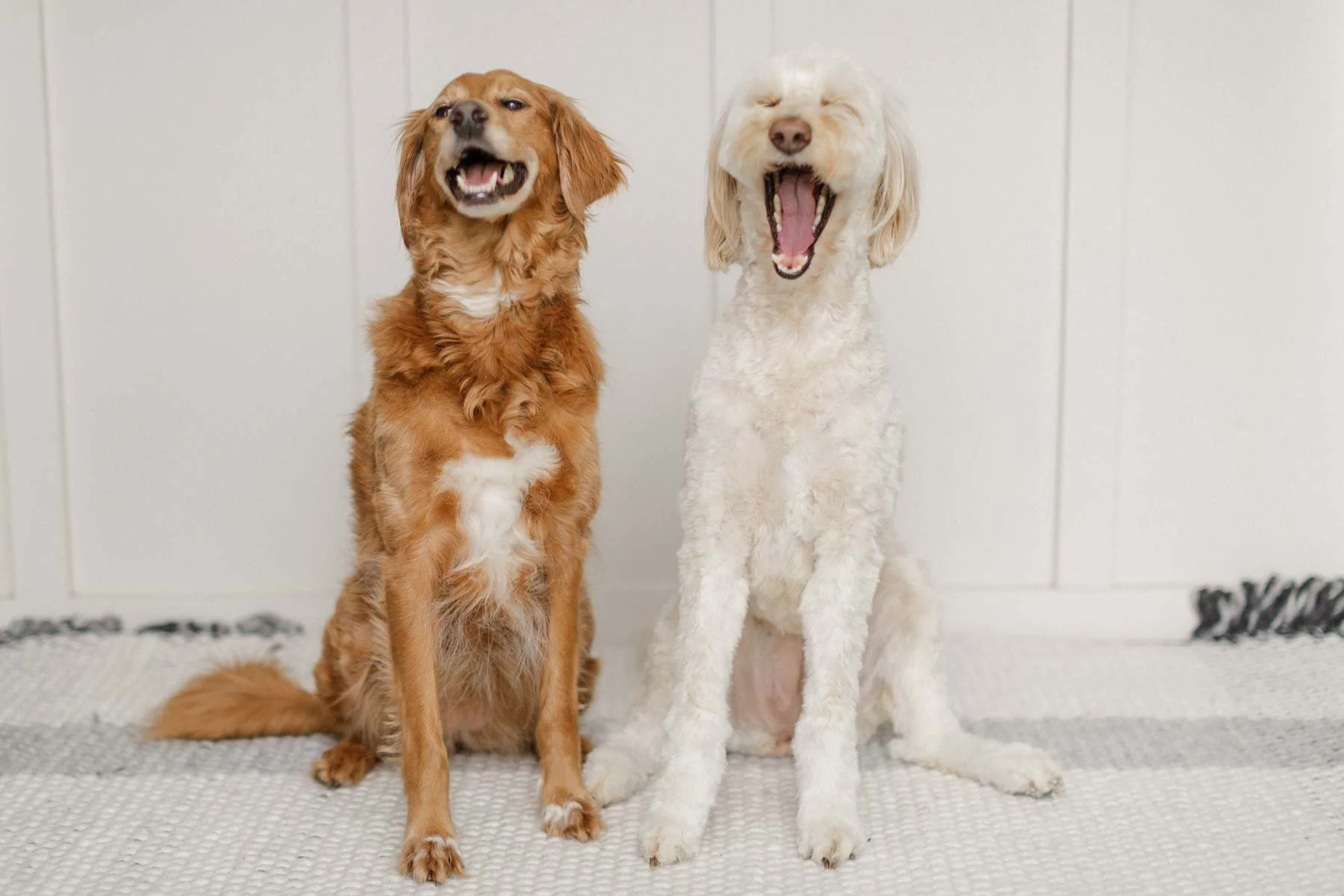
Two doodle dogs sitting side by side, one with a smooth face and flat coat and the other with a curly coat and facial furnishings.
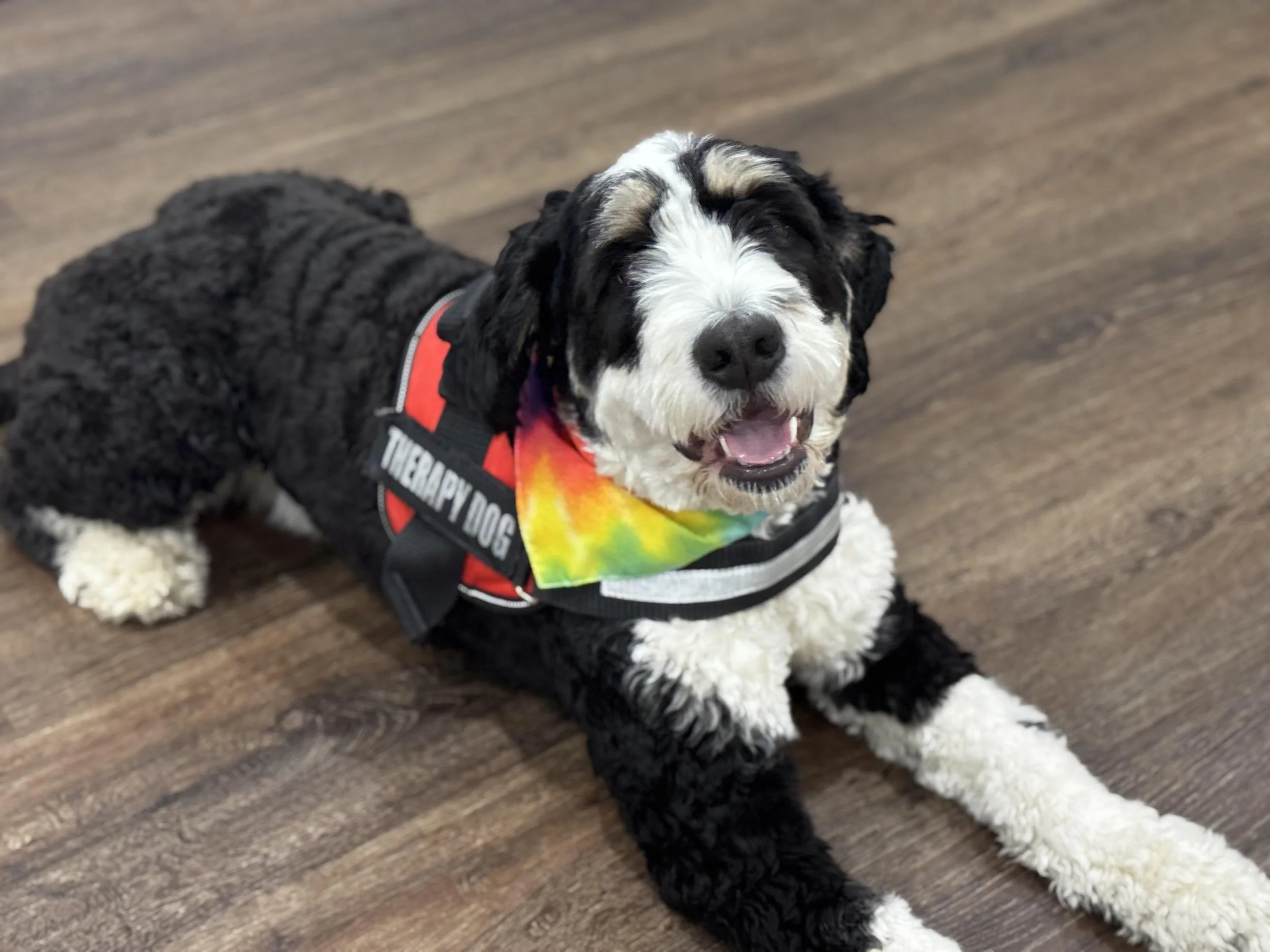
Furnished - low shedding - requires grooming
Unfurnished - shedding, lower allergy potential
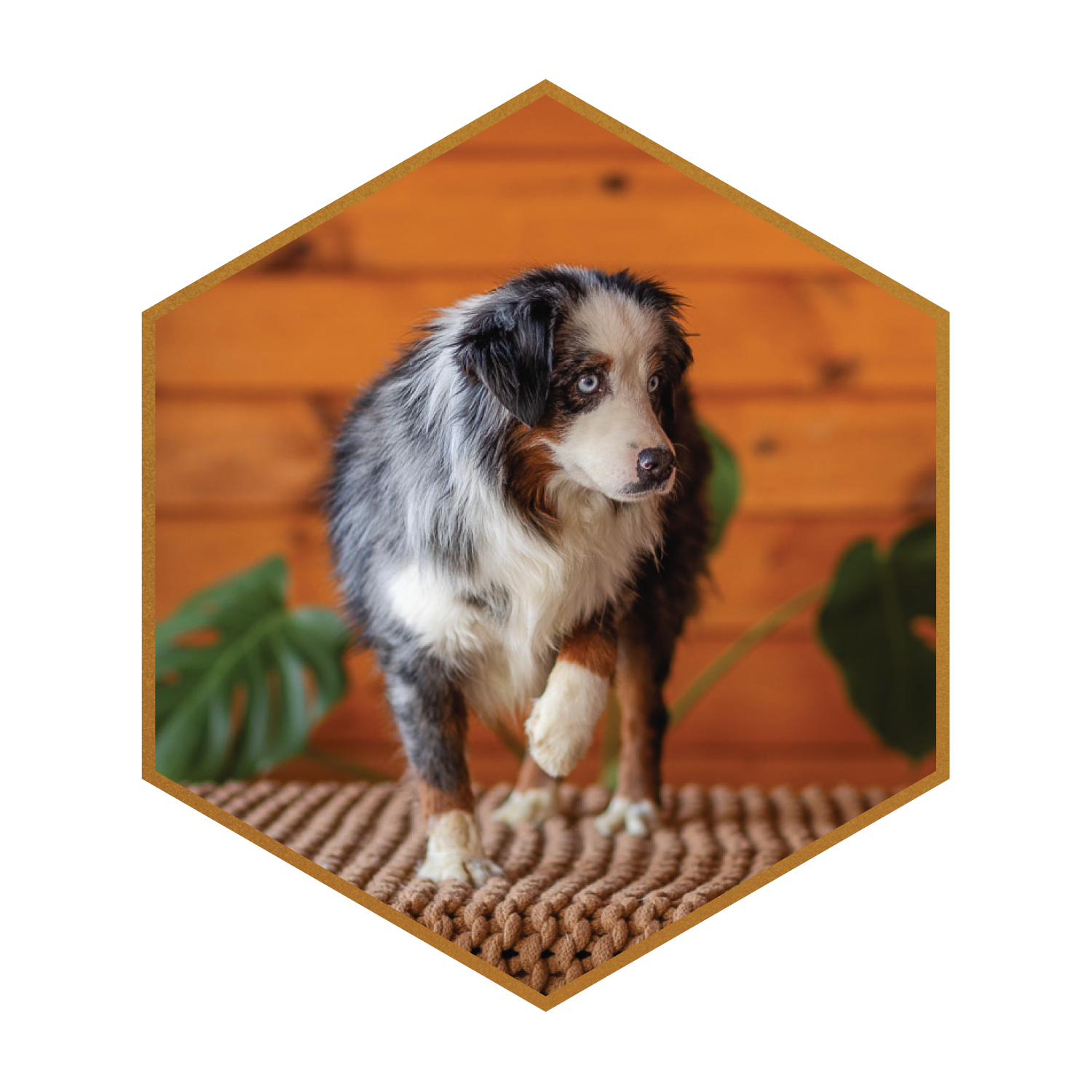
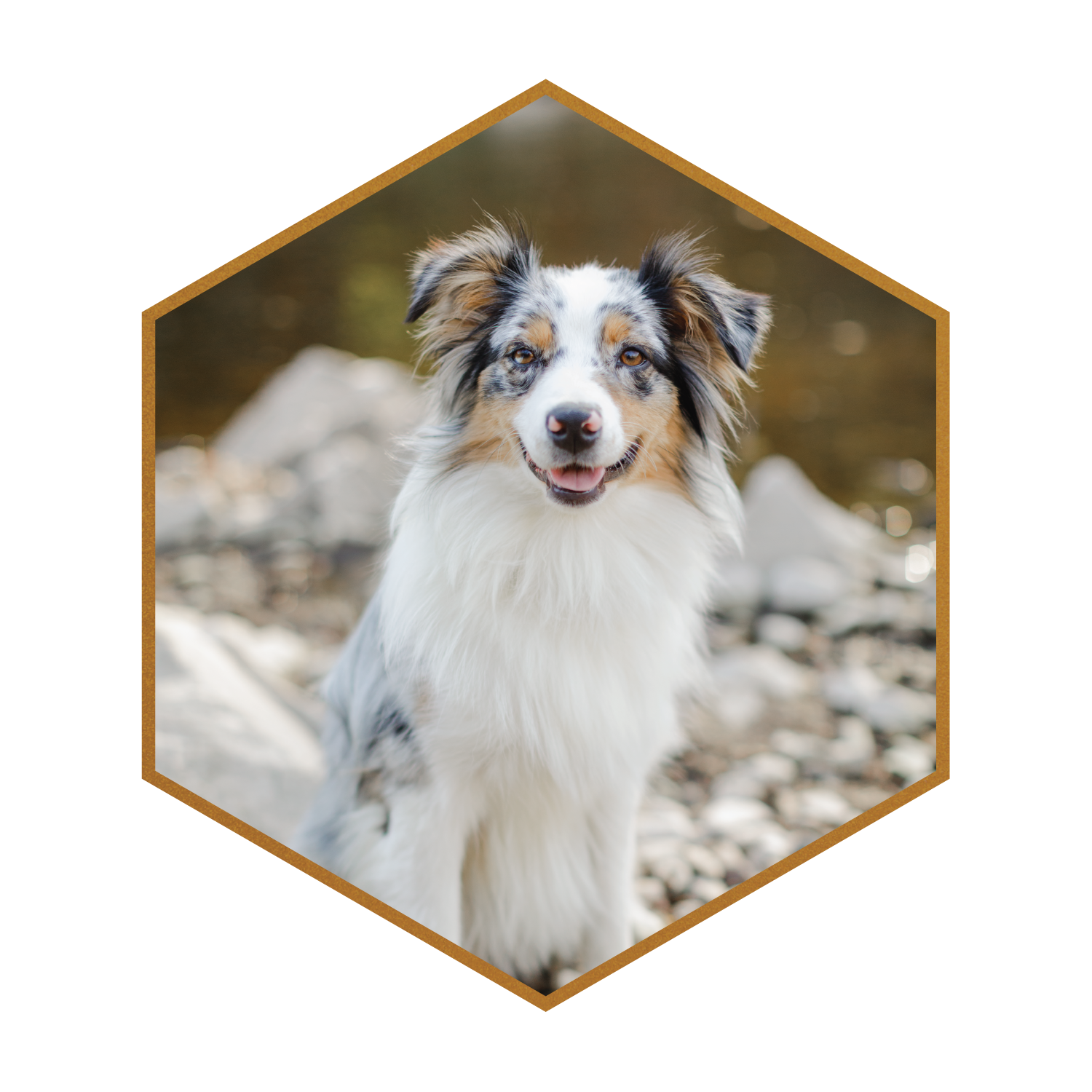
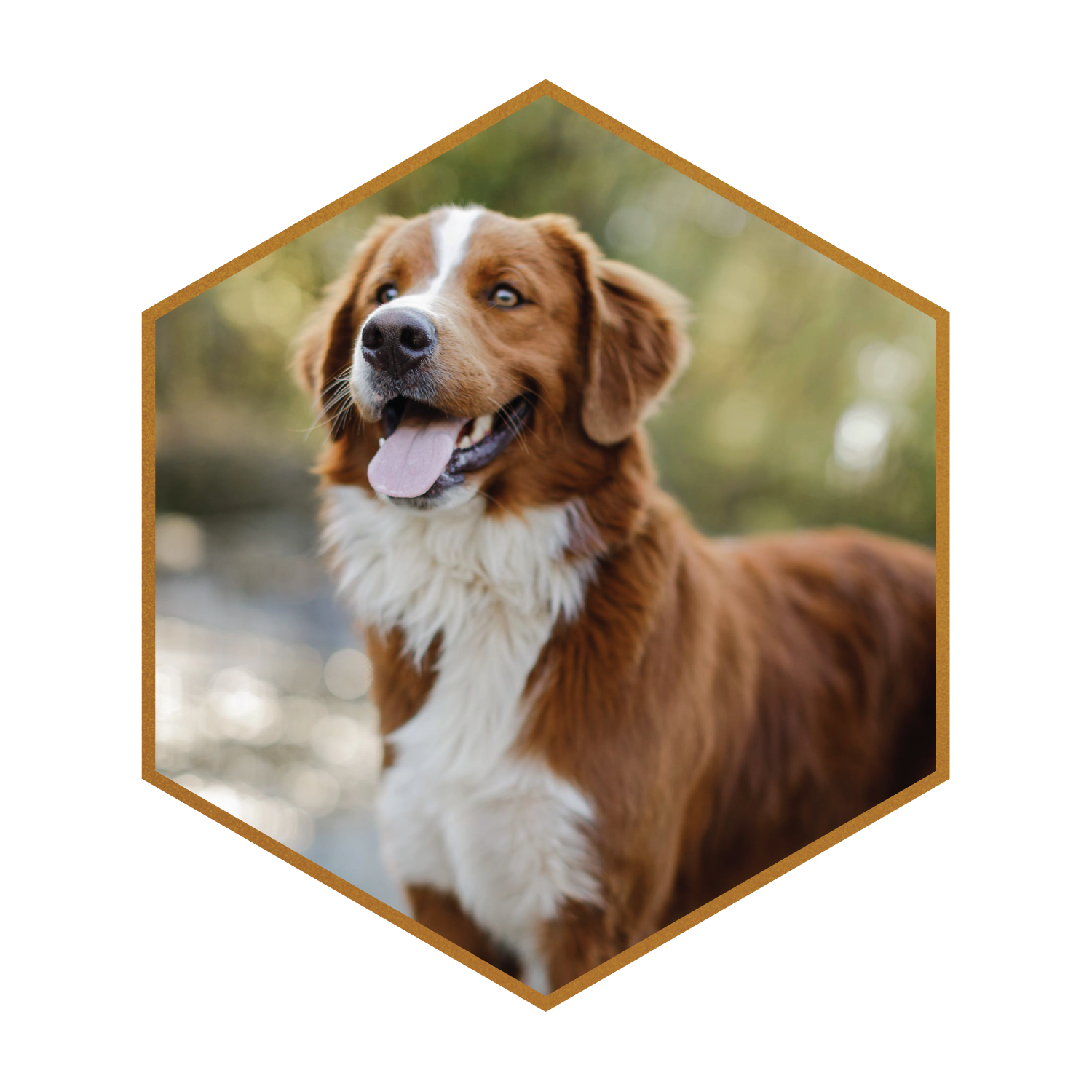
SOME STOKESHIRE LITTERS THAT MAY PRODUCE UNFURNISHED PUPPIES


This deposit ensures your spot on our official waitlist. First-pay, first-served basis.
DELIVERED
14 September 2026 (Monday): Born
7 November 2026 (Saturday): Match Day (pending)
14 November 2026 (Saturday): Take-Home