Bernese Mountain Dog
One of the most beloved family dogs in the world, and one of the most honest conversations a breeder can have with you.
Bernese Mountain Dog at a Glance
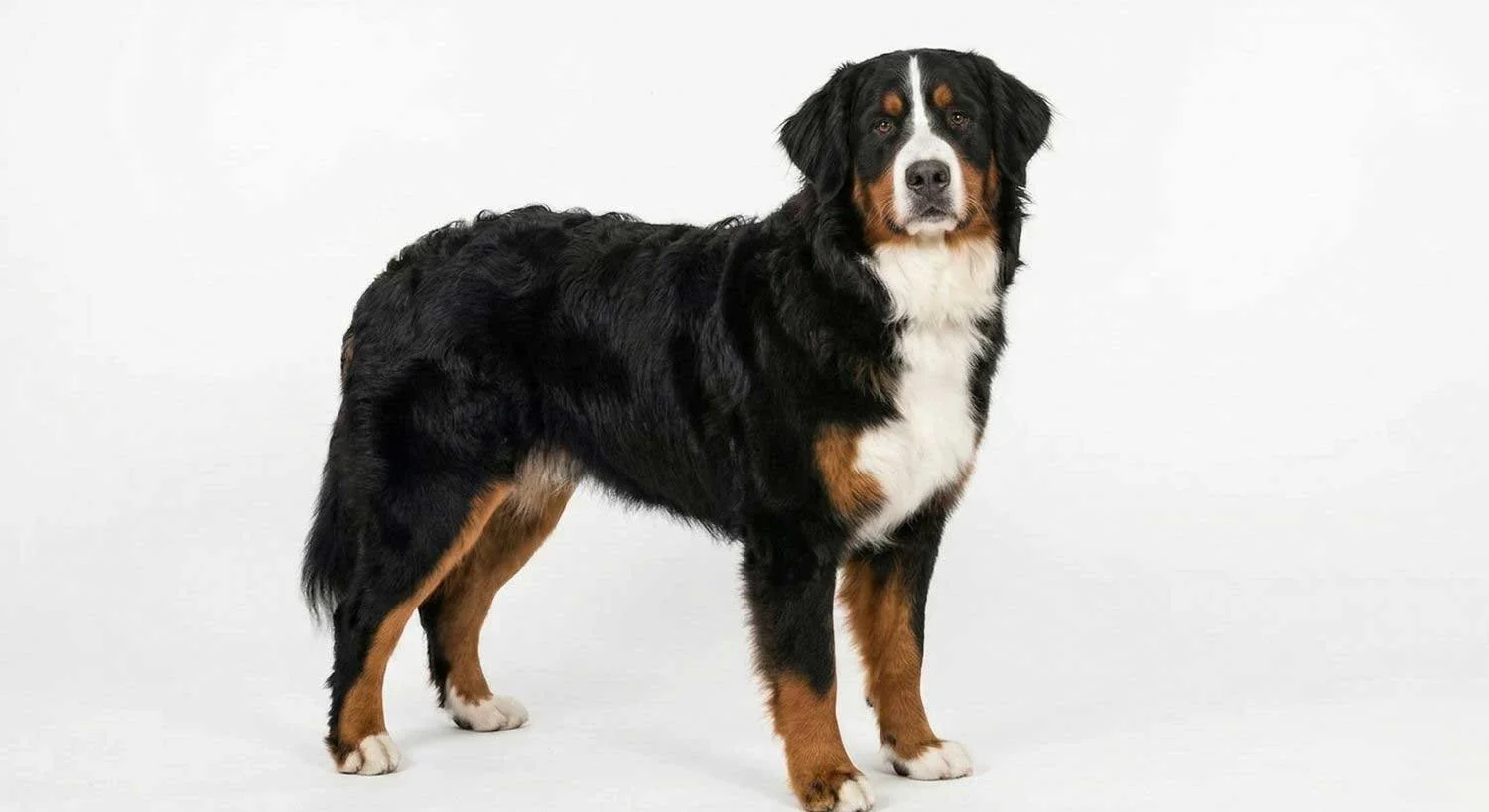
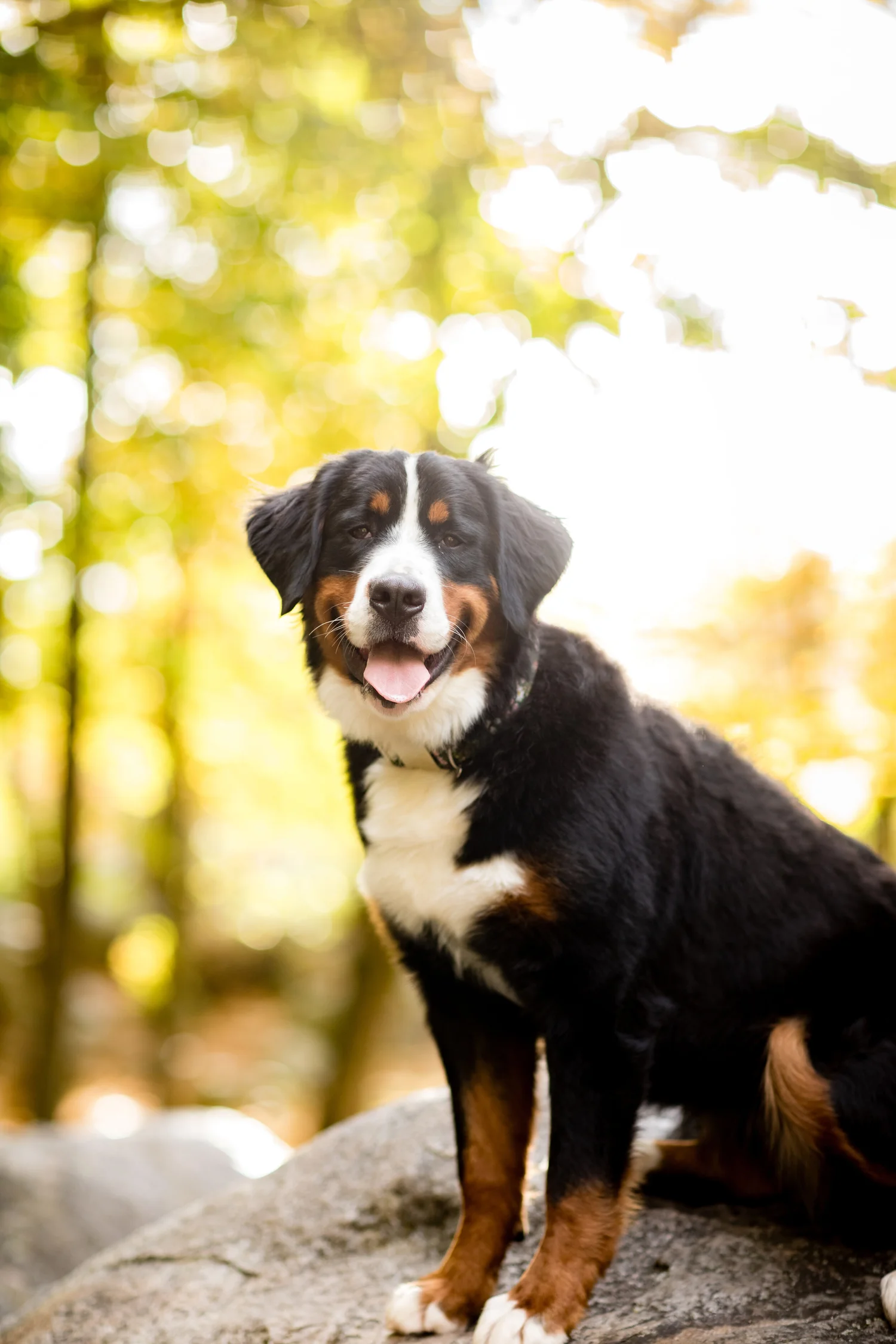
The Bernese Mountain Dog is a large, sturdy working breed from the Swiss Alps with a distinctive tri-color coat of black, white, and rust. Originally bred as a draft, herding, and farm dog in the canton of Bern, the breed has become one of the most recognizable and beloved companion dogs in the United States.
Families are drawn to the Bernese for its calm disposition, deep loyalty, and gentle nature around children. These are dogs that bond profoundly to their people and want to participate in every aspect of family life.
What most breed guides omit is the other side of that conversation. The Bernese Mountain Dog carries one of the highest cancer rates of any breed and one of the shortest average lifespans among large dogs. Understanding both realities is essential for any family considering this breed.
| Group | AKC Working Group |
| Origin | Canton of Bern, Switzerland |
| Coat | Long, thick double coat; tri-color (black, white, rust) |
| Shedding | Heavy year-round with seasonal blowouts |
| Energy Level | Moderate |
| Trainability | Moderate to high; responds to positive reinforcement |
| Good With Children | Yes, generally patient and gentle |
| Climate Preference | Cold to temperate; heat-sensitive |
| AKC Recognition | 1937 |
Temperament and Personality
The Bernese Mountain Dog is widely regarded as one of the gentlest large breeds. They are deeply people-oriented, forming strong emotional bonds with their family and preferring to be involved in daily routines rather than left alone. This is not a breed that does well in isolation.
Core Temperament Traits
Berners are calm, affectionate, and emotionally intuitive. They tend to read the mood of a room and adjust accordingly. Many owners describe them as "leaning dogs" because of their habit of pressing their body against the people they love. They are patient with children, tolerant of household activity, and generally good-natured with other pets when properly socialized.
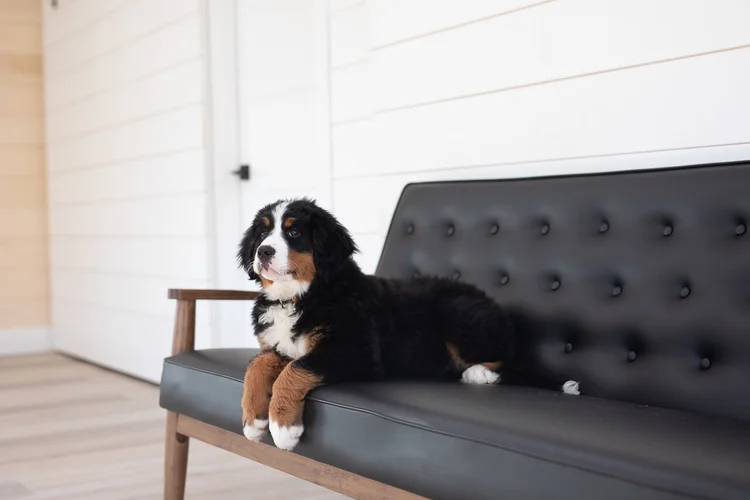
There is a reserved quality to many Bernese that is worth understanding. Unlike breeds that greet every stranger with enthusiasm, Berners often take a measured approach to unfamiliar people. This is not aggression. It is discernment. The breed tends to observe before engaging, and early socialization is important for building confidence in new environments.
What Families Should Expect
Bernese want proximity. They are not outdoor-only dogs and will not thrive if relegated to a yard or kennel. They do best in homes where they are included in the rhythms of family life. They settle well indoors, enjoy moderate outdoor activity, and are happiest when they can follow their people from room to room.
Sensitivity is a defining characteristic. Harsh corrections, raised voices, or chaotic environments can cause stress for this breed. Training and daily life should reflect that sensitivity. Calm, structured households bring out the best in a Bernese.
From our breeding program: The Bernese temperament is one of the primary reasons families seek Bernese-based crosses. The calm, loyal, emotionally responsive nature of the breed is preserved in intentional crosses while addressing some of the health and longevity challenges outlined below. Families looking for an even more compact option may also consider the Mini Bernese × Cavalier cross.
Health and Lifespan: The Full Picture
This is the section most breed guides soften. We believe families deserve the complete picture before making a decision that will shape their home for the next decade.
The Bernese Mountain Dog has an average lifespan of 6 to 8 years. Some individuals reach 10, but they are the exception. This is significantly shorter than most breeds of comparable size, and it is driven primarily by the breed's cancer burden and the consequences of a restricted gene pool.
Cancer: The Defining Health Challenge
Cancer accounts for approximately 67% of all Bernese Mountain Dog deaths. The most prevalent form is histiocytic sarcoma, an aggressive cancer affecting roughly 25% of the breed population. This is not a risk factor that health testing alone can eliminate, because the susceptibility is embedded in the breed's genetic architecture, not isolated to individual bloodlines.
Other cancers that appear at elevated rates in Bernese include lymphoma, mast cell tumors, and osteosarcoma. Responsible breeders screen for what can be screened, but the honest reality is that cancer risk in this breed remains substantially higher than in most other breeds regardless of breeding practices.
The overlap with Golden Retrievers matters here. Research has found that the two breeds share cancer risk regions on canine chromosome 5, a finding we examine in our Golden Retriever lifespan and cancer research.
The Genetic Bottleneck
The breed's health challenges trace back to population genetics. Fewer than a handful of founding dogs established the Bernese in the United States, and "popular sire" effects have further concentrated the gene pool. Less than 1% of sires have historically produced over half of the next generation. The result is high genomic relatedness across the breed, elevated inbreeding coefficients, and limited genetic diversity to draw from within purebred lines.
This is not a reflection of irresponsible breeding. It is a structural reality of a closed stud book with a small founder population. Understanding this distinction matters, because it shapes what can and cannot be improved through selection within the purebred Bernese.
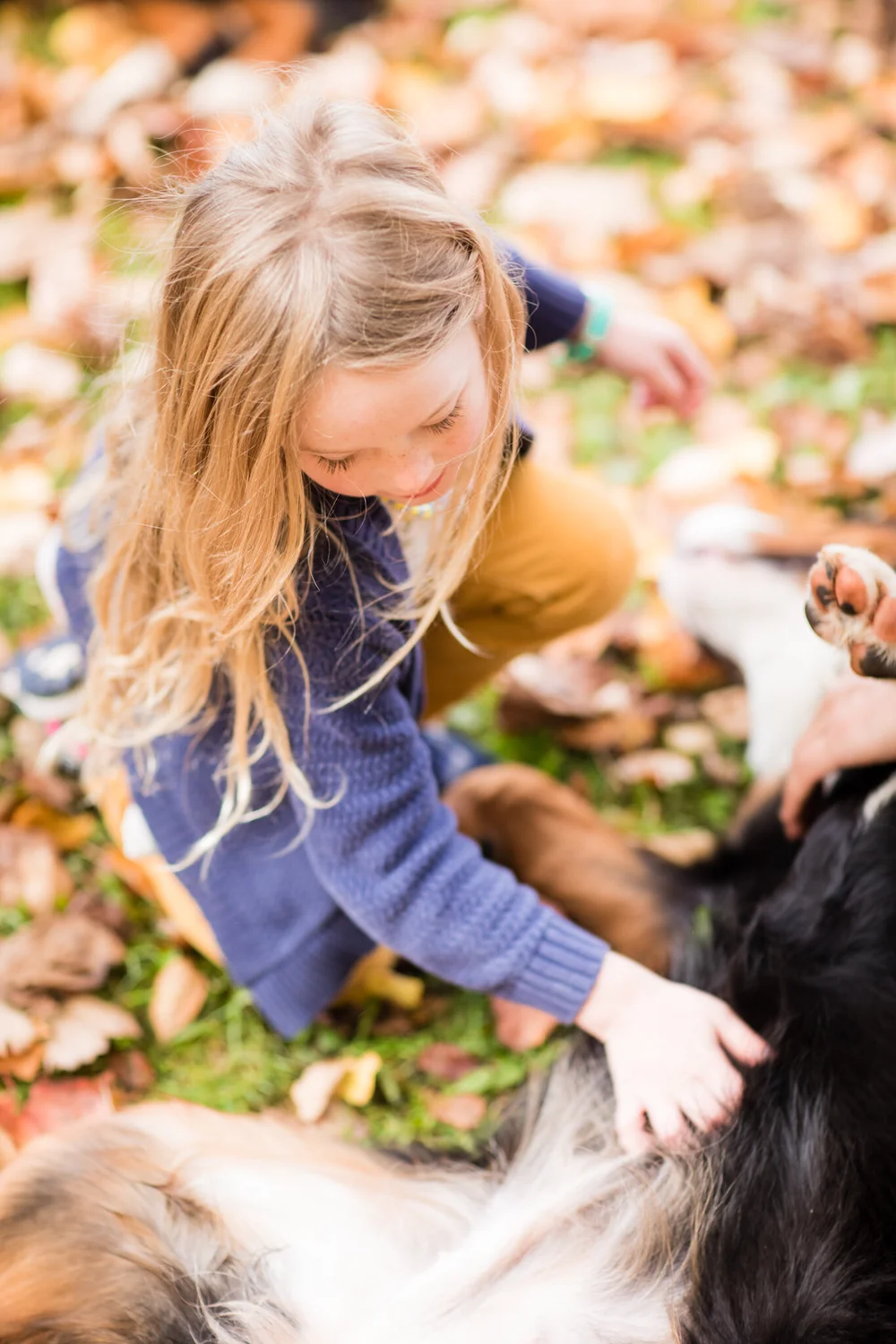
Bear, a Stokeshire Bernese Mountain Dog sire. The breed's striking appearance often overshadows the health realities families should understand.
Histiocytic Sarcoma
Aggressive cancer affecting ~25% of the breed population. Can appear in the spleen, liver, lungs, lymph nodes, or central nervous system. Often diagnosed at advanced stages.
Hip and Elbow Dysplasia
Abnormal joint development affecting mobility. Screening via OFA or PennHIP is standard for breeding stock. Severity ranges from mild discomfort to significant lameness.
Gastric Dilatation-Volvulus (Bloat)
Life-threatening emergency where the stomach fills with gas and rotates. Deep-chested breeds like the Bernese are at elevated risk. Preventive gastropexy can reduce incidence.
Degenerative Myelopathy
Progressive spinal cord disease causing hindlimb weakness and paralysis. DNA testing can identify carriers. Responsible breeders test for the SOD1 mutation.
Von Willebrand Disease
A bleeding disorder that can remain hidden until surgery or injury reveals abnormal clotting. Pre-surgical blood work is recommended for all Bernese.
Cruciate Ligament Disease
The large frame and weight of the Bernese places strain on knee ligaments. Ruptures may require surgical repair and extended recovery.
What This Means for Families
Choosing a Bernese Mountain Dog means accepting a shorter timeline with your dog than most other breeds offer. That is not a reason to avoid the breed, but it is a reality that should inform the decision. Families with young children sometimes find the math difficult: a puppy brought home when a child is five may not be there when that child reaches middle school.
Veterinary costs tend to be higher for Bernese than for many other breeds, both due to cancer screening and treatment, and due to orthopedic risks associated with their size. Pet insurance is worth serious consideration.
Why this matters to us as breeders: The Bernese temperament is exceptional. Its genetic health profile is not. This tension is the reason programs like ours exist. Through intentional crosses with Australian Shepherds and Poodles, we work to preserve what makes the Bernese extraordinary while introducing the genetic diversity that purebred lines cannot access within a closed stud book. Read our full white paper on Bernese population genetics.
Daily Life With a Bernese Mountain Dog
Understanding what a Bernese is like to live with, day to day, matters more than breed statistics. This is a large, calm, affectionate dog that wants to be near you at all times. That closeness is both the breed's greatest appeal and its primary demand on your lifestyle.
Morning
Berners are typically slow starters. They wake calmly, stretch, and seek out their person before anything else. Most will follow you through your morning routine, settling on a cool floor near wherever you are. They are not high-energy alarm clocks. They are companion dogs who want proximity, not activity, first thing.
Daytime
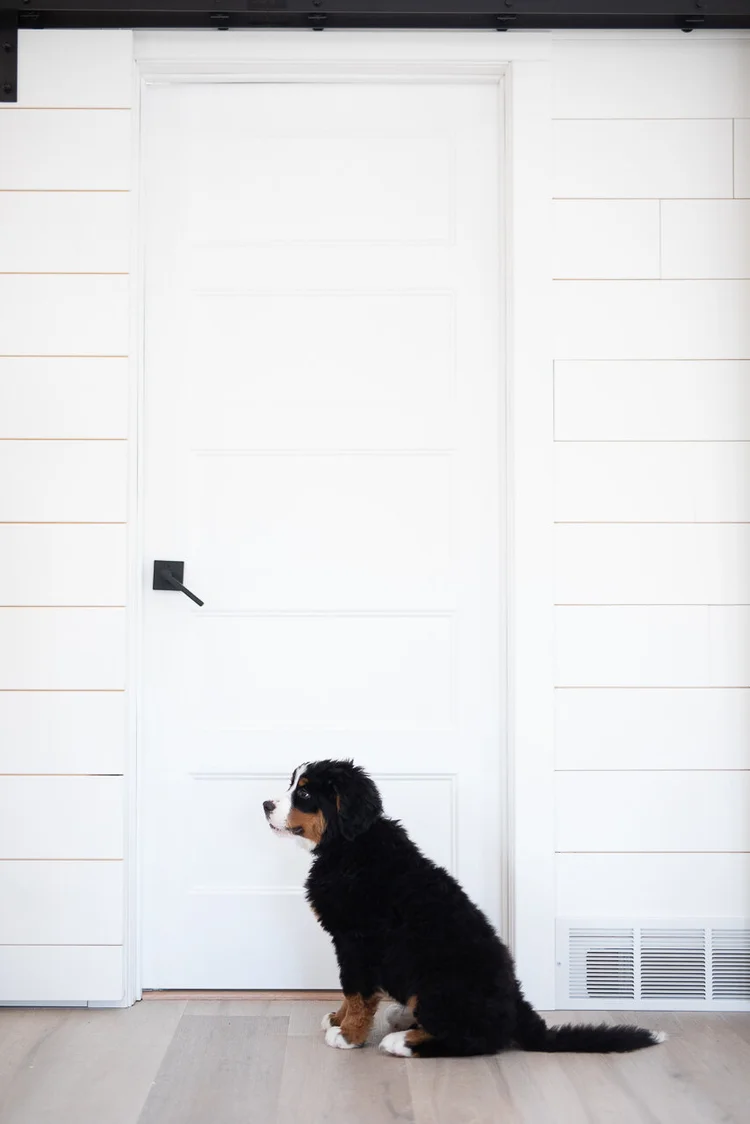
A moderate walk or two, totaling 45 to 90 minutes of exercise, is appropriate for most adult Bernese. They enjoy being outdoors in cooler weather but are not endurance athletes. Between walks, they settle well indoors. Expect them to choose a spot in whatever room you are in and stay there. If you work from home, you will have a 100-pound footwarmer.
Evening
Berners are at their most content in the evening. They will lie at your feet, lean against the couch, or rest near children doing homework. They are calm, quiet, and present. Many Bernese owners describe the evening hours as the best part of owning the breed.
The Realities
Hair is constant. Bernese shed year-round, with two seasonal coat blowouts that produce remarkable volumes of loose fur. Every surface in your home will collect it. If shedding is a dealbreaker for your household, this breed will not work.
Drool is moderate in many Bernese, particularly after drinking or in warm weather. Not all individuals drool heavily, but it is common enough that families should expect it.
Heat sensitivity is real. Bernese were built for cold Alpine conditions. In warm climates, outdoor time must be managed carefully. Air conditioning is not optional during summer months.
Grooming and Coat Care
The Bernese coat is beautiful and demanding. It is a long, thick double coat that requires consistent maintenance to stay healthy and manageable.
Weekly Routine
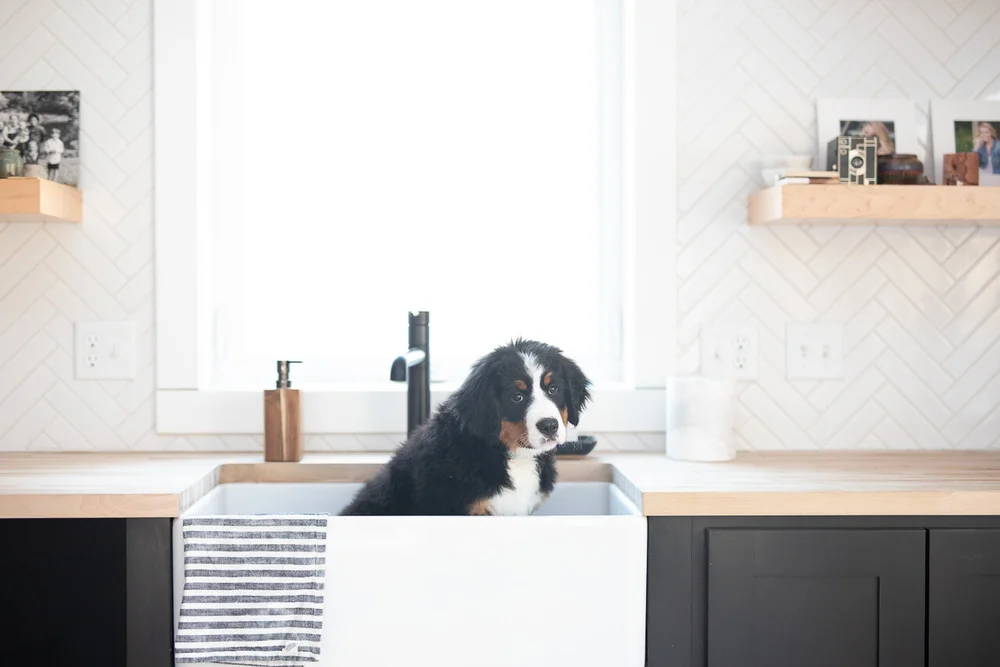
Brush at minimum twice per week using a slicker brush and undercoat rake. This prevents matting in the feathering on the legs, chest, and behind the ears. During coat blowouts (typically spring and fall), daily brushing is necessary. You will fill garbage bags with loose undercoat during these periods.
Bathing
Bathe every 4 to 8 weeks depending on activity level. Overbathing strips natural oils from the double coat and can cause skin dryness. Use a gentle, pH-balanced dog shampoo and ensure the undercoat is thoroughly dried to prevent hot spots.
Additional Care
Trim nails every 2 to 3 weeks. Clean ears weekly, especially after swimming or rain exposure. Check for mats behind the ears, in the armpits, and around the collar area regularly. Many owners invest in a high-velocity dryer, which makes coat maintenance significantly easier and reduces drying time after baths.
| Shedding Level | Heavy, year-round with two seasonal blowouts |
| Brushing | 2-3x weekly minimum; daily during blowouts |
| Bathing | Every 4-8 weeks |
| Professional Grooming | Recommended every 6-8 weeks |
| Coat Type | Long, thick double coat; slight natural wave |
Training and Intelligence
Bernese Mountain Dogs are intelligent, willing learners who respond well to positive reinforcement. They are eager to please and enjoy the mental stimulation that training provides. However, they mature more slowly than many breeds, both physically and mentally, and training expectations should account for that pace.
What Works
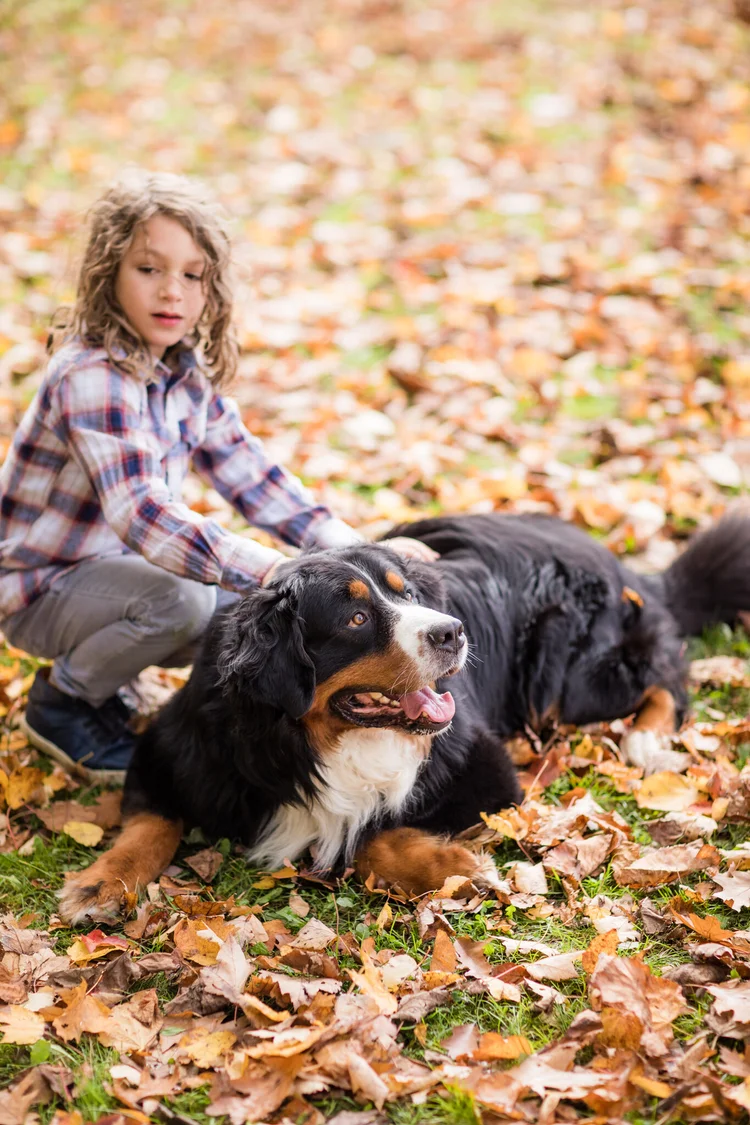
Short, engaging sessions with clear positive reinforcement. Food rewards, praise, and gentle physical affection are all effective motivators. Consistency matters more than intensity. Berners learn through repetition and patience, not pressure.
What Does Not Work
Harsh corrections, raised voices, or punishment-based methods. The Bernese is a sensitive breed. Forceful training damages the bond between dog and owner and can create anxiety or avoidance behaviors that are difficult to reverse. If your training approach requires intimidation, this is not the right breed.
Key Training Priorities
Leash manners are essential because of the breed's size. A 100-pound dog that pulls on leash is physically difficult to manage. Begin loose-leash training early and reinforce it consistently. Basic obedience (sit, down, stay, recall) should start before 12 weeks. Early socialization, especially exposure to different people, environments, surfaces, and sounds, builds the confidence that prevents the shy or reserved tendencies some Bernese develop.
Training considerations: For families seeking the Bernese temperament with an earlier foundation in obedience and socialization, our Doodle School and Bootcamp programs provide structured early training for Bernese-based crosses before they go home.
Is a Bernese Mountain Dog Right for Your Family?
This is a question we ask families regularly, because the Bernese is a breed that inspires deep emotion but also demands specific conditions to thrive. Not every home is the right home for this dog, and knowing that before you commit is more responsible than finding out after.
A Bernese May Be a Strong Fit If You:
- Have a home with space (yard access preferred)
- Are home frequently or have a flexible work schedule
- Live in a cool or temperate climate
- Want a deeply loyal, emotionally present companion
- Are comfortable with heavy shedding
- Can absorb higher-than-average veterinary costs
- Understand and accept the shorter lifespan
A Bernese May Not Be the Right Fit If You:
- Need a low-shedding or allergy-considerate breed
- Live in a hot climate without reliable air conditioning
- Are away from home for extended periods daily
- Want a dog with a 12 to 15-year expected lifespan
- Prefer a high-energy, athletic companion for running or endurance activities
- Have limited budget flexibility for veterinary care
If several of these apply to you, an Aussie Bernedoodle may be worth exploring.
Cost of Owning a Bernese Mountain Dog
Large breeds cost more than small breeds in nearly every category. The Bernese, with its elevated health risks, sits at the upper end of ownership cost among large breeds.
| Category | Estimated Annual Cost | Notes |
|---|---|---|
| Purchase Price | $2,000 - $4,000+ | Health-tested lines from responsible breeders command higher prices |
| Food | $1,200 - $2,000 | Large breed formula; 4-6 cups daily for adults |
| Veterinary Care | $800 - $2,000+ | Routine wellness; cancer screening adds cost in later years |
| Grooming | $500 - $1,200 | Professional grooming every 6-8 weeks plus home maintenance |
| Insurance | $600 - $1,500 | Strongly recommended given cancer and orthopedic risk |
| Supplies & Misc | $400 - $800 | Large-sized beds, crates, leashes, toys |
Over a 7-year lifespan, total ownership costs for a Bernese Mountain Dog typically range from $25,000 to $50,000 or more, depending on health outcomes. Cancer treatment alone can exceed $10,000 per diagnosis. Families should budget conservatively and consider pet insurance early, as most policies exclude pre-existing conditions.
The Bernese Lifecycle: What to Expect at Each Stage
Understanding how a Bernese changes over its life helps families prepare for each phase rather than being surprised by it.
Puppy (0 - 12 Months)
Rapid growth period. Bernese puppies are clumsy, affectionate, and need carefully managed exercise to protect developing joints. Avoid stairs, jumping, and high-impact play. Socialization during this window shapes the adult dog. Expect house training to take longer than average, as Bernese puppies may not achieve full bladder control until 6 months.
Adolescent (1 - 2 Years)
Slow physical and mental maturation. Many Bernese are not fully mature until age 2 or later. This is a testing period where basic manners need reinforcement. The dog's full adult size arrives before its adult temperament. Patience is essential.
Adult (2 - 5 Years)
The prime years. Temperament stabilizes, physical condition peaks, and the dog settles into its role as a calm, devoted companion. Routine health screening should begin in earnest. Enjoy this period, as it represents the most predictable and rewarding phase of Bernese ownership.
Senior (5+ Years)
Given the breed's shorter lifespan, age-related changes can appear earlier than expected. Watch for mobility decline, weight management challenges, and early signs of cancer (lumps, lethargy, appetite changes, unexplained pain). Semi-annual veterinary exams become important. This phase is often shorter than owners anticipate, and it arrives sooner than they are ready for.
Bernese Mountain Dog vs. Bernese-Based Crosses
Many families begin their search with the Bernese Mountain Dog and arrive at Bernese-based crosses after researching the breed's health profile. Understanding the differences helps families make an informed decision about which path best serves their household.
| Trait | Bernese Mountain Dog | Bernedoodle | Australian Mountain Doodle |
|---|---|---|---|
| Avg Lifespan | 6 - 8 years | 12 - 15+ years | 12 - 15+ years |
| Cancer Risk | High (67% mortality) | Reduced via outcross | Reduced via outcross |
| Shedding | Heavy, year-round | Low to moderate (coat-dependent) | Low to moderate (coat-dependent) |
| Temperament | Calm, loyal, gentle | Calm, loyal, playful | Calm, intelligent, versatile |
| Trainability | Moderate to high | High (Poodle influence) | Very high (Aussie + Poodle) |
| Size Range | 70 - 115 lbs | 15 - 115 lbs (varies by generation) | 15 - 51 lbs (varies by generation) |
| Allergy Consideration | Not suitable | May be suitable (furnished coat) | May be suitable (furnished coat) |
| Genetic Diversity | Low (closed stud book) | Higher (F1 outcross) | Highest (three-breed cross) |
Why Families Make the Shift
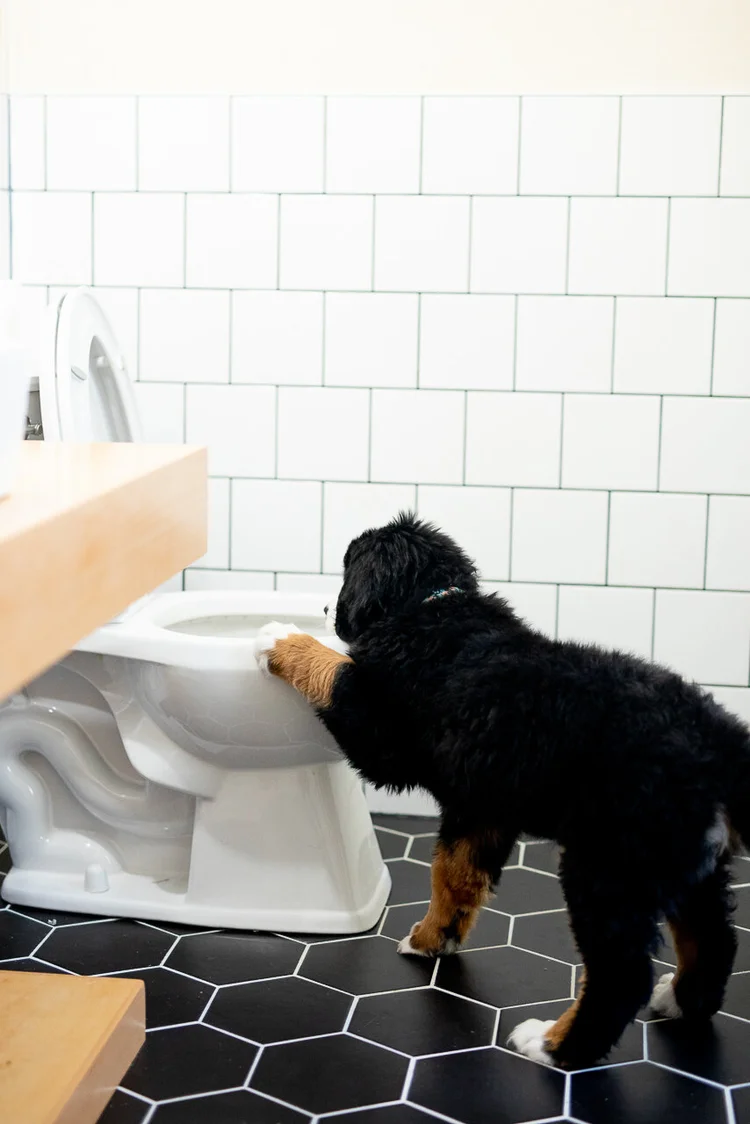
The conversation is rarely about replacing the Bernese. It is about preserving what makes the breed extraordinary while addressing the challenges that a closed gene pool cannot solve from within.
Bernese-based crosses, when bred intentionally, retain the calm temperament, the loyalty, the emotional intuition, and the family orientation that define the Bernese. What they gain through outcrossing is genetic diversity, which correlates with improved longevity, reduced cancer incidence, and more predictable health outcomes across a population.
For families who want the Bernese heart in a body built for a longer life together, intentional crosses represent a thoughtful path forward.
Bernese Mountain Dog Puppy Buying Guide
If you have weighed the health realities and decided the Bernese Mountain Dog is the right breed for your family, choosing a responsible breeder is the most important decision you will make.
What to Look For
- OFA or PennHIP certification for hips and elbows on both parents
- Cardiac evaluation by a board-certified veterinary cardiologist
- Ophthalmologist (CAER) exam within the last 12 months
- DNA panel including DM (degenerative myelopathy) and vWD (Von Willebrand)
- Transparent health history on previous litters, including cause of death for related dogs
- A clear health guarantee with defined terms
- Willingness to discuss the breed's cancer risk openly
What to Avoid
- Breeders who minimize or dismiss cancer risk in the breed
- No health testing documentation provided
- Multiple litters available simultaneously with no waitlist
- Puppies priced significantly below market without explanation
- No questions asked about your home, family, or experience
- Pressure to decide quickly or "hold a spot" with payment before you are ready
A responsible Bernese breeder will be transparent about the breed's limitations as readily as they celebrate its strengths. If a breeder only tells you the good news, they are not giving you the full picture.
Frequently Asked Questions
The average lifespan of a Bernese Mountain Dog is 6 to 8 years. Some individuals reach 10 years, but this is uncommon. The breed's shorter lifespan is driven primarily by high cancer rates, particularly histiocytic sarcoma, which affects approximately 25% of the population. Responsible breeding practices and routine veterinary care can support longevity, but the breed's genetic predisposition to cancer remains a significant factor.
Yes. Bernese Mountain Dogs are generally patient, gentle, and protective with children. Their calm temperament and tolerance make them well-suited for family life. As with any large breed, supervision is important during interactions with young children, primarily because of the dog's size rather than any temperament concern. Early socialization helps Bernese develop confidence around the activity levels that come with children in the home.
Yes. Bernese Mountain Dogs are heavy shedders year-round, with two seasonal coat blowouts (typically spring and fall) that produce substantial amounts of loose fur. Regular brushing, at minimum twice weekly, is required. During blowout periods, daily brushing is necessary. Families with allergies or strong preferences for a clean home should consider this carefully before committing to the breed.
No. The Bernese Mountain Dog is not an aggressive breed. They are characteristically gentle, calm, and people-oriented. Some Bernese can be reserved or cautious around strangers, which is sometimes mistaken for unfriendliness, but this is more accurately described as discernment. Early and consistent socialization during puppyhood helps develop confidence and prevents excessive shyness.
Bernese Mountain Dogs can live in warmer regions, but they are not well-suited to heat. Their thick double coat and large body mass make them susceptible to heat stress and overheating. In warm climates, air conditioning is essential, outdoor time must be limited to cooler parts of the day, and access to shade and fresh water is critical. Families in southern states should carefully consider whether this breed's climate needs are compatible with their environment.
Adult Bernese Mountain Dogs need approximately 45 to 90 minutes of moderate exercise per day, typically split between two walks. They enjoy outdoor time but are not high-endurance dogs. Puppies require more carefully managed exercise to protect developing joints. Avoid high-impact activities like jumping, running on hard surfaces, or excessive stair climbing until skeletal maturity, which occurs around 18 to 24 months. Mental stimulation through training, puzzle toys, and social interaction is equally important.
A Bernese Mountain Dog is a purebred working breed from Switzerland with a long tri-color coat, a 6 to 8 year average lifespan, and heavy shedding. A Bernedoodle is a cross between a Bernese Mountain Dog and a Poodle, combining the Bernese temperament with improved genetic diversity, reduced shedding (in furnished coat varieties), and a longer expected lifespan of 12 to 15+ years. Bernedoodles are available in a wider range of sizes depending on the Poodle parent used.
An Australian Mountain Doodle is a three-breed cross combining the Bernese Mountain Dog, Australian Shepherd, and Poodle. It preserves the Bernese's calm loyalty while adding the Australian Shepherd's intelligence and trainability and the Poodle's coat versatility and longevity. The three-breed cross provides the highest level of genetic diversity among Bernese-based crosses, which correlates with improved health outcomes and more predictable temperaments.
The Bernese Mountain Dog's shorter lifespan is primarily a consequence of population genetics. The breed was established in the United States from a small number of founding dogs, and "popular sire" effects have further concentrated the gene pool over generations. This genetic bottleneck has resulted in elevated cancer rates, particularly histiocytic sarcoma, which accounts for approximately 67% of Bernese deaths. Unlike health issues that can be screened out of individual litters, this susceptibility is embedded in the breed's overall genetic architecture.
The answer depends on your family's priorities. If you value breed purity, are comfortable with heavy shedding, and have made peace with the shorter lifespan and elevated health risks, a Bernese Mountain Dog from a responsible breeder can be a wonderful companion. If you want the Bernese temperament with improved longevity, reduced shedding, and greater genetic diversity, a Bernedoodle, Australian Mountain Doodle or Bernaussie from an intentional breeding program may better serve your family's long-term goals. Neither choice is wrong. The right choice is the informed one.
Exploring Your Options?
Whether you are set on a Bernese Mountain Dog or considering a Bernese-based cross, we are happy to help you think through the decision. No pressure, no timeline. Just an honest conversation about what will work best for your family.
Begin Your Journey View Available Litters