Stokeshire Heritage Family
Stokeshire Designer Doodles

A quiet devotion to Our
Heritage

Stokeshire exists to restore intention to modern dog ownership.

Est.
Stokeshire Heritage

In a world that favors
speed and volume,
we chose another path.

Shaped by patience, stewardship,
and long-term thinking.
Not because it is easier —
but because it is worth protecting.

This is not a trend. It is a standard.

There was a time when animals walked beside families not as accessories, but as partners — steady, loyal, and integral to daily life. Today, that role belongs to dogs.

We believe dogs are not disposable, interchangeable, or ornamental. They are companions meant to anchor families, shape rhythms, and remain present through seasons of change.

To treat them otherwise is to misunderstand their purpose.
Stokeshire Heritage — Stokes History
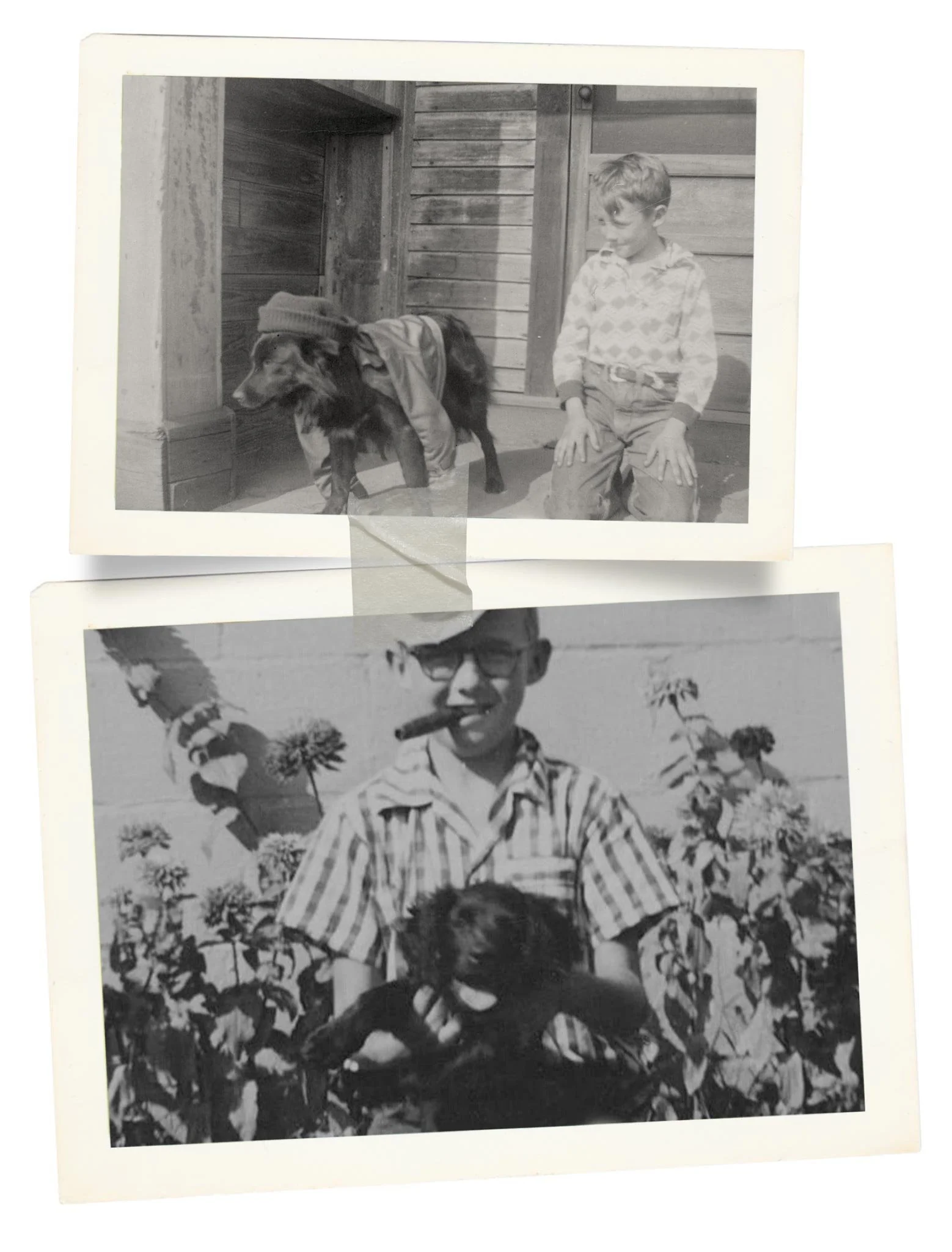
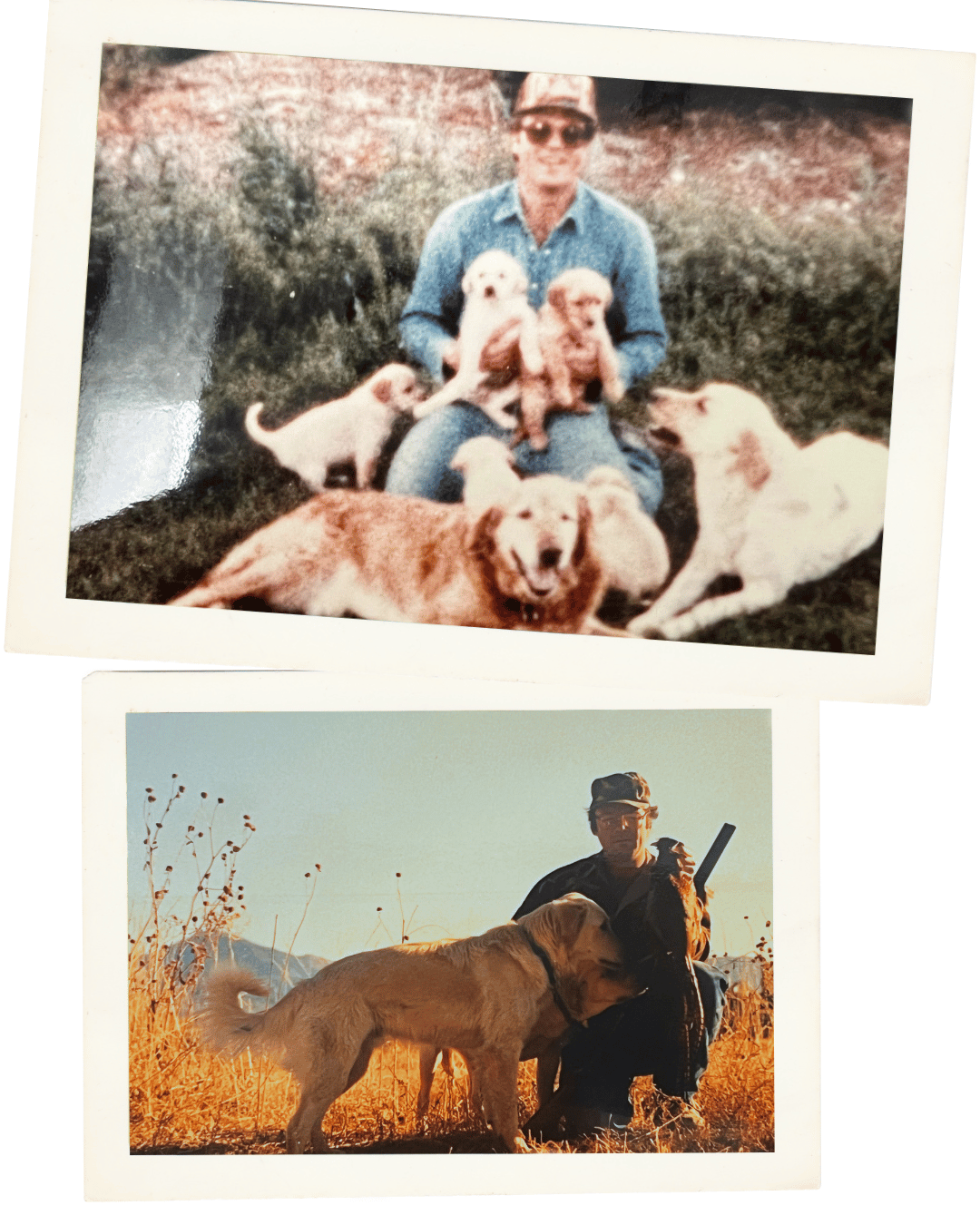
From the Stokeshire family archive
Chapter I

Heritage Is
Not Age

It is continuity.
Heritage does not require centuries. It requires consistency.

Stokeshire was built on the belief that what matters most is not how quickly something is produced, but how carefully it is sustained.

True heritage is created when decisions are made with the future in mind — long after the moment of purchase has passed.

What we are building is meant to last beyond us.

Before the dogs,
there were horses.

Six generations back, the same question was being asked of a different animal: will it hold up, years from now, in someone else's hands?

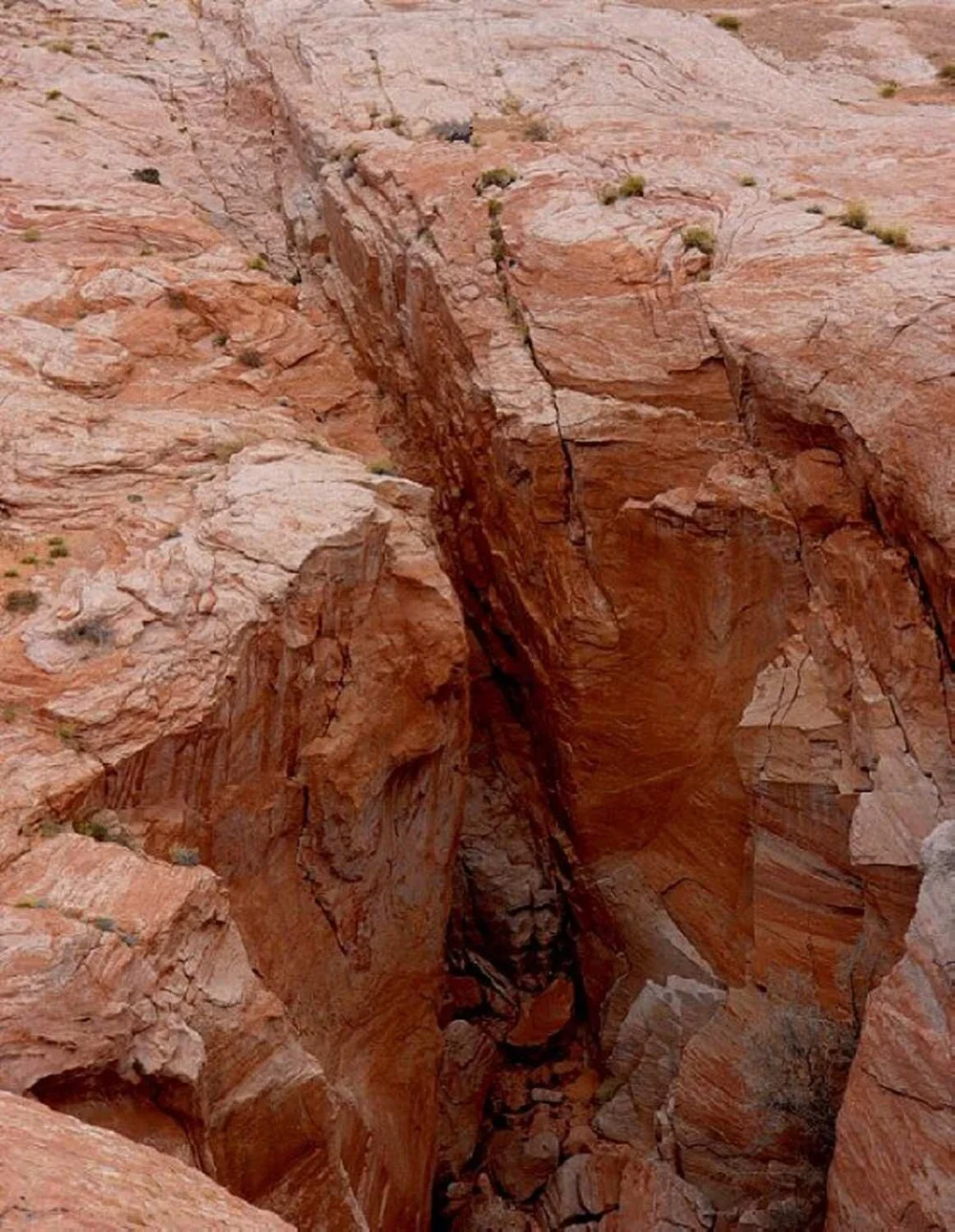
The Hole-in-the-Rock crevice above the Colorado River, Utah
The Hole-in-the-Rock — the passage the family took to San Juan, winter of 1879
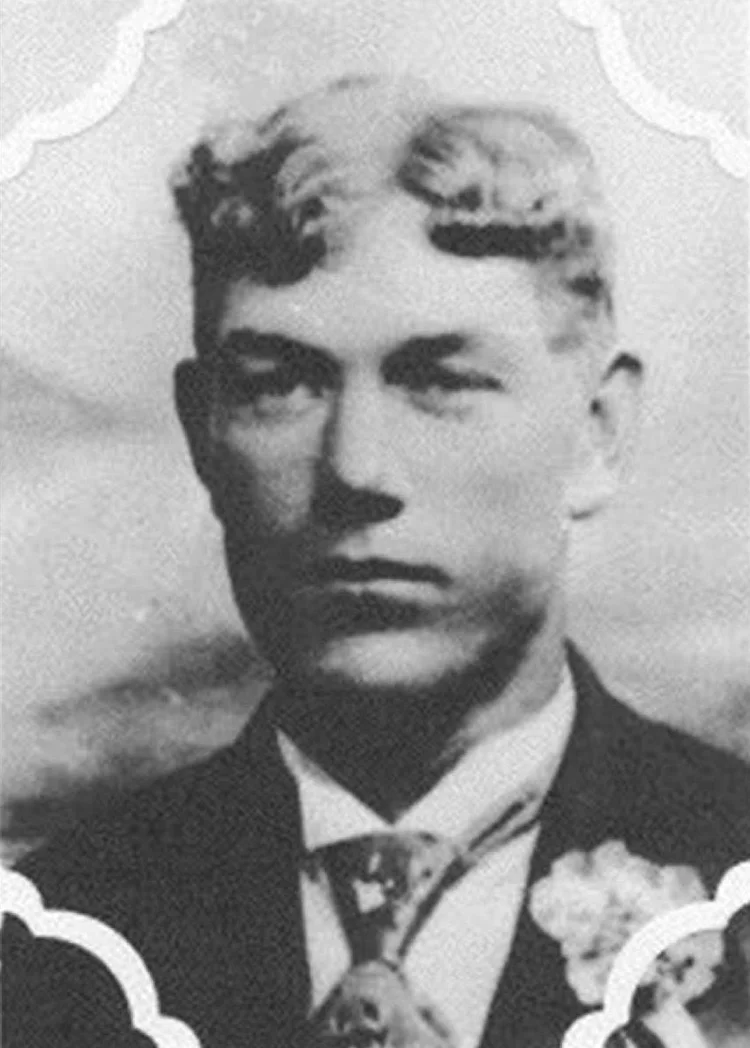
Thomas Peter McElprang as a young man
Thomas Peter “Pete” McElprang, 1880–1951

It was not a road. They cut and blasted a crack in the cliff wide enough for a wagon, and lowered the wagons through on ropes.

In the winter of 1879, Samuel William Mackelprang and his wife Adelia went through that passage with five children and a sixth on the way. A journey planned for six weeks took six months.

Their son Thomas Peter was born the following June at Bluff, in a wagon box set on the ground.

His father died when he was nine, leaving his mother with ten children. The family kept the story of the year he understood it — a community Christmas tree, the gifts handed out, and the look on his mother’s face as she watched. He went to the sheep camps that season, the youngest hand they had taken on, and sent his wages home.

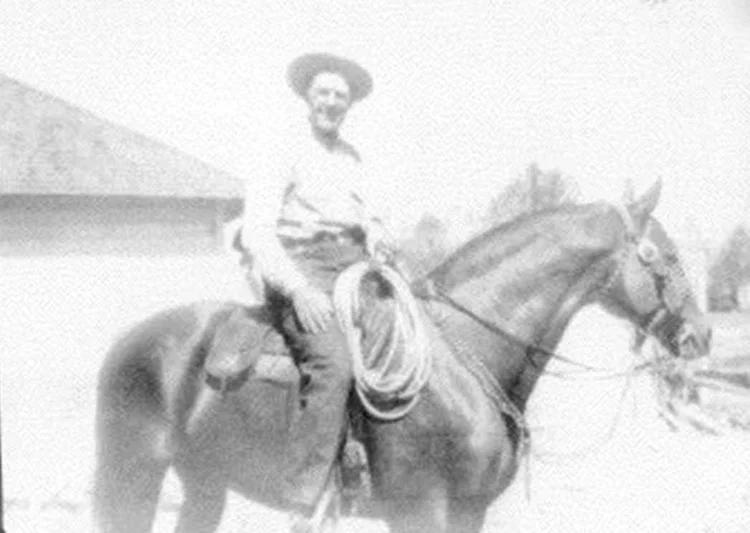
Pete McElprang mounted on a stud horse
Pete on a stud horse — Huntington, Utah

What he had was an eye for horses.

He traded them, bred them, and kept teams that won pulling contests across the county. The family remembers that he raised remount horses for the United States Army — stock bred to a standard in which temperament, soundness and stamina decided whether a man came home.

One of them, they say, was chosen as an officer’s mount.

He was quite a horseman. Traded horses. Had a lot of good pulling horses. His grandson, recorded by the Emery County Archives, 1999
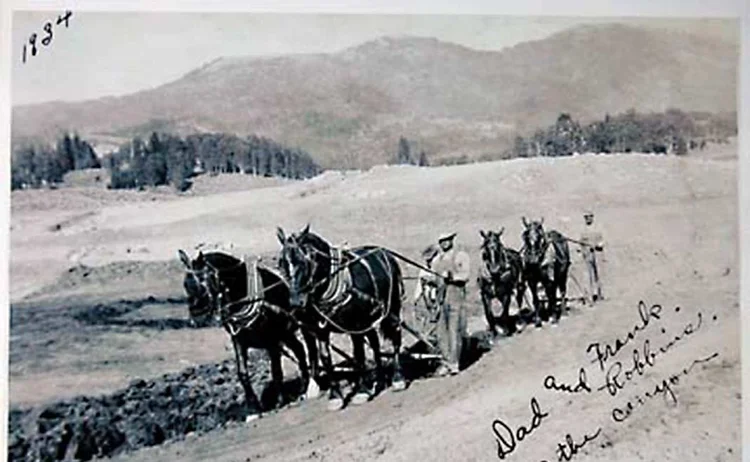
Pete McElprang driving the rear team in Huntington Canyon, 1934
“Dad and Frank Robbins in the canyon” — 1934, in his daughter Della’s hand

In 1934 his daughter wrote across a photograph: Dad and Frank Robbins in the canyon.

He is driving the rear team. They were building a reservoir above Huntington that still holds water today.

He died in 1951, one of the most influential cattlemen in the county. A canyon above Huntington carries his name. There is a sign.

Born at Rødby in Denmark and brought to Utah as a boy of six, he trained as a carpenter and made furniture by hand. In 1879 he took his family through the Hole-in-the-Rock to the San Juan country, and five years later brought them north to Huntington.

He died at thirty-nine, leaving ten children.

Widowed at thirty-six with ten children, she never remarried and raised them where the house stood. Her grandchildren remembered her walking the town most weeks to call on each of her children in turn.

“Genuine as homemade soap.”

Born at Bluff in a wagon box. Horseman, farmer and stockman; keeper of pulling teams; by the end of his life president of the county Cattlemen’s Association. A canyon above Huntington still carries his name.

The family holds that he bred remount horses for the Army, and that one was chosen as an officer’s mount — an animal picked for temperament and soundness above all else.

Worked the mines and farmed at home, building a herd of Hereford cattle and buying water shares and land whenever they came available. He worked a horse team alongside his father on the canyon reservoir.

“He loved to take his family on the mountain in the summertime, where they could feel happy and free.”

The keeper of the record. The photographs, the names and the stories on this page reached us because she held on to them and passed them down.

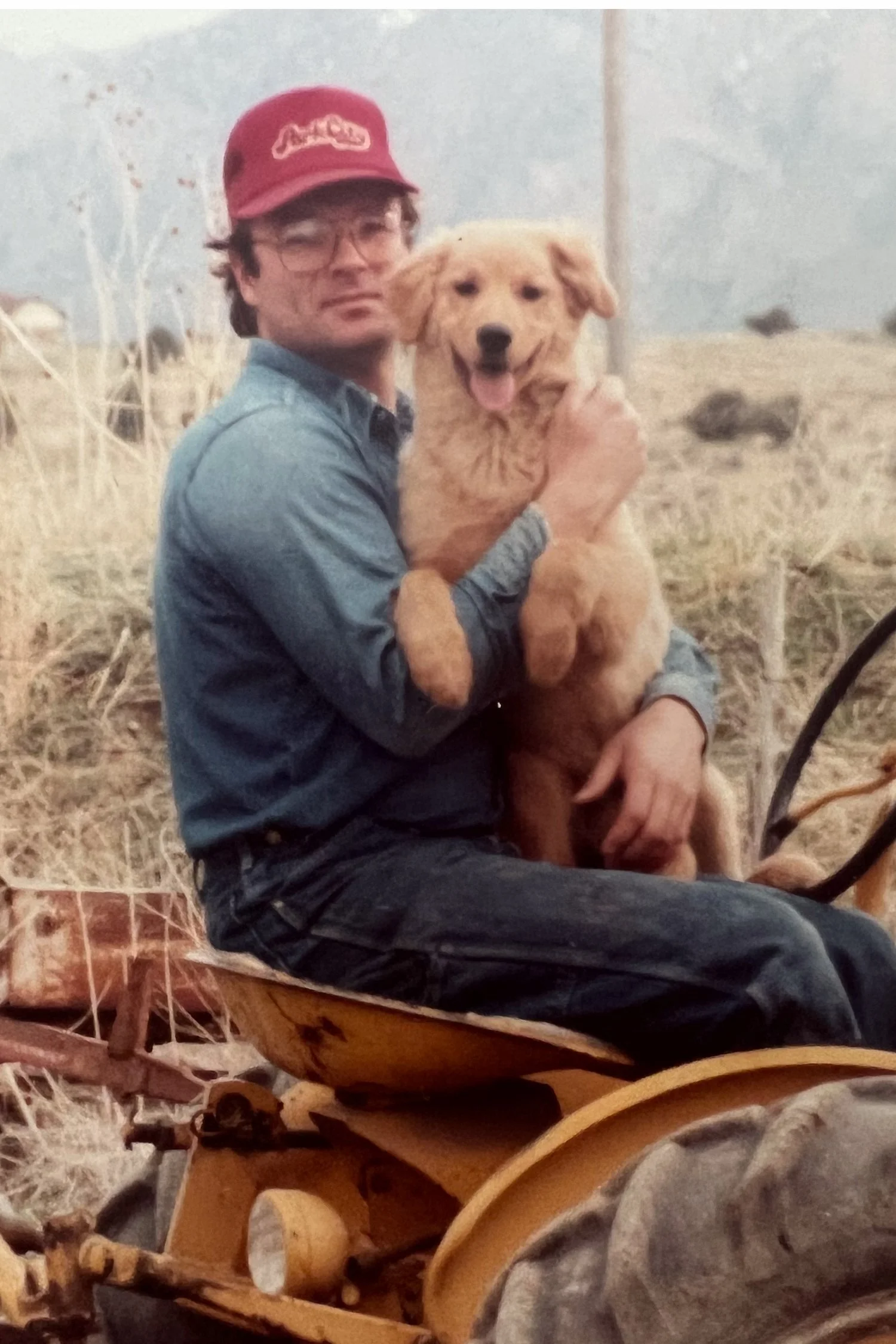
Named for his grandfather. A life lived with intention — and the reason the standard on this page is written down rather than assumed.

The remount standard was never about appearance. A horse was chosen for soundness, for steadiness under pressure, and for the temperament to be dependable when it counted. The breeder’s work was judged years later, in someone else’s hands.

We are not breeding horses.

But the test has not changed. Select for what holds up after the sale — and accept that the verdict arrives long after you do.

Elven R. Stokes
Elven R. Stokes — a life lived with intention
Chapter II

Stewardship
Over Production

We do not measure success by volume.
We limit our breeding intentionally, respecting biological rhythms, emotional well-being, and the capacity required to raise dogs correctly.

Each pairing is considered. Each litter is purposeful. Each placement is deliberate.

Scarcity is not a strategy here.

It is the natural outcome of responsibility.

"

A quiet devotion to raising companions with care, balance, and intention.

The Stokeshire Standard

Health, temperament, and longevity
do not happen by accident.

I

On Quality,
Not Status

The quiet confidence of knowing something was done properly.

Luxury is not excess, novelty, or display. We choose materials, practices, and standards that endure — not because they impress, but because they protect what matters most: the dog, the family, and the life they share.

II

Sustainability
Through Longevity

A well-raised dog does not need replacing.

Longevity is sustainability. Health is sustainability. Temperament is sustainability. By prioritizing dogs that thrive for years — not months — we reduce harm, prevent heartbreak, and honor the responsibility of the life we bring into the world.

III

Selectivity
as Care

Not every family is right for every dog.

We believe placement matters as much as breeding. Saying no is sometimes the most responsible choice we can make — for the dog and for the family alike. Careful matching is not exclusive. It is respect.

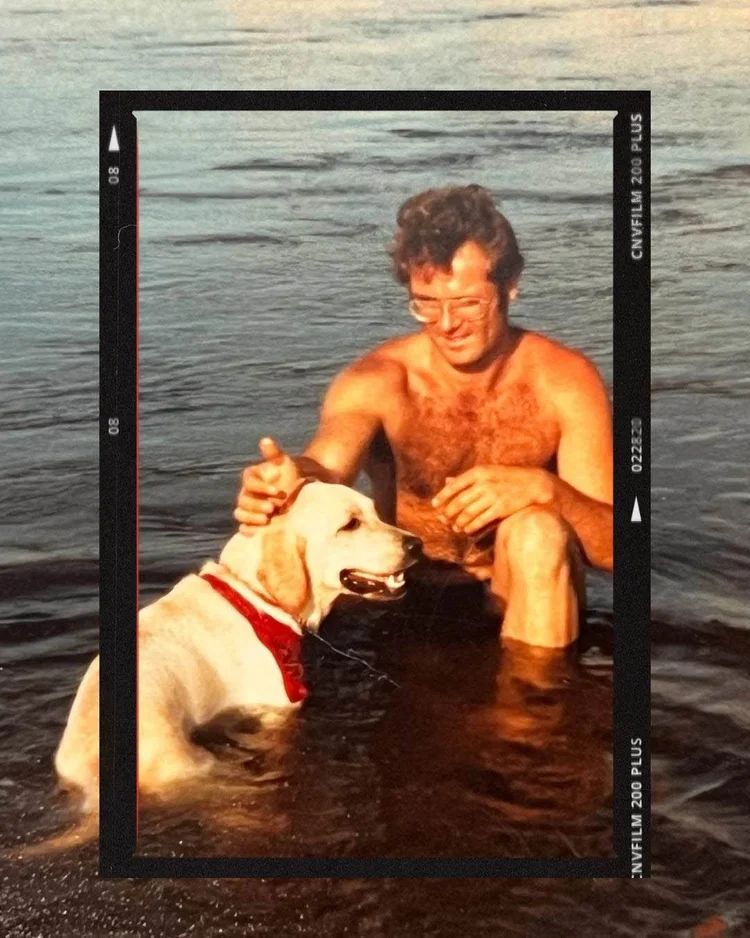
Elven Stokes — a life remembered
From the Archive · A Life Well Lived

Walking With
Intention

Stokeshire is not a destination. It is a way of moving through the world.

For those who believe that quality is worth waiting for. For those who value steadiness over spectacle. For those who understand that the best companions are chosen — not acquired.

This is our heritage. And we carry it forward with care.

Where It All Converges

Not a
trend.
A standard.

We do not rush this process. We do not outsource it. We do not compromise it.

Health testing. Genetic diversity. Structural soundness. Temperament stability. Environmental adaptability.

These are not marketing terms. They are acts of stewardship for futures we may never fully see.

The dogs we raise today will shape homes for the next decade.
That future matters more than the next quarter.
Begin the Conversation

For families who understand that the best companions are chosen — not acquired.

Read the Stokeshire Philosophy