
Top Mistakes That Sabotage Your Puppy’s Health Without You Knowing It
Few things in life are as rewarding as bringing a puppy into your home. Their boundless energy, curious nature, and unconditional love make every day brighter. At Stokeshire, we understand how much you care about your furry companion and the effort you put into giving them the best life possible. But sometimes, even with the best intentions, small, overlooked mistakes can quietly impact your puppy’s health. In this article, we’ll uncover these common pitfalls and share how you can take proactive steps to ensure your puppy thrives.
Poor Food Choices for Growing Puppies
Puppies in their growth phase have distinct dietary needs that differ greatly from adult dogs. Feeding adult dog food or human scraps can lead to serious health issues due to inadequate protein, fat, and essential nutrients.
Human foods also risk toxicity and may cause obesity, digestive problems, or deficiencies that are harmful to a puppy’s development. Low-quality or unbalanced diets cause deficiencies; sugary, additive-laden treats trigger obesity and behavior problems.
The American Kennel Club states that puppies need more calories and higher levels of protein and nutrients than adult dogs. Environmental factors also affect their calorie needs. For instance, dogs exposed to extreme cold may burn 10% to 90% more energy to stay warm compared to indoor or temperate dogs.
Missed Veterinary Checkups
Regular checkups are vital for monitoring development, detecting congenital issues, and protecting against infectious diseases like parvovirus and distemper. Puppies also need deworming, flea and tick prevention, and oral health assessments as they grow. Many pet parents assume their pup is healthy if they seem active, but early-stage illnesses often show no outward symptoms.
Young dogs should have a vet visit at around 3 weeks for a physical exam and parasite test. Puppies typically start their vaccination series when they are between 6 and 8 weeks old. Depending on the start time and risk level, vaccines are typically administered every three to four weeks to ensure proper protection.
Harmful Chemicals Inside the Home
Common items like floor cleaners, air fresheners, laundry detergents, and some essential oils can be hazardous if inhaled or ingested. Puppies, who explore with their mouths, are especially at risk from these substances. Even houseplants like lilies or pothos can be toxic. Exposure may cause anything from mild stomach upset to seizures or organ damage.
Over 451,000 cases involving pets exposed to toxins were managed by the ASPCA Animal Poison Control Center during 2024. Most incidents involved everyday household items like chocolates, cleaners, or pest control products. This was an increase of nearly 4% from the previous year and points to rising risks found inside the home.
Hidden Dangers in the Yard or Water
Backyards and outdoor spaces may seem safe, but they can expose puppies to hidden environmental hazards. Lawn treatments like pesticides or fertilizers can irritate your puppy’s skin or cause illness if ingested. Even more concerning is the risk posed by contaminated water sources such as puddles or garden hoses.
In some areas, PFAS, harmful “forever chemicals” used in industrial products, have been detected in soil and water. According to TorHoerman Law, exposure to PFAS-contaminated water can lead to serious health issues. These may include thyroid disease, immune dysfunction, and an increased risk of cancer.
The recent PFAS lawsuit update highlights growing legal action tied to these contaminants, especially in water-contaminated areas near military bases. Their undeveloped systems make puppies particularly prone to harm. Using filtered water and avoiding chemically treated lawns can offer added protection for your dog’s health.
Unsafe Spaces for Exploration
Puppies are naturally curious and eager to explore their surroundings. Without proper supervision or a safe environment, this curiosity can quickly lead to accidents or health issues. Hazards like unfenced yards, cluttered garages, open staircases, or balconies can expose them to falls, sharp objects, toxins, or even escape risks.
Puppies may also chew on electrical cords, ingest small objects, or access areas with rodent bait or antifreeze. Many pet parents underestimate just how resourceful and quick their puppies can be. Ensuring your home and yard are securely puppy-proofed is essential to avoid accidents and make their exploration safe and rewarding.
Lack of Early Social Exposure
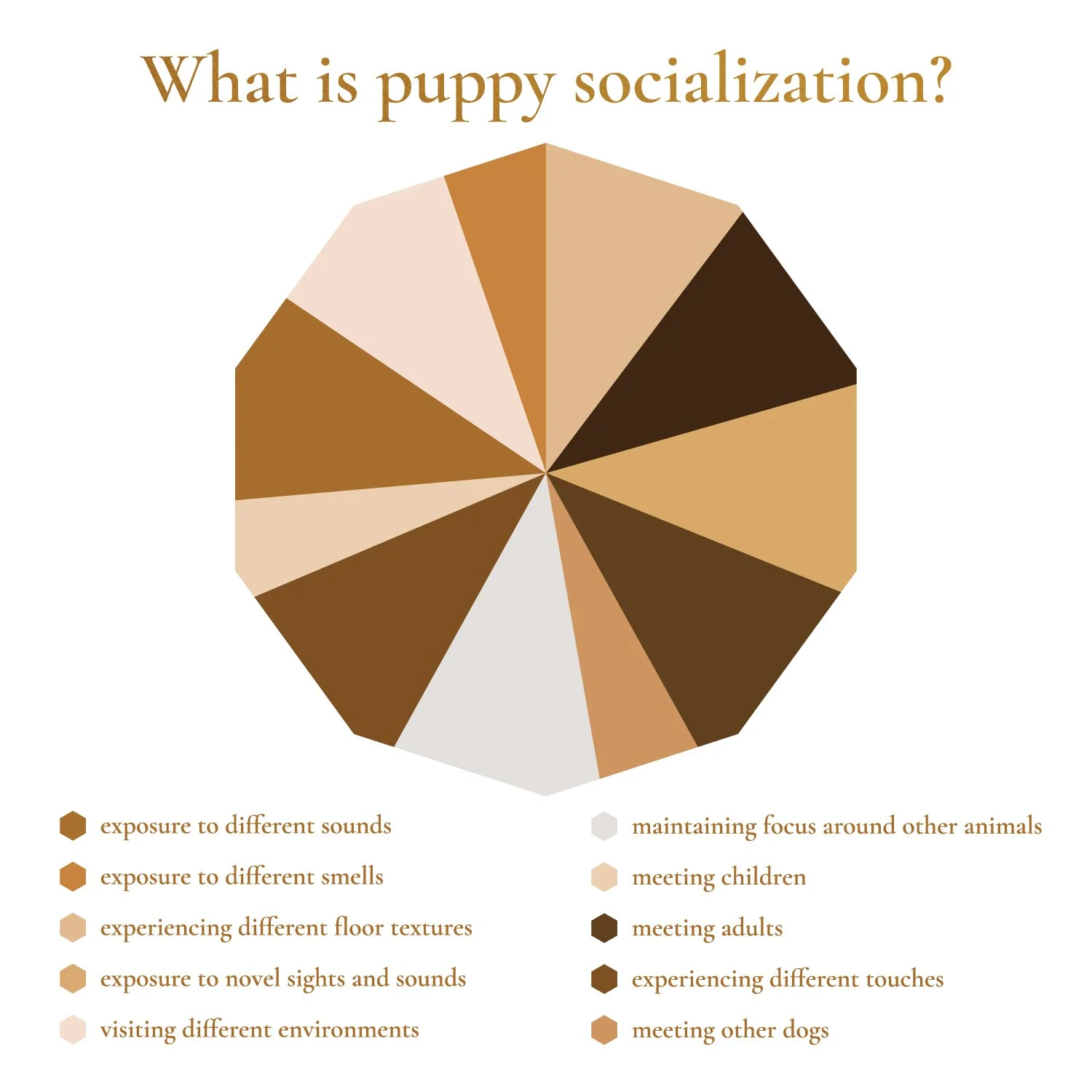
Failing to properly socialize your puppy during their early development can result in lasting behavioral issues. Some owners avoid outings due to illness concerns, yet safe, vet-approved introductions like short walks or playdates build confidence. Puppies exposed early to varied experiences are more likely to become friendly, adaptable adult dogs that handle daily stress with ease.
A National Institute of Health study found that early socialization and timely adoption are vital for canine behavior and well-being. Behavioral issues like fear, aggression, and separation anxiety often result in abandonment. The socialization period between 3 and 12 weeks is critical for helping puppies adapt and form healthy bonds.
Frequently Asked Questions
How can I tell if my puppy is healthy?
A healthy puppy is energetic, playful, and alert, with a shiny coat, clear eyes, and a moist nose. Regular eating, normal stools, steady growth, and clean ears also indicate good health. Any signs of lethargy or vomiting require prompt veterinary attention.
What should I include in a basic puppy care routine?
A basic puppy care routine includes nutritious food, clean water, vet visits, vaccinations, and parasite control. Daily exercise and consistent training are equally important. Grooming and regular social interaction help ensure healthy development and encourage good behavior from the beginning.
What vaccinations are essential for puppies?
Core puppy vaccinations include distemper, parvovirus, adenovirus, and rabies, which guard against deadly diseases. These vaccines are essential for every puppy’s health. Depending on regional risks and your puppy’s lifestyle, non-core vaccines like Bordetella, Lyme disease, and leptospirosis might be advised.
Ensure Your Puppy Thrives From Day One
At Stokeshire, we believe that every puppy deserves a healthy, happy start in life—and it all begins with informed, mindful care. By avoiding these common mistakes, you’re not just protecting your puppy’s health; you’re building a foundation for a lifetime of joy and companionship. From choosing the right food to creating a safe environment and prioritizing early socialization, every small effort you make today will pay off in tail wags, wet-nosed kisses, and cherished memories. Here’s to raising a Stokeshire-approved, happy, and healthy pup!