Discover Trained Australian Mountain Doodle Puppies from Stokeshire Designer Doodles
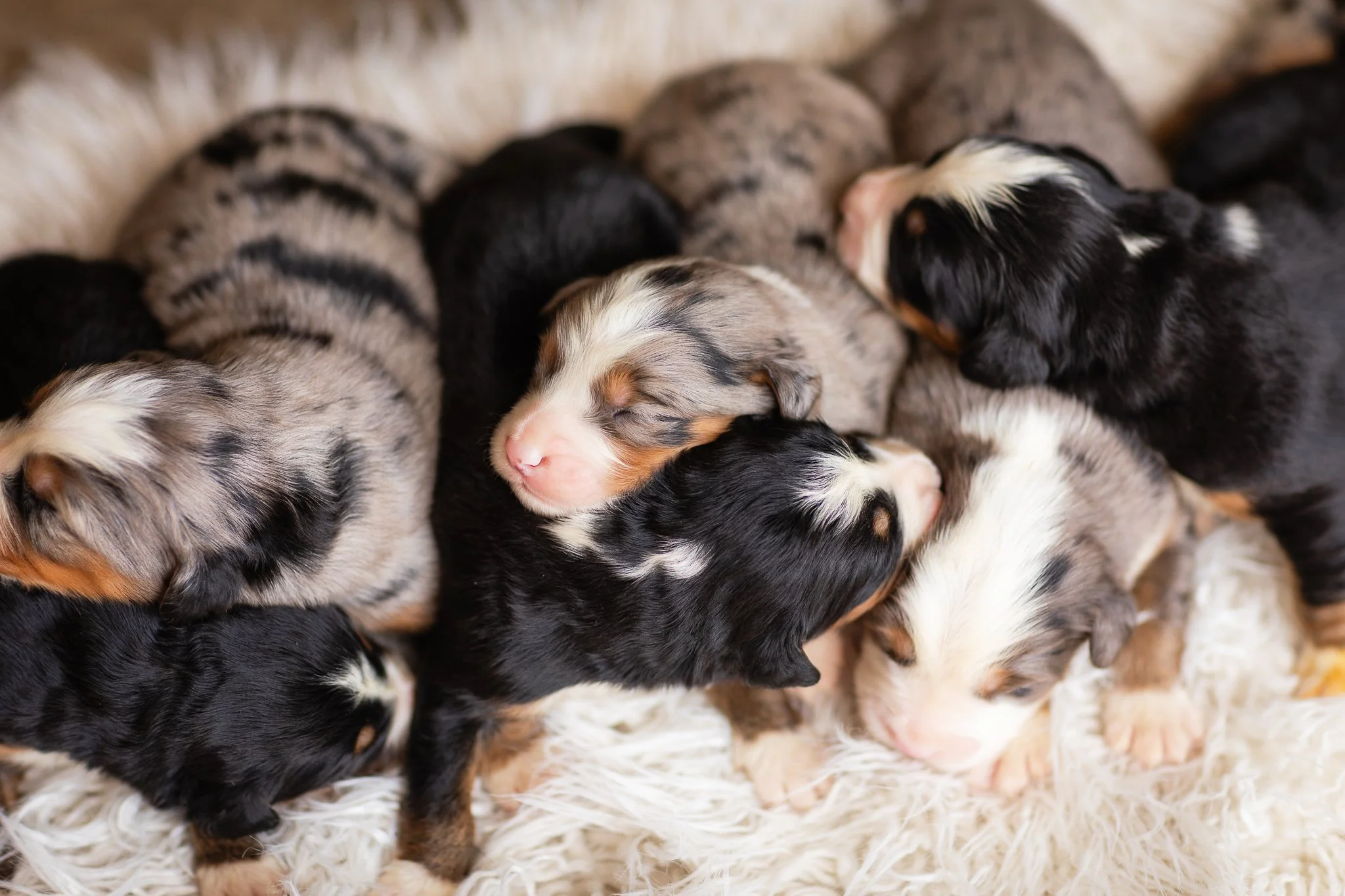
Are you considering welcoming a furry friend into your life? Meet the Australian Mountain Doodle (AMD), a unique blend of the Australian Shepherd, Bernese Mountain Dog, and Poodle. Known for their intelligence, affectionate nature, and versatility, these puppies are an ideal choice for families and individuals alike. At Stokeshire Designer Doodles, we specialize in raising therapy-grade Australian Mountain Doodles, Bernedoodles, and Goldendoodles, and we pride ourselves on offering trained puppies that are ready to seamlessly integrate into your home.
Top Midwest Breeder of Australian Mountain Doodles
Stokeshire Designer Doodles is proud to be recognized as a top Midwest breeder specializing in high-quality Australian Mountain Doodles and other designer breeds. Our dedication to ethical breeding practices and our commitment to excellence ensures that you receive a well-bred, healthy puppy with the perfect temperament for your family.
Based in the heart of Wisconsin, our breeding program focuses on producing therapy-grade dogs that are well-mannered, healthy, and happy. We carefully select our breeding pairs and provide meticulous care to each puppy, ensuring they grow into loving and loyal family members. At Stokeshire, we are not just breeders; we are passionate dog lovers committed to enhancing the human-canine bond.
Compassionate Training and Comprehensive Care
Our approach goes beyond traditional breeding, prioritizing each puppy’s development in a nurturing environment where they can thrive. Through our comprehensive training programs, including Stokeshire Doodle School and Bootcamp, we prepare our puppies for the diverse challenges of family life, setting them up for success with a strong foundation in obedience, socialization, and essential life skills.
The Importance of Therapy-Grade Dogs for Families
Therapy-grade dogs like our Australian Mountain Doodles play a vital role in enhancing the emotional and psychological well-being of their human companions. These dogs are not only trained to be obedient but also nurtured to be empathetic and responsive to human emotions. Their calming presence offers comfort, companionship, and unconditional support, making them perfect additions to families and individuals facing mental health challenges.
4-Week Training Program for Australian Mountain Doodles
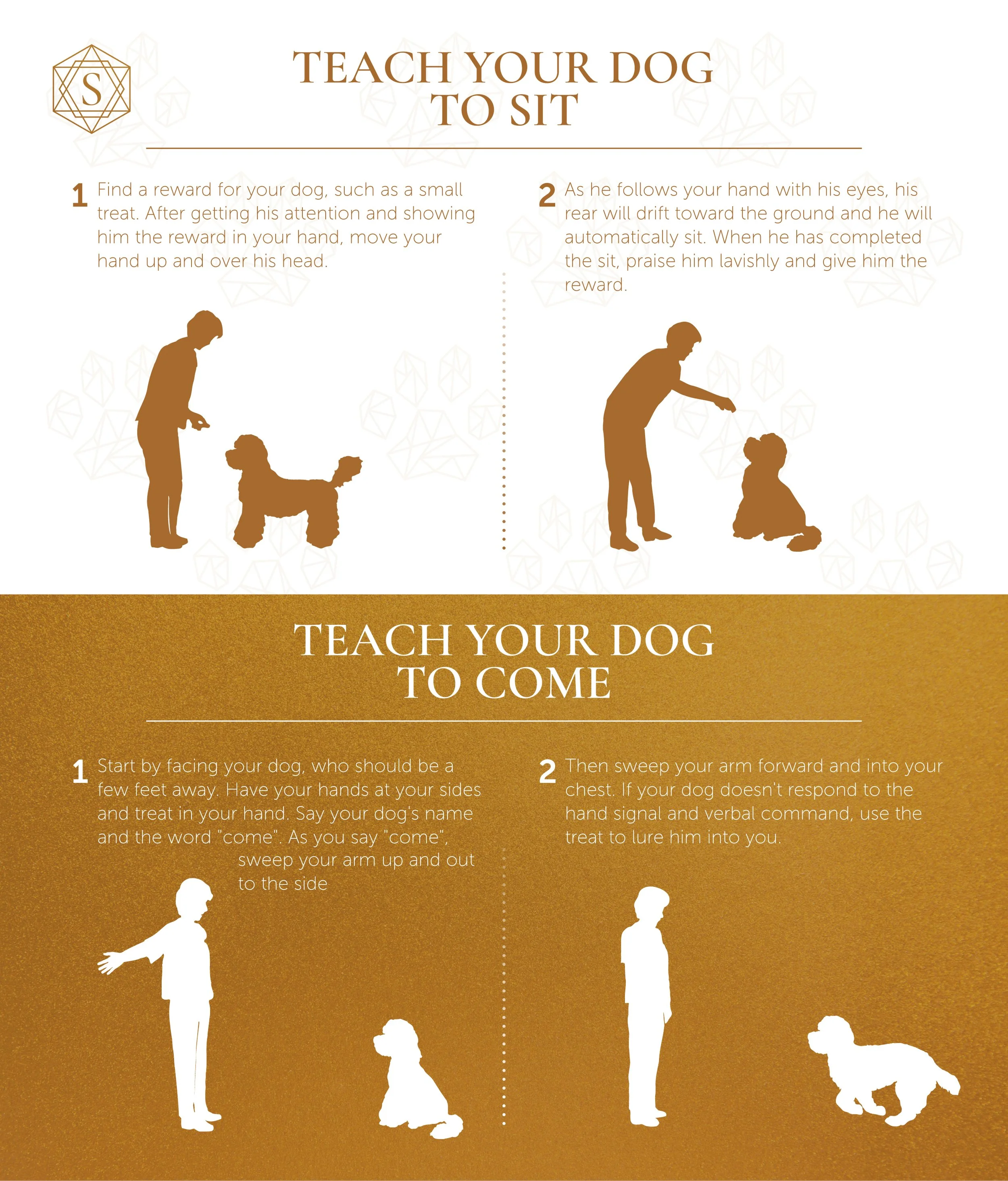
We understand the importance of early training, which is why our 4-week training program gives each puppy a solid foundation in essential skills like socialization, basic commands, and crate training. Perfect for new puppy owners, our program ensures that your Australian Mountain Doodle is well-prepared to join your family as a responsive and well-mannered companion.
Our training philosophy centers around positive reinforcement, creating a nurturing environment where puppies learn and grow with confidence. Our trainers are highly skilled in canine behavior, building trust and effectively communicating with each puppy to ensure they develop strong house manners and good habits.
By extending their stay with us, your Australian Mountain Doodle puppy will have additional time to refine skills like leash walking, housebreaking, and crate training, helping them become well-adjusted and obedient companions. Our focus on building a strong bond between puppy and owner sets the stage for a lifetime of loyalty and love.
Explore our available trained Australian Mountain Doodle puppies today and experience the joy of bringing home a loving, well-trained companion from Stokeshire Designer Doodles.
Our Training Philosophy
We understand that proper training methods are paramount when training a puppy. Here at Stokeshire, we use positive reinforcement methods as part of a balanced approach and the results have proven to be incredibly successful. A large part of dog training is having an intuitive trainer who totally understands a dog’s language of communication. Once a trainer understands this, it becomes second nature to develop our precious puppies into well-behaved, well-trained dogs with an amazing foundation for their new owners to build on.


How to Crate Train an Australian Mountain Doodle (AMD) Puppy
Crate training is a crucial step in your AMD puppy’s development, offering them a secure and comfortable space to relax. Discover how to introduce the crate in a positive way, establish a consistent routine, and use it effectively to prevent accidents and curb destructive behaviors. Our easy-to-follow guide makes crate training your Australian Mountain Doodle simple and stress-free.
Trained Australian Mountain Doodle Puppies for Sale
Discover our trained Australian Mountain Doodle puppies at Stokeshire Designer Doodles. Each puppy is thoughtfully bred, trained, and socialized, ensuring they are ready to become loving, well-mannered members of your family. Contact us today to learn more about our trained Australian Mountain Doodles and find the perfect fit for your home!
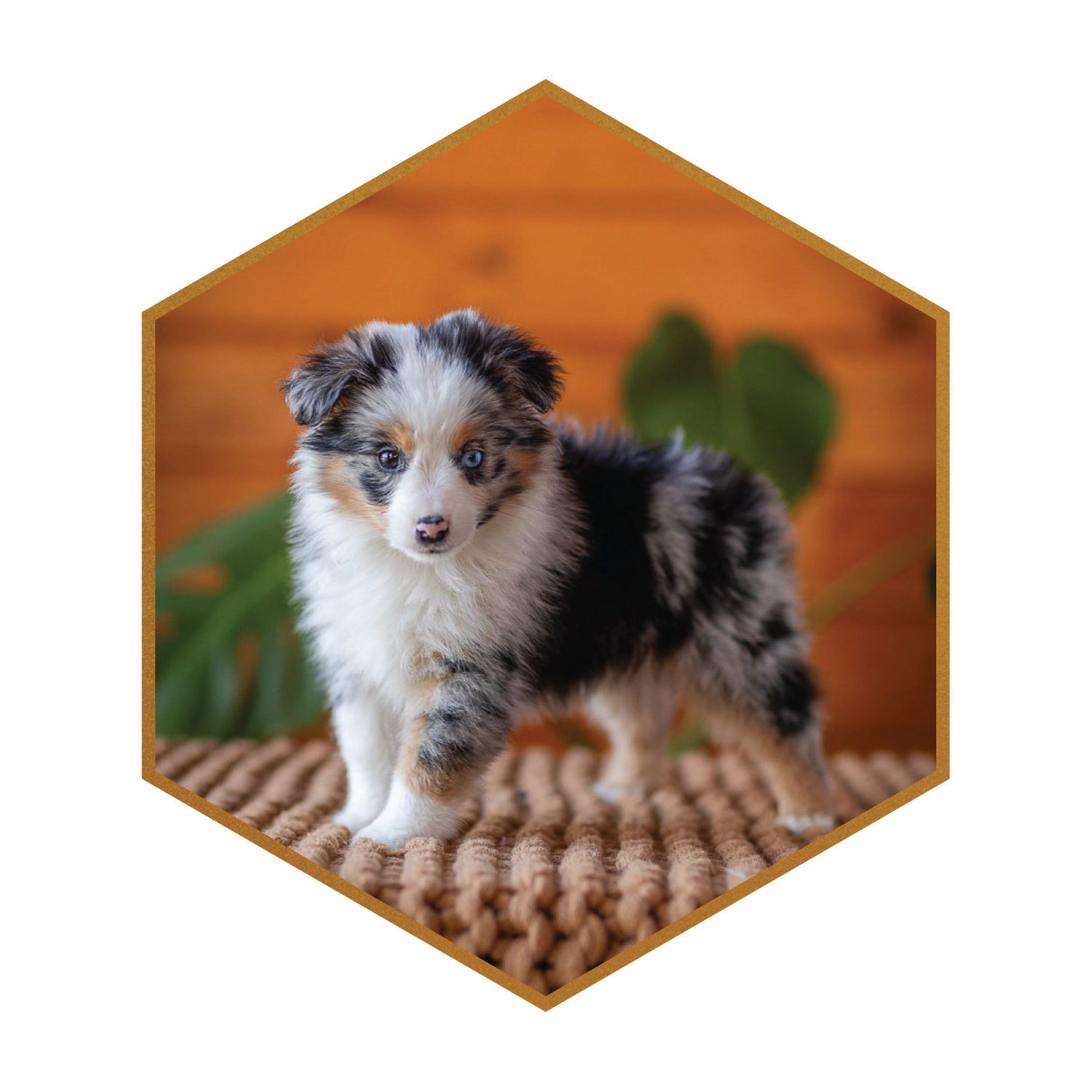
Our Planned AMD Litters

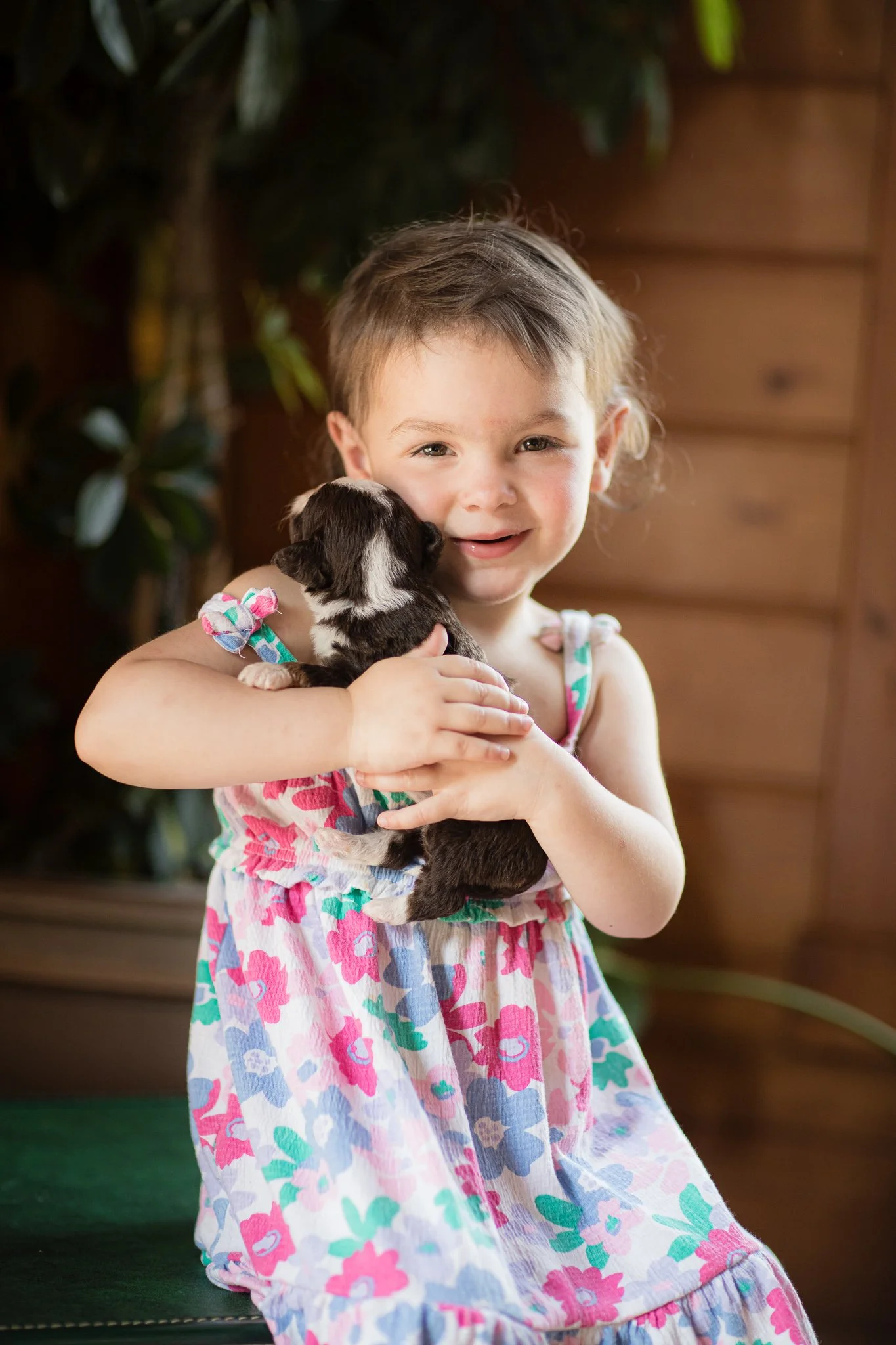
“We researched breeders and landed on Stokeshire for several reasons - their breed, ethics, professionalism, and unique hands-on family approach - loving on the pups from the start. We reached out to them with our need for a therapy dog for our daughter. We were met with clear communication, professionalism, grace, and a Where the Red Fern Grows scholarship for our situation, and met our need seemingly immediately with our very special guy, Wilberforce!!! We joined the Guardian Home program with the Stokes and couldn’t be happier with our little guy!!! So thankful for what the Stokes do, how they do it, and what they produce - absolute quality, intelligent, loving pups that shine heads and tails above the rest. Thank you Stokes for making this dream come true for our family and my daughter! Excited for all the adventures ahead!”
”
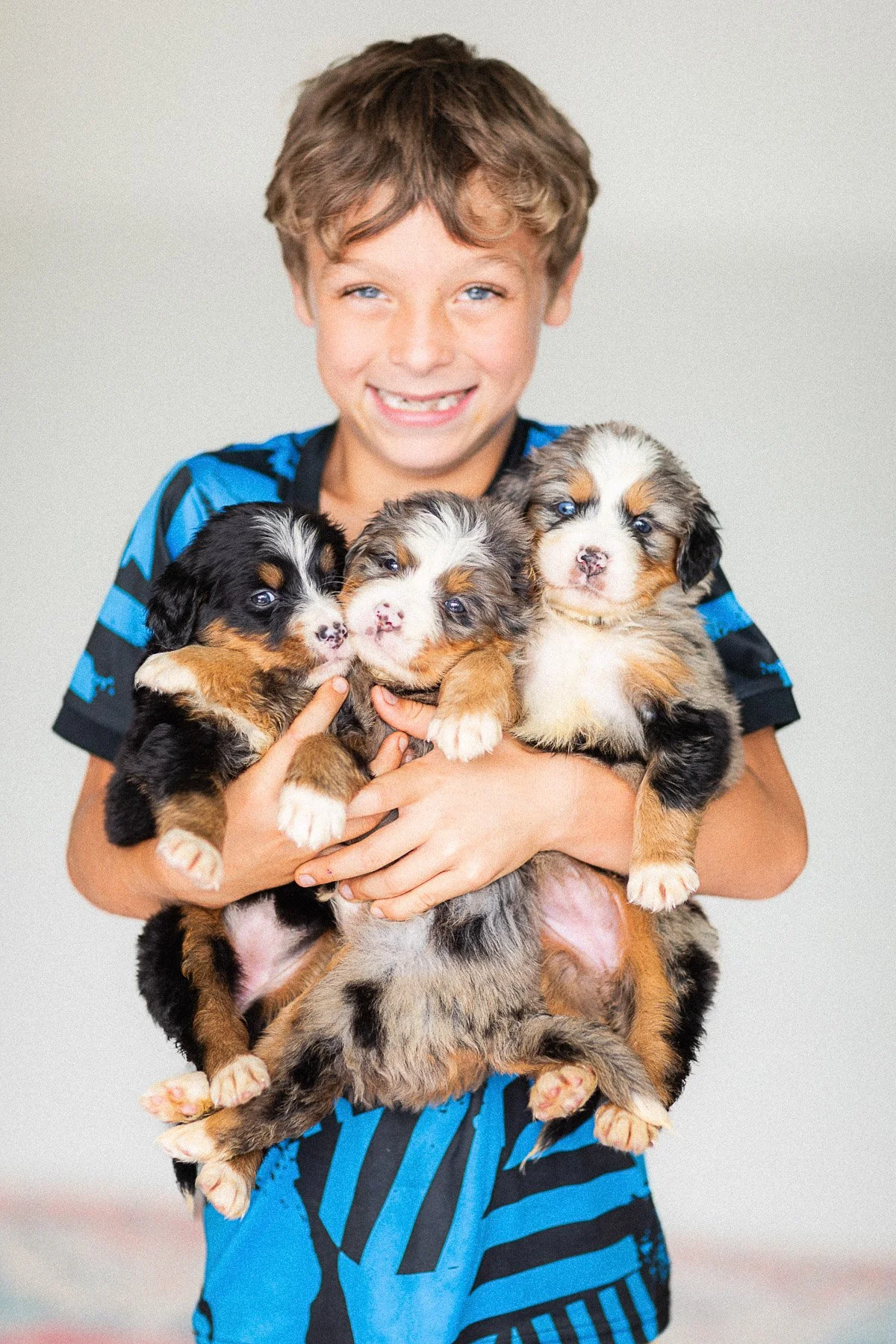
Training Options and Pricing
How STOKESHIRe Training is different?
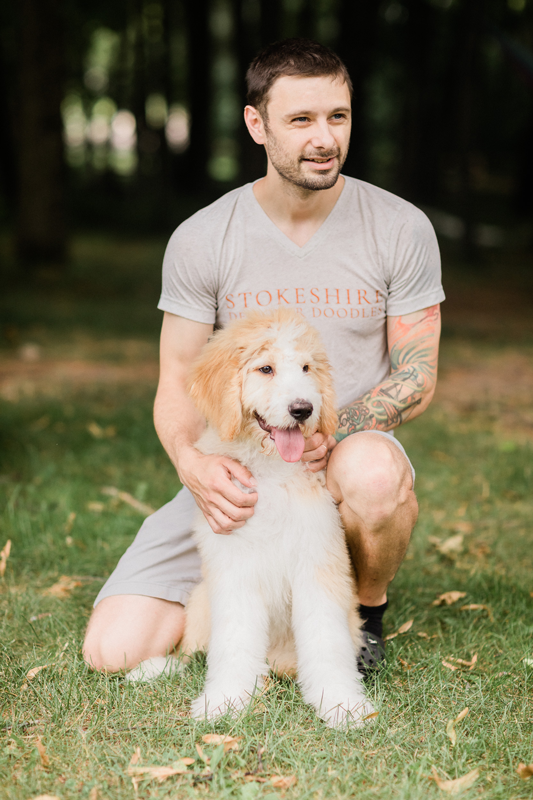
We have learned what works best for both the client and the puppy. Many trainers who offer training simply come to your house once or twice a week for an hour-long session to work with you and the puppy. At Stokeshire, the puppies in the imprinting program live with the trainers 24/7 for the entire length of the program. This gives the puppy the best start to life because they are living in an environment that mimics real life. They are under the direction of a professional who understands dog behavior and dog training.
The Australian Mountain Doodle: What Makes Them Special?
Australian Mountain Doodles (AMDs) are a remarkable blend of intelligence, playfulness, and loyalty, combined with low-shedding coats, making them an ideal choice for families seeking a versatile and hypoallergenic companion. Known for their friendly demeanor and eagerness to please, AMDs are highly trainable and adaptable, standing out among other breeds for their unique combination of traits.
The versatility of the Australian Mountain Doodle is one of its most appealing qualities. Whether you’re looking for an active hiking partner, a playful companion for your children, or a snuggly couch buddy, AMDs effortlessly adjust to a wide range of lifestyles and environments. Their sociable and gentle nature allows them to thrive alongside other pets and family members, making them a perfect fit for any household.
At Stokeshire Designer Doodles, we celebrate the distinct characteristics of the Australian Mountain Doodle. Our breeding program focuses on producing puppies that inherit the intelligence of the Poodle, the loyalty of the Australian Shepherd, and the gentle nature of the Bernese Mountain Dog. This thoughtful approach results in puppies that are not only adorable but also exceptionally suited to be loving and devoted lifelong companions.

House Trained Puppies after 12 - Weeks of Doodle School
In our one-on-one training sessions, our trainers create a structured routine that focuses on establishing a strong foundation for house training. We start by setting up designated potty areas within our home, providing clear and consistent cues to the puppies that this is where they should eliminate. Classical conditioning comes into play as we pair specific cues, such as verbal commands or specific areas, with positive experiences and rewards.
Our trainers use R+ positive training techniques, which emphasize positive reinforcement and rewards, to motivate and encourage desired behaviors. When a puppy eliminates in the designated potty area, they receive immediate praise, treats, and affection. This positive association reinforces the desired behavior, making it more likely for the puppy to repeat the action in the future.
Consistency and patience are key components of our training approach. Our trainers closely monitor the puppies' behavior and offer frequent opportunities for them to use the designated potty areas. As the puppies progress and begin to understand the expectations, we gradually increase the time between potty breaks, allowing them to build control and bladder capacity.
We believe in creating a positive and stress-free environment for our puppies during the house training process. Any accidents that may occur are handled with compassion and without punishment, as we understand that accidents are a normal part of the learning process. Our trainers redirect the puppy's attention to the appropriate potty area and reinforce the desired behavior once again.
Throughout the house training journey, our trainers provide ongoing support and guidance to both the puppies and their new families. We educate our clients on the importance of consistency, positive reinforcement, and establishing a routine in their own homes. This ensures a smooth transition for the puppies, as they continue their house training progress in their new environment.
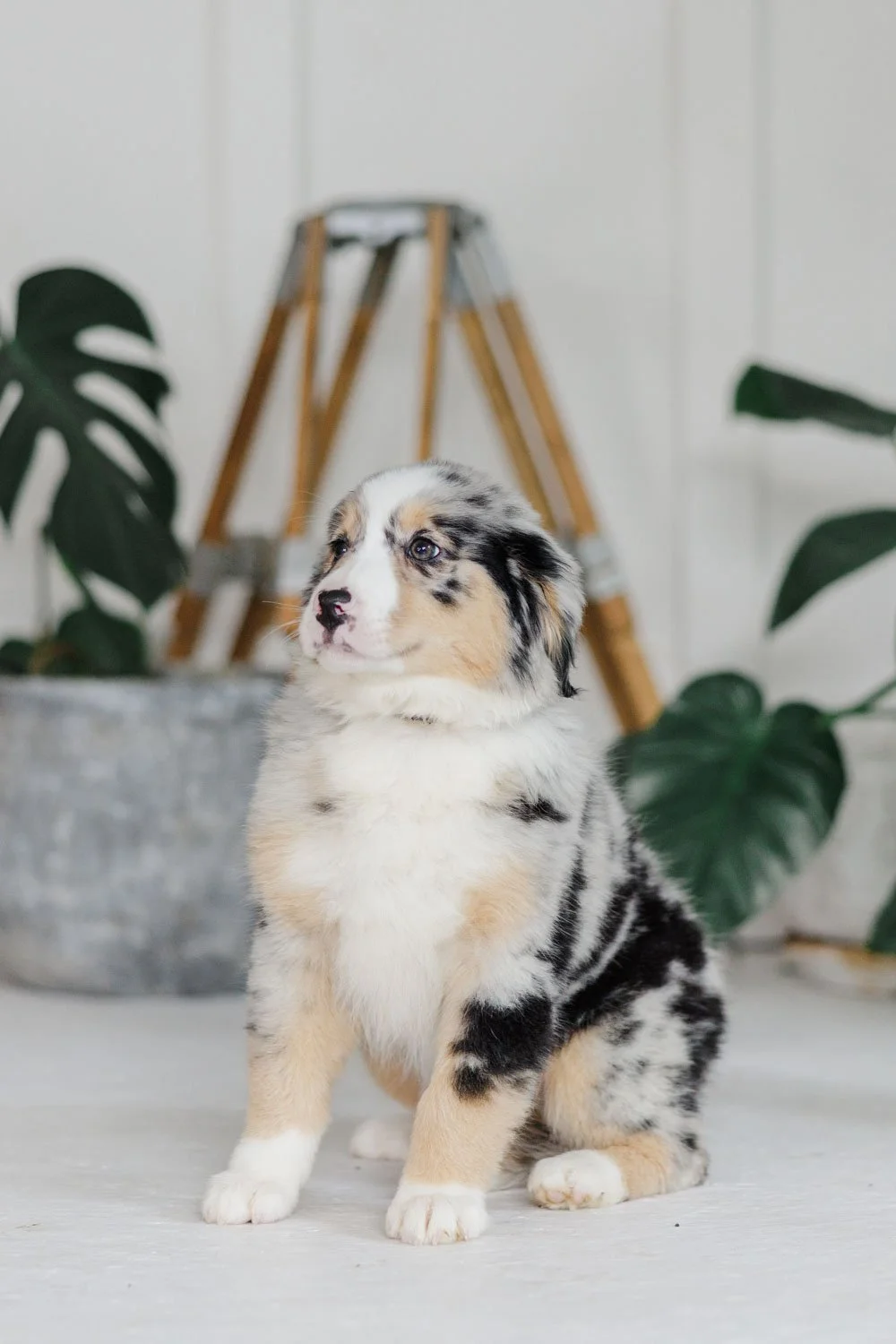
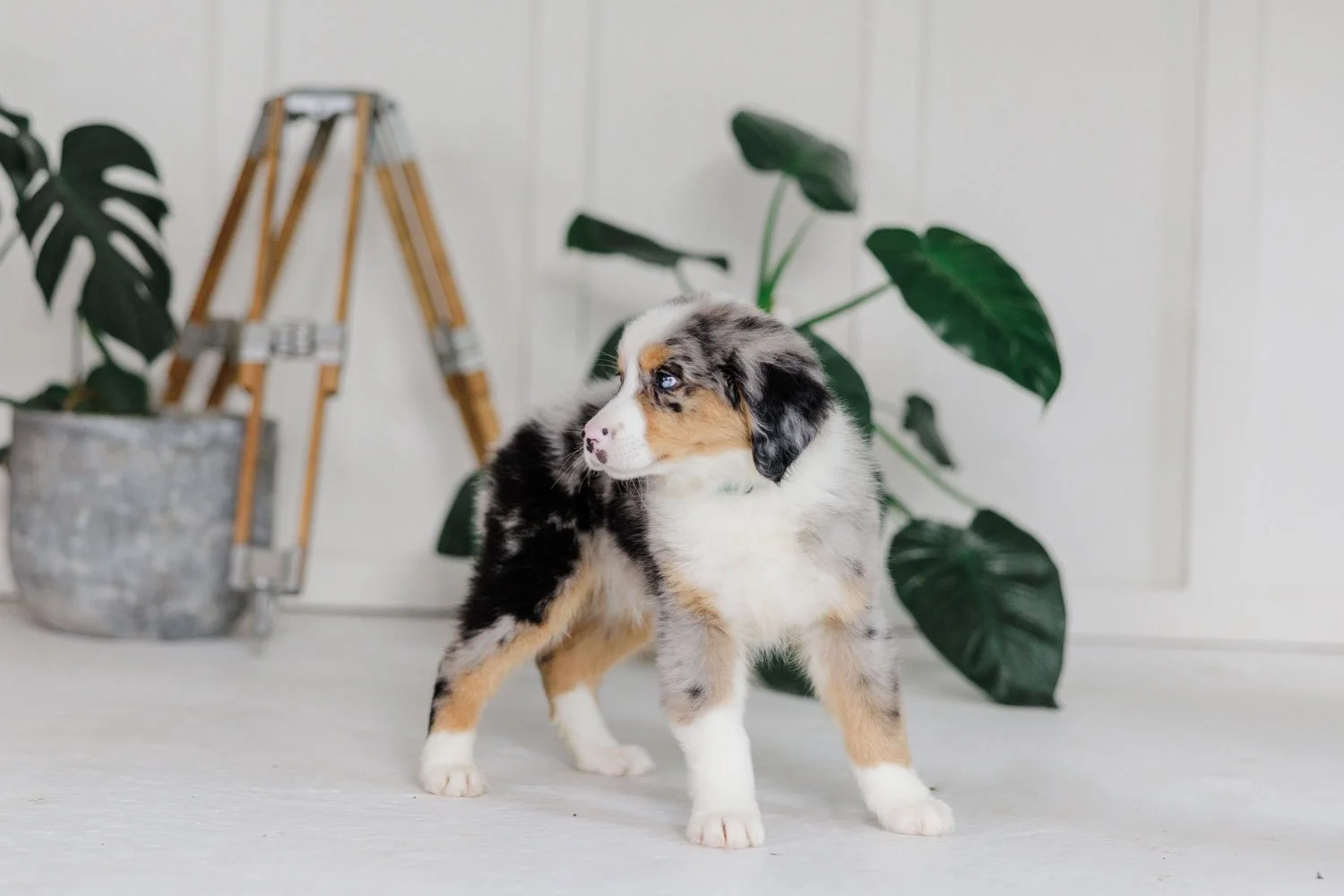
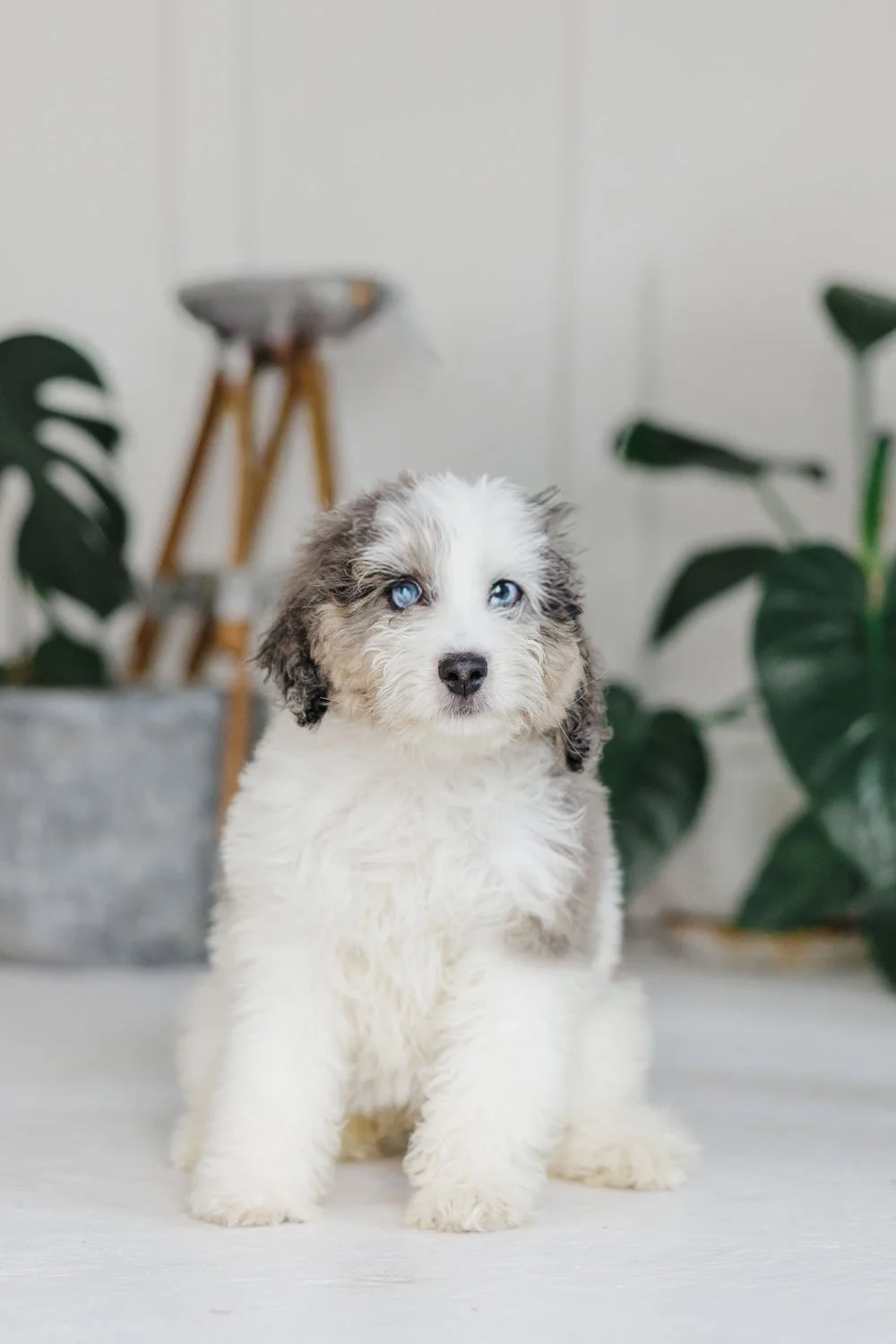
Available AMD + Aussie x Bernese Puppies
How to Choose the Right Trained Australian Mountain Doodle Puppy
Selecting the right Australian Mountain Doodle puppy requires thoughtful consideration of your family’s needs and lifestyle. Start by evaluating your living environment and identifying the qualities you want in a dog, such as size, energy level, and temperament, to ensure the best fit for your home.
As you explore available puppies, observe their personalities and interactions with people. Look for puppies that exhibit confidence, curiosity, and friendliness, as these traits often indicate a well-adjusted and adaptable companion. Additionally, inquire about the training and socialization they’ve received to determine their readiness to transition smoothly into your family.
At Stokeshire Designer Doodles, we collaborate closely with prospective owners to match them with the perfect puppy. Our experienced team offers guidance and support throughout the selection process, helping you find an Australian Mountain Doodle that aligns with your lifestyle and preferences. With our commitment to quality and care, finding your new furry family member becomes a seamless and rewarding experience.

Stokeshire Doodle School Trainer and Groomer bonding with Blue Merle Doodle Puppy
A Well Trained Puppy is a Socialized Puppy
The Ultimate Companion: Finding Your Trained Australian Mountain Doodle Puppy
In conclusion, a trained Australian Mountain Doodle from Stokeshire Designer Doodles is more than just a pet; it’s a beloved family member and a constant source of happiness. Bred and trained with dedication and care, our puppies are prepared to be loving companions and exceptional therapy-grade dogs.
Whether you’re looking for a playful friend for your kids or a comforting presence in your home, an Australian Mountain Doodle fits these roles effortlessly with charm and affection. Choosing a Stokeshire puppy means investing in a loyal companion that will bring joy and enrich your life for years to come.
If you’re ready to welcome an Australian Mountain Doodle into your family, explore our available puppies and start the rewarding journey of finding your perfect match today!
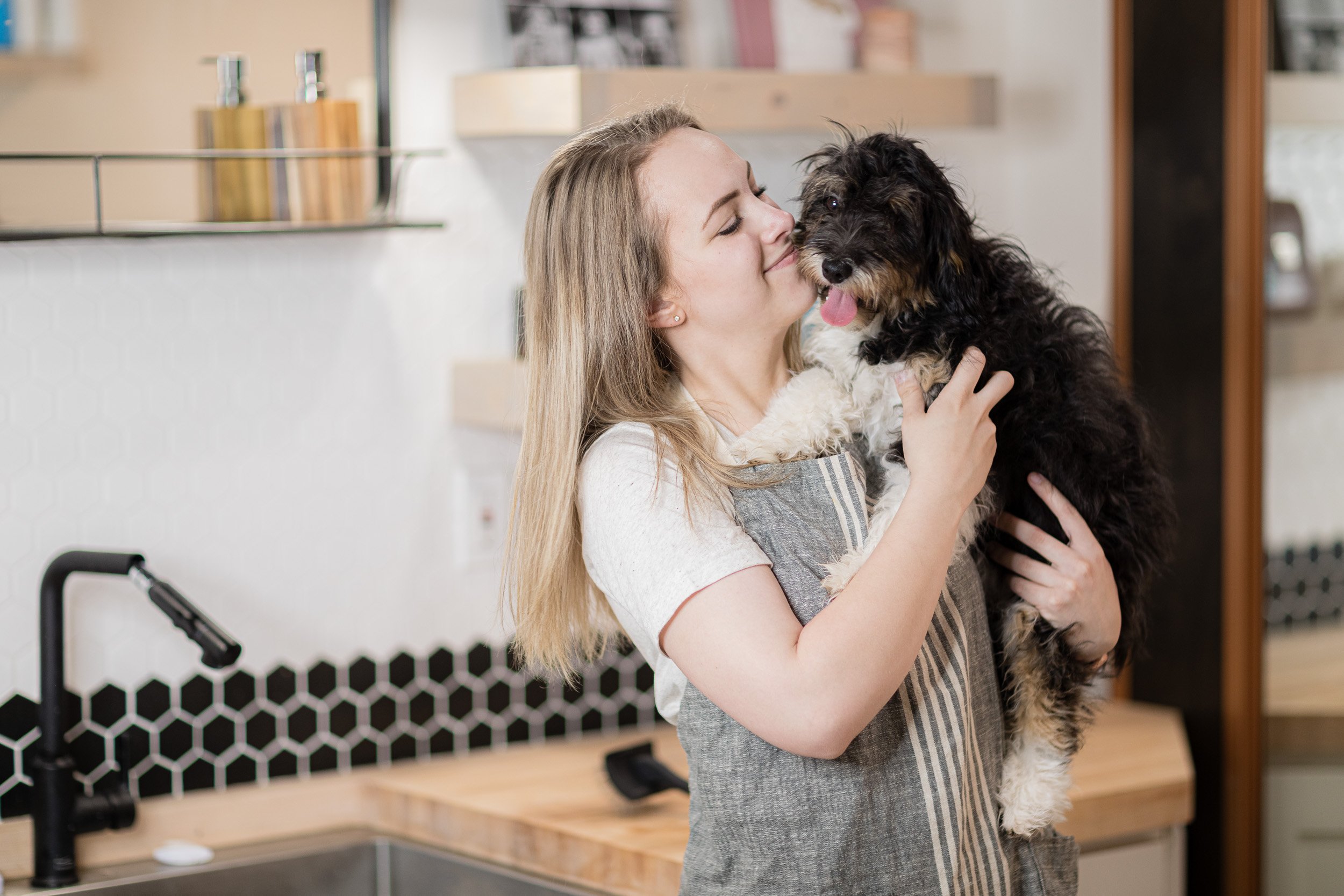
Grooming is part of training a Bernedoodle
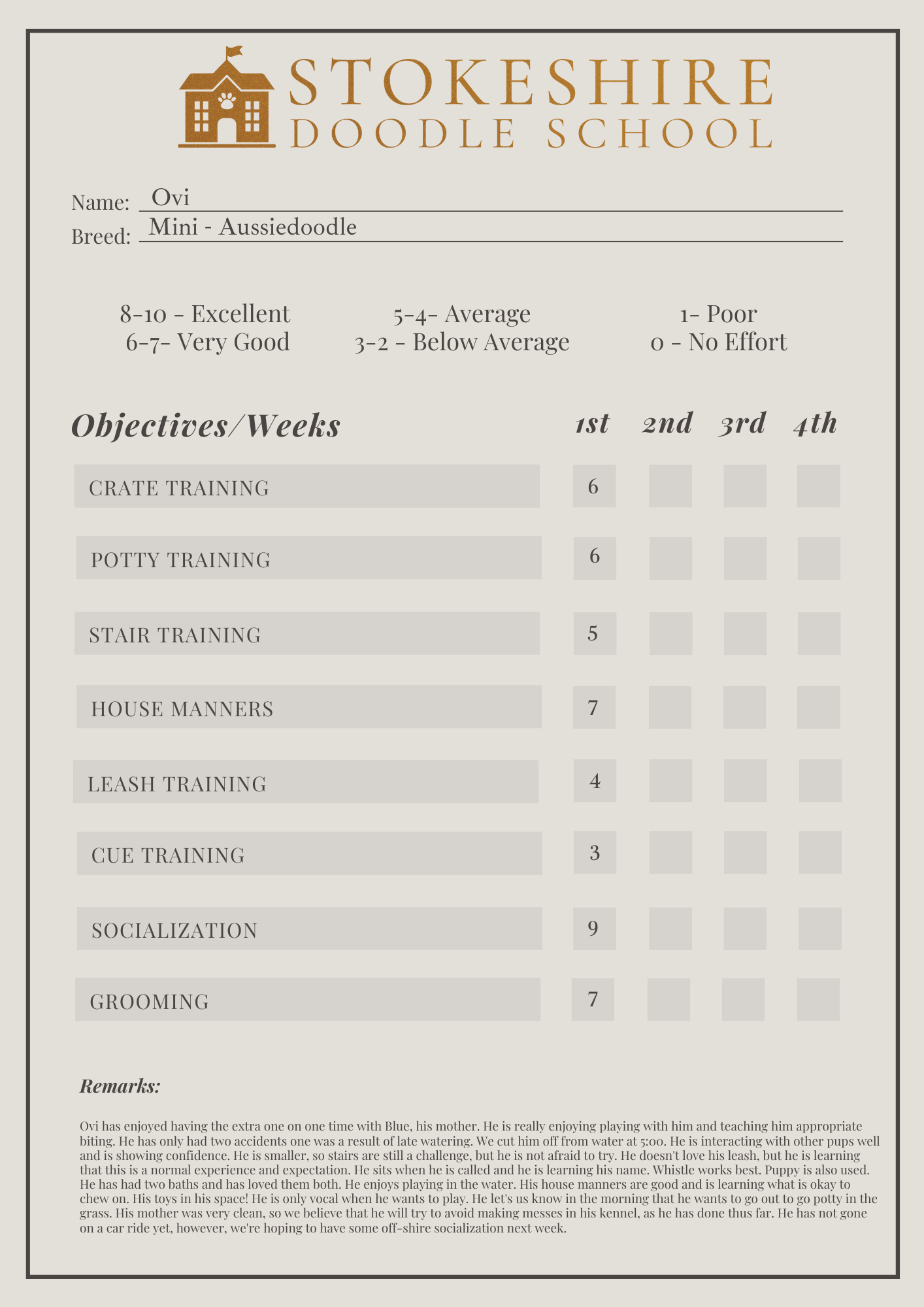
SAMPLE REPORT CARD
HOW our Training process WORKS
We reserve a set number of Doodle School Candidates for each quarter. We take a very limited number of puppies a year!
After we have matched you with the perfect puppy for you at the 6-week pick period, if you have already purchased training for your puppy, we will go over any questions you may have.
Your puppy will begin official training at 8 weeks of age. * We do have the option of starting earlier to meet your needs.
Living with one of our trainers 24/7
Individual updates and virtual report cards
Personalize Puppy Portal where you will receive weekly updates and emails.
Spend an hour with us during pickup to discuss your puppy’s training and transferring skills.
The price of training is added to the cost of your puppy.
In summary, choosing a trained puppy is a fantastic option for busy families with kids who want to focus on bonding and companionship rather than potty training. With a trained puppy, families can enjoy an immediate connection, enhanced safety, and the confidence of having a well-behaved and socialized companion. It's an opportunity to create lasting memories and build a strong relationship with their new furry family member right from the start.
Are you ready to find your furry companion? Contact Stokeshire Designer Doodles today to learn more about our trained Bernedoodle puppies and the adoption process. Our team is eager to assist you in selecting the ideal puppy to join your family.
Visit our website to browse available puppies and discover the Stokeshire difference. Join our community of happy Doodle owners and experience the joy and companionship that only a Bernedoodle can provide.
Disclaimer: While every effort is made to provide effective training and guidance, it is important to note that no guarantees can be made regarding the complete elimination of potty accidents in puppies.
At Stokeshire, we are dedicated to providing comprehensive potty training programs and supporting puppy owners in their journey toward successful housebreaking. Our trainers utilize proven techniques, experience, and expertise to equip puppies with the necessary skills and habits for proper bathroom etiquette. We strive to ensure a smooth transition from training to everyday life.
However, it is essential to recognize that each puppy is unique, and their progress may vary. Factors such as age, temperament, health, and individual learning capabilities can influence the pace at which a puppy becomes fully reliable with potty training. Additionally, unexpected circumstances or changes in the puppy's routine or environment can occasionally lead to temporary setbacks or accidents.
While we aim to minimize accidents and provide effective tools for successful potty training, it is important to maintain realistic expectations. No training program can guarantee that a puppy will never have a potty accident. Accidents may occur due to unforeseen circumstances or factors beyond our control.
We encourage puppy owners to remain patient, consistent, and dedicated to reinforcing the training techniques learned during our programs. Ongoing supervision, positive reinforcement, and reinforcement of good habits will greatly increase the likelihood of successful potty training. We encourage continued training long after they go home. Check out these options:
We are committed to providing the best possible training experience and support to our clients. If you have any concerns or questions regarding the progress of your puppy's potty training, we are here to assist you and offer guidance throughout the process.
Remember, potty training is a journey that requires patience, understanding, and ongoing effort. While we cannot guarantee a completely accident-free experience, we are confident in our training methods and the positive impact they can have on your puppy's development.