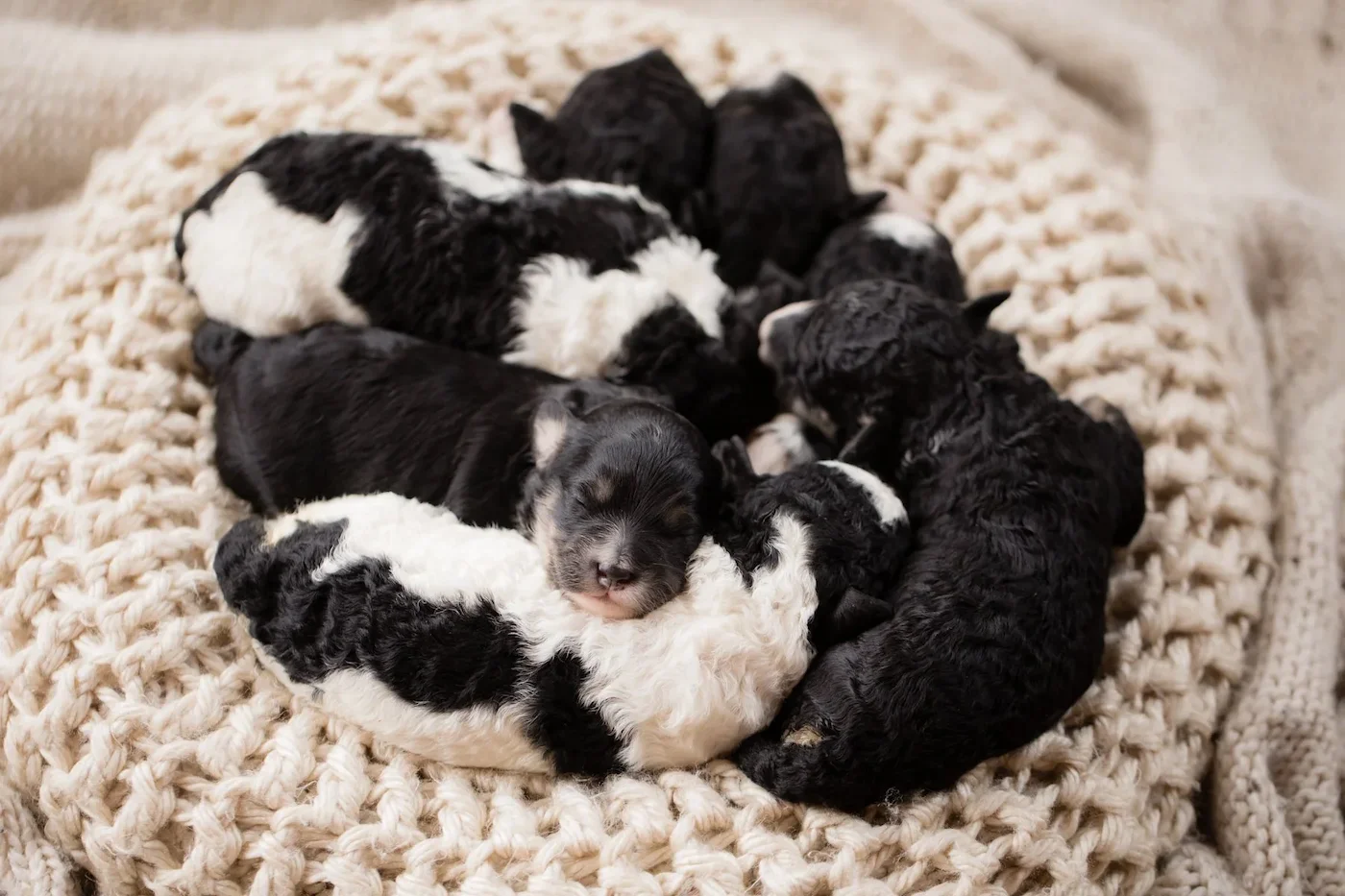
Mini Bernedoodle Litter
Munchkin Bernedoodles: The Ultimate Petite Companion — Breed GuidE
Munchkin Bernedoodles are intentionally petite, not genetically dwarfed.
At Stokeshire, the term “Munchkin” refers to a thoughtfully downsized Bernedoodle achieved through multi-generation breeding. It does not involve skeletal dwarfism, compressed timelines, or extreme miniaturization.
True petite Bernedoodles are developed gradually while preserving:
Proper bone density and joint integrity
Balanced proportions (not shortened limbs)
Stable temperament and long-term structural soundness
Programs that attempt to reduce size too quickly, such as stacking small lines or overusing a single breed contribution, may produce smaller puppies faster but often increase orthopedic, cardiac, or neurological risk over time.
This guide outlines what a Munchkin Bernedoodle should be and how ethical breeding prioritizes health, structure, and longevity over novelty.
If you are seeking a long-term companion rather than a trend, you are in the right place.
Breed Background
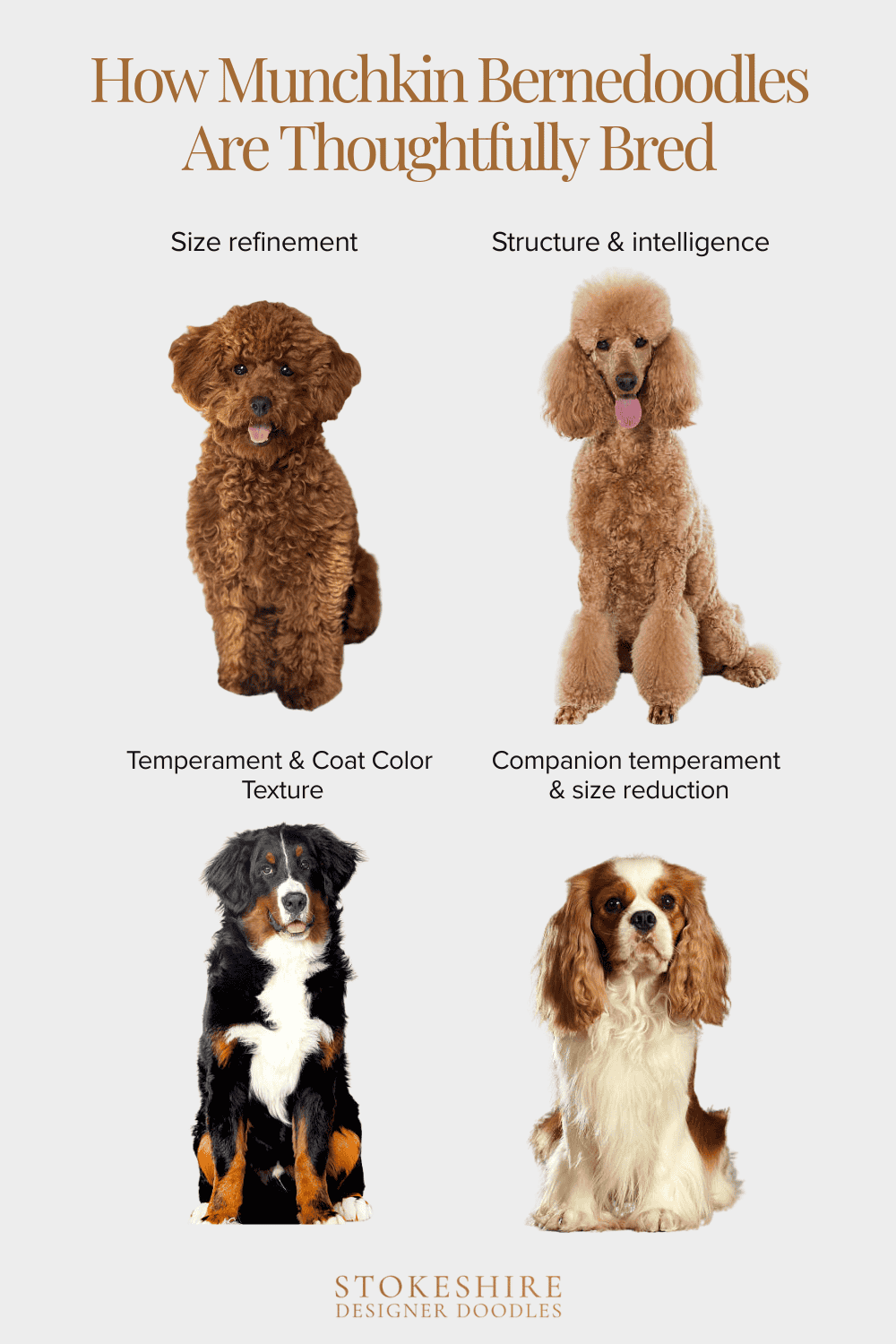
Munchkin Bernedoodles are a designer hybrid developed by crossing a Bernedoodle (Bernese Mountain Dog × Poodle) with a Cavalier King Charles Spaniel. Toy or Miniature Poodles are often incorporated into the lineage.
Typical genetic composition is approximately:
50% Cavalier King Charles Spaniel
25% Poodle
25% Bernese Mountain Dog
While not recognized by major kennel clubs, the term “Munchkin” describes an intentionally downsized, proportionate companion.
The goal of this cross is to combine the Cavalier’s affiliative temperament, the Poodle’s cognitive responsiveness and coat qualities, and the Bernese’s stability and structure within a smaller size range.
Development of this mix requires multi-generation planning to maintain consistency in size, temperament, and health outcomes.
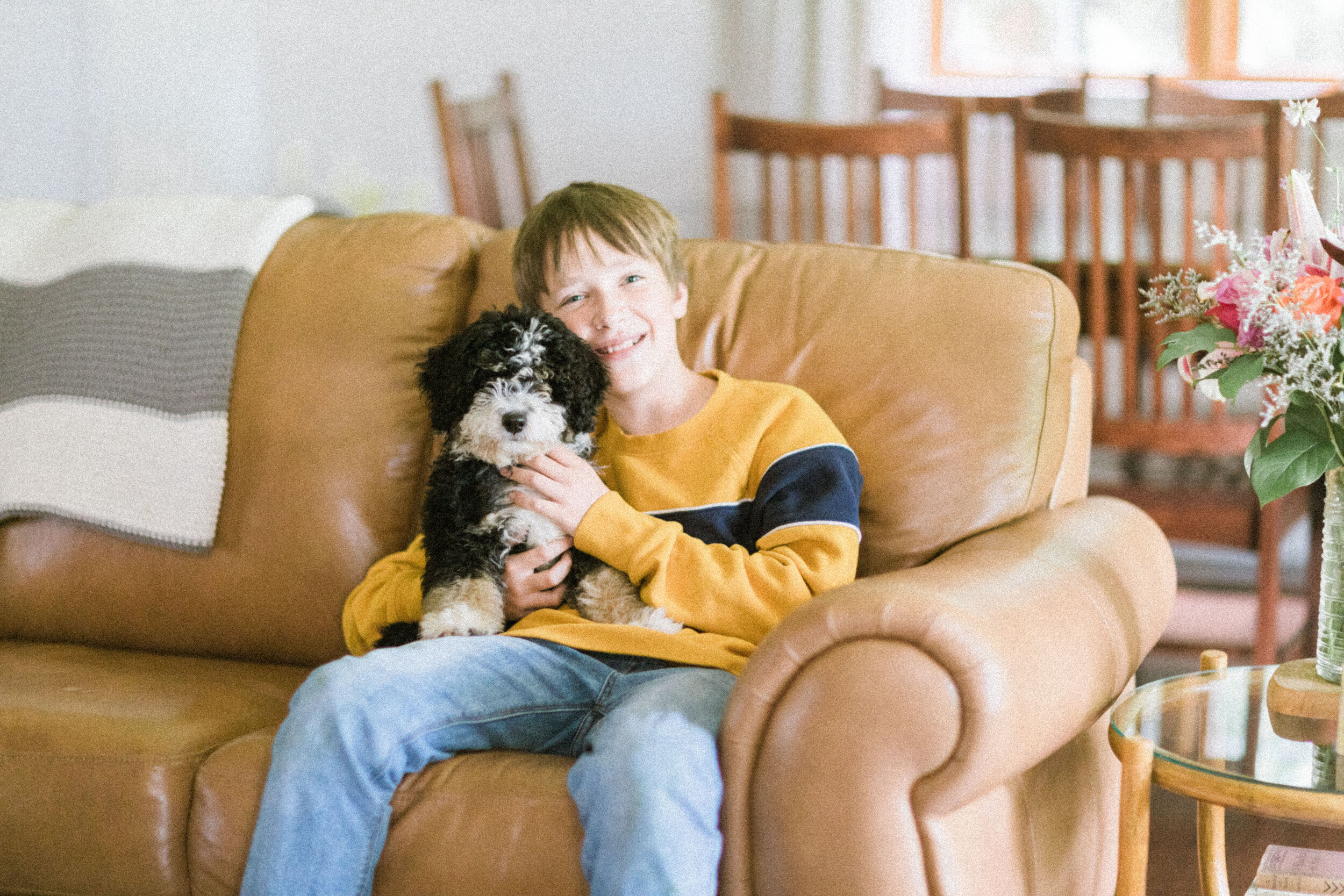
A young boy sitting on a couch holding a small black and white Munchkin Bernedoodle puppy.
Physical Characteristics
Size: Adult Munchkin Bernedoodles typically weigh 10–30 pounds and stand around 14–16 inches at the shoulder.
Coat: Soft, wavy to curly. Often described as low-shedding, though no dog is fully hypoallergenic. Regular maintenance is required.
Colors: Commonly tricolor (black, white, rust), with bicolor, sable, merle, and tuxedo variations.
Build: Compact, proportionate, and structurally balanced. Limbs should remain correctly proportioned without dwarfism traits.
Overall "Look": A proportionate, scaled-down Bernedoodle with a composed, well-balanced appearance.
Temperament and Personality
Munchkin Bernedoodles are bred for stable, human-focused engagement:
Affectionate: Strong attachment patterns and close bonding with their household.
Intelligent & Trainable: High responsiveness and learning capacity. They perform well with structured training.
Moderate Energy: A balanced activity profile with the ability to settle.
Great with Families: Generally integrate well with children and other pets.
Low Reactivity: Typically social with minimal guarding tendencies or excessive barking.
Health and Lifespan
Well-bred Munchkin Bernedoodles commonly reach 12–15 years. Longevity is influenced by genetics, structure, and breeding practices.
Owners and breeders should be aware of:
Orthopedic Issues: Hip or elbow dysplasia (Bernese), patellar luxation (Cavalier and Poodle)
Eye Conditions: Progressive Retinal Atrophy (PRA), cataracts, dry eye
Heart Disease: Mitral valve disease, particularly in Cavalier lines
Neurological Issues: Syringomyelia risk
Skin & Allergies: Sensitivities and dermatologic conditions
Cancer: Present but lower risk from Bernese lineage
Always seek breeders who prioritize comprehensive health screening, including hips, eyes, cardiac evaluation, and genetic panels.
Munchkin Bernedoodle FAQs
-
No. Ethically bred Munchkin Bernedoodles are not produced using skeletal dwarfism genes. Their smaller size is achieved through gradual, multi-generation breeding.
-
Yes, when approached with responsible breeding practices focused on joint health, cardiac screening, genetic diversity, and gradual size reduction.
-
Cavalier King Charles Spaniels can carry known cardiac and neurological risks. Responsible programs limit Cavalier percentage and screen breeding dogs carefully.
-
No dog is completely hypoallergenic. However, many Munchkin Bernedoodles inherit low-shedding coats from the Poodle side, making them a good fit for some allergy-sensitive households.
-
No. When bred responsibly, petite Bernedoodles often enjoy lifespans similar to or longer than standard Bernedoodles, commonly 12–15 years or more.
-
Yes, for the right home. Their affectionate nature, moderate energy, and trainability make them a strong choice for families, seniors, and first-time owners who can provide companionship and routine care.
Grooming and Care
Munchkin Bernedoodles require a consistent grooming routine:
Brushing: Several times per week. Daily for curlier coats.
Professional Grooming: Every 6–8 weeks.
Bathing: As needed using gentle products. Dry thoroughly.
Ear, Nail, and Dental Care: Routine maintenance is essential.
Coat Maintenance: Their coat requires consistent upkeep and professional grooming.
Exercise and Diet
Despite their small size, Munchkin Bernedoodles are moderately active and need 30–60 minutes of exercise each day. Walks, play sessions, and enrichment all contribute to their routine. They tend to be easygoing and integrate well into daily life.
Diet: Feed a high-quality small-breed dog food. Portion control is important, as they can be prone to weight gain.
Sensitivity: Some individuals may require dietary adjustments for sensitive stomachs or allergies.
Ideal Home Environment
Munchkin Bernedoodles are adaptable but perform best with consistent human interaction:
Apartments or Houses: Suitable with daily activity
Families: Benefit from structure and routine
Individuals: Well-suited for those seeking an engaged companion
Flexible Schedules: Perform best with regular presence
They form strong attachment patterns and are not well-suited to extended periods of isolation.
The Stokeshire Breeding Approach
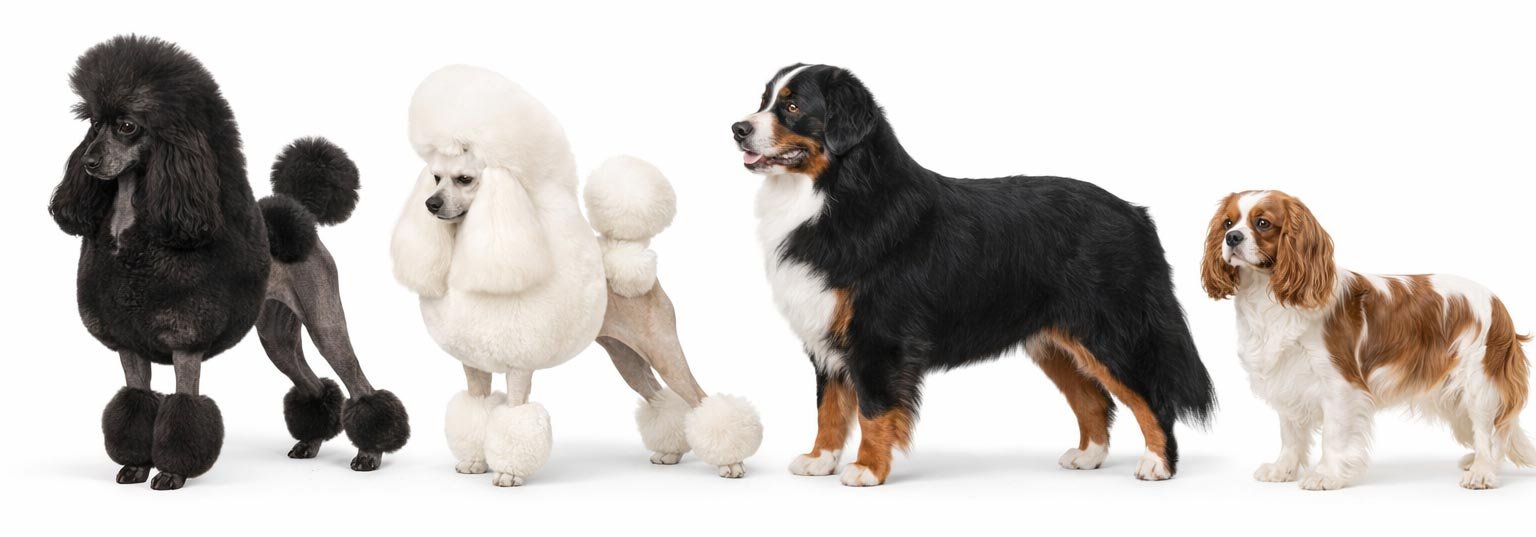
A lineup of Poodles, a Bernese Mountain Dog, and a Cavalier King Charles Spaniel used in Munchkin Bernedoodle breeding.
At Stokeshire, petite Bernedoodles are not created by rapidly reducing size or stacking the same genetics. They are developed through intentional, multi-generation planning with a focus on structural integrity, temperament, and longevity.
We begin with a foundational Bernese Mountain Dog × Miniature Poodle cross to establish strong structure and genetic diversity. Size is reduced gradually through the introduction of Toy Poodle lines, maintaining joint health and proportional balance.
Cavalier King Charles Spaniel genetics are introduced selectively and at low percentages, only after structural stability is established. This supports companion temperament without concentrating known cardiac or neurological risk.
Across generations, we prioritize genetic diversity and perform comprehensive structural, cardiac, and genetic screening, while avoiding redundant pairings that increase recessive expression.
The result is a true petite Bernedoodle: thoughtfully developed, emotionally stable, and bred for long-term health.