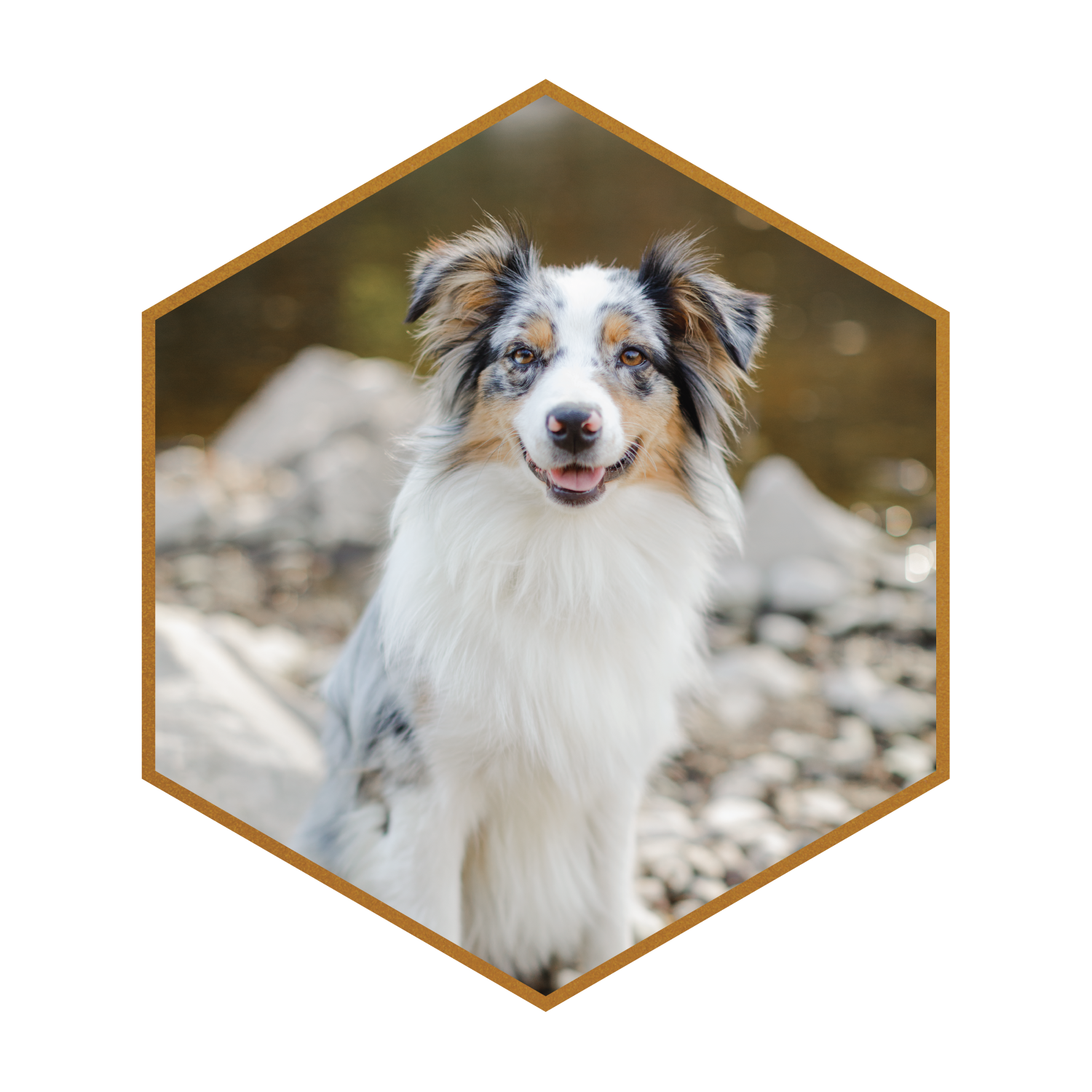
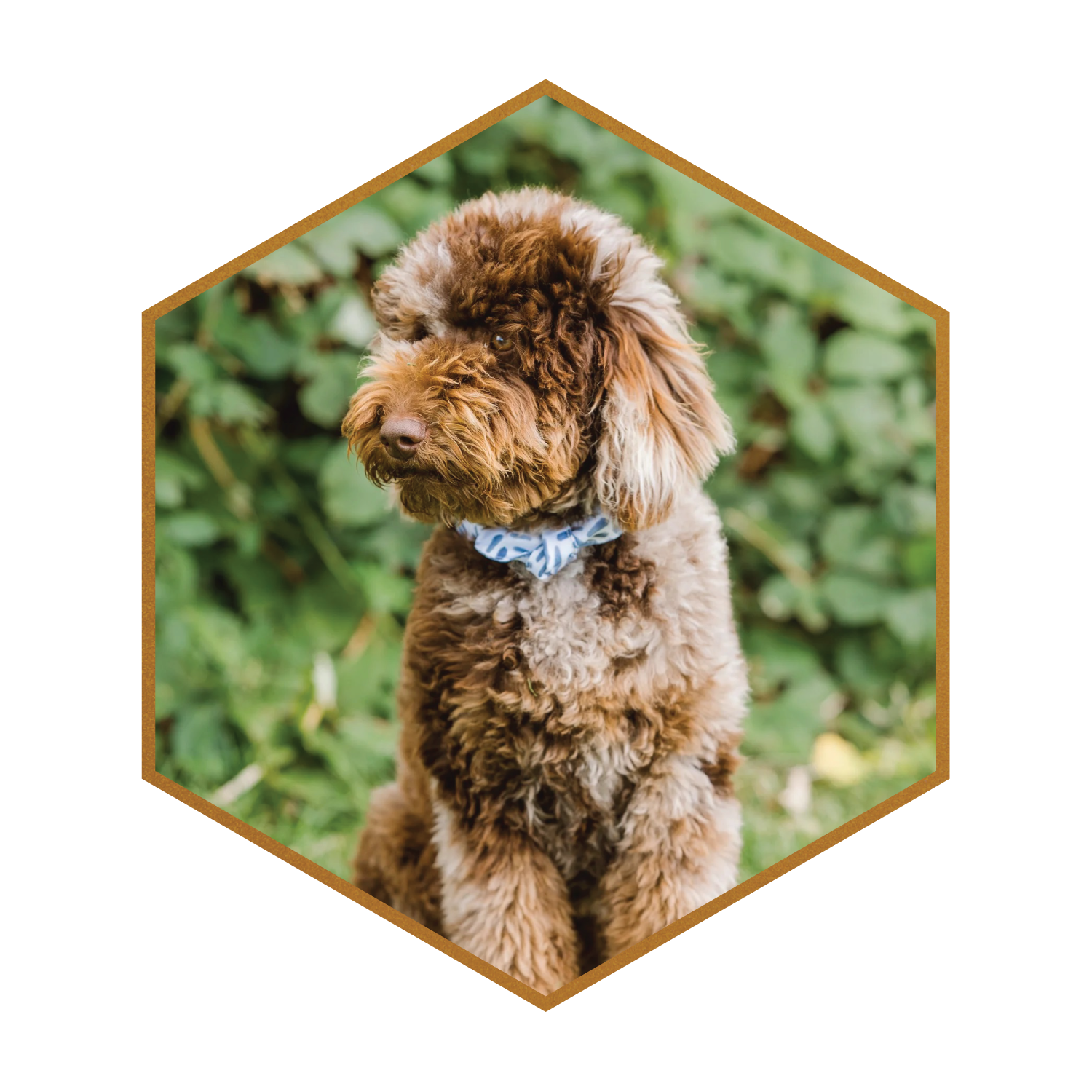
Deposit for (Buttercup + Mack) Furnished & Unfurnished Australian Mountain Doodles

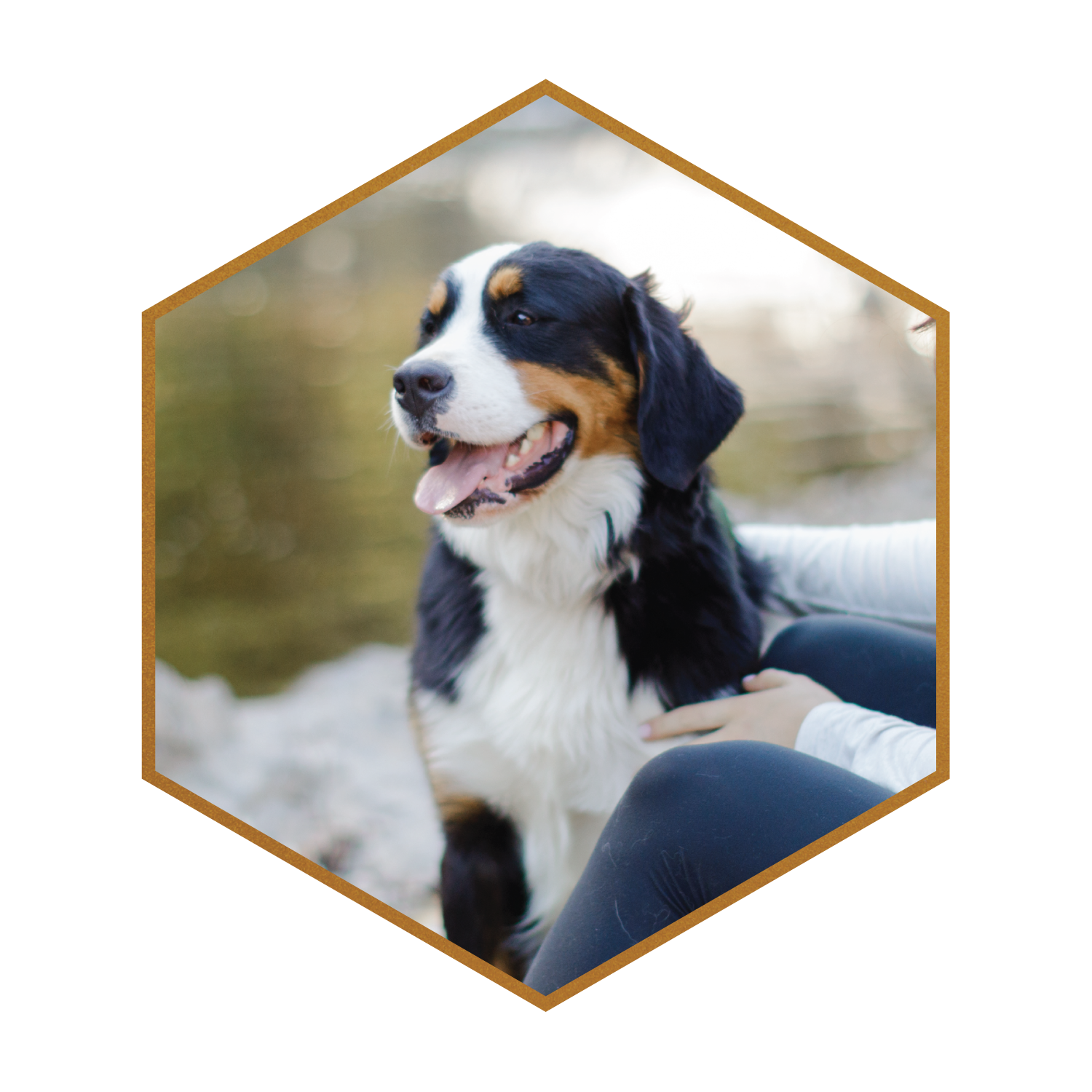

Deposit for (Buttercup + Mack) Furnished & Unfurnished Australian Mountain Doodles
This deposit ensures your spot on our official waitlist. First pay, first-serve basis. All lists are subject to change.
DELIVERED
18 April 2026: Heat Start
30 April 2026: Estimated Conception Date
28 June 2026: Delivery Date
16 August 2026: SCHEDULE YOUR SLOT FOR MATCH DAY
22 August - 19 September - 4-Week Doodle School
23 August 2026: GO-HOME
Estimated Adult Weight: 55–65 pounds
OFFICIAL WAITLIST
BREEDER’S CHOICE
Luger Family - Hugo, MN — Blue Merle, Unfurnished (PICK OF LITTER 1)
Brown Family – Vail, CO Unfurnished Female Medium – 4-Week Doodle School (PICK OF LITTER 2)
Curtiss Family – Bellevue, WA – Tri Unfurnished Female
C. Zoetmulder – Elgin, IL - Furnished
Read Family – Redding, CA Male, Unfurnished, Tri or Merle
Trots – Arlington, IL – Tri Merle, Furnished
Kaiser-Talley* — Boise, ID — Tri, Female, Unfurnished Flight Nanny
Van Beek – Waunakee, WI - Doodle School
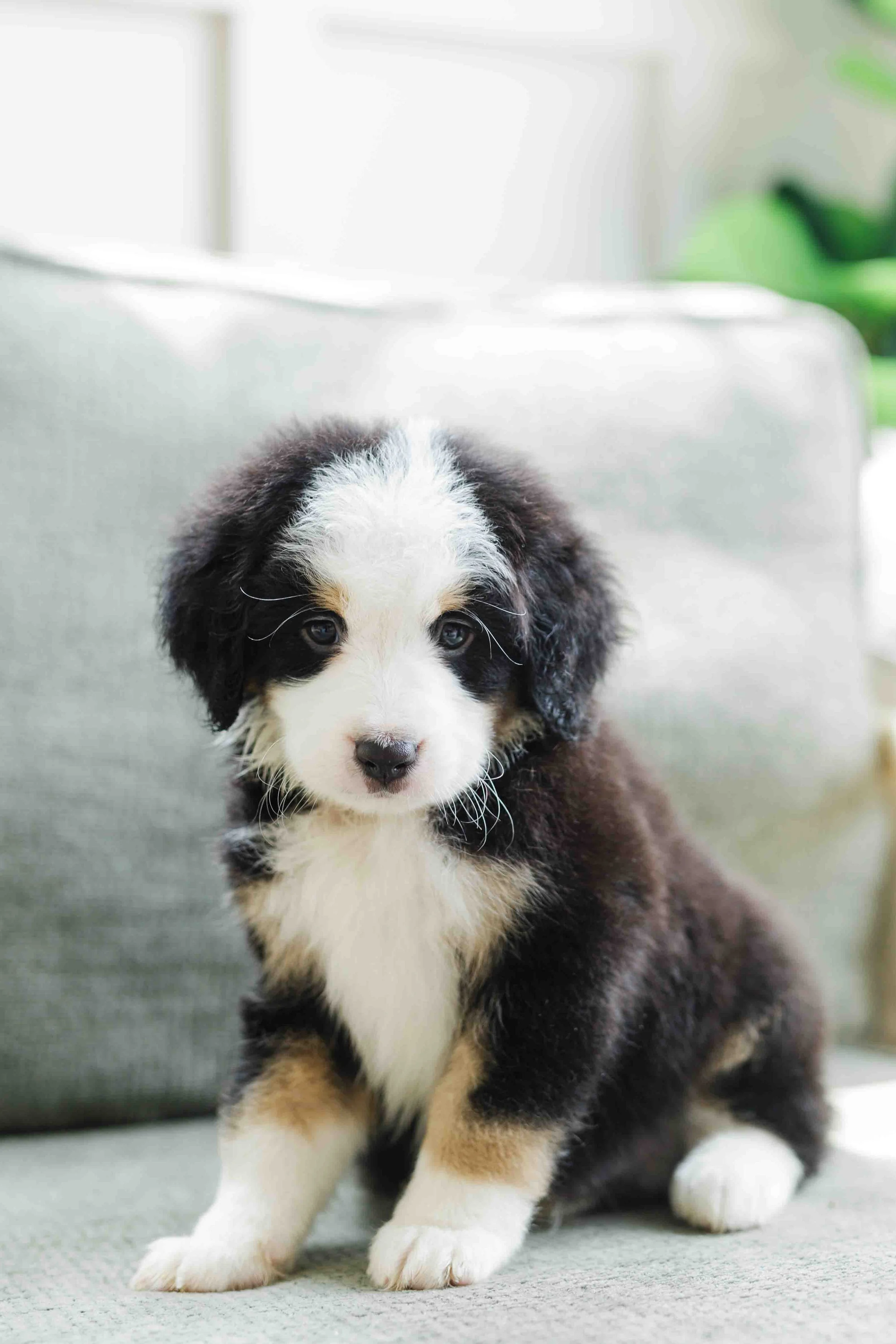
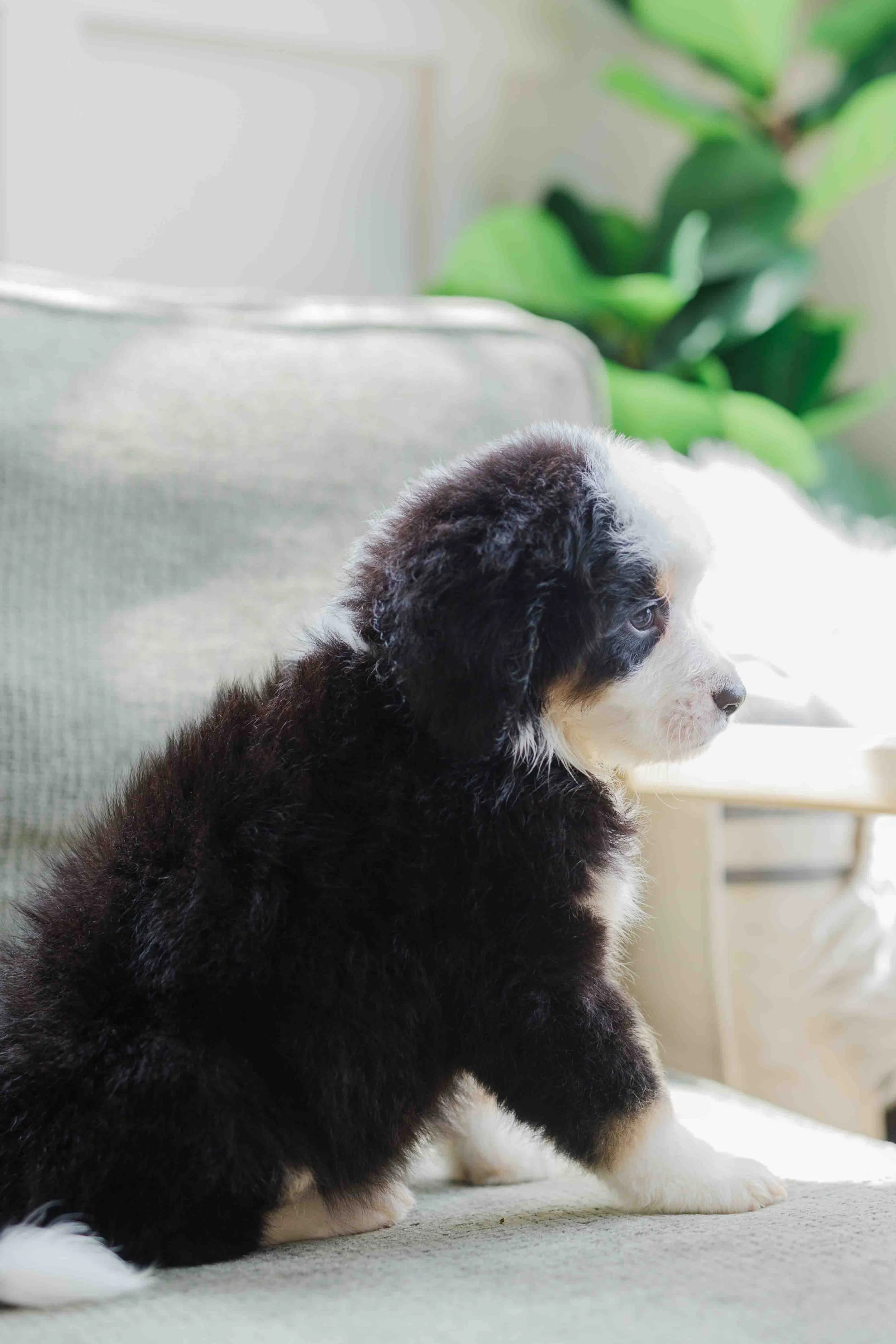
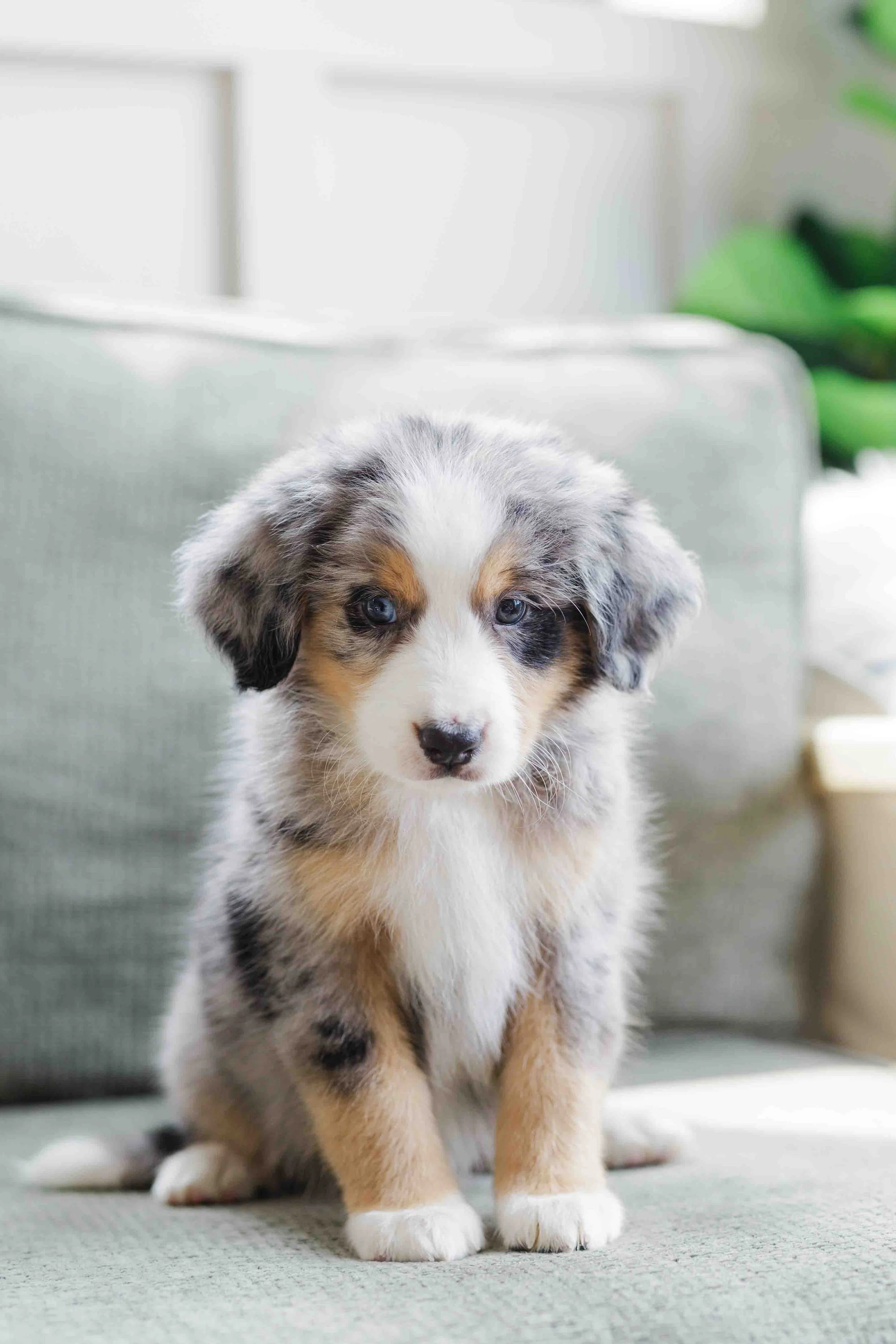
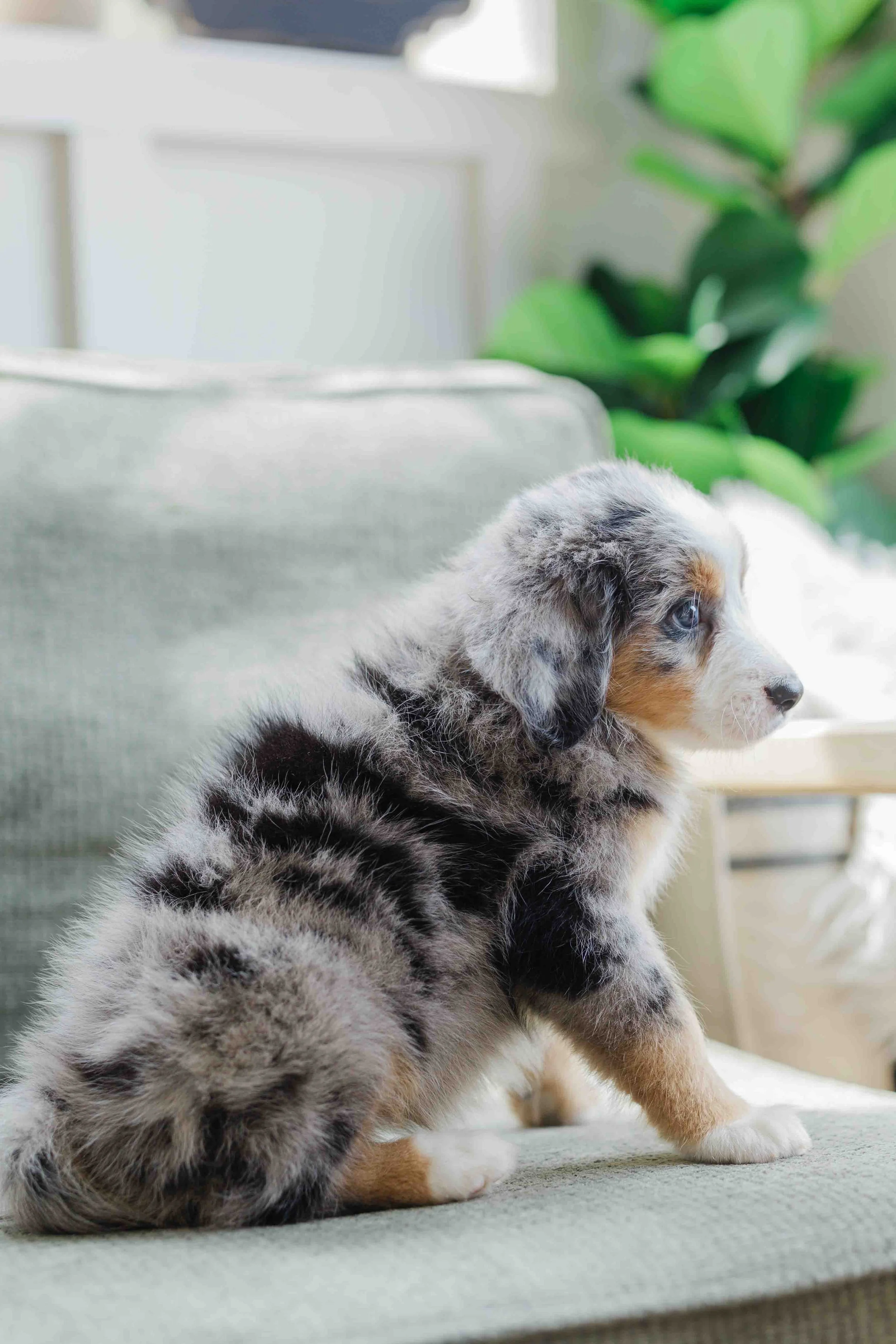
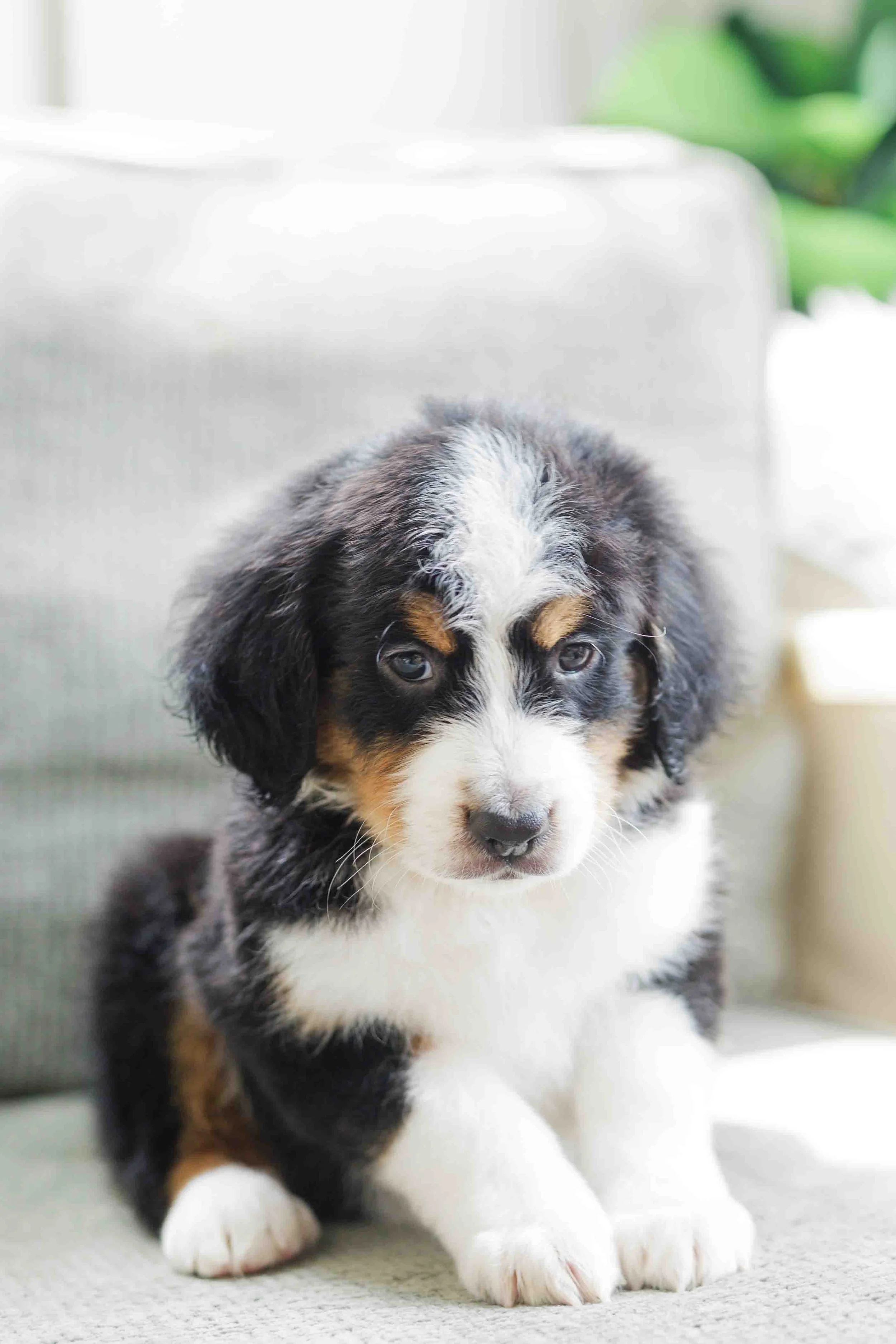
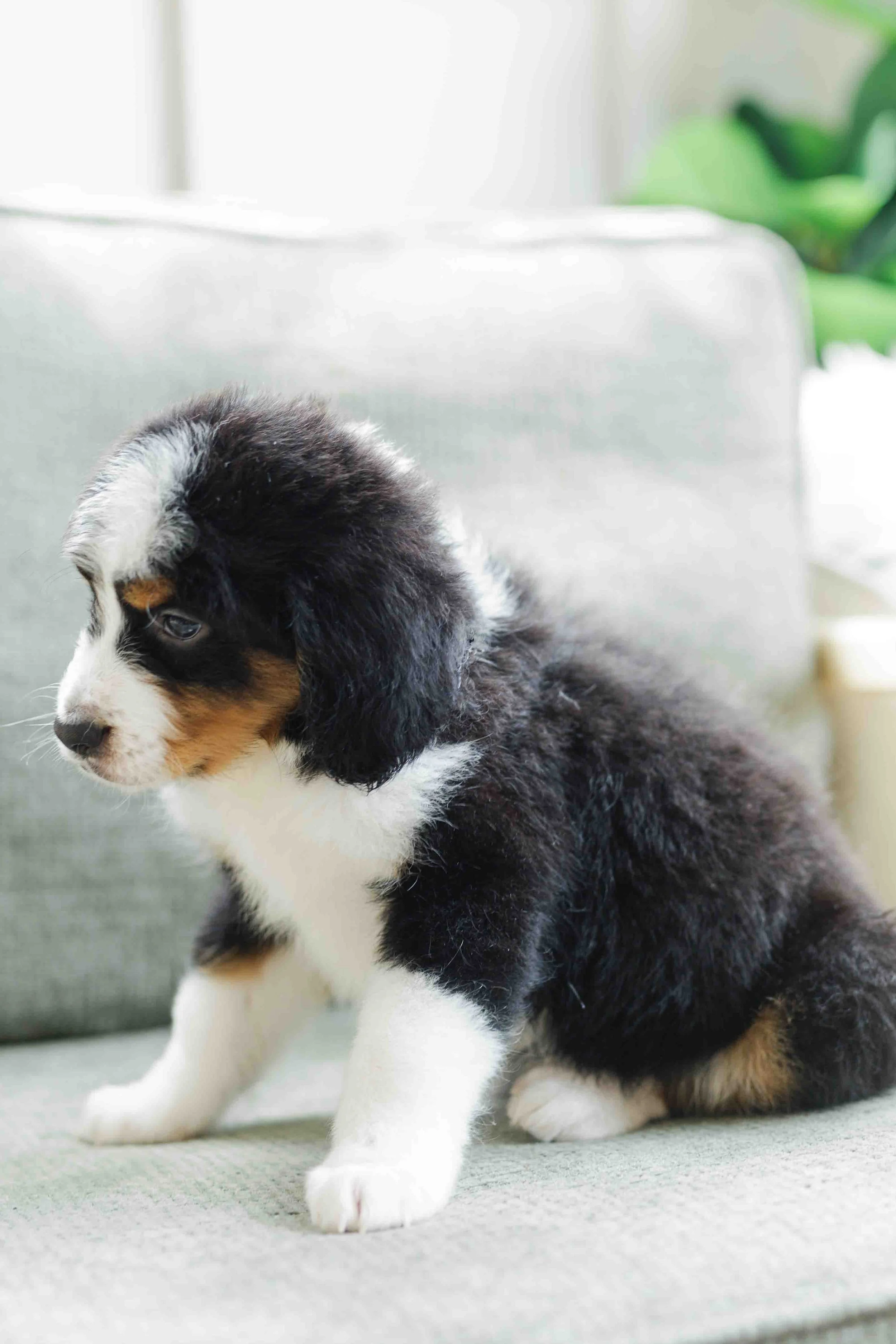
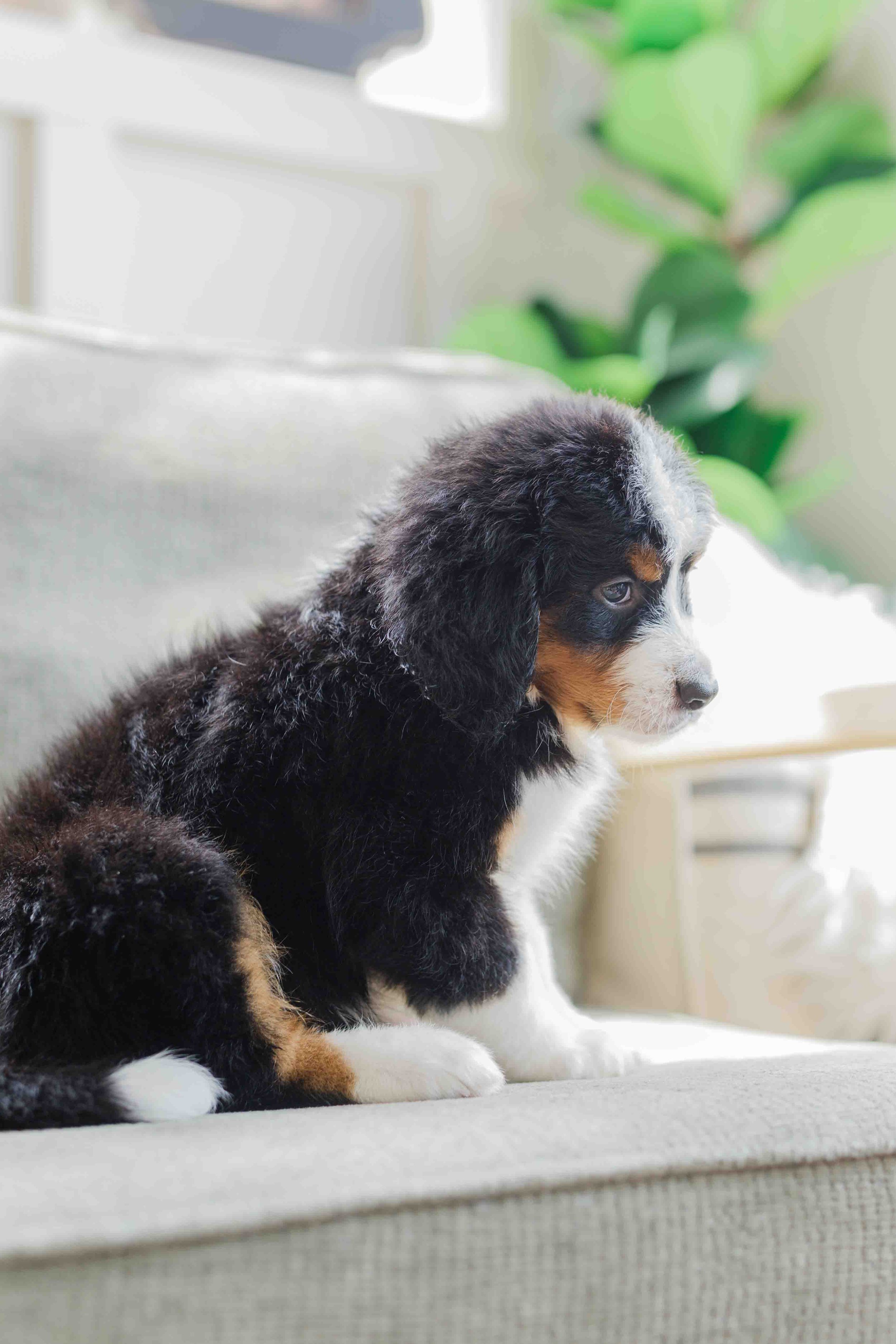
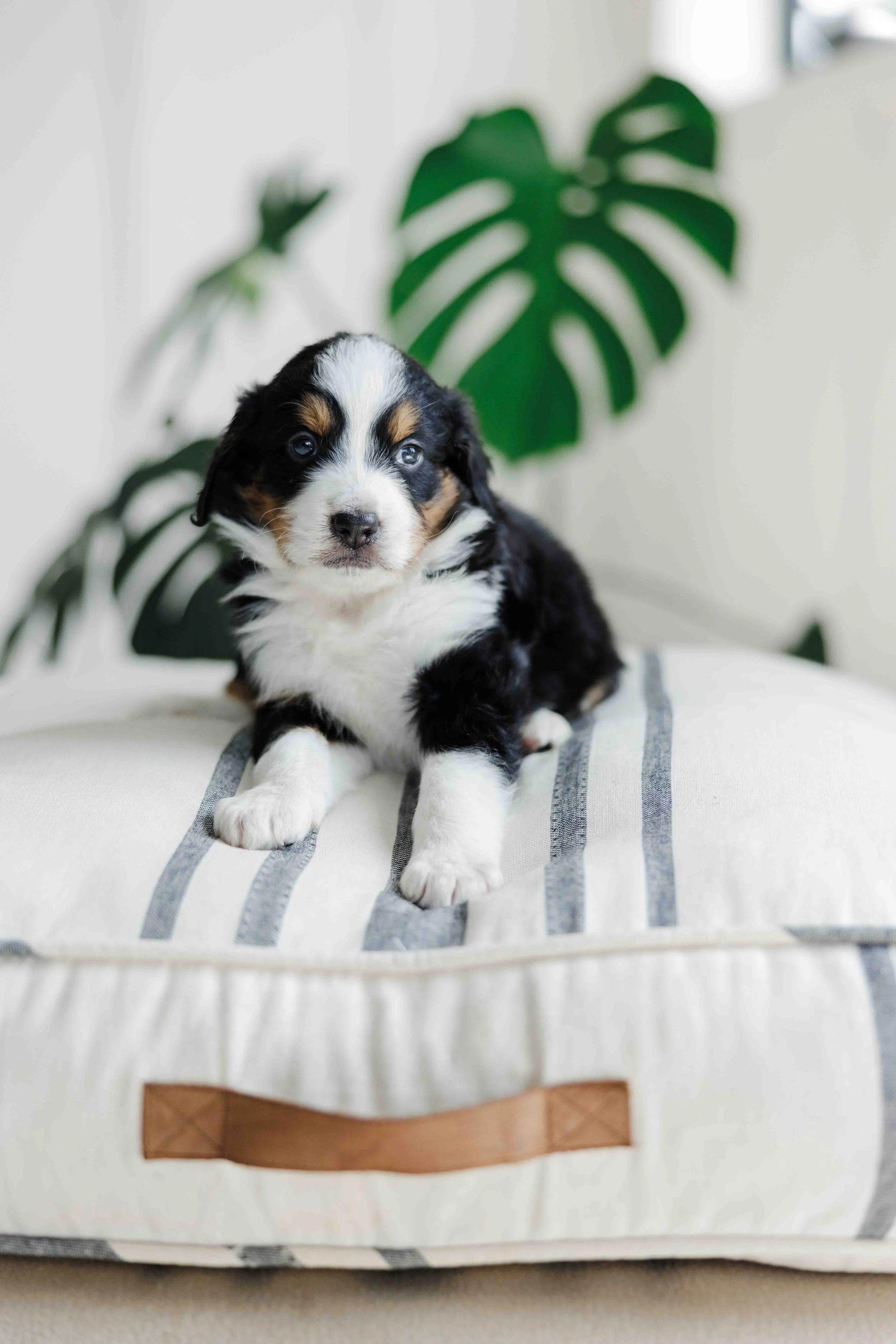
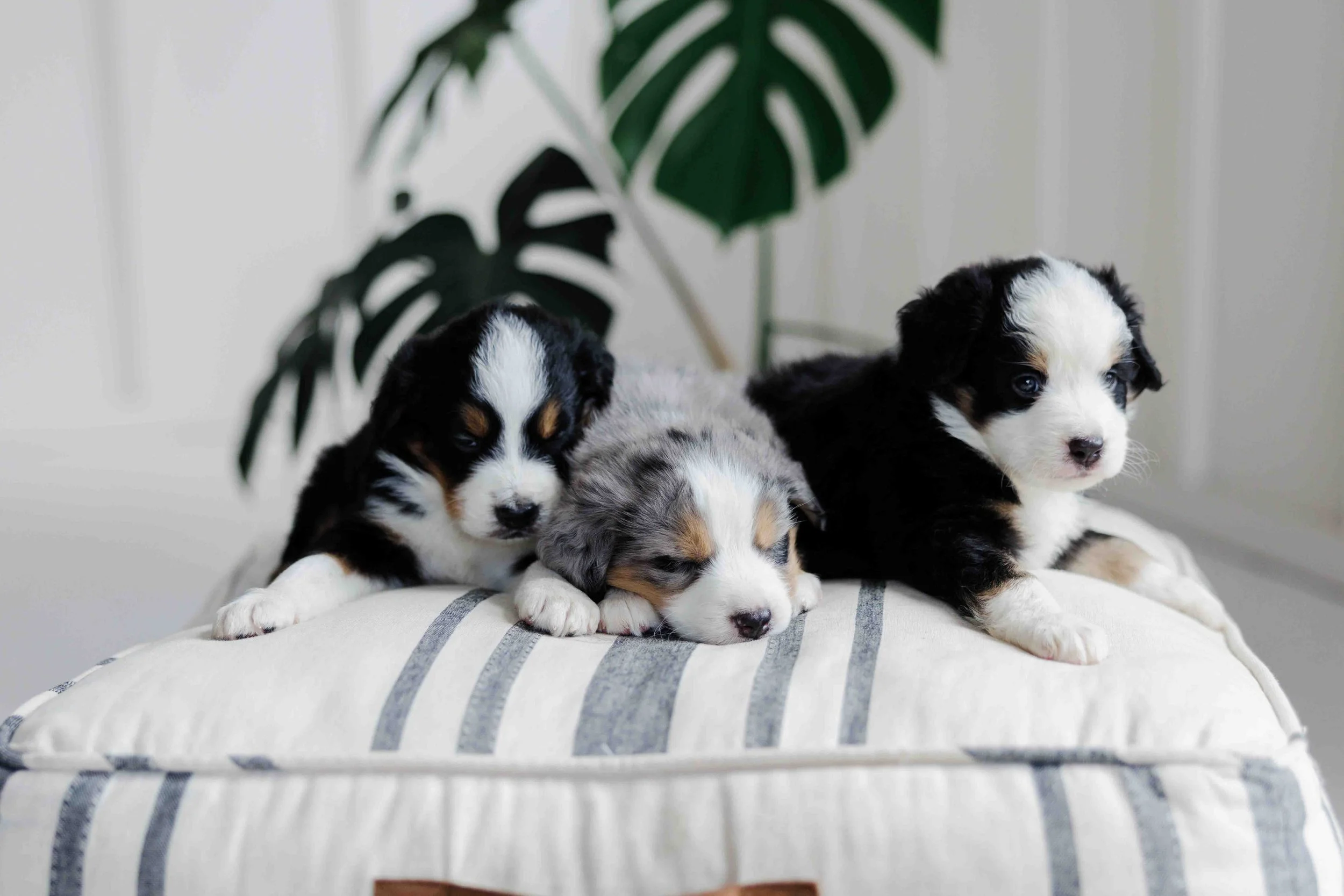
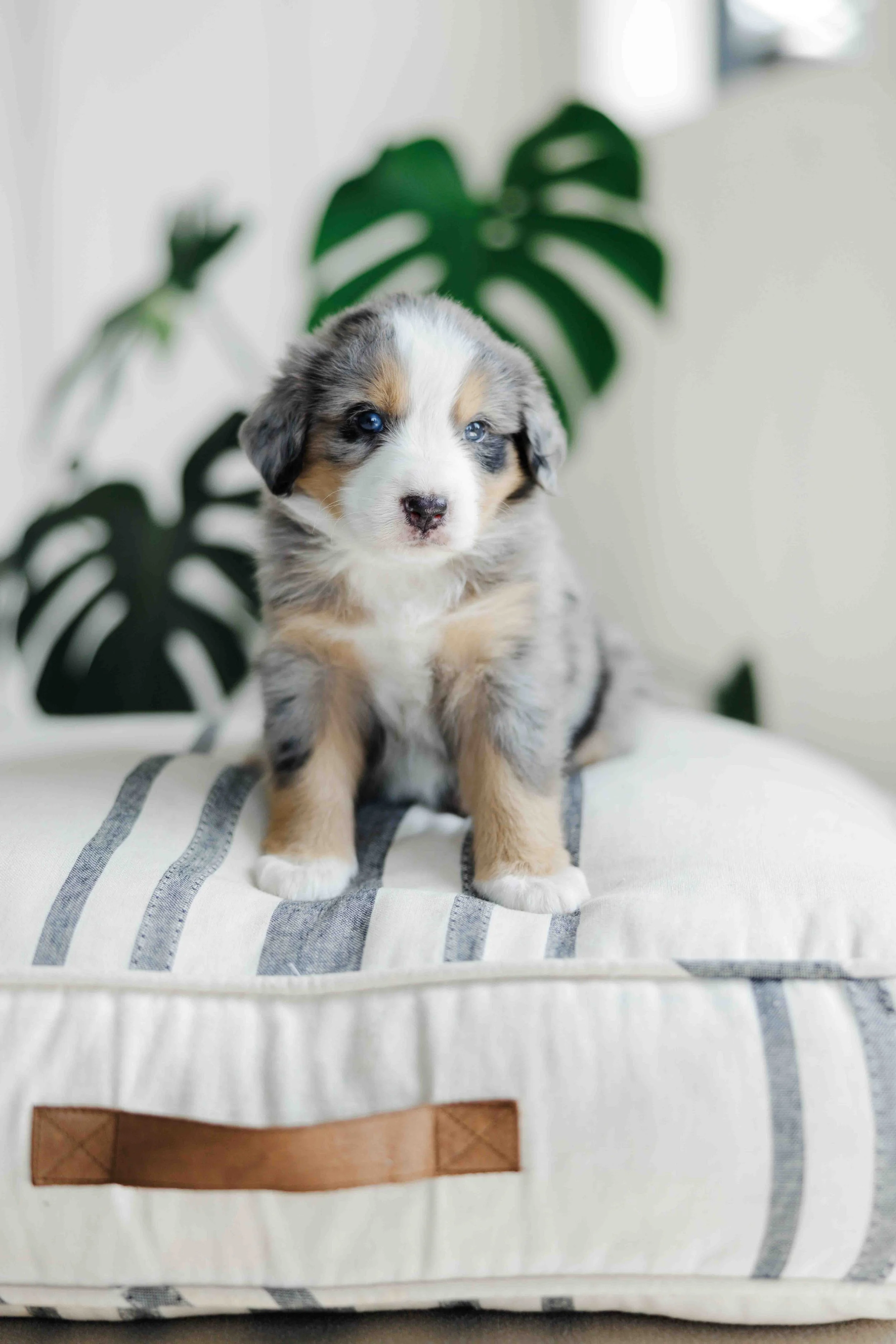
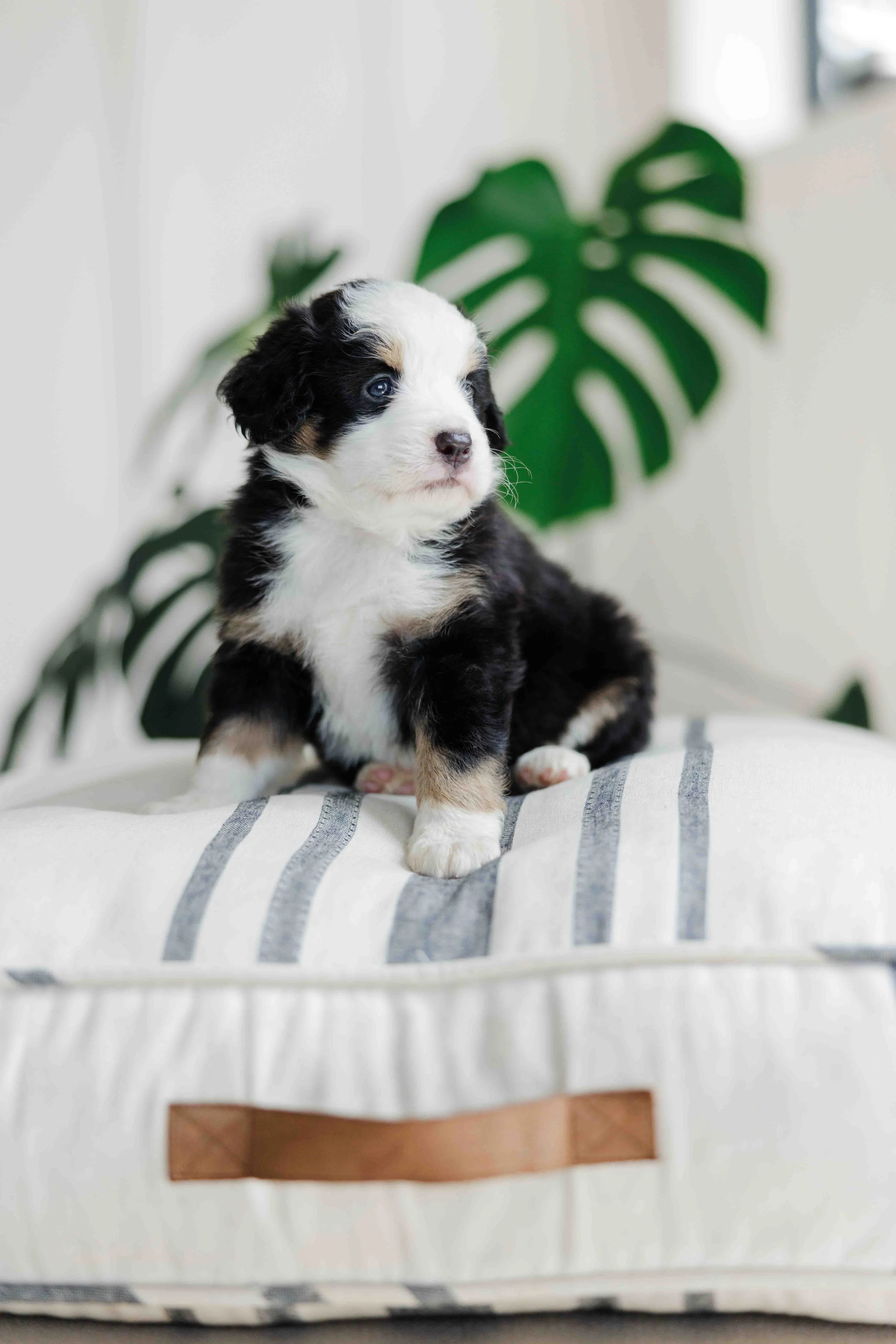
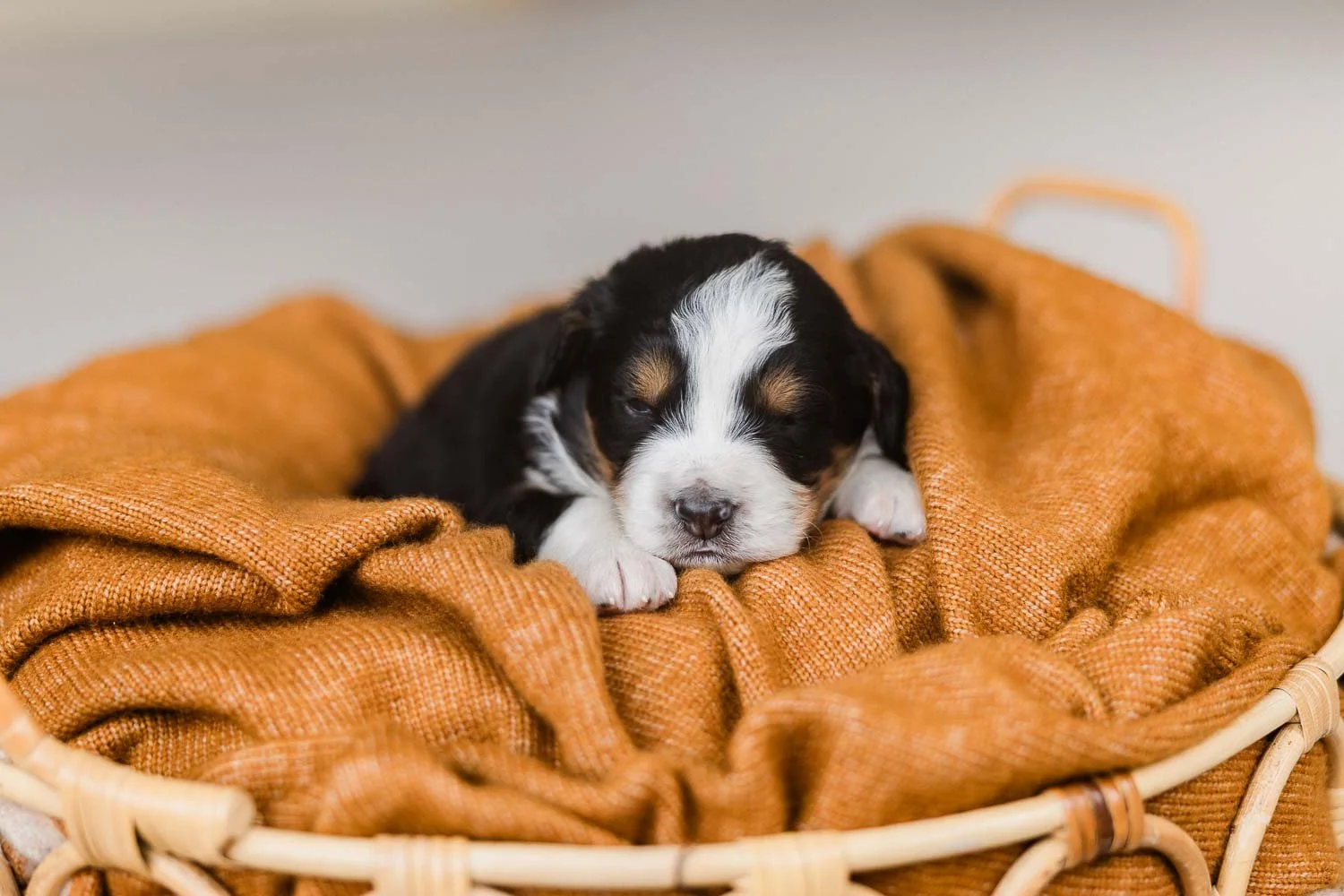
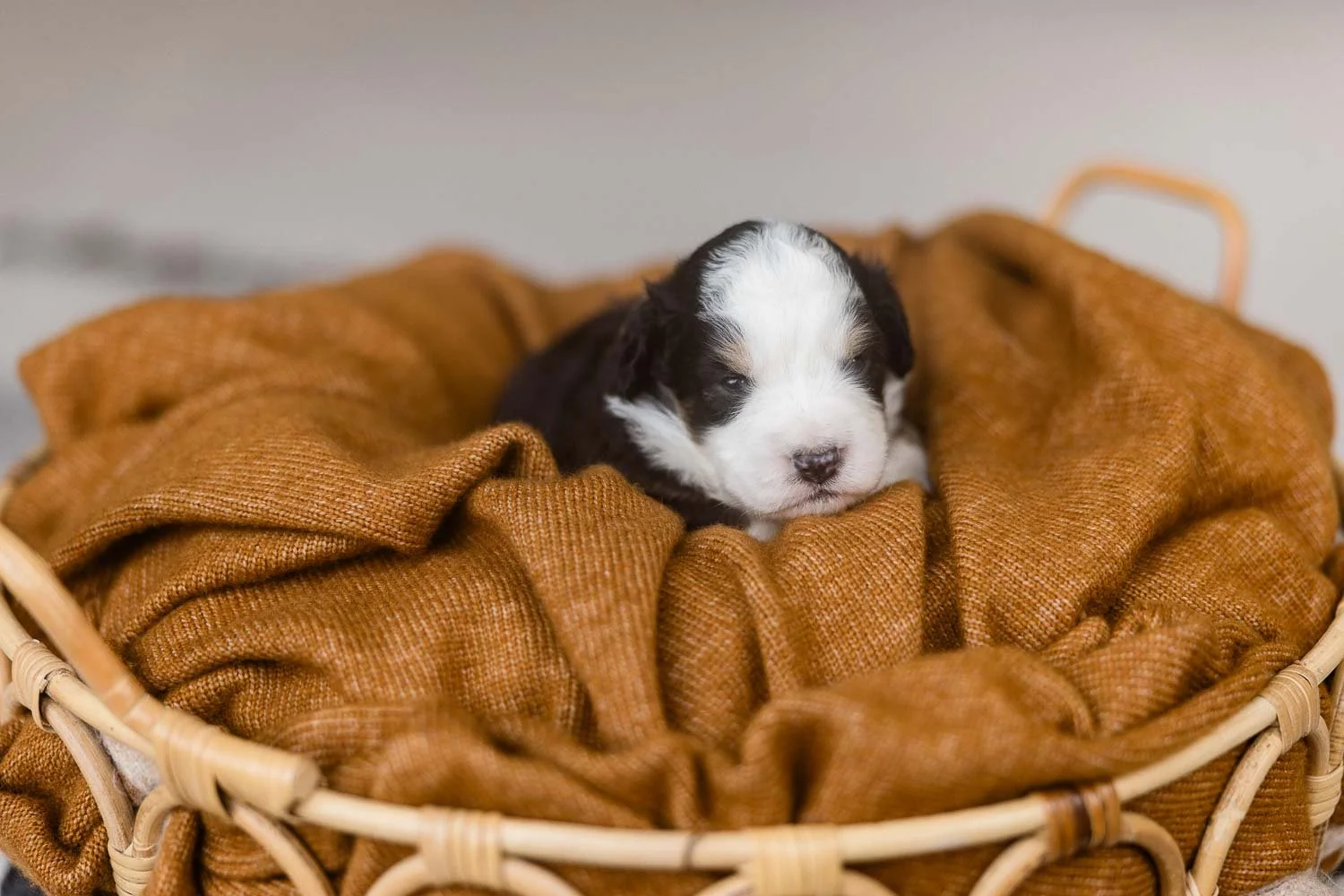
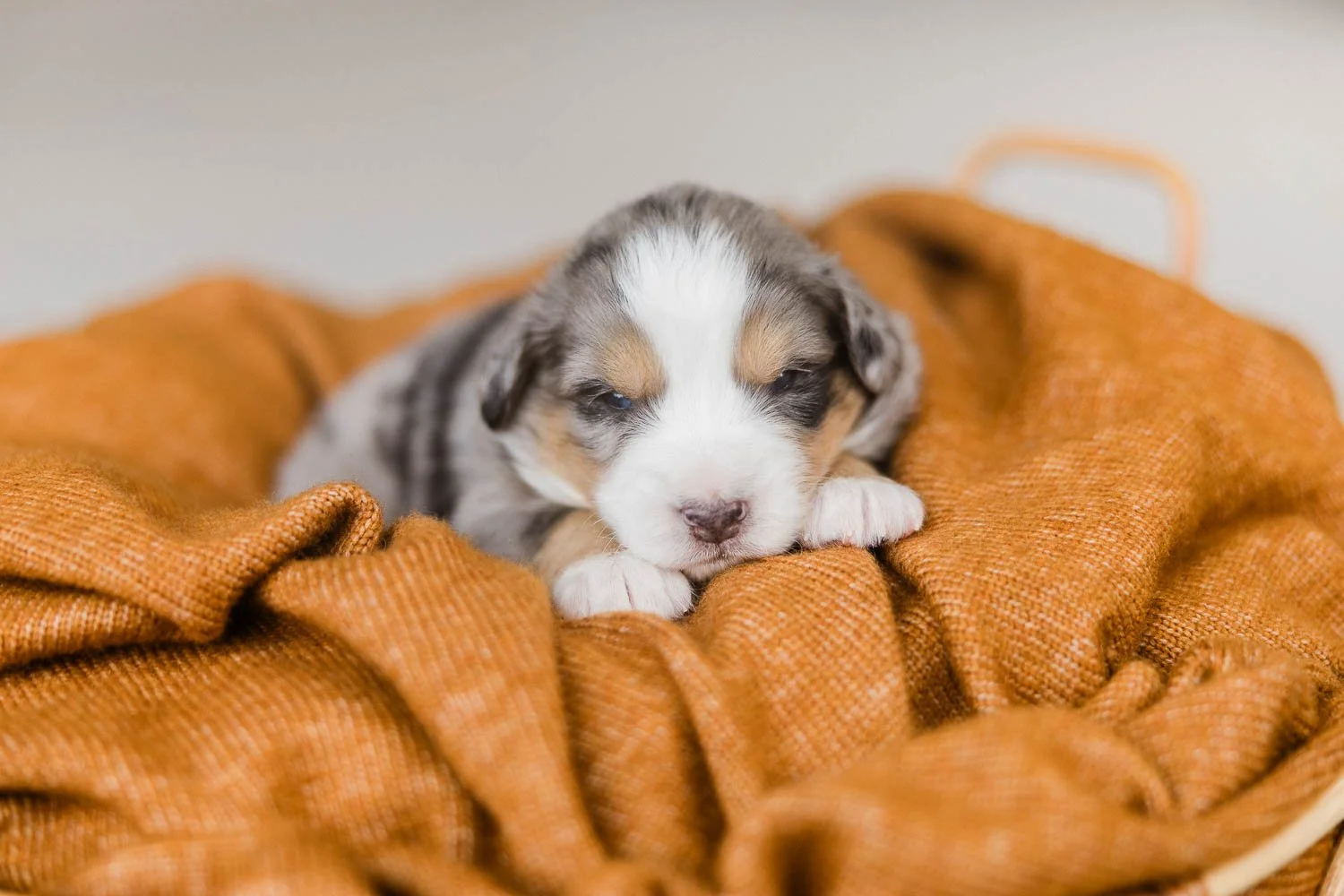
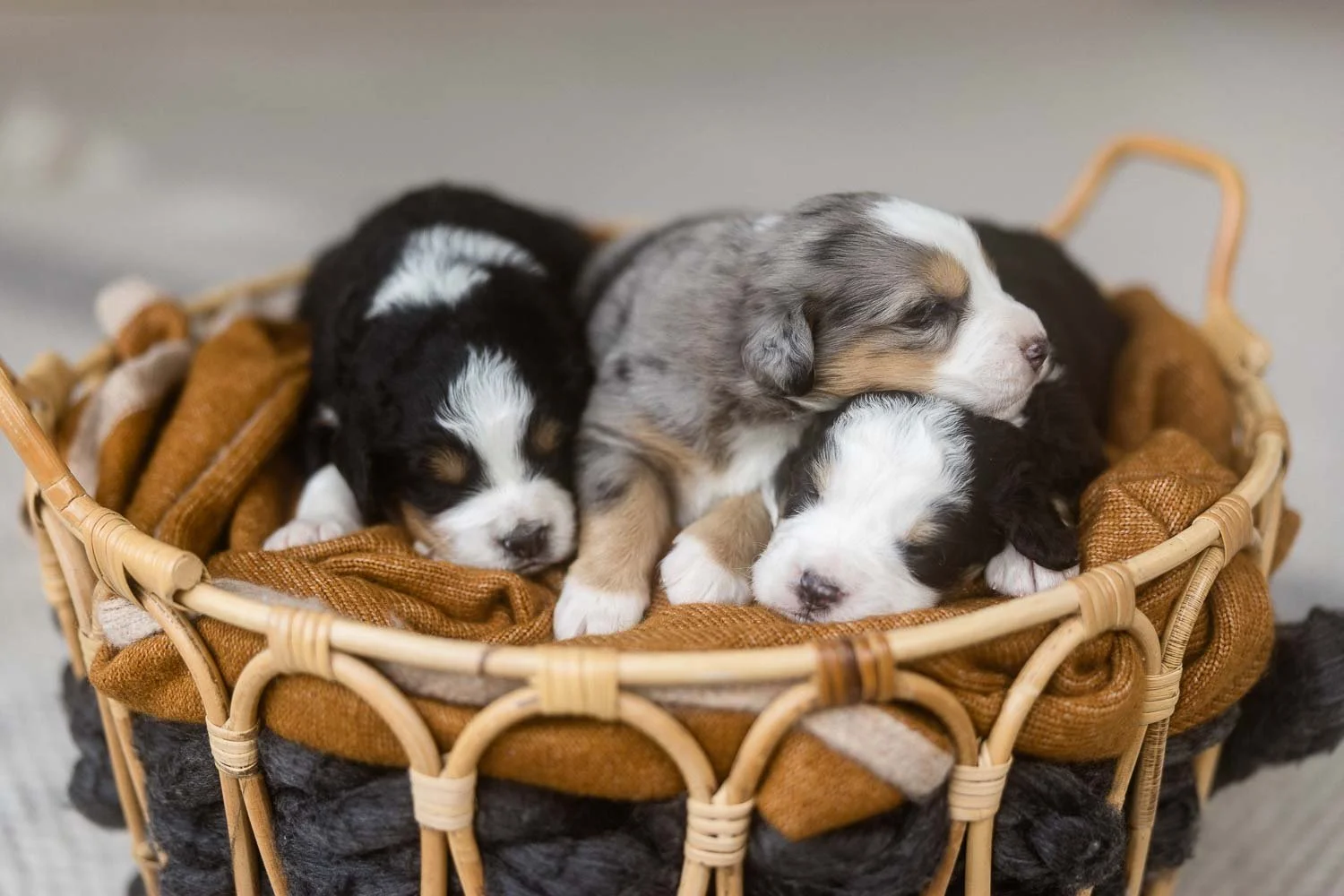
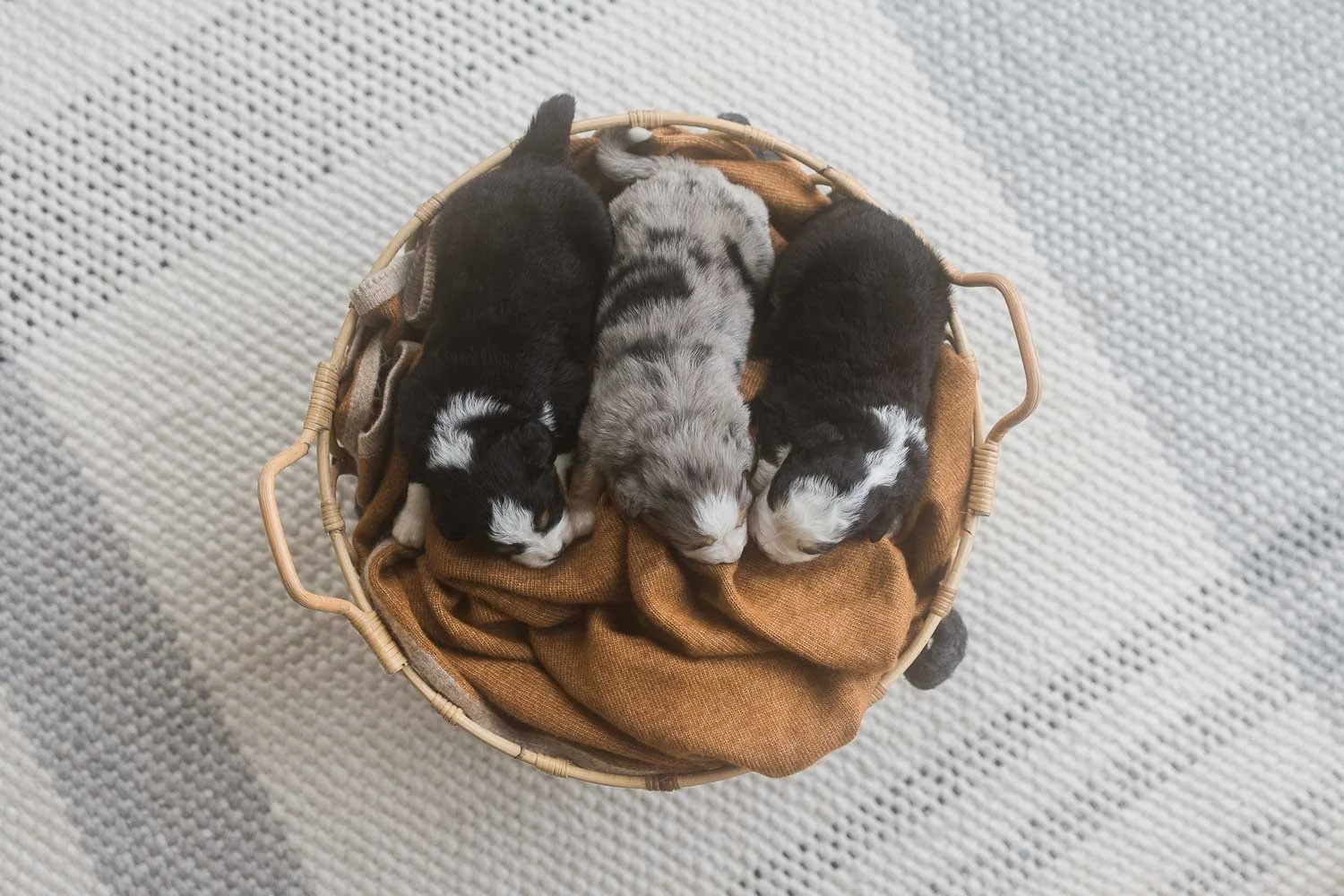
Meet Buttercup – Multigen Mini Australian Mountain Doodle from Moxie x Bowser
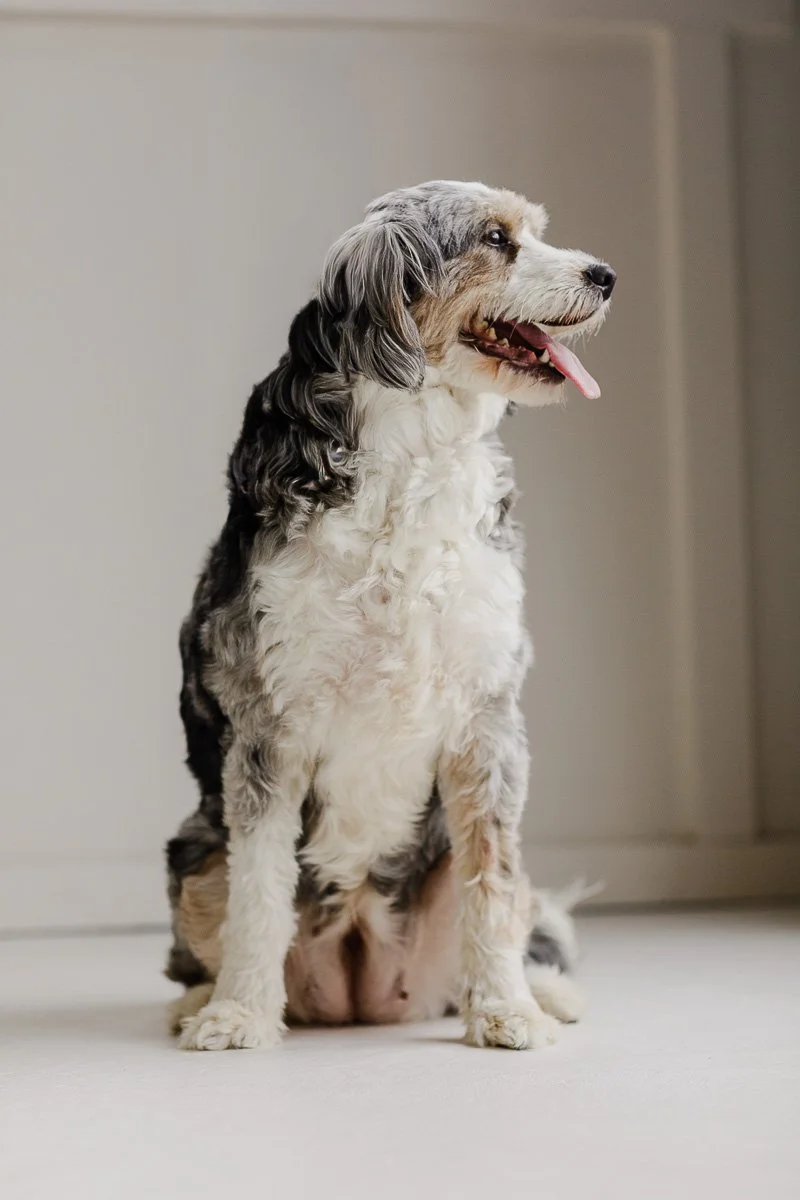
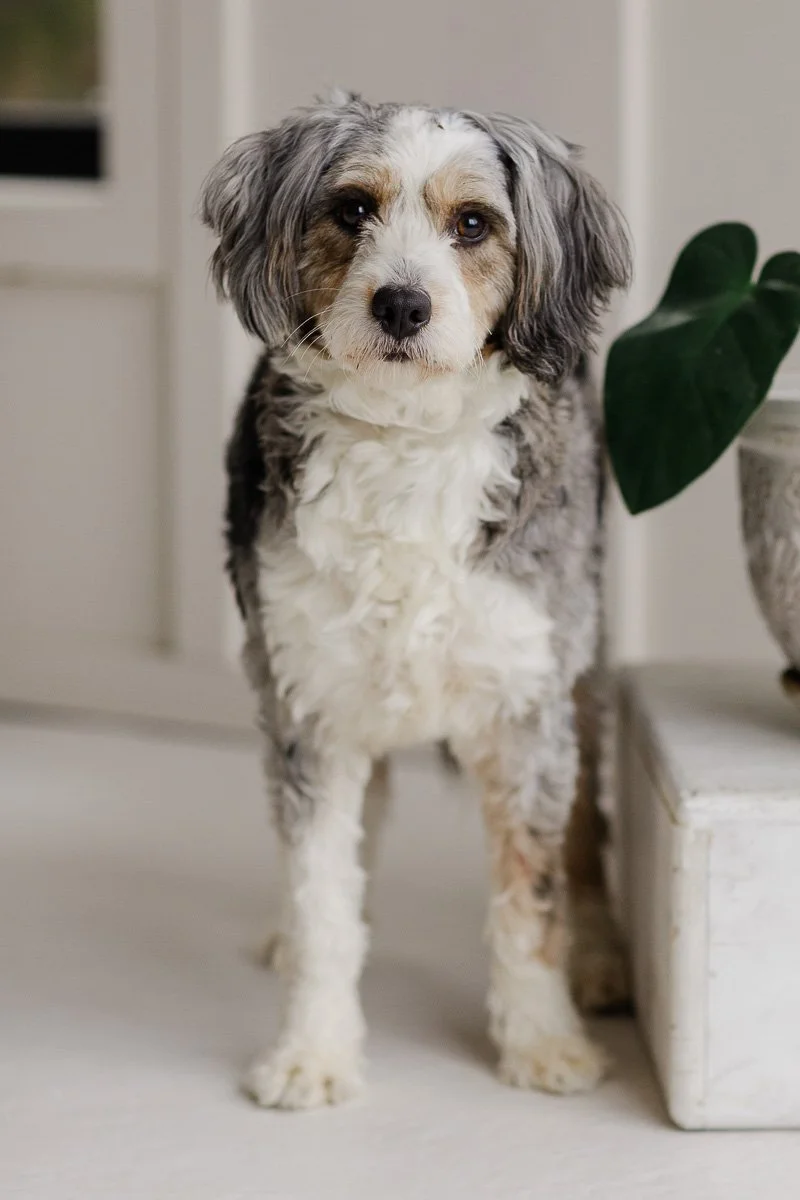


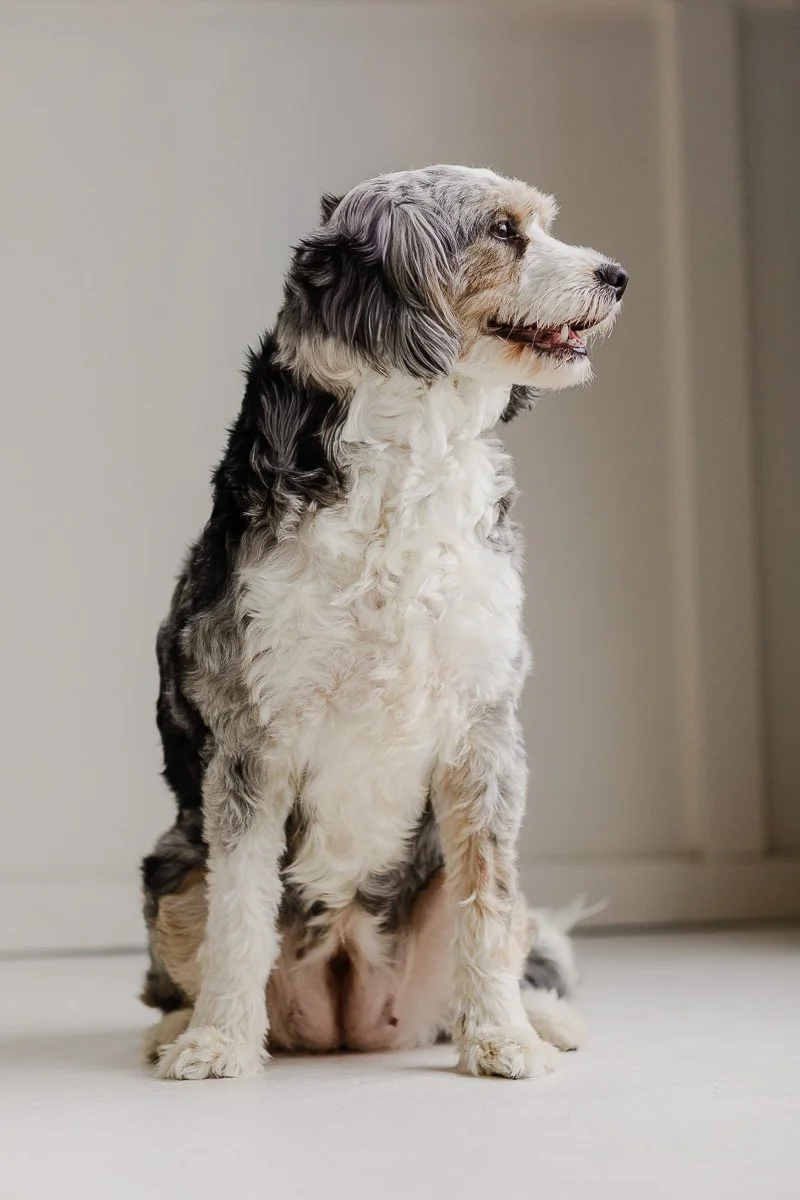
Stokeshire Pairing Profile
Buttercup × Mack. Interactive Summary
An Australian Mountain Doodle pairing that leans Bernese and Australian Shepherd, with Poodle influence entering through Buttercup. Mack is the sire (Bernese and Australian Shepherd); Buttercup is the dam (Australian Shepherd, Poodle, and Bernese). Every figure below is taken directly from the Embark reports for both parents. Tap each section to explore health, diversity, coat, and color genetics with interactive Punnett squares and percentage wheels.
Health
MDR1 the one item that matters clinically
| Sire (Mack, N/N) ↓ / Dam (Buttercup, N/mut) → | N | mut |
|---|---|---|
| N | N/N | N/mut |
| N | N/N | N/mut |
Single-copy carriers can still react to certain common medications, including some antiparasitics, sedatives, and chemotherapy agents. Owners of carrier puppies should note MDR1 status in the veterinary record before any drug is prescribed. Stokeshire discloses each puppy's status at placement. This is disclosure, not veterinary advice.
What the panel covers 273 conditions
Cleared in both parents, and therefore not possible in any puppy from this litter: Degenerative Myelopathy, Collie Eye Anomaly, Intervertebral Disc Disease Type I (CDDY), Neonatal Encephalopathy with Seizures, Exercise-Induced Collapse, von Willebrand Disease Type I, and Progressive Retinal Atrophy (prcd), along with the remaining conditions on the panel. Both parents are also non-dilute, so color dilution alopecia is not a concern.
Genetic screening addresses inherited variants only. It does not diagnose disease, does not screen for conditions with non-genetic or unidentified causes, and does not replace veterinary evaluation. Discuss results with a licensed veterinarian.
Inbreeding & Diversity
Context: the pairing crosses a fully outbred dam with a sire of separate lineage, which is expected to hold the litter at or below Mack's individual figure. Embark does not publish a pre-birth litter COI, so Stokeshire does not quote one. Litter values are reported once puppies are individually tested. Embark does not display DLA haplotypes for either parent, so no immune diversity claim is made here.
Predicted Puppy Ancestry
Predicted composition from a 74.3 / 25.7 Bernese and Australian Shepherd sire crossed with a 50.8 / 35.0 / 14.2 Australian Shepherd, Poodle, and Bernese dam:
Blue = Bernese Mountain Dog | Light copper = Australian Shepherd | Copper = Poodle
Expected averages. Individual puppies vary. The Poodle share here is modest and half the litter is unfurnished, so this is not a low-shedding pairing across the board. Stokeshire publishes the genetics openly so families choose on accurate expectations rather than assumptions attached to the word doodle.
Coat: Furnishings, Curl, Shedding
Three separate genes control what a doodle coat actually does. All three are reported here rather than collapsed into a single claim.
| Gene | Mack | Buttercup | Expected in litter |
|---|---|---|---|
| RSPO2 furnishings |
I/I | F/I | 50% furnished F/I 50% unfurnished I/I |
| KRT71 curl |
C/C | C/T | 50% C/C straighter 50% C/T wavy No curly puppies possible |
| MC5R shedding |
C/T | C/C | 50% C/C heavier 50% C/T intermediate |
Furnishings (RSPO2) 50% furnished / 50% unfurnished
| Sire (Mack, I/I) ↓ / Dam (Buttercup, F/I) → | F | I |
|---|---|---|
| I | F/I | I/I |
| I | F/I | I/I |
Unfurnished puppies are RSPO2 negative. They carry no furnishings gene, shed like a traditional coated dog, and are not marketed as hypoallergenic. No coat type from any breeder is a guarantee of allergy safety. Families with allergy concerns should spend time with an adult dog of the relevant coat type before committing.
Curl (KRT71) no curly coats possible
| Sire (Mack, C/C) ↓ / Dam (Buttercup, C/T) → | C | T |
|---|---|---|
| C | C/C | C/T |
| C | C/C | C/T |
Neither parent carries two copies of the curl variant, so no puppy in this litter can be curly. Expect straight to wavy coats. Families wanting a tight poodle-style curl should look at a different pairing.
Shedding (MC5R) 50% heavier / 50% intermediate
| Sire (Mack, C/T) ↓ / Dam (Buttercup, C/C) → | C | C |
|---|---|---|
| C | C/C | C/C |
| T | C/T | C/T |
Read the genes together. A furnished puppy that is also C/T at MC5R sheds the least in this litter. A puppy that is unfurnished and C/C at MC5R, roughly a quarter of the litter, sheds like a traditional Bernese or Australian Shepherd. Both are excellent dogs. They are not the same dog for a family managing dander in the house. Ask which combination a specific puppy carries before you commit.
Note: RSPO2 uses F and I. KRT71 and MC5R both use C and T. Two different genes with the same letters. Read the gene name beside each result.
Color Genetics (Interactive)
E Locus (MC1R) – Base and Mask ~50% carry the melanistic mask
Mack is E/E and Buttercup is Em/E. Neither parent carries recessive red, so no red puppies are possible. About half the litter inherits Em, the melanistic mask allele.
| Sire (Mack, E/E) ↓ / Dam (Buttercup, Em/E) → | Em | E |
|---|---|---|
| E | Em/E | E/E |
| E | Em/E | E/E |
K and A Loci – Pattern 100% tan point
Both parents are ky/ky at the K locus and at/at at the A locus. Both loci are fixed, so no Punnett square is needed. Every puppy inherits the tan-point pattern, also called phantom or tri: copper markings at the eyebrows, muzzle, chest, and legs against a dark base.
M Locus (PMEL) – Merle ~50% merle, no double merle possible
Buttercup carries one merle allele, typical of her Australian Shepherd lineage. Mack is m/m non-merle. About half the litter inherits merle and about half does not. Merle puppies may have blue or partially blue eyes.
| Sire (Mack, m/m) ↓ / Dam (Buttercup, M*/m) → | M* | m |
|---|---|---|
| m | M*/m | m/m |
| m | M*/m | m/m |
Embark reports Buttercup's merle allele as M*, meaning the allele length is not fully resolved. Allele length affects how strongly merle presents, so Stokeshire does not promise a specific merle appearance on any individual puppy. Any puppy placed as a future breeding prospect should be merle length tested before being bred.
B and D Loci – Pigment 100% black pigment, no dilution
B locus: Mack is B/B and contributes a B allele to every puppy, so all puppies keep black pigment at the nose, eye rims, and paw pads regardless of Buttercup's exact genotype. No brown or liver puppies are possible.
One unresolved result. Embark reports Buttercup's B locus ambiguously as B/b or b/b. The proportion of brown carriers is therefore unresolved, between half the litter and all of it. It does not change how any puppy looks and matters only for future breeding.
D locus: both parents are D/D. No blue, silver, or fawn outcomes are possible, and color dilution alopecia is not a concern in this litter.
S Locus – White Markings minimal white, no parti
Buttercup is S/sp (parti carrier) and Mack is S/S. Puppies split 50 / 50 between S/S and S/sp carriers.
True parti puppies are not possible from this pairing. White is expected to be minimal, so some puppies may present as phantom with little to no white trim.
Overall Color Phenotype Summary
- Pattern base: 100% tan point (at/at, ky/ky).
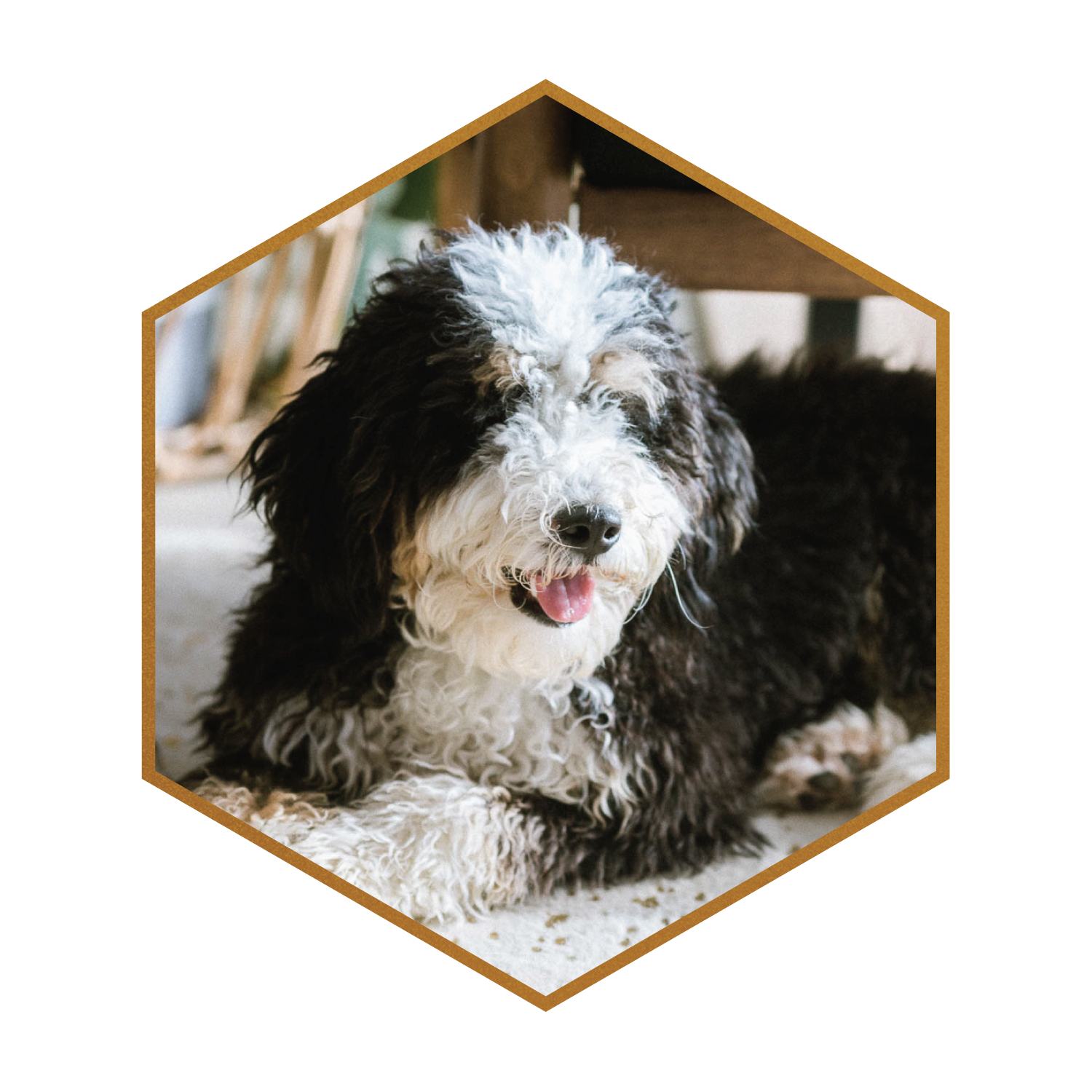
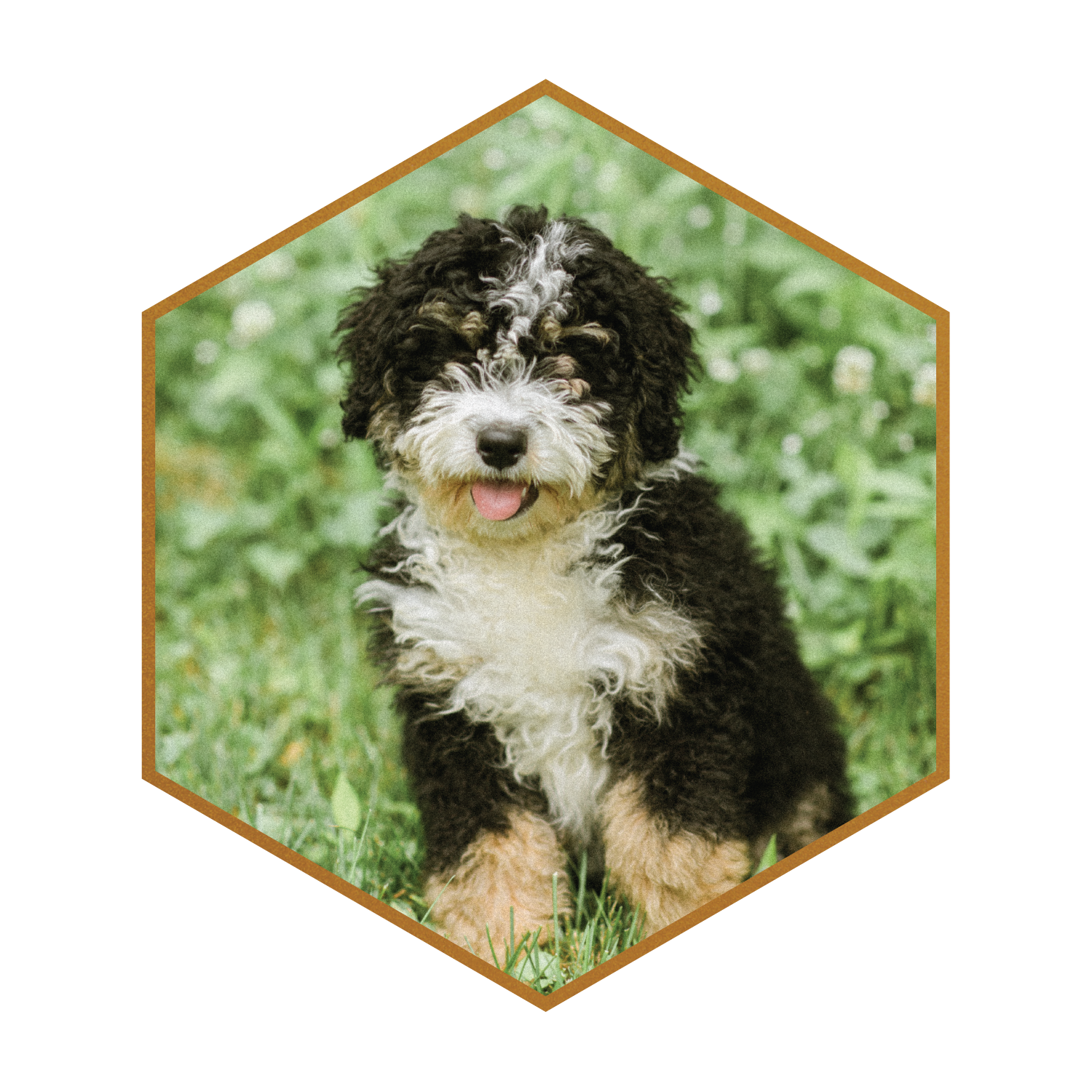
- Expected colors: black tri and blue merle tri, all with tan points and limited white trim.
- Mask: about half the litter inherits the melanistic mask, which reads as darker shading through the muzzle and face on a tan-pointed dog.
- Pigment: 100% black pigmented. No red, no brown, no dilute possible.
- Merle split: ~50% merle, ~50% non-merle. No double merle possible. Merle puppies may have blue or partially blue eyes.
- Brown carriers: unresolved between half the litter and all of it. Relevant only to future breeding.
- White: minimal. True parti not possible.
All figures are Mendelian expectations across an average litter. A single litter of six to eight puppies will not land exactly on these percentages, and Stokeshire does not guarantee any specific trait in any individual puppy.
Overview
- Health: 273-condition panel. No affected puppies possible. About half the litter are MDR1 carriers.
- Diversity: sire COI 12%, dam COI 0%. No pre-birth litter figure is quoted.
- Composition: ~44.3% Bernese Mountain Dog, ~38.3% Australian Shepherd, ~17.5% Poodle.
- Coat: 50% furnished, 50% unfurnished. Straight to wavy. No curly puppies.
- Shedding: 50% heavier, 50% intermediate. Roughly a quarter of the litter is unfurnished and heavier shedding.
- Color: black tri and blue merle tri, 100% tan point, 100% black pigment.
- Merle: ~50% inherit merle from Buttercup. No double merle risk.
- Best fit: active homes that can meet real working drive and are choosing deliberately between a furnished and an unfurnished coat.
Expected Adult Weight
The parents span 34 lb to 87 lb, which is a wide spread, so individual puppies may finish outside this range in either direction. Females typically finish toward the lower half. Expect sturdy, well proportioned dogs suited to active family life or therapy prospect development.
Temperament Outlook
This blend draws gentleness and steadiness from the Bernese Mountain Dog, intelligence and social intuition from the Australian Shepherd, and adaptability from the Poodle. The Australian Shepherd share is substantial here at roughly 38 percent, so expect dogs with real working drive that need a job, structure, and daily engagement.
These puppies suit homes that value connection, trainability, and companionship, which are the hallmarks of The Stokeshire Method. Temperament is shaped through structured early neurological and social development. It is supported by that work, not guaranteed by it.
Parent Profiles
Mack – "SDD McElprang von Feta's Apollo Stokes"
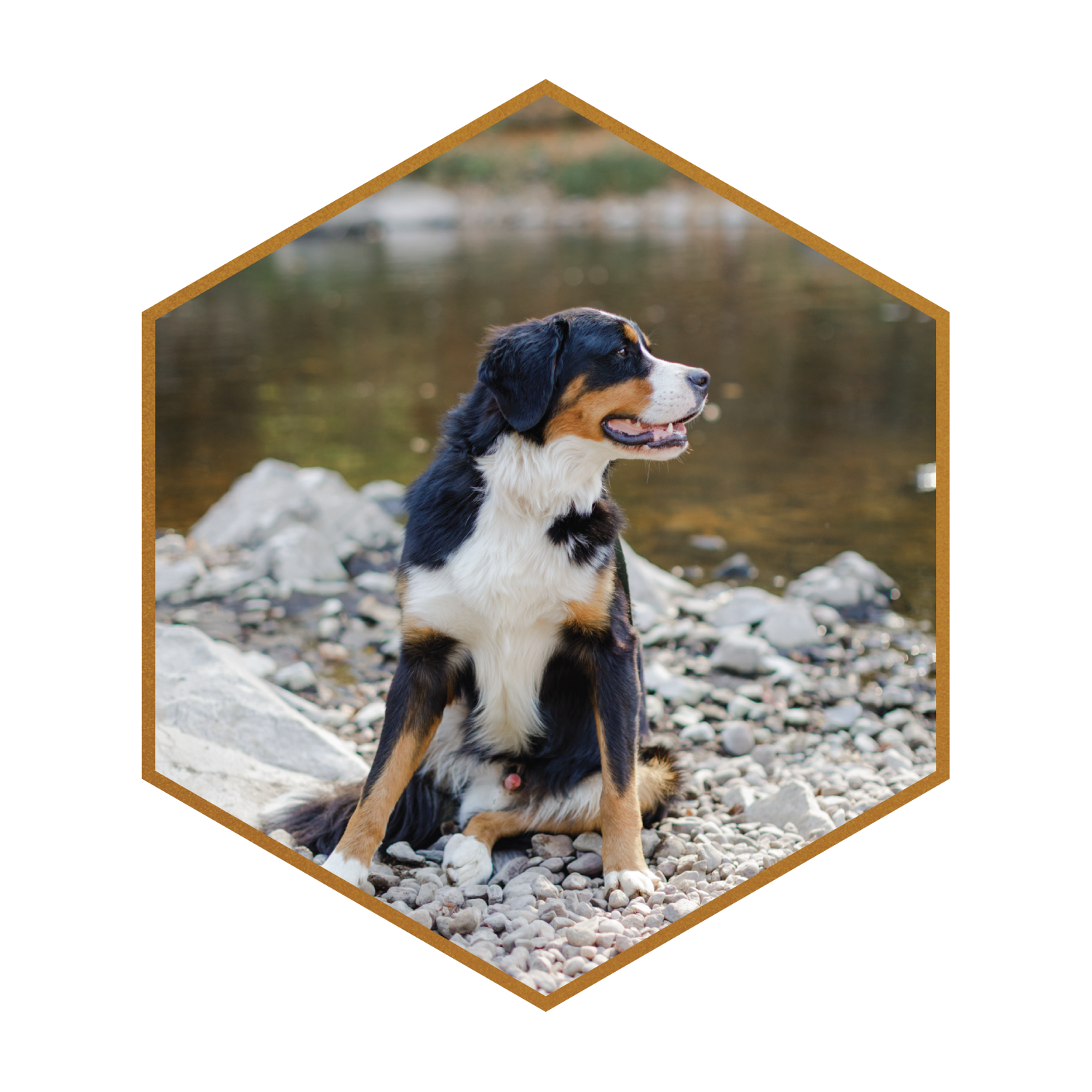
74.3% Bernese Mountain Dog and 25.7% Australian Shepherd. Heavy bone, deep chest, and the calm Bernese temperament this line is known for. 87 lb. COI 12%. Embark tested on 273 conditions and clear on all 273. Unfurnished at RSPO2 and non-merle, which is what removes double merle risk from this pairing.
View Mack's Embark ProfileButtercup – "SDD Moxie's Rohan Buttercup Stokes"
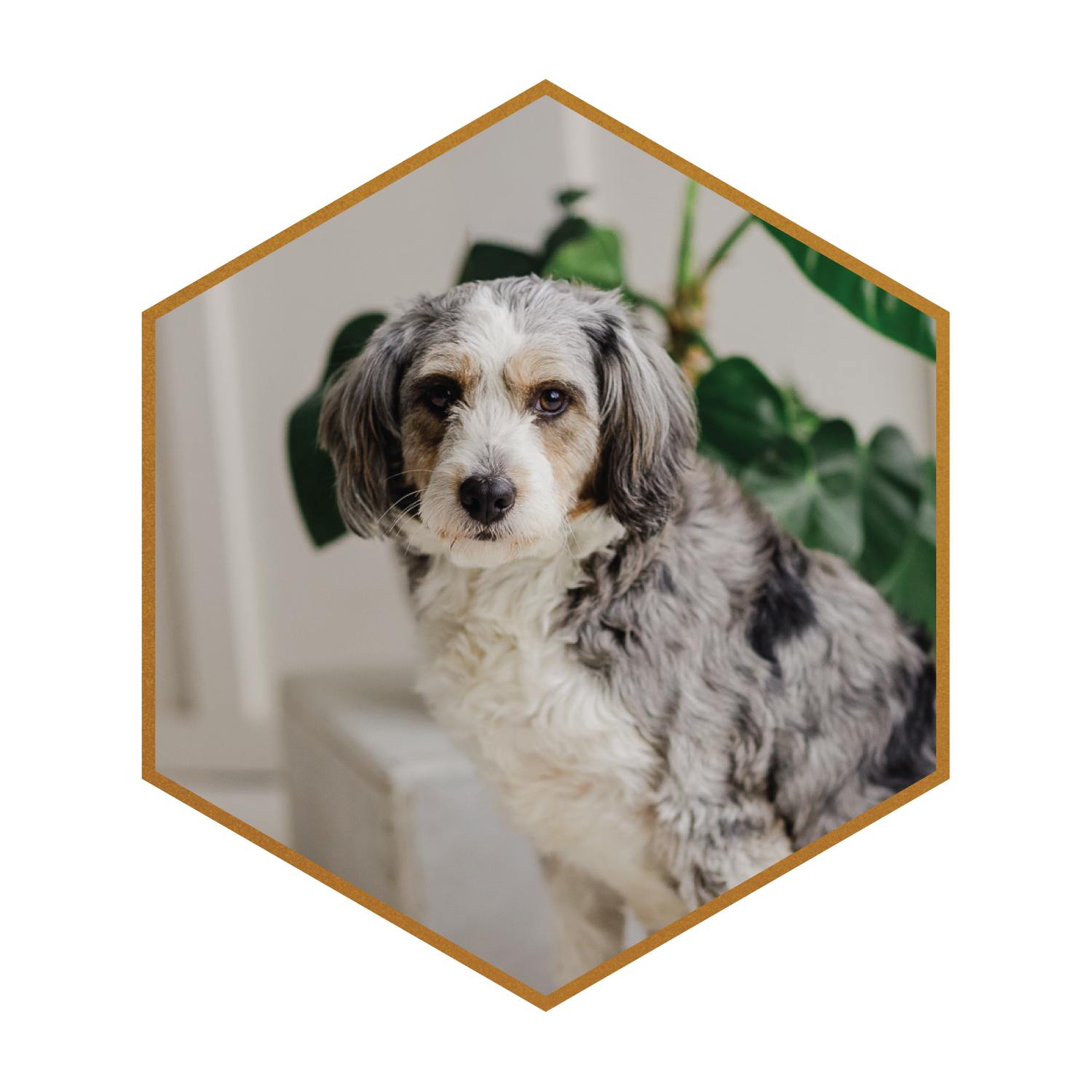
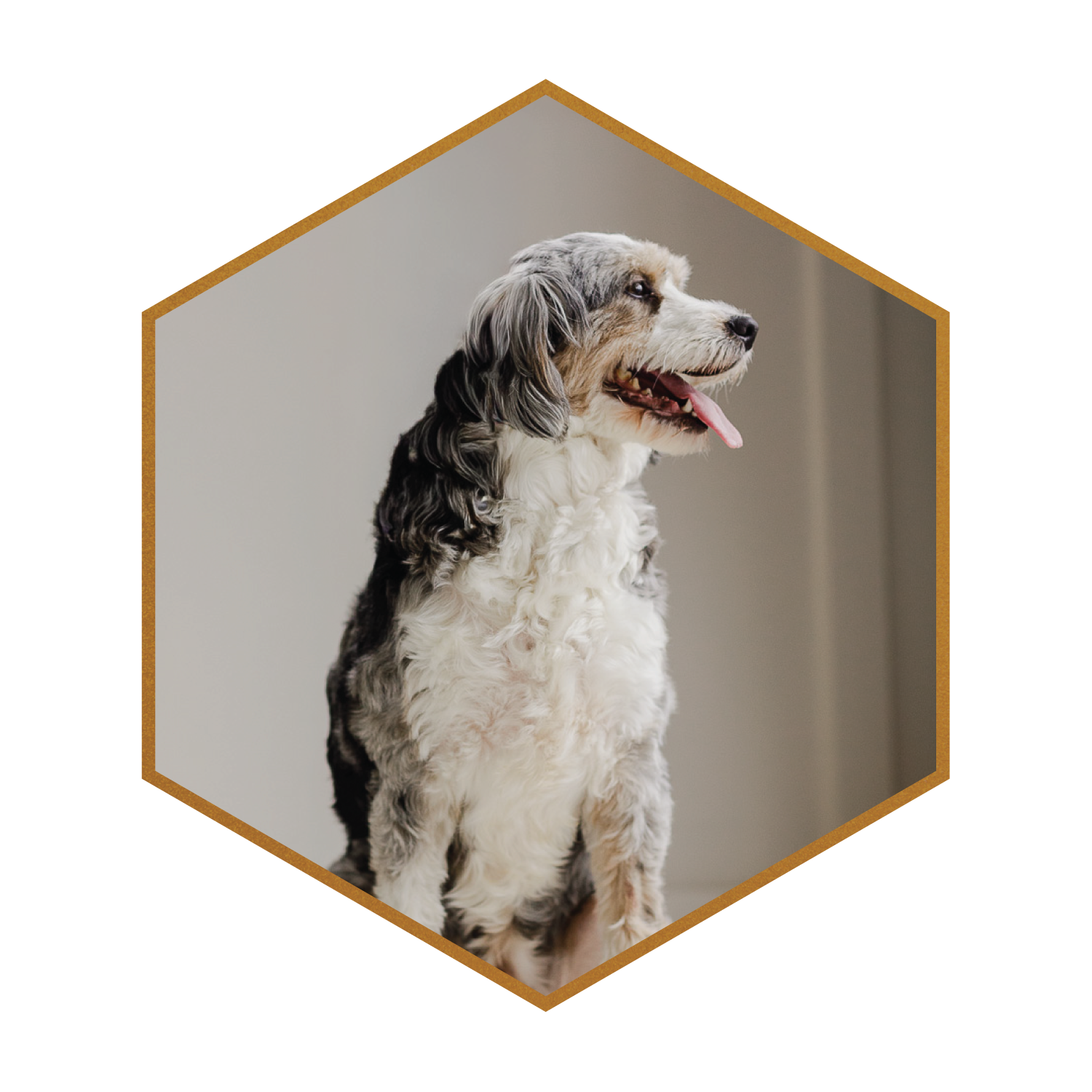
50.8% Australian Shepherd, 35.0% Poodle (small variety), and 14.2% Bernese Mountain Dog. Athletic build, strong topline, furnished wavy coat. 34 lb. COI 0%, fully outbred. Embark tested on 273 conditions and clear on all except one copy of the MDR1 variant. Merle carrier and parti carrier.
View Buttercup's Embark ProfileLearn more in The Genetics Behind Shedding in Doodles. Nothing on this page is veterinary advice. Bring it to your veterinarian at your puppy's first visit.
Mack × Buttercup · Australian Mountain Doodle
Projected coat and shedding outcomes
Percentages below are Mendelian expectations from the Embark genotypes of both parents. They describe the litter as a whole. Individual puppy testing confirms the result for any one puppy.
Expected litter split by gene
Where this litter sits on the Stokeshire shedding index
Projected adult range is approximately 55 to 70 pounds, which places this litter in the Stokeshire Standard category. Poodle percentage alone does not determine shedding. Furnishings, curl, and the MC5R variant have to be read together, and the published research shows RSPO2 and MC5R interacting rather than acting independently. An unfurnished puppy from this pairing should be considered a moderate to high shedding dog and is not described as hypoallergenic. Families who want the smooth face with the more predictable shedding outcome should ask for the individual MC5R result and select a C/T puppy where one is available.
References
Cadieu, E., Neff, M. W., Quignon, P., Walsh, K., Chase, K., Parker, H. G., VonHoldt, B. M., Rhue, A., Boyko, A., Byers, A., Wong, A., Mosher, D. S., Elkahloun, A. G., Spady, T. C., Andre, C., Lark, K. G., Cargill, M., Bustamante, C. D., Wayne, R. K., & Ostrander, E. A. (2009). Coat variation in the domestic dog is governed by variants in three genes. Science, 326(5949), 150-153. https://doi.org/10.1126/science.1177808
Hayward, J. J., Castelhano, M. G., Oliveira, K. C., Corey, E., Balkman, C., Baxter, T. L., Casal, M. L., Center, S. A., Fang, M., Garrison, S. J., Kalla, S. E., Korniliev, P., Kotlikoff, M. I., Moise, N. S., Shannon, L. M., Simpson, K. W., Sutter, N. B., Todhunter, R. J., & Boyko, A. R. (2016). Complex disease and phenotype mapping in the domestic dog. Nature Communications, 7, Article 10460. https://doi.org/10.1038/ncomms10460
Online Mendelian Inheritance in Animals. (n.d.). OMIA:002750-9615: Reduced hair shedding, MC5R-related in Canis lupus familiaris. University of Sydney. https://omia.org/OMIA002750/9615/
Vredegoor, D. W., Willemse, T., Chapman, M. D., Heederik, D. J. J., & Krop, E. J. M. (2012). Can f 1 levels in hair and homes of different dog breeds: Lack of evidence to describe any dog breed as hypoallergenic. Journal of Allergy and Clinical Immunology, 130(4), 904-909. https://doi.org/10.1016/j.jaci.2012.07.033
Embark Veterinary. (2025). Genetic test results for SDD McElprang "Mack" von Fetas Apollo Stokes and SDD Moxie's Rohan Buttercup Stokes [Owner data]. Embark. https://embk.me/sddmcelprangmackvonfetasapollostokes
Stokeshire Designer Doodles. (2026). Australian Mountain Doodle coat types: A genetics-first guide. https://www.wisconsindesignerdoodles.com/australian-mountain-doodle-coat-types