
The Science of Shedding: Genetics and the Future of Doodles
For so many families, the search for a perfect canine companion begins with a few hopeful keywords: “low-shedding, allergy-friendly doodles.” It’s a quest for a dog that brings all the joy and unconditional love without leaving a trail of fluff on every surface. At Stokeshire, we believe every family deserves that warm, wagging-tail greeting at the door, and we’re using science to make that dream a reality. We're moving beyond conventional breeding to pioneer the next generation of doodles: the unfurnished, single-coated companion.
This isn’t just about reducing vacuuming; it’s about a more intentional approach to breeding. By understanding the genetics behind a dog's coat, we can create doodles that are a better fit for more families. It’s a future where the signature doodle personality comes with a coat that’s easier to manage, making the bond between you and your pup even stronger.
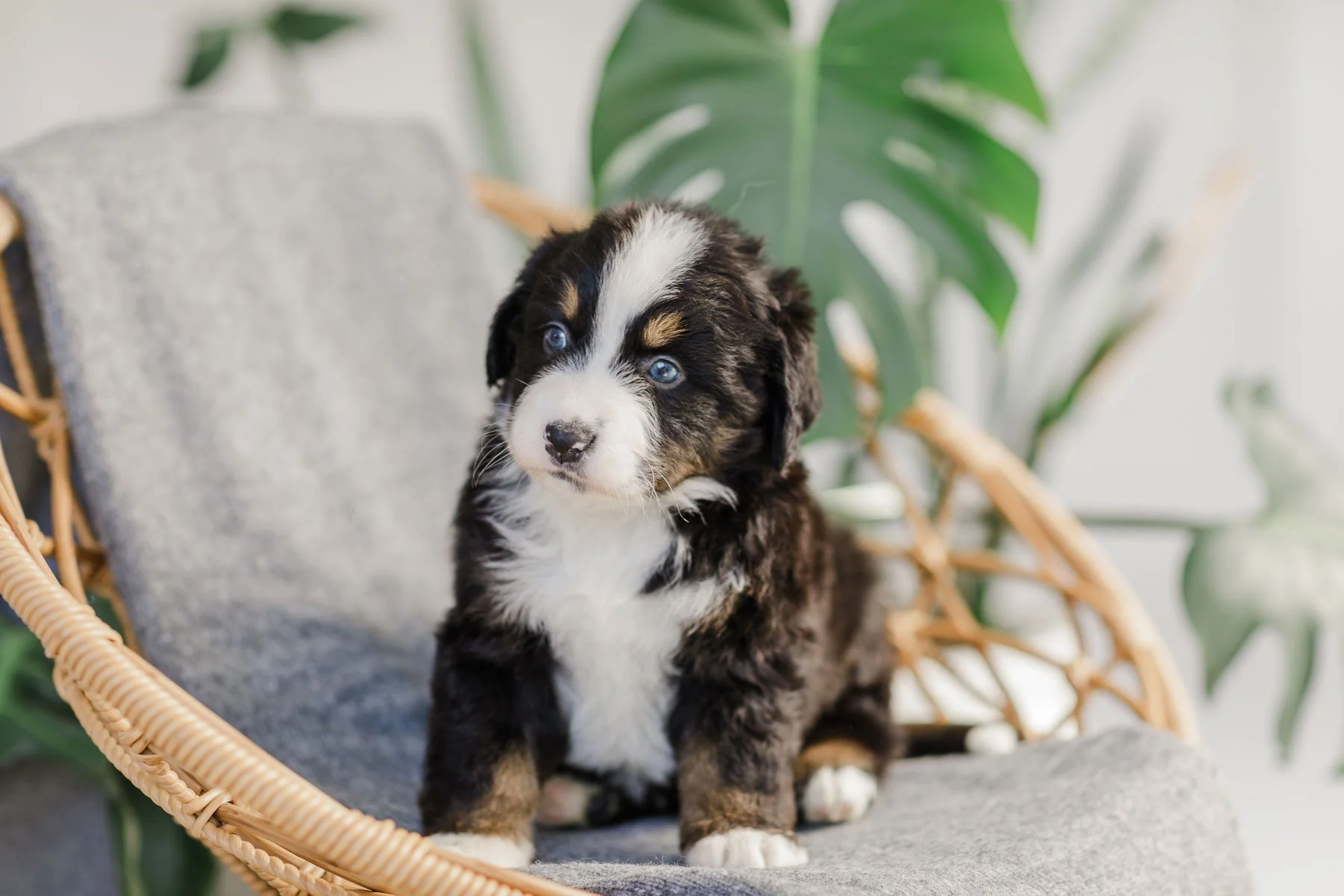
Shedding 101: A Tale of Two Coats
To understand the future of doodle coats, we first need to look at the basics. A dog’s shedding pattern is largely determined by the difference between a single coat vs double coat dog. Think of it as the difference between a simple windbreaker and a heavy-duty winter parka.
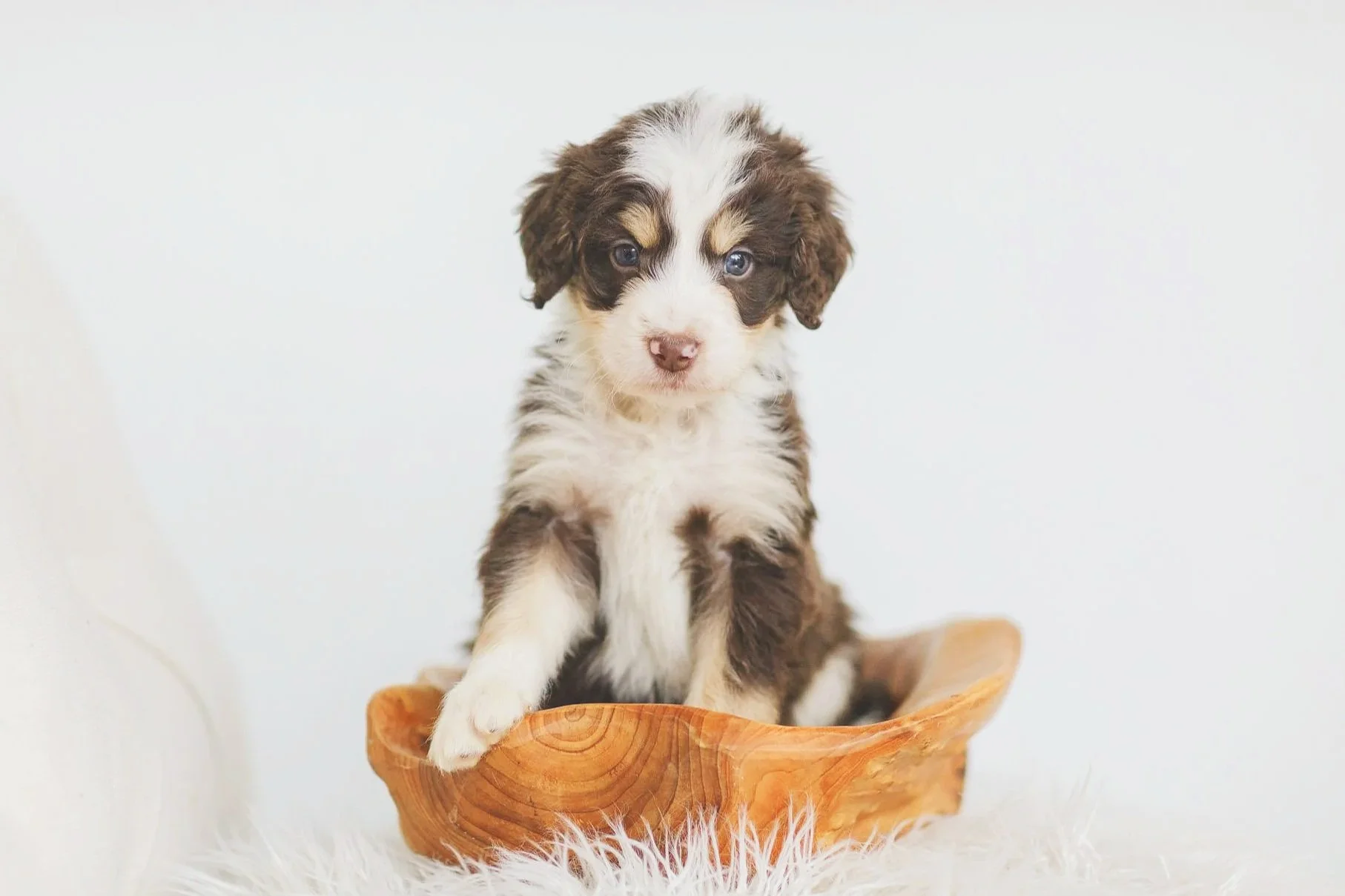
Fw Doodle with Weak Furnishings
Most dogs bred for cold climates, like Bernese Mountain Dogs, have a double coat. This consists of a soft, dense undercoat for insulation and longer guard hairs for protection. While effective for warmth, this undercoat is the primary culprit behind seasonal shedding “blows,” where clumps of fur are shed in the spring and fall.
In contrast, single-coated dogs, like Poodles, lack this dense undercoat. They still shed, just as humans lose hair, but it’s a much more gradual and manageable process. This is why doodles were created—to combine the desirable traits of another breed with the Poodle's low-shedding single coat. However, the results can be unpredictable. That’s where unfurnished doodle genetics comes in.
The Genetic Puzzle of the Perfect Coat
Creating the ideal doodle coat is like assembling a complex puzzle, with each piece representing a specific gene. Our dedication to this craft is backed by academic rigor; we employ meticulous genetic testing for doodles and rely on respected veterinary resources to guide our breeding decisions. Four key genes are at the center of this work:
The Furnishings Gene (RSPO2): This gene gives doodles their signature look—the fluffy, bearded face and distinguished eyebrows we love. Dogs with at least one copy of this gene are "furnished." Those without it have a smooth, "unfurnished" face, more like a Bernese Mountain Dog.
The Shedding Gene (MC5R): This is a game-changer. The MC5R gene directly influences shedding. Dogs with a "CC" genotype are heavy shedders, while those with a "TT" genotype are very light shedders.
The Curl Gene (KRT71): This gene determines whether a coat is straight, wavy, or curly. While not directly impacting shedding volume, it affects grooming needs, as tightly curled coats can be prone to matting.
The Coat Length Gene (FGF5): This gene controls hair length. Longer coats naturally require more brushing and upkeep.
For years, the assumption was that an unfurnished doodle would automatically be a high-shedding dog. But low-shedding Bernedoodle science tells a different story. By combining an unfurnished (smooth-faced) RSPO2 genotype with the low-shedding "TT" MC5R genotype, we can intentionally produce a dog with a single coat that sheds very little.
Why a Low-Shed, Low-Maintenance Coat Matters
Understanding the science is one thing, but connecting it to everyday life is where the magic happens. This focus on genetics isn't just an academic exercise; it has a profound impact on the families and individuals who welcome our doodles into their homes.
For Busy Families and Professionals
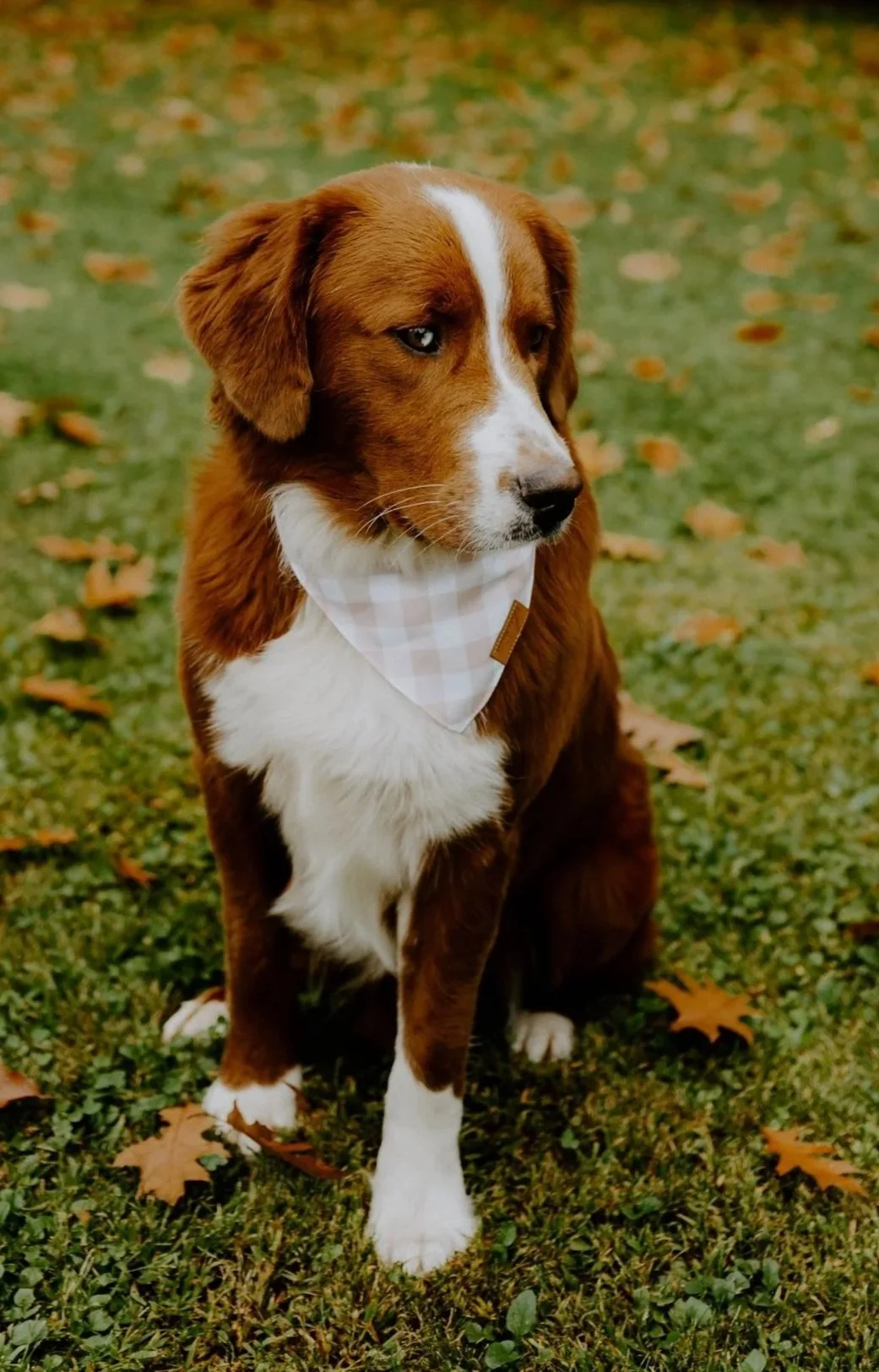
A low-maintenance coat means more time for what truly matters: connection. For busy families juggling school runs and work deadlines, or for professionals like therapists and teachers who want to bring a dog into their workspace, a dog that doesn't require daily, intensive grooming is a game-changer. It means fewer trips to the groomer, less time spent brushing out mats, and more time for park visits and evening cuddles.
For Your Wallet and Your Dog’s Well-being
Professional grooming is a significant and recurring expense. A dog with a simpler, single coat can dramatically reduce those long-term costs. More importantly, it impacts your dog's health and longevity. High-maintenance coats are prone to painful matting, which can trap moisture and lead to skin irritation or infections. Reducing the need for constant, sometimes stressful, grooming sessions also improves a dog's overall welfare, especially for sensitive dogs or those in therapy and service roles.
Stokeshire: Innovator, Educator, and Trusted Breeder
At Stokeshire, we are not just following trends; we’re shaping them. Our F1 Bernedoodles, carrying the right recessive genes, produced a litter of F2 puppies that were exactly what the science predicted: unfurnished, single-coated, and remarkably low-shedding. This was more than a successful litter; it was a practical confirmation of what intentional breeding can achieve.
Our commitment to transparency and excellence is reflected in our A+ rating from the Better Business Bureau. We see ourselves as educators, dedicated to helping families understand the science behind their future companion. This is the foundation of the Stokeshire Method—a holistic approach that combines:
Comprehensive Genetic Testing: We use Embark DNA testing for all parent dogs to make informed breeding choices.
Phenotype Tracking: We meticulously document the physical traits of our puppies to refine our program continuously.
Ongoing Research: We are committed to future breeding goals, including ongoing Embark studies and partnerships to deepen our understanding of coat genetics.
We are passionate about building a legacy of healthier, more robust companions by selecting for both ideal coat types and crucial health markers together.
Beyond “Hypoallergenic”: An Honest Conversation
It’s crucial to have an honest conversation about allergies. While there is much allergy-friendly dog coat research, the medical reality is that no dog is 100% hypoallergenic. Allergic reactions are typically caused by proteins in a dog’s dander, saliva, and urine.
Our goal isn’t to make an impossible promise. It’s to provide families with a companion that fits their lifestyle. For many, managing shedding is key. A low-shedding, single-coated doodle leaves behind less hair and dander, significantly reducing the allergen load in a home. This honest, science-based messaging is the foundation of the trust we build with every family.
The Future of Family-Friendly Doodles
As we look to the future, we see incredible potential for this new generation of doodles. Picture a quiet evening, a gentle pup snoozing at your feet—that’s the kind of cozy haven we aim to create. With their calmer coats that require less salon-style upkeep, these dogs are excellent candidates for therapy and support roles, where a low-stress grooming routine is a true blessing.
They open up the world of doodle ownership to families who love the breed’s joyful personality but are hesitant about high-maintenance grooming. Stokeshire is proud to be at the forefront of this movement, using science, passion, and a deep love for these dogs to shape a brighter, less-fluffy future for the breed we adore.
FAQ: Do Unfurnished Dogs Shed — And How Much?
-
Yes — unfurnished dogs do shed. The absence of “furnishings” (i.e. the RSPO2 gene allele for facial beard/eyebrows) only removes the wiry facial hair, not the biological processes behind hair growth and turnover. Shedding is a normal physiological process in all dogs.
-
The amount of shedding in an unfurnished dog depends on multiple genetic factors, especially the MC5R gene, but also interacting loci (e.g. RSPO2, KRT71). In practice:
If an unfurnished dog carries MC5R = CC (the “ancestral” allele), it tends to shed more heavily (often seasonally) than an unfurnished dog carrying the TT low-shedding genotype.
An unfurnished dog with TT at MC5R can achieve shedding levels comparable to low-shed furnished dogs, particularly if coat texture is favorable (straight to wavy rather than tightly curled).
However, the absence of undercoat (i.e. a more single-coat structure) helps make shed hair more visible (or less hidden) — so even light shedding can seem more obvious than when a dense undercoat traps hairs in a double coat system.
-
The optimal genotype for minimizing shedding while maintaining an unfurnished coat is:
RSPO2 = IC/IC (i.e., unfurnished, smooth face)
MC5R = TT (low shedding)
KRT71 in “straight or gently wavy” alleles (to reduce matting and loose hair release)
FGF5 = LL (long coat) so hair length can help slow the release of loose fibers
When those gene combinations align, the dog can carry a single-coat, unfurnished phenotype with relatively low shedding. These dogs are unlikely to produce zero shed, but their shedding is gradual, dispersed, and less noticeable.
-
Yes — dogs with MC5R = CC can still be part of the breeding program if their coat phenotype is exceptional (minimal undercoat, low visible shedding) and you mate them to a TT partner. Offspring that inherit T alleles can then be selected. But a CC genotype is riskier for shedding control in unfurnished lines.
-
Beyond genetics, these variables play a role:
Seasonal changes / photoperiod: Dogs typically shed more in spring/fall cycles.
Diet & nutrition: Poor nutrition or deficiencies can exacerbate shedding.
Health status & hormonal balance: Skin conditions, thyroid issues, stress, or illness can increase shedding.
Environment: Indoor heating, humidity, and allergens can affect hair loss rates.
Grooming: Regular brushing, bathing, and coat care help capture loose hair before it ends up on floors and furniture
-
You might see a few fine hairs on furniture or clothing, rather than clumps or “fur clouds.”
You won’t need daily sweeping or vacuuming of large amounts of hair.
Coat maintenance is manageable (brushing every few days, monthly bathing) rather than intensive grooming appointments.
Seasonal “blow outs” are minimal or absent compared to typical double-coated breeds.
-
No. Shedding and allergen production are related but separate. Dogs — whether furnished, unfurnished, high-shedding or low-shedding — still produce proteins like Can f 1, Can f 5, and other dander components that can provoke allergies in sensitive people.
What “low shedding” can do is reduce how much hair and dander circulate in the environment, which can help manage allergen exposure. But it does not guarantee allergy-free status.
References
Cadieu, E., Neff, M. W., Quignon, P., Walsh, K., Chase, K., Parker, H. G., Vonholdt, B. M., ... & Ostrander, E. A. (2009). Coat variation in the domestic dog is governed by variants in three genes. Science, 326(5949), 150–153. https://doi.org/10.1126/science.1177808
Vredegoor, D. W., Willemse, T., Chapman, M. D., Heederik, D. J., & Krop, E. J. (2012). Can f 1 levels in hair and homes of different dog breeds: Lack of evidence to describe any dog breed as hypoallergenic. Journal of Allergy and Clinical Immunology, 130(4), 904–909.e7. https://doi.org/10.1016/j.jaci.2012.05.013
Whitaker, D. T., Ostrander, E. A., & Wayne, R. K. (2019). Detecting signatures of relaxed selection in dog domestication. G3: Genes, Genomes, Genetics, 9(4), 1177–1187. https://doi.org/10.1534/g3.118.200984
American Academy of Allergy, Asthma & Immunology. (n.d.). Pet allergy: Are there hypoallergenic dog breeds? Retrieved September 24, 2025, from https://www.aaaai.org
University of California, Davis – Veterinary Genetics Laboratory. (n.d.). Canine coat genetics: Furnishings, shedding, curl, and length tests. Retrieved September 24, 2025, from https://vgl.ucdavis.edu