
Are Bernedoodles Hypoallergenic? Separating Fact from Fluff
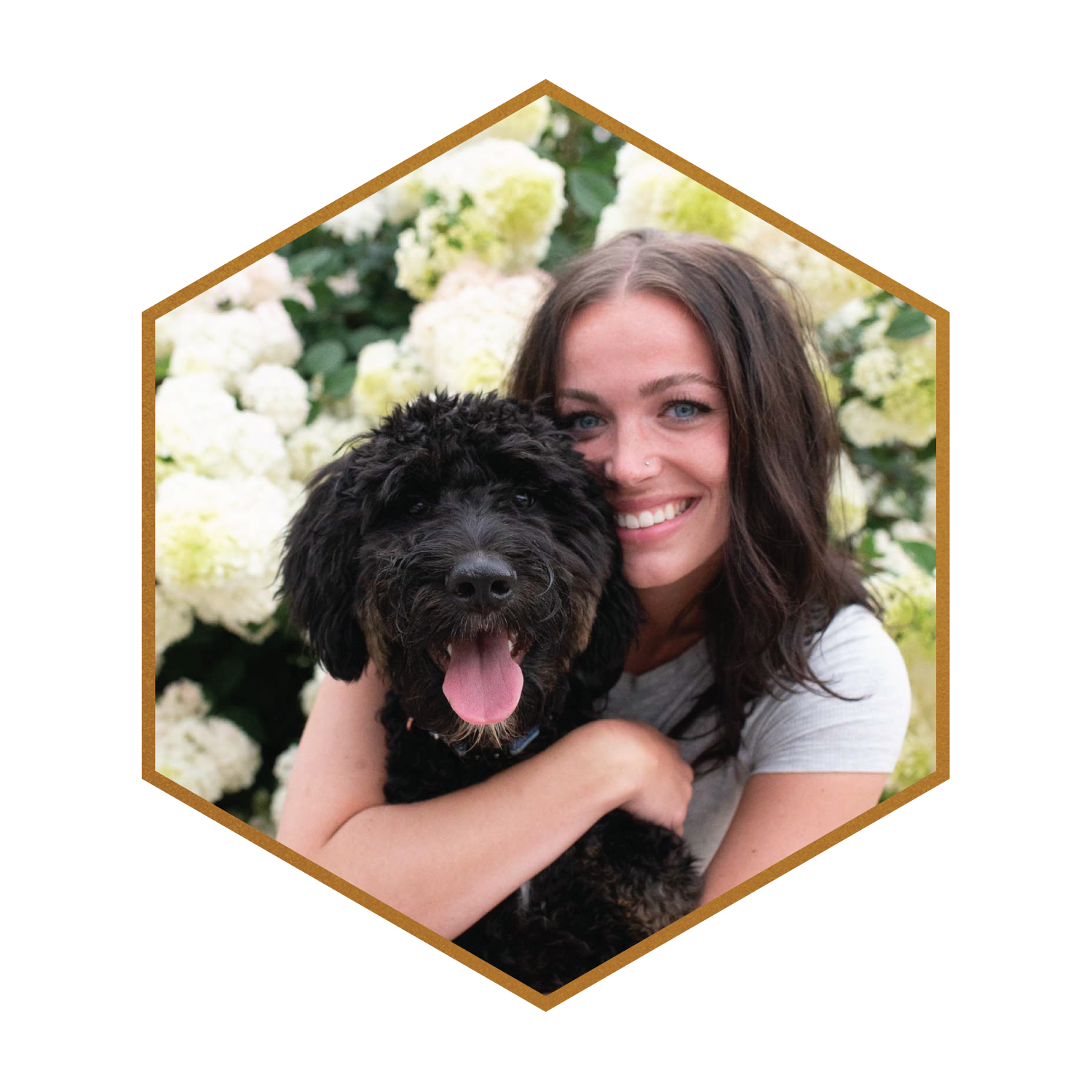
If you’ve flicked through social media or walked in a local park in recent years, chances are you’ve spotted the striking, fluffy figure of a Bernedoodle. The breed, a clever and affectionate mix of Bernese Mountain Dog and Poodle, has surged in popularity, capturing the hearts of dog lovers worldwide. However, its appeal goes beyond looks and temperament. Among the many questions swirling about Bernedoodles, one stands out for allergy-prone pet enthusiasts: Are Bernedoodles hypoallergenic? This post will dig deep into the question, exploring not only the status of Bernedoodles but also what hypoallergenic really means for dog-owning enthusiasts.
Understanding Hypoallergenic Dogs
Before we can discuss the hypoallergenic status of Bernedoodles, we first have to understand the term and the medical condition it refers to. Allergic reactions to dogs are typically triggered by proteins in the animal’s dander, saliva, and urine, which can cause a range of symptoms, from mild sniffling and sneezing to severe asthma attacks. The concept of hypoallergenic breeds came about to suggest that certain dogs produce fewer allergens or cause a milder allergic response in some people. But is this just a marketing ploy, or is there real science behind it?
Debunking Common Myths About Hypoallergenic Dogs
There are several pervasive myths about hypoallergenic dogs. The first is that they are completely allergy-proof, which isn’t the case. No dog breed is truly allergy-proof; however, some breeds are less likely to cause an allergic reaction in sensitive individuals. The second myth is that hypoallergenic breeds are a guarantee of a reaction-free experience. Dogs, just like humans, are complex organisms influenced by genetics, environment, and individual variation. The hypoallergenic label, therefore, should be seen as a spectrum rather than a yes or no question.
The Role of Genetics in Dog Allergens
The idea that dog breeds can be less allergenic is rooted in genetics. It is believed that the curly coats of Poodles, Labradoodles, and other similar breeds produce fewer allergenic proteins and shed less dander. When it comes to Bernedoodles, do they inherit this quality from their Poodle side, or do the traits of their Bernese Mountain Dog heritage override them? We'll investigate further.
Personal Accounts and Scientific Studies on Bernedoodles and Allergies
For those considering a Bernedoodle but wary of allergies, it's important to gather as much information as possible. Personal accounts are a good start, but they should be supplemented by scientific research. We'll examine what studies suggest about the hypoallergenic nature of Bernedoodles and whether they live up to the hype for allergy sufferers.
Tips for Allergy Sufferers Considering Bernedoodles
If you're set on a Bernedoodle as your next furry companion, there are steps you can take to minimize allergic reactions. This includes grooming routines, understanding your own allergic triggers, and fostering a clean living environment that supports both you and your pet.
While Bernedoodles are already allergy-friendly, here are some tips for allergy sufferers that may help reduce any allergic reactions:
Regular Grooming: Frequent brushing of your Bernedoodle’s coat can significantly reduce dander and loose hair, helping to maintain a cleaner home environment. Aim for at least once a week, or more often during shedding seasons.
Create an Allergen-Free Zone: Designate certain areas of your home, such as bedrooms, as pet-free zones. This helps to minimize exposure while still allowing you to enjoy time with your dog in common spaces.
Invest in HEPA Filters: Utilize high-efficiency particulate air (HEPA) filters in your home to trap allergens effectively. These filters can purify the air, capturing dander and other particles that may trigger allergic reactions, ensuring a healthier living space for both you and your Bernedoodle.
Choose the Right Cleaning Products: Opt for hypoallergenic cleaning products that are less likely to release harmful chemicals or additional allergens into your environment. Keeping surfaces clean will limit dust accumulation and dander buildup.
Establish a Bathing Routine: Regular baths can help keep your Bernedoodle’s coat clean and reduce allergens. Aim for a bath every month, using a gentle, hypoallergenic dog shampoo that won’t irritate either of your skin sensitivities.
Common Questions About Hypoallegenic Bernedoodles
Do Bernedoodles cause allergic reactions in people with dog allergies?
Bernedoodles are often allergy-friendly, but no dog is completely hypoallergenic. Because they inherit traits from the Poodle, many Bernedoodles shed less dander and hair than other breeds, which can reduce allergic reactions. Still, sensitive individuals may react depending on the coat type and personal allergy levels.
Are mini Bernedoodles more or less hypoallergenic than standard Bernedoodles?
Mini Bernedoodles and standard Bernedoodles are both considered low-shedding and allergy-friendly thanks to their Poodle lineage. Hypoallergenic qualities, however, depend more on the individual dog’s coat type than on size. A mini Bernedoodle with a curly, Poodle-like coat may shed less and trigger fewer allergy symptoms than a standard Bernedoodle.
How does the coat type of a Bernedoodle affect its hypoallergenic status?
Curly, Poodle-like coats are the most hypoallergenic, while wavy coats are moderately allergy-friendly and straighter coats are the least.
The coat type of a Bernedoodle significantly influences its hypoallergenic status. Generally, Bernedoodles possess three distinct coat types: straight, wavy, and curly. Curly coats, akin to those of Poodles, tend to trap dander and hair more effectively, which minimizes their spread in the environment. This characteristic helps reduce potential allergens that sensitive individuals might encounter.On the other hand, straight or wavy coats may shed more hair and dander into the surrounding space, possibly leading to increased allergic reactions.
What does it mean when a dog is called allergy-friendly versus hypoallergenic?
“Allergy-friendly” means a dog produces fewer allergens, while “hypoallergenic” means it’s less likely to trigger allergic reactions but is not allergen-free.
However, this term is not a guarantee that allergic reactions won't occur; rather, it indicates a lower likelihood. In contrast, "hypoallergenic" implies that the dog is less likely to provoke an allergic response due to minimal shedding and dander production.
Can someone with mild pet allergies own a Bernedoodle safely?
Yes, many people with mild allergies may be able to live comfortably with a Bernedoodle, especially F1B or multigen dogs with curly coats.
Which doodle breeds are most hypoallergenic compared to Bernedoodles?
Goldendoodles, Labradoodles, and Aussiedoodles are often considered highly hypoallergenic, but F1B and multigen Bernedoodles can be just as allergy-friendly.
Each doodle breed combines the Poodle’s low-shedding coat with another breed, and the percentage of Poodle genetics often determines the level of hypoallergenic qualities. Families looking for consistency may find Goldendoodles a great option, but Bernedoodles with the right coat can be equally allergy-friendly and offer the loyalty of the Bernese Mountain Dog.
What grooming routine helps keep Bernedoodles more hypoallergenic?
Weekly brushing, regular baths, and professional grooming every 6–8 weeks help keep Bernedoodles allergy-friendly.
A consistent grooming routine reduces shedding, controls dander, and helps avoid skin health issues. Using positive reinforcement while brushing or bathing makes grooming easier for both puppies and adult Bernedoodles. Keeping the coat trimmed and clean not only supports their life expectancy but also creates a healthier environment for allergy-sensitive families.
Do Bernedoodles shed less than other breeds?
Yes, Bernedoodles shed far less than most traditional breeds, especially those with curly coats.
Thanks to their Poodle lineage, Bernedoodles are a great choice for families who want a companion without constant vacuuming. While wavy or straight-coated Bernedoodles may shed more than curly-coated ones, they are still a good fit compared to heavy-shedding breeds. Grooming and coat maintenance are important for keeping their shedding low and ensuring they remain a great option for allergy-sensitive homes.
Are there any health concerns related to allergies in Bernedoodles?
Bernedoodles may also develop allergic reactions due to skin or food allergies.. Owners can help their Bernedoodle maintain a healthy coat with regular grooming, bathing, and early vet visits to address any issues.
What is the best hypoallergenic Bernedoodle?
The best hypoallergenic Bernedoodles are usually F1B or multigen with curly, Poodle-like coats.
These generations have a higher percentage of Poodle genetics, which makes them one of the best hypoallergenic dogs. When combined with regular grooming, a healthy diet, and proactive care, they are a good fit for homes looking for a loving companion with reduced allergen impact.
Which is more hypoallergenic, Bernedoodle or goldendoodle?
Goldendoodles are often slightly more consistent in hypoallergenic coats, but F1B or multigen Bernedoodles can be equally allergy-friendly.
Both breeds carry Poodle genetics that reduce shedding and dander, but Goldendoodles are sometimes a great option for families wanting consistency. Bernedoodles, however, bring the loyal and calm traits of the Bernese Mountain Dog, which makes them a great choice for families who want a balance of temperament and allergy-friendliness.
Conclusion
In the grand tug-of-war between allergies and affection for our four-legged friends, the debate about hypoallergenic breeds rages on. When it comes to Bernedoodles, the jury is still out. While personal anecdotes may indicate a lower likelihood for allergenic reactions, hard scientific evidence is more elusive. Allergy sufferers must weigh the knowns and unknowns before bringing a Bernedoodle into their lives.
Ultimately, the decision to add any breed of dog to your family is deeply personal and should be well-informed. For those whose hearts are set on a Bernedoodle, a conversation with a breeder or a trial period with a dog could provide essential clarity. And remember, any decision about pet ownership should involve consultation with a healthcare professional to manage allergies safely and effectively.
Pet ownership is a tremendous joy and responsibility. By taking a thoughtful and strategic approach, allergy sufferers can increase the odds of a harmonious life with any dog, hypoallergenic or otherwise. The allure of a pet's companionship, after all, is as powerful as any scientific finding or marketing label.
About the Author and Breeder: James Stokes of Stokeshire Designer Doodles

James Stokes is a trusted breeder in Wisconsin. For more than ten years, James has worked to raise healthy doodles that the families can love. He works with his wife and kids every day. Together, they have found homes for over 650 puppies for families in the U.S. and Mexico.
At Stokeshire, all our Bernedoodles are:
Health-tested puppies are available. They have a two-year genetic guarantee.
Hand-raised in a family home. They are not kept in kennels.
Socialized early with ENS, sounds, and family time. This helps them feel safe and relaxed.
Lovingly matched to each family. Every puppy is chosen to fit well with their family’s way of life and needs.
Raised ethically and with care.
James sees doodles as much more than pets. He says they are the friends we have for our whole lives. He wants to raise dogs that are smart. These dogs feel good, fit in well with the family, and are the right choice for people who get allergies.
Stokeshire is in Medford, Wisconsin. They bring puppies to people across the country and to Mexico. The way they move the puppies is safe. It does not make them feel stressed.
Learn More About Hypoallergenic Doodle Dogs
If allergies are a concern for you or your family, explore our complete guide to hypoallergenic doodle coats, shedding, and how to choose the best allergy-friendly puppy.
Read the Hypoallergenic Doodle Guide →Want more allergy-friendly tips?
View All Hypoallergenic Articles →