
Cart 0
Cart 0
 
Vet Records for Breeding Team
 

State Documentation


State Compliance Snapshot

  • WI DATCP Dog Seller License: 514401-DS (Tier: 100–249 dogs/year)
  • License year: Oct 1 – Sept 30 (renews by Sept 30)
  • Puppy age: No transfers before 7 weeks.
  • Health paperwork: Every sale/adoption includes a Certificate of Veterinary Inspection (CVI) signed within 10 days of the exam; valid for 30 days.
  • Recordkeeping: Required dog and transaction records are retained for ≥5 years at our principal place of business; guardian-home addresses are on file and available to DATCP.
Breeding Team
Calendar
Vet Records
Medical Log
GUARDIAN HOMES
Litters
Orders
WRITTEN BEHAVIOR AND SOCIALIZATION PLAN
Requirementsfor Dog Sellers & Dog Facility Operators

Going forward all puppies will need to be covered under either an INTER-state or INTRA-state Certificate of Veterinary Inspection from your veterinarian.  For puppies that are being picked up (not shipped) can be listed on a Wisconsin Intra-state Dog Seller Certificate of Veterinary Inspection.  As we discussed, each buyer needs to get a copy of a certificate and you need to retain a copy in your files. 

  • Here is a link for your reference which details the import requirements for dogs.  Please keep in mind that dogs imported into Wisconsin from other states must be covered under a valid CVI (certificate of veterinary inspection) and be vaccinated against rabies (if of age).  Dogs purchased within the state do not need to be covered under a CVI unless they are coming from another licensed breeder. 

https://datcp.wi.gov/Pages/Programs_Services/PetMovement.aspx
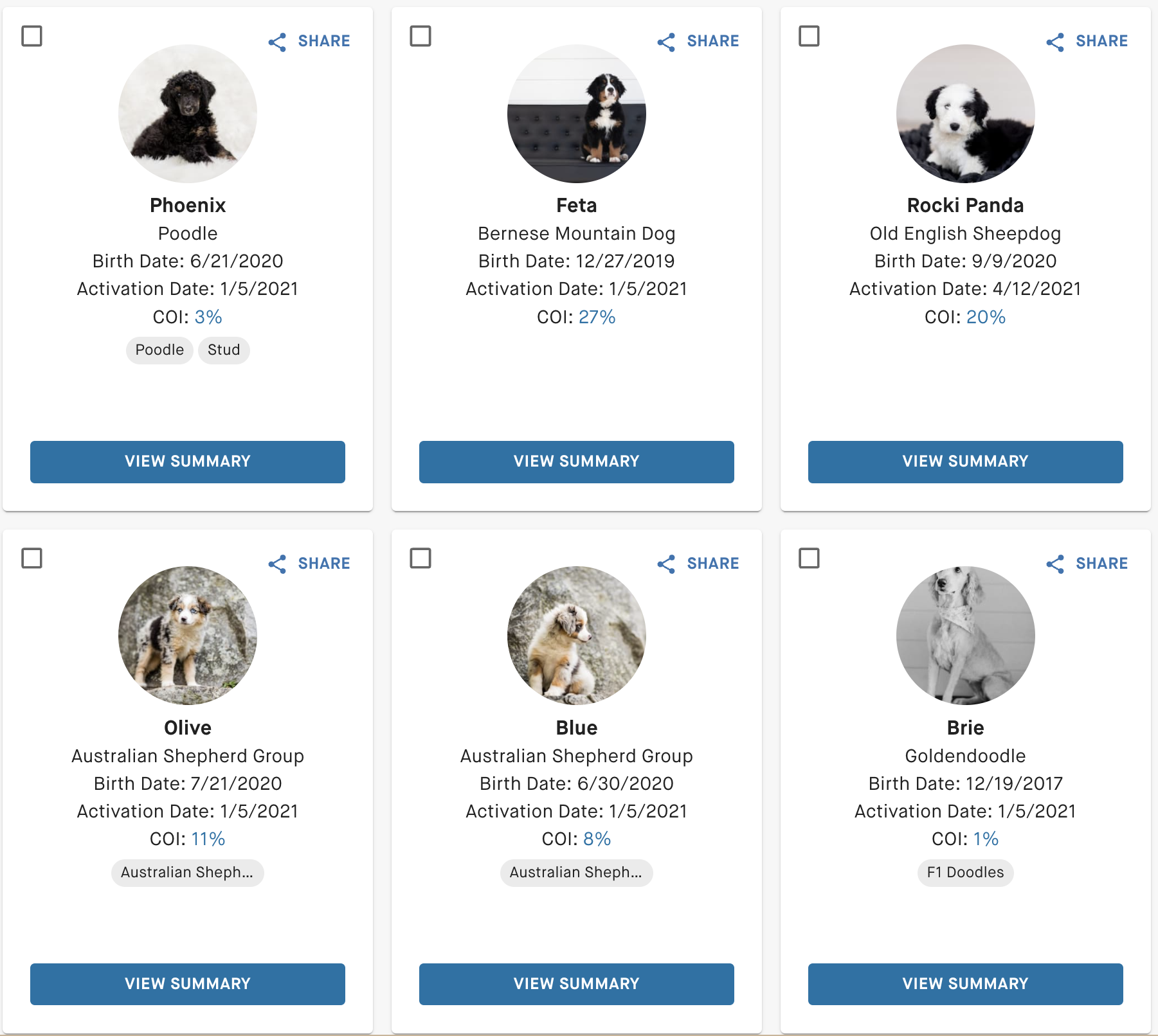


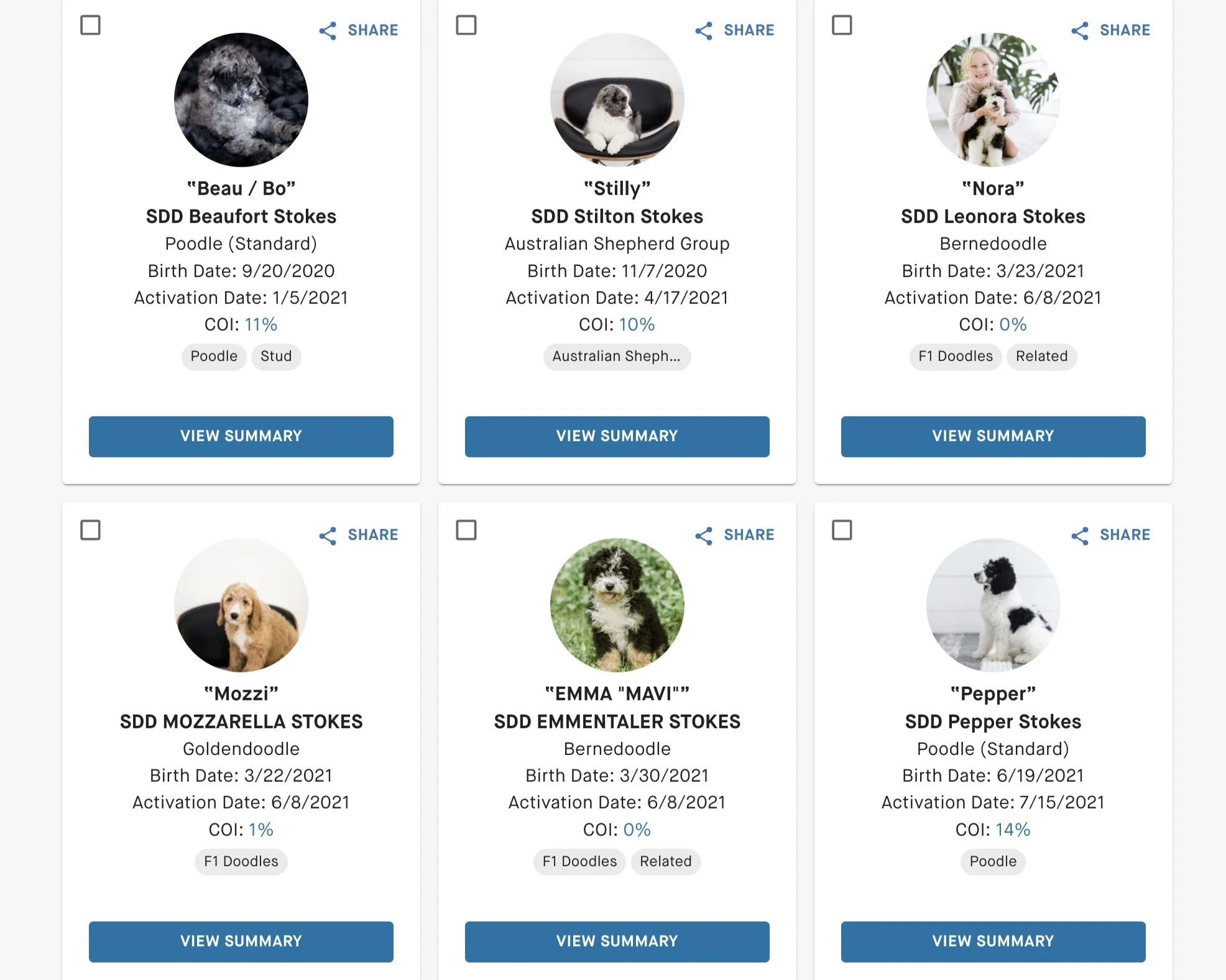
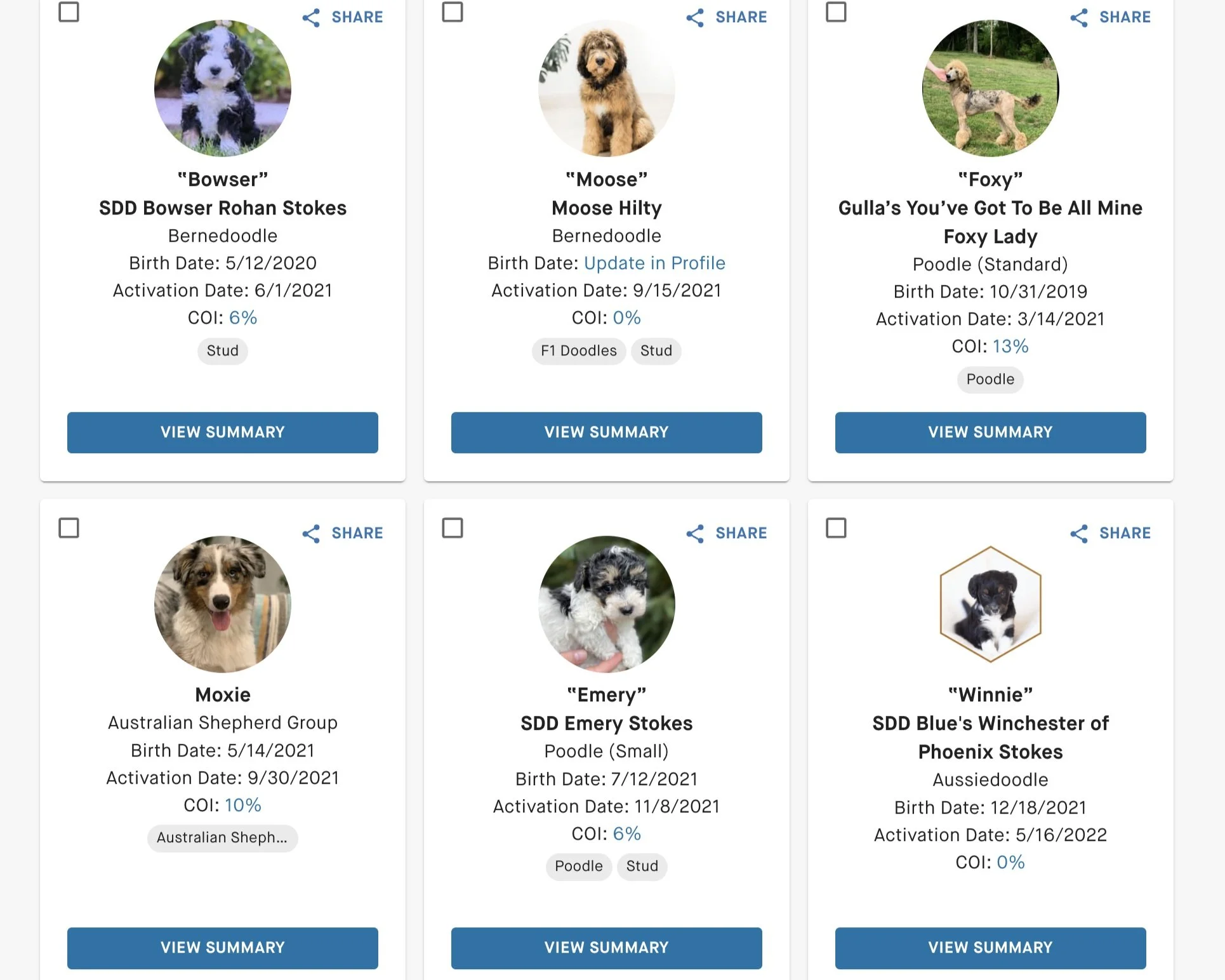
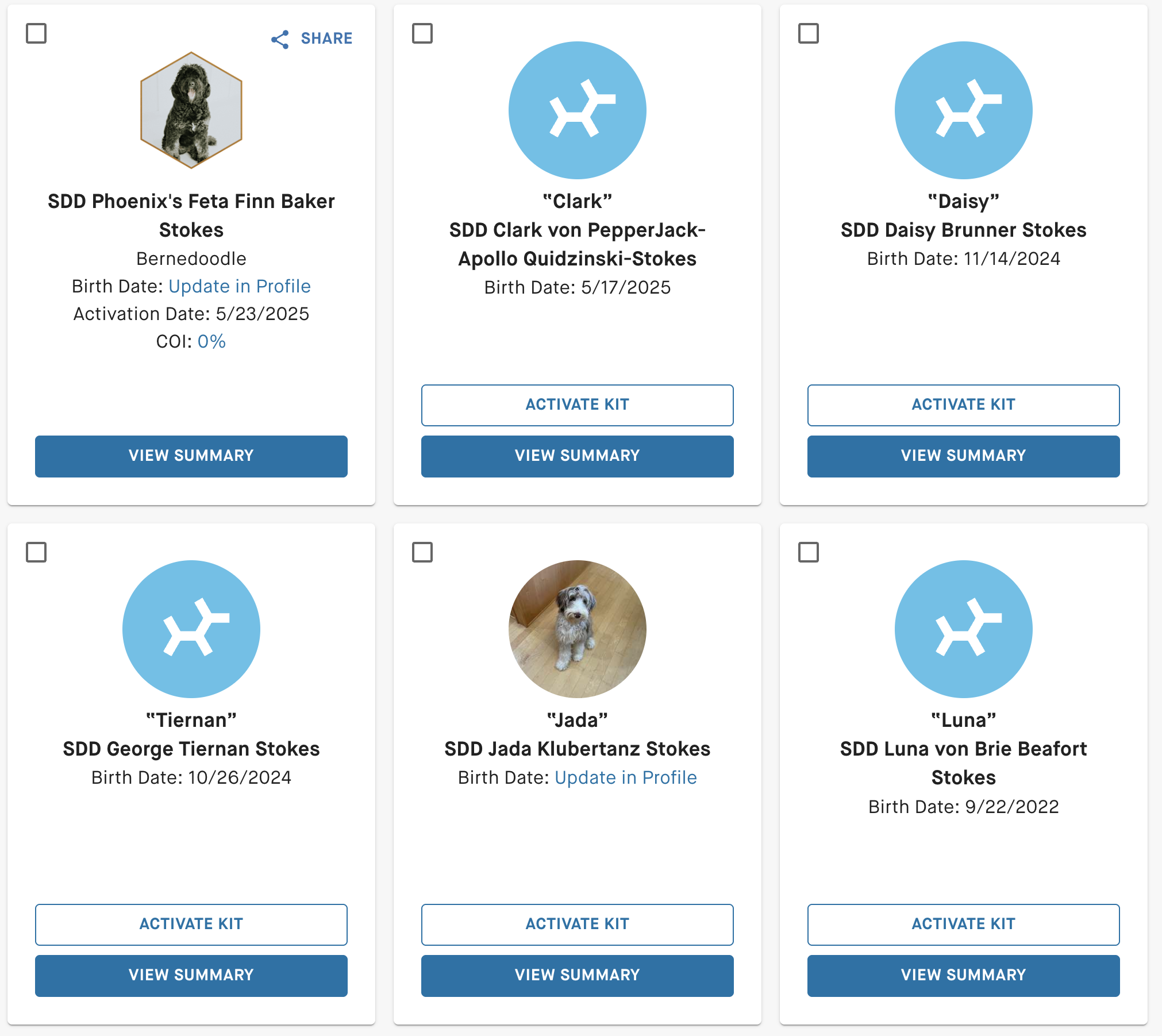
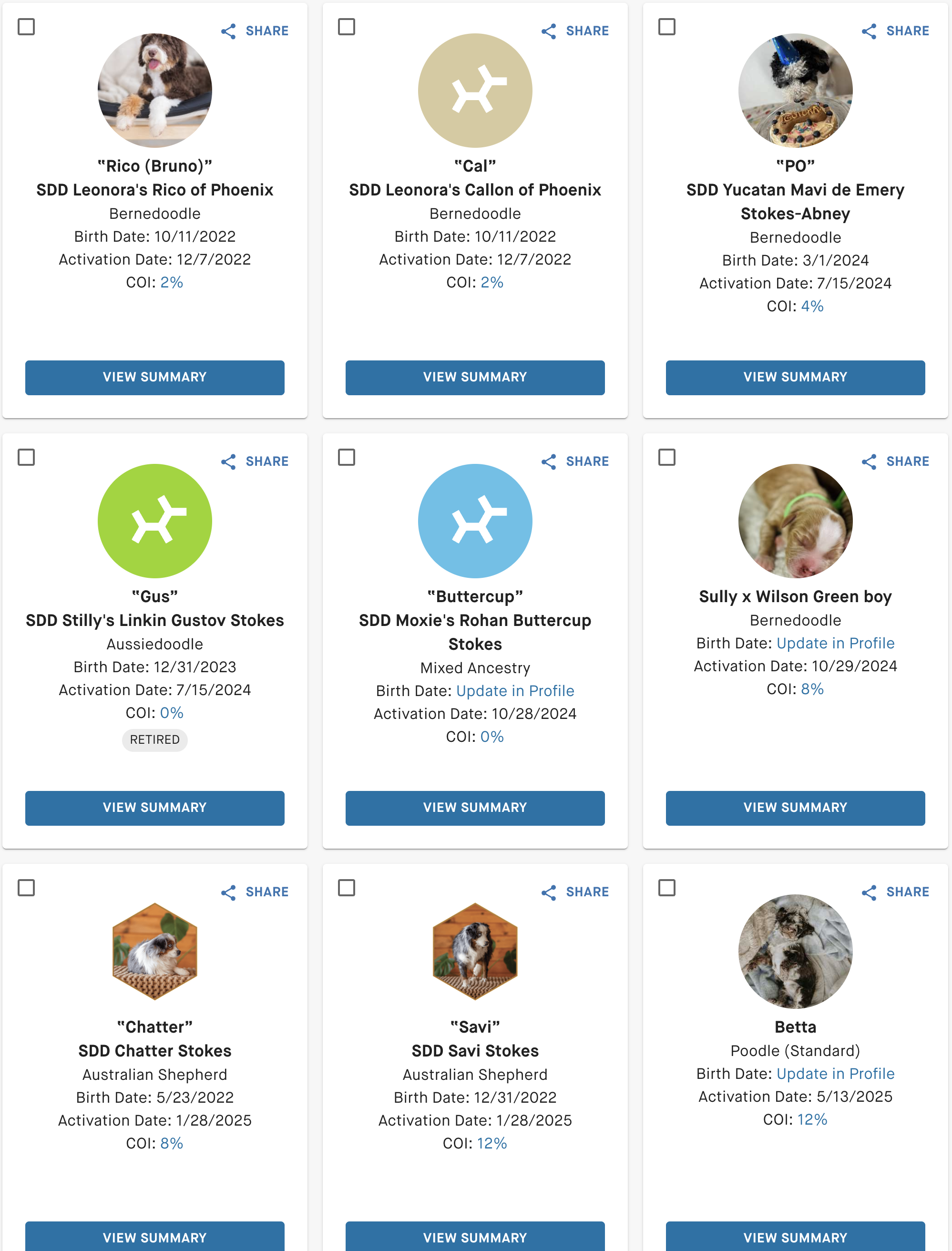
Stokeshire Breeding Team — Master List (Internal)
Last updated:
Name Registered Name Breed / Mix Sex Role Stud Status DOB Activation COI Guardian Contact Location DNA Status Vet File Last Exam Next Due Contract Notes
• Internal use only. Retired dogs are intentionally excluded.
• DNA badges: DNA on File / Needs DNA Kit / Order Kit.


Dog Sellers: Certificates of Veterinary Inspection FAQs

​​​​​Wisconsin law requires licensing and inspection for many dog-related operations. Under this law, a certificate of veterinary inspection (CVI) must accompany each dog sold — this includes dogs that are adopted out “for consideration” — whether that is a donation, covering expenses for spaying and neutering, or any other thing of value.

All dogs sold by license holders must be accompanied by a CVI. An intrastate CVI can be used. Interstate CVIs can be used for Wisconsin or out-of-state buyers if the destination is known when the CVI is written. If the dogs come from outside Wisconsin, the interstate CVI from the state of origin is adequate as long as it is valid when the dog is sold. If the buyer is taking the dog(s) out of Wisconsin, they should contact the state of destination for requirements. Wisconsin dog sellers and facilities can work with these buyers to help them comply with those requirements.

Can there be more than one dog listed on a CVI?

Yes, there are spaces for up to 10 dogs to be listed.

For an intrastate CVI, dogs sold to different consignees (buyers/adopters) can be listed on the same CVI. However, for interstate CVIs, all dogs listed on the form must be going to the same consignee.​

The following will receive copies for the intrastate CVI:

  • Buyer

  • Seller

  • Issuing veterinarian

The following will receive copies for the interstate CVI:

  • State veterinarian of origin

  • State veterinarian of destination

  • Accompany shipment

  • Issuing veterinarian​

For intrastate CVIs, the buyer (consignee) information is not required. However, the license holder is required to keep a record of the location that received the dog and the person who took custody or control, if anyone.

For an interstate CVI, you will need to list the consignee information for the final purchaser of the dog(s), and all the dogs on the CVI must be going to that consignee.​


Sample CIRDC Treatment Protocol -

Canine Infectious Respiratory Disease Complex (CIRDC), a.k.a. "Kennel Cough"


Authors:

Publication Date: 4/21/2015

Categories:

  • Canine

  • Infectious Disease

  • Information Sheet

Table of Contents:

  1. Overview of Canine Infectious Respiratory Disease Complex (CIRDC)

  2. Who is susceptible to CIRDC?

  3. Disease Course

  4. Diagnostic options for CIRDC outbreaks

  5. How can CIRDC be prevented in a shelter?

  • Reduction of crowding and stress

  • Vaccination

  • Environmental decontamination/removal of infected animals

  1. Treatment Information for Foster Homes

  2. Client Information Handout

  3. References

Overview of Canine Infectious Respiratory Disease Complex (CIRDC)

The term "kennel cough" or "infectious tracheobronchitis" often denotes a simplistic view of CIRDC. This complex syndrome is not confined to the trachea, nor does it always manifest as coughing. Symptoms of CIRDC may include sneezing, nasal and ocular discharge, and, at times, lower respiratory or systemic disease. CIRDC involves multiple viral and bacterial pathogens that work sequentially and synergistically. Viral agents such as Parainfluenza, Adenovirus-2, and Herpesvirus-1 are linked with CIRDC, as well as the canine distemper and influenza viruses. Bacteria like Bordetella bronchiseptica, Mycoplasma spp., and Streptococcus zooepidemicus additionally play a role. Understanding the complex etiology and emerging pathogens is crucial for CIRDC management, especially in overcrowded environments like shelters which amplify disease transmission and introduction of new pathogens.

PDF


CCC & Wisconsin Breeder SOP – Stokeshire Designer Doodles

Stokeshire Designer Doodles – CCC & Wisconsin Breeder SOP

1. Purpose

To ensure that Stokeshire meets and documents best-practice standards of dog welfare, breeding, housing, socialization and retirement in line with the CCC (Canine Care Certified™) Five Pillars of Care and Wisconsin statutory/regulatory obligations (Wis. Stat. § 173.41; Wis. Admin. Code Ch. ATCP 16). This SOP supports our brand positioning around “health & predictability” and “luxury & experience” by formalizing high welfare standards and internal accountability.

2. Scope

Applies to all adult breeding dogs, puppies, and facility staff at Stokeshire; covers physical health, behavior/socialization, environment, breeding life & retirement, caretaker expectations, and regulatory/licensing compliance.

3. Definitions

  • Breeder/Facility Operator – any person or entity responsible for breeding dogs and caring for them at the facility.
  • Puppy – dog from birth until placement.
  • Adult Breeding Dog – breeding dam or sire.
  • Retired Dog – adult dog no longer part of active breeding program.
  • License Year – in Wisconsin the 12-month period ending September 30.
  • CCC Standards – the science-based standards under the Five Pillars: Physical Health, Behavioral Health, Environment, Breeding Life & Retirement, Caretaker Expectations.

4. Regulatory Compliance (Wisconsin) Requirements

  • Facility must hold a Dog Seller/Dog Facility Operator license if selling 25 or more dogs in a year from more than 3 litters.
  • Puppies may not be sold before 7 weeks of age (unless specific variance).
  • Minimum primary enclosure sizes, ventilation, sanitation, exercise requirements per ATCP 16.20-16.24.
  • Records must be kept: births, health exams, vet certificates, sales records.

5. CCC Standards – Five Pillars & Procedural Requirements

5.1 Physical Health

  • Develop individual physical health & preventive care plan for each adult and puppy.
  • Genetic screening of breeding dogs.
  • Regular veterinary check-ups, dental care, grooming.
  • Documentation of health records in each file.

5.2 Behavioral Health

  • Create a Behavioral Wellness Plan: socialization schedule for puppies, enrichment for adults, exercise protocols.
  • Staff trained in low-stress handling.
  • Document enrichment/socialization activities.

5.3 Environment

  • Housing must be safe, enriched, high quality, access to outdoors.
  • Multiple flooring surfaces, adequate space, ventilation, cleaning standards.
  • Maintain logs of cleaning, facilities maintenance.

5.4 Breeding Life & Retirement

  • Define maximum breeding age, number of litters per dam, retirement criteria.
  • Document retirement plan for breeding dogs: rehoming or lifetime placement.
  • Adult dogs shall not be sold for research and must have humane disposition.

5.5 Caretaker Expectations

  • All staff complete ongoing education/training on canine welfare.
  • Transparent operations: willing to undergo audit, maintain documentation, allow inspections.
  • Continuous improvement: review standard practices annually, update protocols as science evolves.

6. Implementation Schedule & Training Timeline

Timeframe Activity Responsible Notes
Week 0–2Kick-off meeting: introduce SOP, CCC & Wisconsin regulatory overviewOperations ManagerProvide CCC Five Pillars handout
Week 3–4Staff training: low-stress handling, enrichment protocols, documentation proceduresHead TrainerPrepare training quiz
Week 5–6Audit current facility: gap analysis vs CCC + Wisconsin licensure standardsFacility Manager + External ConsultantUse audit checklist
Month 2Revise facility/enclosure as needed (flooring, ventilation, outdoor access)Facility MaintenancePlan budget of upgrades
Month 3Finalise individual health & behavioral wellness plans for all dogs; update recordsHead Vet & TrainerPut plans in dog files
Month 4Formalise breeding life & retirement policy; ensure all adult dogs have planBreeding DirectorReview with legal counsel
Month 5Documentation system live: record logs for enrichment, cleaning, socialization, vet checksAdmin TeamSet up digital forms
Month 6Internal mock-audit: simulate third-party audit, correct deficienciesQuality Assurance LeadDocument findings
Month 7Submit application to CCC, schedule on-site auditCEO/Breeding DirectorPrepare and pay fees
Yearly, Month AnniversaryReview & renew: update SOP/training, refresher training, facility check, records reviewOperations ManagerSet recurring calendar
Every QuarterStaff meeting to review welfare metrics, incidents, improvementsAll Staff

7. Documentation & Records

  • Dog individual files: vet reports, genetic screening, health plan, behavioral plan.
  • Enrichment logs: date, dog(s), activity, duration.
  • Cleaning & sanitation logs: date, area cleaned, responsible person, inspector sign-off.
  • Facility maintenance logs: ventilation, flooring, outdoor run status.
  • Breeding log: dam/sire details, litter count, age at breeding, number of litters.
  • Retirement/rehome log: adult dogs retired, date, destination, sterilization status.
  • Staff training records: date, topic, attendees, quiz results.
  • Audit & compliance log: internal audits, corrective actions, dates.

8. Responsibility & Ownership

  • Facilities/Operations Manager: oversees environment upgrades and maintenance.
  • Head Vet / Vet Team: physical health protocols, vet checks, genetic screening.
  • Head Trainer/Behavior Lead: behavioral wellness plans and enrichment.
  • Breeding Director: breeding life policy, retirement planning, application to CCC.
  • Admin/Records Coordinator: documentation system, logs, staff training records.
  • CEO/Owner: overall accountability, budgeting, review of KPI & brand alignment.

9. Metrics & Key Performance Indicators (KPIs)

  • % of breeding dogs who pass genetic screening.
  • Number of enrichment sessions per dog per week.
  • % adult dogs retired within policy timeframe.
  • Audit non-conformities (internal and external) and time to corrective action.
  • Staff training completion rate.
  • Puppy health outcomes (vet-recorded issues, return rate).
  • Client satisfaction/trust metrics tied to welfare disclosures.

10. Review & Continuous Improvement

This SOP shall be reviewed annually (or sooner if standards change) in alignment with the CCC renewal cycle and Wisconsin regulatory updates. Staff shall be notified of any changes and retrained accordingly.

11. Appendices

  • Appendix A: CCC “Five Pillars of Care” Summary
  • Appendix B: Wisconsin ATCP 16 Excerpts (primary enclosure size, exercise, sanitation)
  • Appendix C: Internal Gap Analysis Checklist (to be developed)
  • Appendix D: Facility Upgrade Plan & Budget
  • Appendix E: Staff Training Materials & Quiz