
In Defense of Doodles: The Truth About Hybrid Dogs, Breeding Ethics, and Canine Health
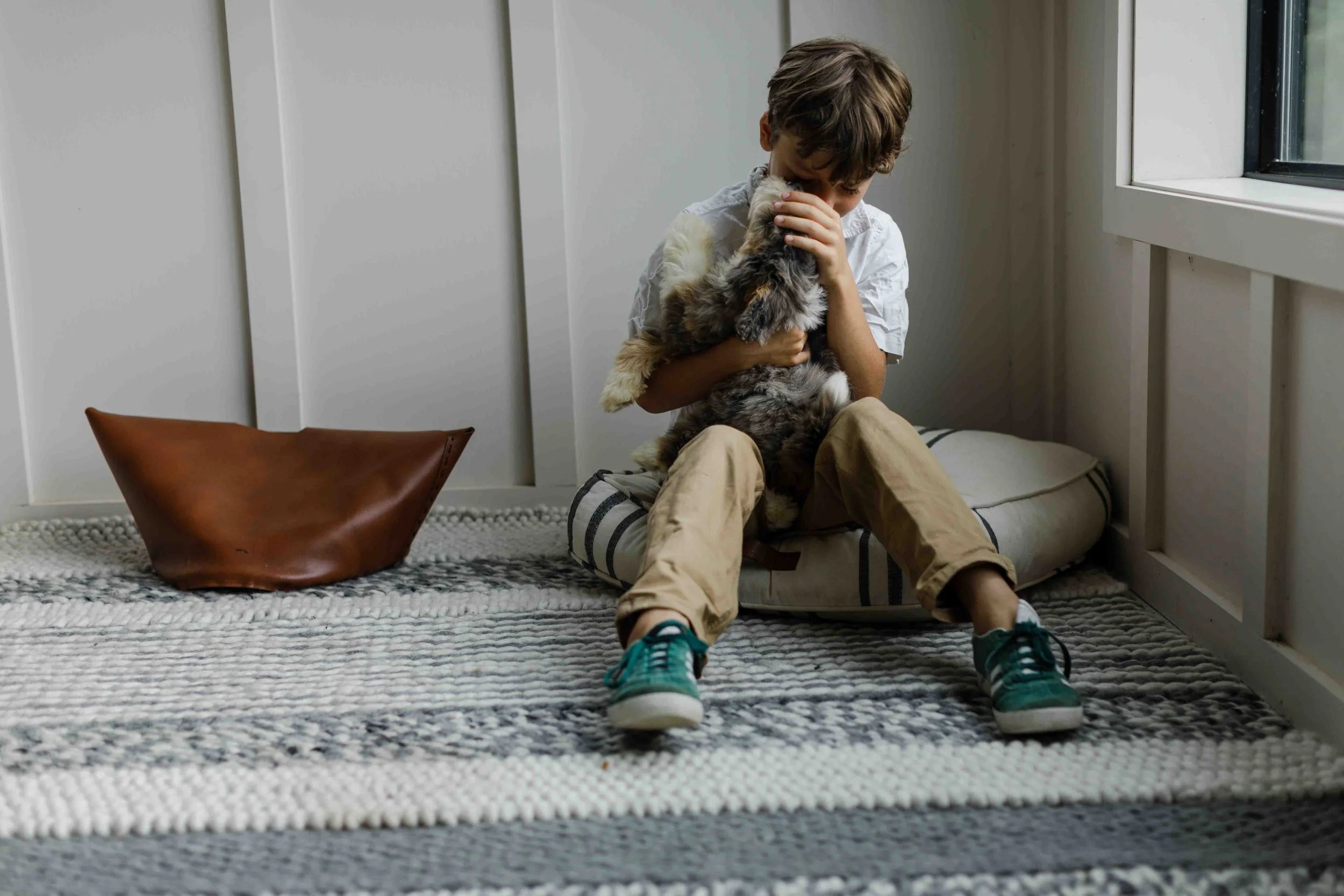
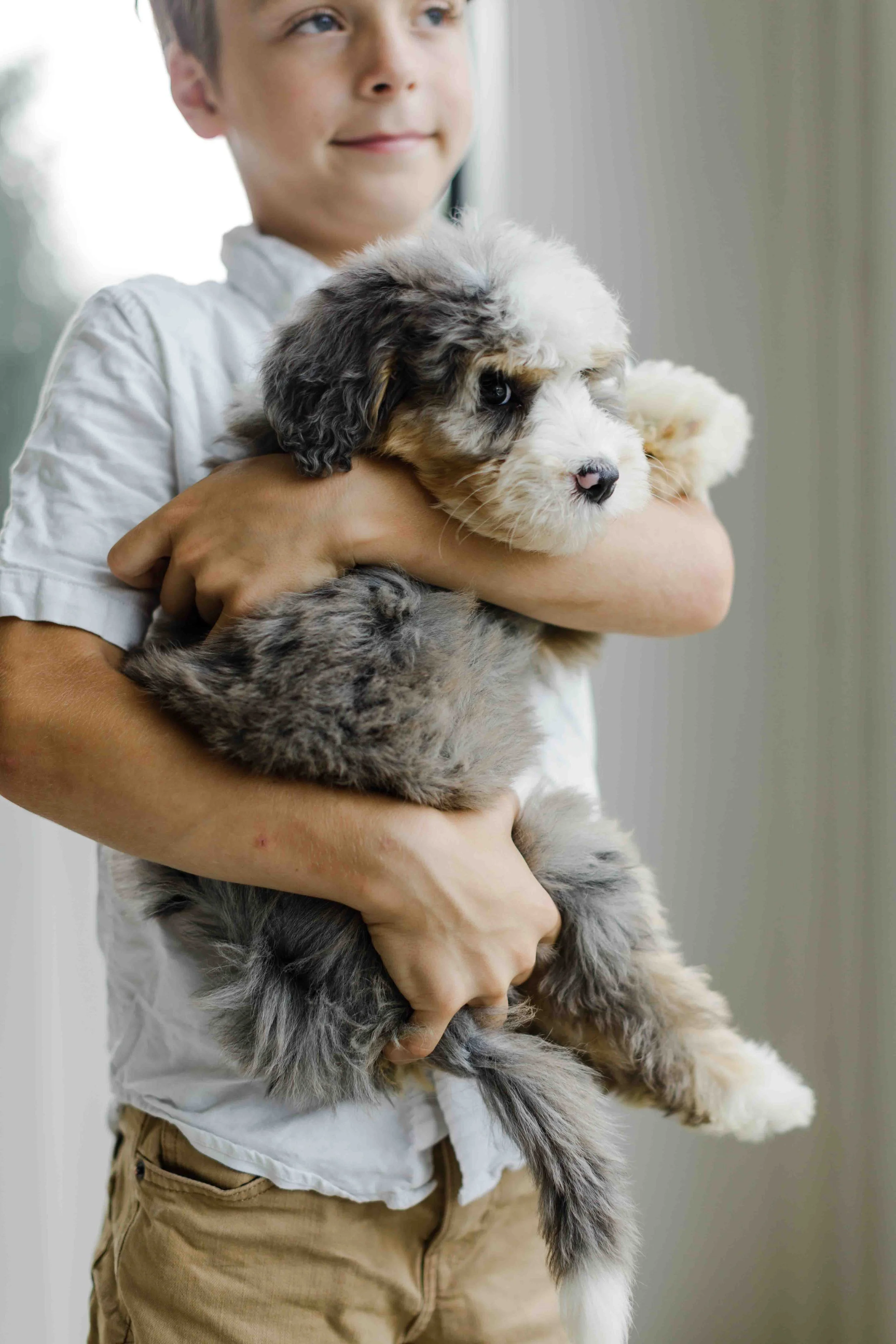
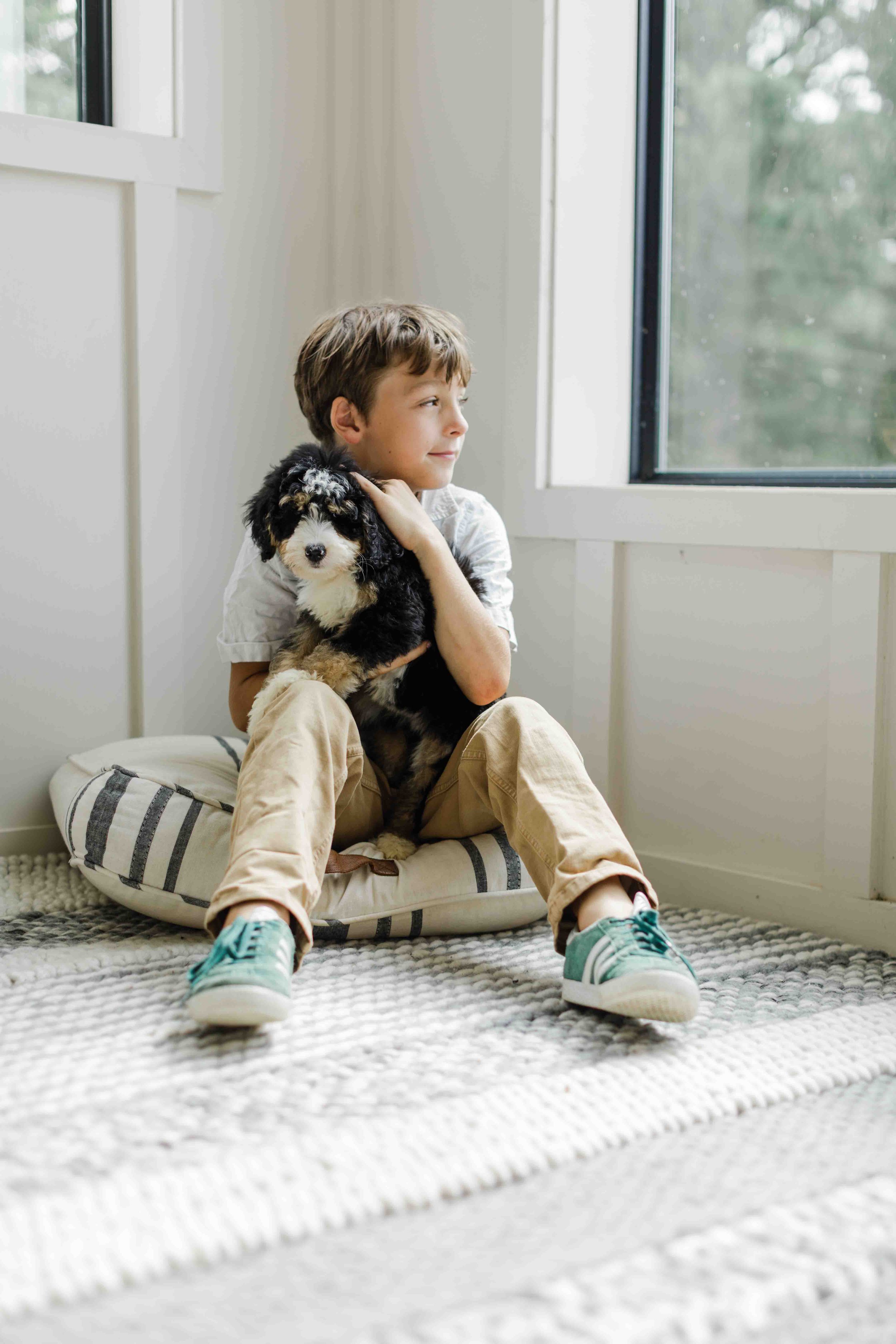

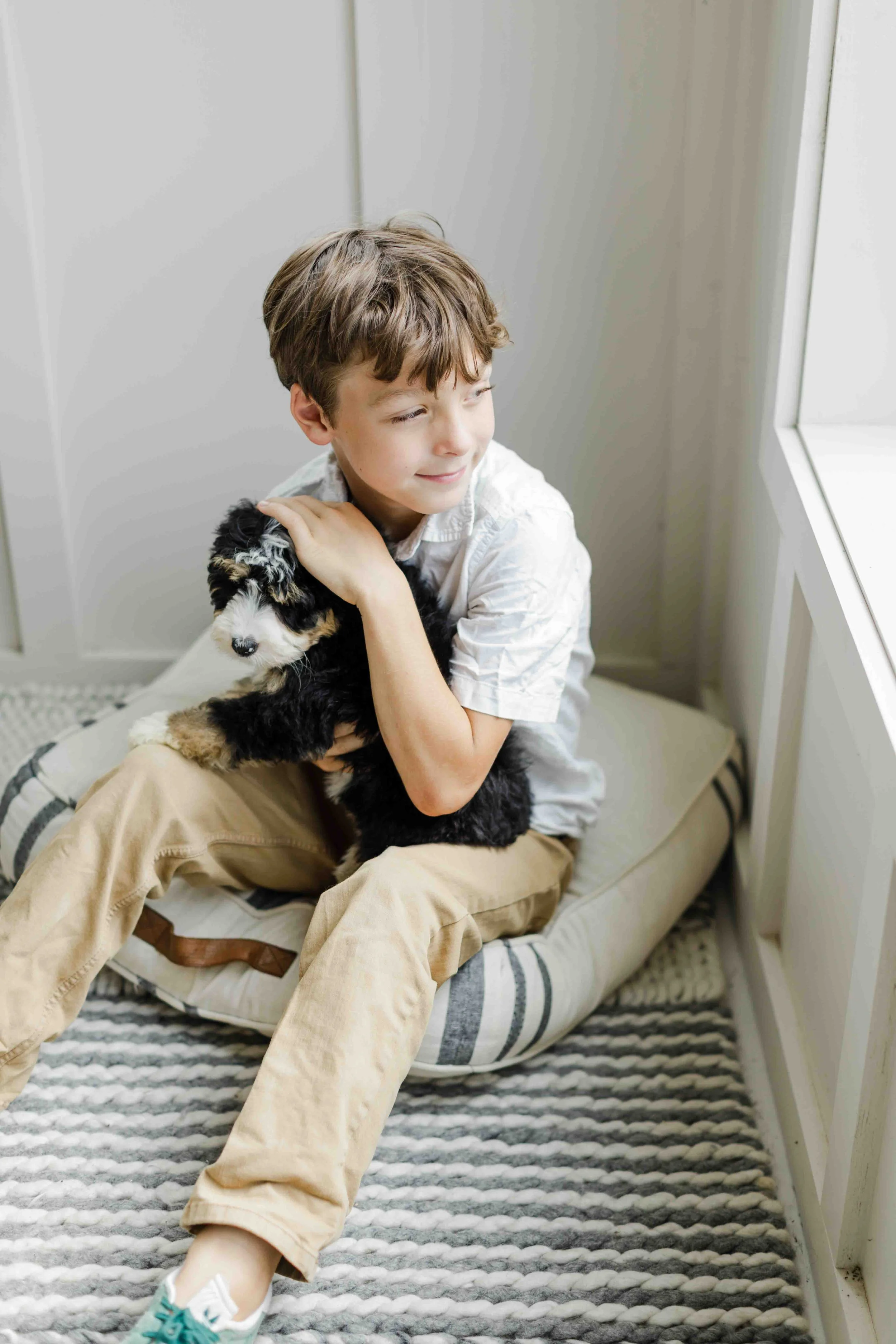
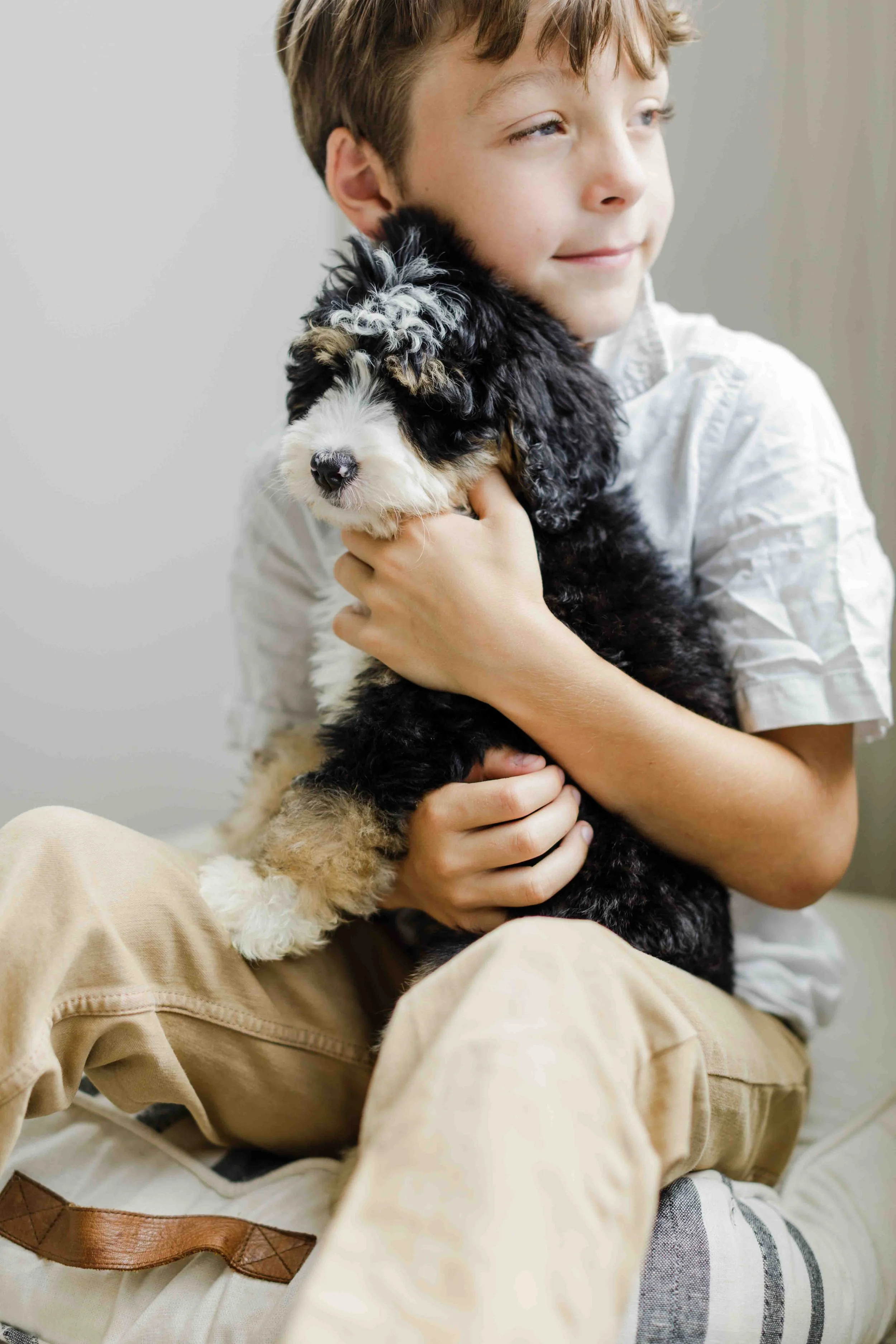
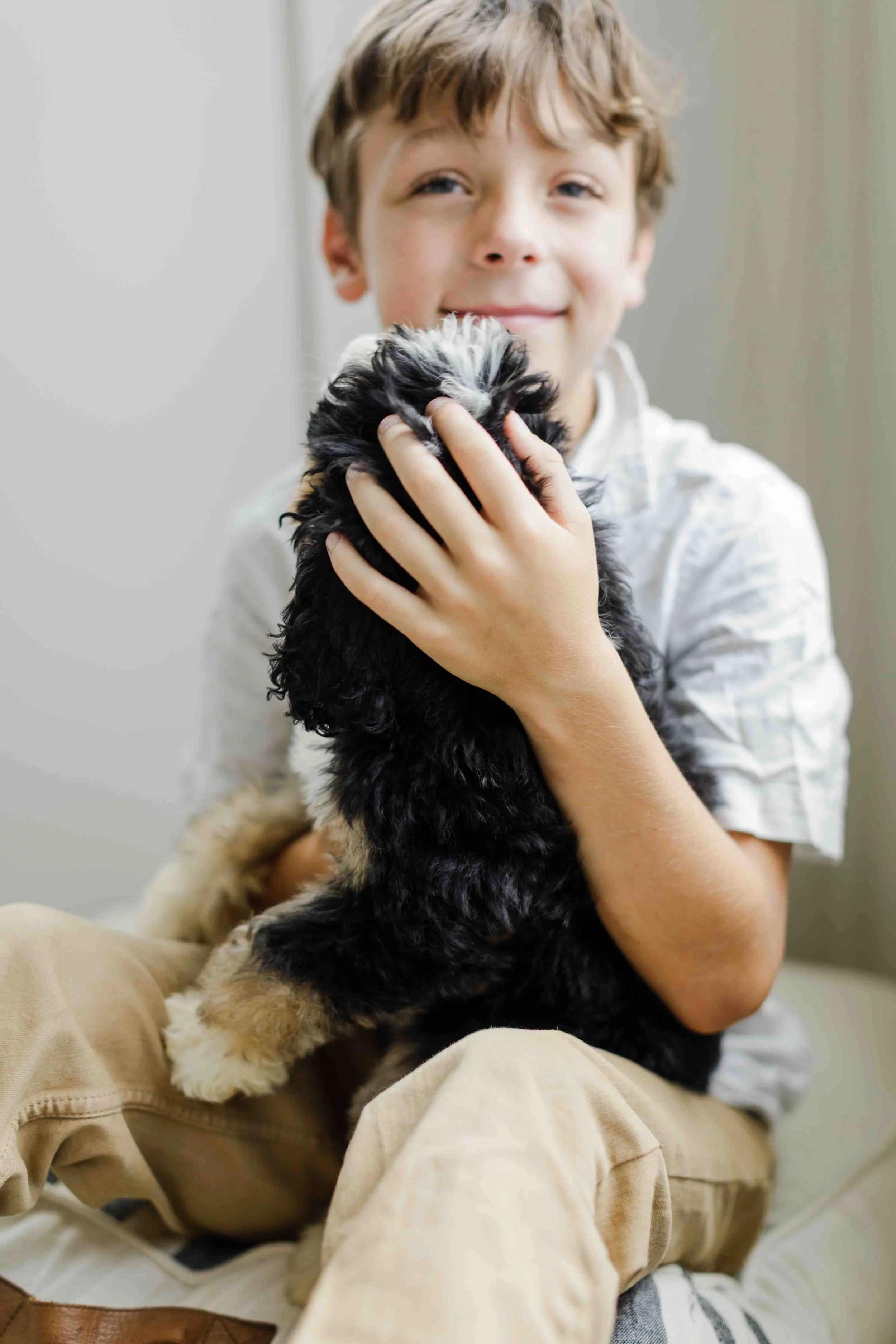
At Stokeshire, we’ve heard it all — the social media rants, the breed purist debates, and the endless myths about Doodles and other hybrid dogs. But let’s set the record straight: Doodles aren’t just “designer dogs” or “mutts with a marketing budget.” They’re purpose-bred companions, and when done right, they represent the future of ethical, health-focused breeding.
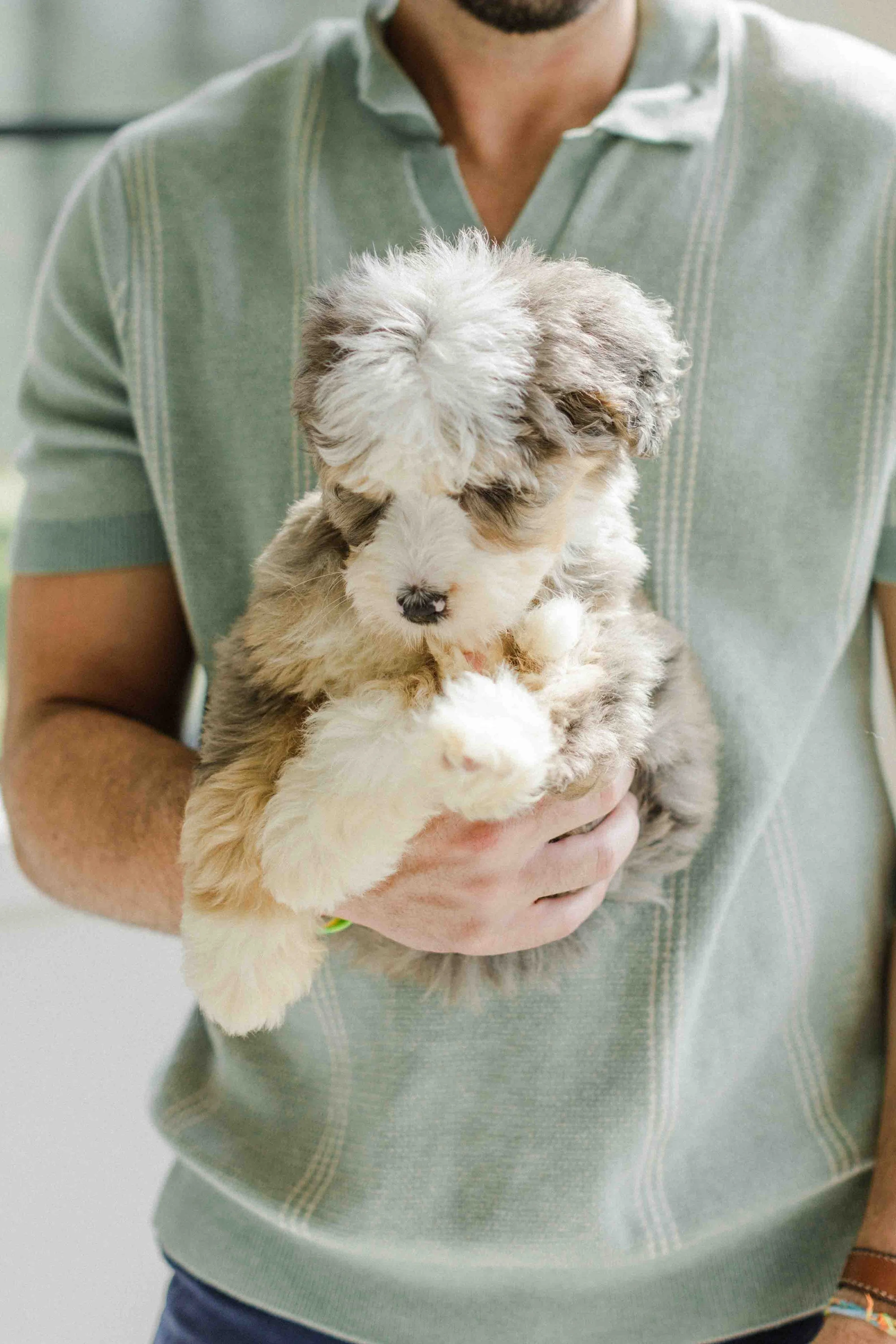
Whether you’re a proud Doodle parent, a hybrid breeder, or just someone curious about the facts, this guide is your toolkit for navigating the conversation with confidence, clarity, and maybe even a little sass.
Let’s Start with the Basics: Doodles Are Purpose-Bred, Not Accidents
First things first: Doodles aren’t the result of a chance meeting at the dog park. They’re intentional crosses between established breeds, designed with specific goals in mind. Like any dog, their quality depends entirely on the ethics, education, and dedication of the breeder.
At Stokeshire Designer Doodles, we strive to exceed the standards of preservation breeders — and we’ve built a strong track record of doing just that:
Extensive genetic screening using Embark and Paw Print Genetics
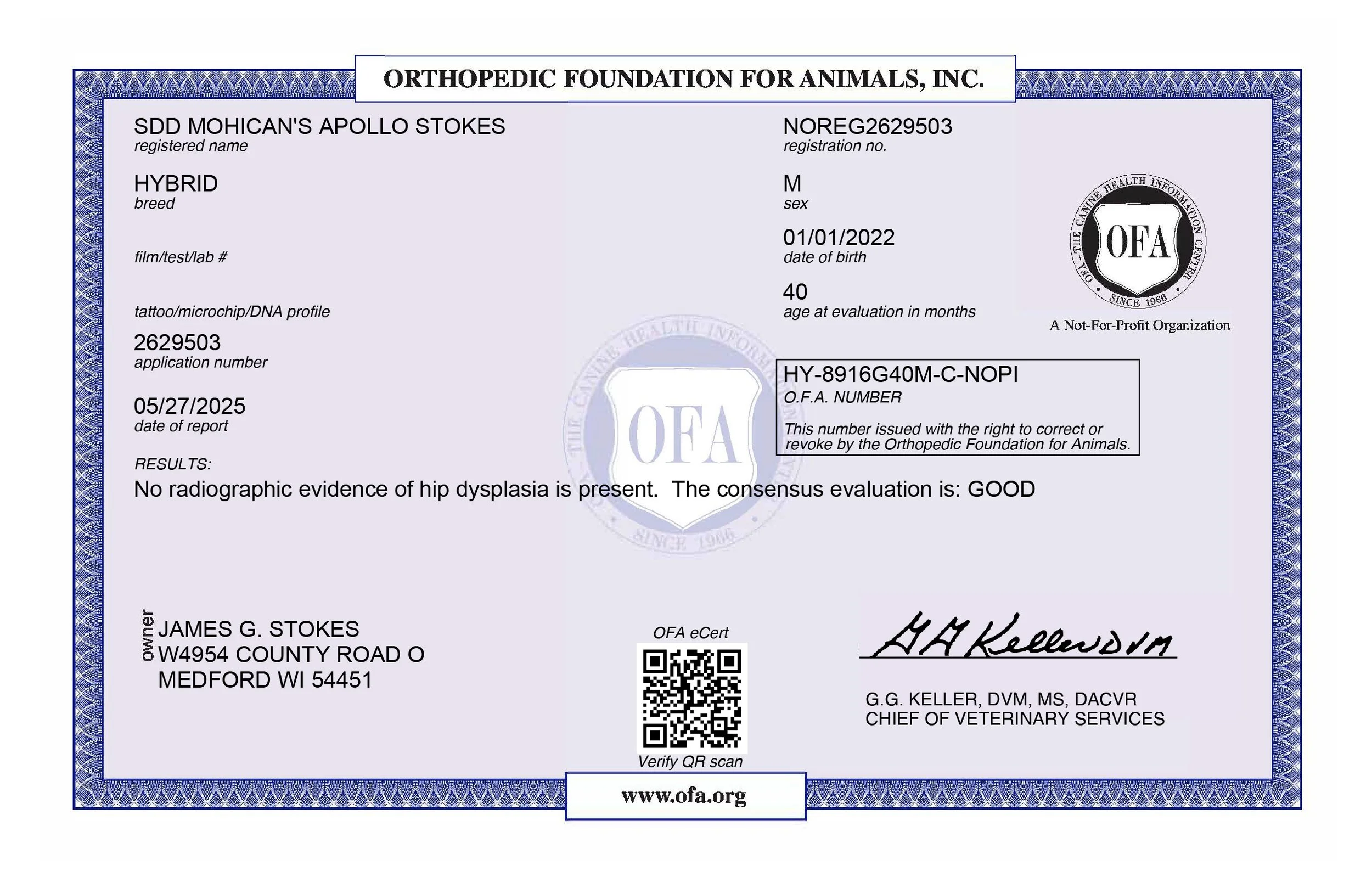
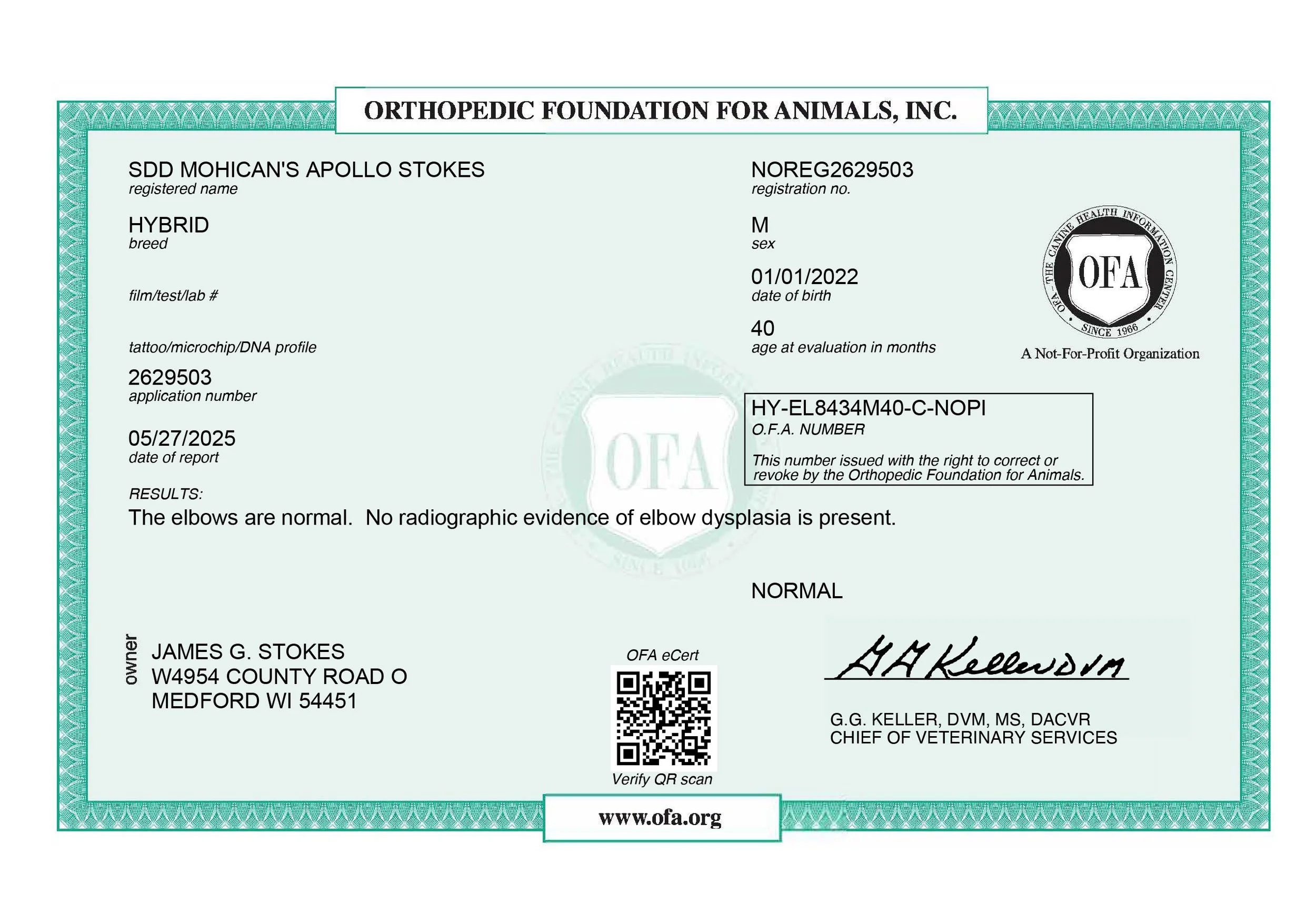
OFA health testing (hips, elbows, patellas, eyes, heart) performed on many of our breeding dogs
Structured temperament evaluations and personalized puppy matchmaking
Licensed, inspected facilities — never backyard operations
Early neurological stimulation and intentional enrichment from day one
The Cost of Transparency as a Doodle Breeder
At Stokeshire Designer Doodles, we choose to be visible, accountable, and open — not because it's easy, but we believe in the Golden Rule.
We publish our health testing protocols, we invite families into our lives, and yes — our address is public. We're licensed, inspected, and traceable. And while that kind of transparency is a hallmark of ethical breeding, it comes at a cost.
We are an open target for critics, trolls, and those who dismiss Doodles as “mutts” or “money grabs.”
We endure scrutiny from people who’ve never visited our facility or interacted with our dogs — but feel entitled to judge.
We navigate a culture where misinformation spreads faster than science, and where exclusion from breed registries fuels elitism.
Meanwhile, unethical breeders can hide behind vague listings, fake photos, or unverifiable claims. They face little accountability — because they choose anonymity. We don’t.
Transparency requires courage.
It means opening our doors to inspection, feedback, and yes — sometimes unfair criticism. But it also means peace of mind for the families we serve and the dogs we raise. It means standing behind our breeding decisions with integrity.
Ethical Doodle breeding isn't a shortcut — it’s a calling. And while being public makes us vulnerable, it also keeps us accountable to the very thing that matters most: the well-being of the dogs entrusted to our care.
Purebred dogs, especially those from closed registries, often suffer from elevated Coefficients of Inbreeding (COI), which increase the risk of inherited disorders like hip dysplasia, heart disease, cancer, epilepsy, and autoimmune conditions. Research published in Canine Genetics and Epidemiology shows that crossbred dogs typically have lower rates of these issues — a phenomenon known as hybrid vigor or heterosis.
Our breeding practices are designed to prioritize health, longevity, and temperament, not tradition for tradition’s sake. While not every dog in our program will have the exact same tests or pedigree depth, our commitment to responsible breeding remains consistent. We’re building a better future for dogs — one thoughtfully bred Doodle at a time.
While not every dog will have the exact same testing or history, our program is rooted in a commitment to health, ethics, and excellence, producing thoughtfully bred companions designed for modern family life.
Why Exclusion Hurts Ethical Doodle Breeders
At Stokeshire Designer Doodles, we believe that transparency, collaboration, and high standards benefit all dogs — regardless of their pedigree. Unfortunately, many established kennel clubs and breed organizations continue to exclude Doodles and other hybrids from their registries and breeding programs.
This exclusion creates real challenges for ethical Doodle breeders:
Lack of centralized health databases makes it harder to track and reduce inherited diseases across generations.
Limited access to official OFA partnerships and incentives increases testing costs for breeders who still choose to meet or exceed those standards.
Bias in veterinary and research communities often results in fewer studies on hybrid-specific conditions or optimal breeding strategies for Doodles.
Negative public perception fueled by institutional gatekeeping can discourage potential owners from seeking out responsibly bred Doodles, pushing them toward lower-quality or unregulated sources.
Ironically, the very breeders who are striving to improve genetic diversity, reduce inbreeding, and breed for function and temperament are often left out of the systems designed to protect canine welfare.
Hybrid Vigor: Science, Not Myth
Ah, hybrid vigor — the term that sparks endless debates. Critics call it a myth, but science says otherwise.
When two unrelated, fully health-tested dogs are bred, the resulting genetic diversity can reduce the expression of inherited diseases, especially those caused by recessive genes common in purebreds.
Here’s the truth:
Hybrid vigor doesn’t mean perfect health, but it can delay or reduce disease expression.
It’s most effective when both parents are truly healthy and genetically diverse.
Done right, hybrid breeding supports longevity, fertility, and vitality — qualities increasingly at risk in closed purebred lines.
Hybrid Vigor: The Science of Genetic Diversity
You’ve probably heard the term “hybrid vigor” (or heterosis) thrown around. Critics call it a myth, but the data says otherwise.
What the Research Shows:
Health Outcomes: Mixed-breed dogs are at least as healthy as purebreds, and in some cases, they fare better. A 2018 DNA study of over 100,000 dogs found that purebreds were more than twice as likely to be affected by recessive genetic disorders (5% of purebreds vs. ~2% of mixed breeds).
Longevity: Crossbred dogs tend to live longer. A UK VetCompass study reported that crossbreds live about 1.2 years longer on average than purebreds.
Disease Risk: A 2023 analysis of 30,000 dogs found that purebreds had the shortest life expectancy and highest disease risk, while mixed-breed “mongrels” lived the longest.
Why Hybrid Vigor Works:
When two unrelated, health-tested dogs are bred, their genetic diversity increases. This reduces the likelihood of inherited diseases caused by recessive genes. It’s not a magic bullet, but it’s a powerful tool for improving overall health and longevity.
Purebred vs. Crossbred: The Health Debate
Let’s address the elephant (or Poodle) in the room: Are crossbred dogs healthier than purebreds?
The Nuanced Truth:
Recessive Disorders: Crossbreeding can reduce the expression of certain inherited conditions, especially autosomal-recessive diseases. For example, decades of OFA data show that hip dysplasia is about 10% less prevalent in crossbred dogs than in purebreds.
Complex Disorders: For multifactorial issues like allergies or arthritis, the difference between purebreds and crossbreds is less pronounced. Good health ultimately depends on responsible breeding and health screening, regardless of breed.
Longevity: Greater genetic diversity often correlates with longer lifespans. By reducing inbreeding, crossbreeds can avoid some of the age-limiting health issues seen in certain purebred lines.
What Veterinary Experts Say
The veterinary community is increasingly aligned on one key principle: health and welfare should always come before “purity.”
Key Positions:
American Veterinary Medical Association (AVMA): The AVMA emphasizes health-focused breeding and discourages practices that perpetuate hereditary disorders.
World Small Animal Veterinary Association (WSAVA): The WSAVA explicitly supports purposeful crossbreeding to improve genetic health and conformation.
UK Kennel Club (KC): The KC has begun approving outcross programs to address severe health issues in certain breeds, such as the Dalmatian×Pointer cross to reduce uric acid disease.
Even traditional organizations like the Fédération Cynologique Internationale (FCI) now recognize that controlled crossbreeding can be a valuable tool for improving genetic diversity and reducing inherited disorders.
The History of Breeds: Yesterday’s Hybrids, Today’s Purebreds
Here’s a fun fact: Every “purebred” dog was once a hybrid.
Examples of Hybrid Origins:
Golden Retrievers: Created in the 1800s by crossing yellow retrievers with Tweed Water Spaniels.
Bullmastiffs: A 19th-century cross between Bulldogs and Mastiffs.
Irish Wolfhounds: Recreated in the late 1800s by crossing Great Danes and Deerhounds.
The concept of fixed pure breeds is relatively new, dating back to the 19th century. Before that, dogs were bred for function, not appearance. Today’s Doodles are simply continuing this tradition of innovation—blending breeds to meet modern needs.
A Quick Science Lesson: COI and Purebred Dogs
Let’s talk genetics. The Coefficient of Inbreeding (COI) measures how genetically similar a dog’s parents are. High COI = higher risk of inherited diseases.
Here’s the reality:
Many AKC-recognized breeds have COIs of 20–40%.
High COI = higher chance of inherited disorders.
Low COI (<5%) = greater genetic resilience.
Common breed-linked diseases caused by genetic bottlenecks include:
Golden Retrievers: Lymphoma, hemangiosarcoma
Bernese Mountain Dogs: Histiocytic sarcoma, joint issues
Cavalier King Charles Spaniels: Mitral valve disease, syringomyelia
Dobermans: DCM, von Willebrand’s disease
French Bulldogs, Pugs: BOAS, spinal deformities
By crossing two healthy, unrelated dogs with low COI, we can expand the gene pool and reduce inherited disease risks. That’s the foundation of responsible hybrid breeding.
Predictability Isn’t Just for Purebreds
It’s a myth that Doodle coats and behavior are “unpredictable.” At Stokeshire, we use science to take the guesswork out of the equation:
Coat genetics testing: Furnishings, curl, shedding alleles — we’ve got it covered.
Families can choose their preferred coat type — furnished, unfurnished, wavy, or straight.
Temperament testing ensures every puppy is matched to the right home.
Our breeding pairs are selected for therapy-grade qualities: gentle, trainable, and people-focused.
Ethical Breeding = Responsible Ownership
Critics often point to the number of Doodles in shelters. We agree — irresponsible breeding causes problems. But here’s what ethical programs like ours do to prevent it:
Lifetime return policy — no Stokeshire dog ends up in a shelter.
Ongoing training and Doodle School options.
Coat care education and grooming guidance.
Follow-up support for every family, for the life of the dog.
We don’t just produce puppies. We build relationships, provide coaching, and ensure our dogs are set up for success.
A Brief History: All Breeds Were Once Hybrids
Before modern kennel clubs, dogs were bred primarily for their function, rather than their appearance. Herding, hunting, guarding, sled-pulling — dogs were selected for their jobs, not their looks.
Most “purebreds” as we know them today originated in the 1800s, when registries began closing studbooks to preserve appearance standards. Ironically, these breeds were created by mixing other breeds, only to be closed off from further genetic diversity.
We’re not anti-purebred. We’re pro-health, pro-function, and pro-family-fit.
Final Word: Let’s Shift the Conversation
At Stokeshire, we’re not here to defend Doodles. We’re here to show what it looks like to do better.
The problem isn’t Doodles.
The problem is irresponsible breeding of any dog.
Let’s move away from gatekeeping and get back to the heart of dog breeding:
Healthy, happy dogs
Matched to loving homes
Raised with purpose, planning, and heart
Final Thoughts: Let’s Shift the Conversation
The debate over Doodles and hybrid dogs often misses the bigger picture. The real issue isn’t purebred vs. crossbred—it’s responsible breeding vs. irresponsible breeding.
At Stokeshire, we’re not just defending Doodles. We’re advocating for a future where all dogs—purebred, crossbred, or otherwise—are bred with health, ethics, and love at the forefront.
Because at the end of the day, it’s not about labels. It’s about wagging tails, happy homes, and
References:
Genetic Diversity, Hybrid Vigor, & Disease Prevalence
Donner, J., Anderson, H., Davison, S., Hughes, A. M., Bouirmane, J., Lindqvist, J., ... & Mellersh, C. (2018). Frequency and distribution of 152 genetic disease variants in over 100,000 mixed breed and purebred dogs. PLOS Genetics, 14(4), e1007361. https://doi.org/10.1371/journal.pgen.1007361
Bryson, C. A., Sánchez-Molano, E., Lewis, T. W., Bundock, C. M., & Summers, J. F. (2024). Comparing the health of designer-crossbred dogs and their purebred parents: A study of three popular UK breeds. PLOS ONE, 19(4), e0298791. https://doi.org/10.1371/journal.pone.0298791
Bellumori, T. P., Famula, T. R., Bannasch, D. L., Belanger, J. M., & Oberbauer, A. M. (2013). Prevalence of inherited disorders among mixed-breed and purebred dogs: 27,254 cases (1995–2010). Journal of the American Veterinary Medical Association, 242(11), 1549–1555. https://doi.org/10.2460/javma.242.11.1549
Jansen, K., Barnard, S., & Packer, R. M. A. (2023). Genetic Illness Severity scores in dogs: Associations between breed, inbreeding coefficient, and health insurance claims. PeerJ, 11, e14848. https://doi.org/10.7717/peerj.14848
Adams, V. J., Evans, K. M., Sampson, J., & Wood, J. L. N. (2010). Methods and mortality results of a health survey of purebred dogs in the UK. Journal of Small Animal Practice, 51(10), 512–524. https://doi.org/10.1111/j.1748-5827.2010.00974.x
Veterinary & Kennel Club Positions
American Veterinary Medical Association (AVMA). (2017). AVMA policy: Canine and feline inherited disorders. https://www.avma.org/policies/canine-and-feline-inherited-disorders
World Small Animal Veterinary Association (WSAVA). (2022). Position statement on hereditary disease and breeding. https://wsava.org/wp-content/uploads/2022/09/WSAVA-Position-on-Hereditary-Disease-and-Breeding_2022-FINAL.pdf
Fédération Cynologique Internationale (FCI). (2023). Guidelines for the welfare of dogs in breeding programs. https://www.fci.be/en/Welfare-guidelines.aspx
The Kennel Club (UK). (2025). Breed health and conservation plans – overview and implementation. https://www.thekennelclub.org.uk/health-and-dog-care/health/breed-health-and-conservation-plans
Breed Development & History
Parker, H. G., Dreger, D. L., Rimbault, M., Davis, B. W., Mullen, A. B., Carpintero-Ramirez, G., & Ostrander, E. A. (2017). Genomic analyses reveal the influence of geographic origin, migration, and hybridization on modern dog breed development. Cell Reports, 19(4), 697–708. https://doi.org/10.1016/j.celrep.2017.03.079
American Kennel Club (AKC). (n.d.). Breed history: Golden Retriever. https://www.akc.org/dog-breeds/golden-retriever/
Lewis, T. W., Wiles, B. M., Llewellyn-Zaidi, A. M., Evans, K. M., & O’Neill, D. G. (2018). Longevity and mortality of owned dogs in England. Veterinary Journal, 238, 1–6. https://doi.org/10.1016/j.tvjl.2018.06.005
OFA & Health Testing Data
Orthopedic Foundation for Animals (OFA). (2024). Hip dysplasia statistics by breed. https://www.ofa.org/diseases/hip-dysplasia
Goldendoodle Association of North America (GANA). (n.d.). Health testing requirements and breeder standards. https://www.goldendoodleassociation.com
Shelter Impact & Ethics
American Society for the Prevention of Cruelty to Animals (ASPCA). (n.d.). Responsible breeding statement. https://www.aspca.org/helping-people-pets/shelter-intake-and-surrender/responsible-breeding
Humane Society of the United States. (n.d.). Why responsible breeders matter. https://www.humanesociety.org/resources/responsible-breeders
“Doodles are just mutts.”
Hybrid vigor (heterosis) is well-documented in canine genetics. Crossbreeding reduces the likelihood of inheriting recessive genetic disorders common in purebreds with high coefficients of inbreeding (COI).
“They’re not real dogs.”
All domestic dogs (Canis lupus familiaris), whether purebred or hybrid, share the same species. There is no scientific distinction that makes one ‘more real’ than another.
“Doodles are unpredictable.”
Genetic predictability exists with Doodles through selective pairings (e.g., F1B or multigen). Coat type, temperament, and size can be forecasted using DNA testing, which is now standard for reputable breeders.
“They’re not as healthy as purebreds.”
According to studies published in Canine Genetics and Epidemiology, crossbred dogs generally have a lower incidence of inherited diseases like hip dysplasia and certain heart defects compared to high-COI purebreds.
“They’re just a trend.”
Doodles were originally developed in the 1980s by Wally Conron for hypoallergenic guide dogs, combining the intelligence of Poodles with the temperament of Retrievers. That’s a functional origin, not a fad.
“They’re high-maintenance.”
Coat care is a grooming requirement, not a health defect. Dogs like Komondors, Afghan Hounds, and Poodles require equal or more maintenance. Coat type is a trade-off for reduced shedding and allergen levels.
“They’re ruining purebreds.”
Outcrossing (breeding between different lines or breeds) is historically how nearly every purebred was created. Golden Retrievers, Dobermans, and even Bulldogs were all established through crossbreeding programs.
“They’re not AKC-recognized.”
Breed recognition is a registry issue, not a measure of genetic quality. Doodles are registered with hybrid-specific registries and are undergoing multigenerational development similar to how the Labradoodle became a recognized breed in Australia.
“They’re overpriced.”
Responsible breeding involves genetic testing (e.g., OFA, Embark, PennHIP), early neurological stimulation, and structured socialization — all of which significantly reduce long-term veterinary costs.
“They’re just Poodles with a PR team.”
Genetically, Doodles inherit hybrid traits — including improved cognitive flexibility (from Poodles) and biddability (from Retrievers or Bernese). This is intentional selection, not just ‘marketing.’
“They’re not good working dogs.”
Doodles excel as service dogs due to low-allergen coats, trainability, and stable temperaments. Studies show Goldendoodles have success rates comparable to Labs in guide dog programs.
“They’re just for people who want a status symbol.”
The demand for hypoallergenic and therapy-grade dogs is driven by functional needs (e.g., allergy-sensitive families, autism service dogs), not vanity.
“They’re everywhere.”
High popularity reflects utility. Much like Labradors in the 20th century, Doodles meet modern family needs: minimal shedding, intelligence, and emotional adaptability.
“They’re not worth the hype.”
Client satisfaction studies in service and therapy dog programs report high success rates for Doodles due to their hybrid health advantage and low-shedding coats.
“They’re just fluffy mutts.”
Selective hybridization is a controlled process with clear genetic goals, unlike random mixes. Generational breeding (F1B, Multigen) refines coat texture, temperament, and health traits.
“They’re ruining the dog world.”
Inbreeding depression is a major issue among purebreds. Hybrid programs like Doodles diversify gene pools and reduce the incidence of genetic disorders such as PRA (progressive retinal atrophy).
“They’re not predictable like purebreds.”
Genetic testing now allows breeders to predict coat type (furnishings gene, curl gene), size (IGF1), and health risks (MDR1, DM) with high accuracy — often more predictably than some purebred lines.
“They’re just a money grab.”
Health testing, early socialization, and ethical breeding programs are costly but reduce owner expenses long-term. This is preventive investment, not profiteering.
“They’re not real breeds.”
All modern breeds were once hybrids. The Cavalier King Charles Spaniel, Bull Terrier, and even German Shepherd were developed by crossing different breeds with a specific purpose.
“They’re just a fad.”
Doodles have been in development for over 40 years, with multiple generations and standardized practices. Fads don’t require multi-generational genetic programs or service dog certifications.
“They’re ruining the dog world.”
Actually, we’re just over here making dogs healthier, happier, and less inbred. But sure, let’s blame the Doodles for being overachievers.
“They’re not predictable like purebreds.”
Predictable? You mean like the 50% chance of hip dysplasia or heart disease? I’ll take my chances with a little variety, thanks.
“They’re just a money grab.”
Because clearly, health testing, OFA certifications, socialization programs, and lifetime support are free. Spoiler alert: they’re not. But we think investing in healthy, happy dogs is worth every penny.
“They’re not real breeds.”
Neither were Golden Retrievers, Poodles, or Labradors at one point. Every breed started somewhere — we’re just doing it with science, ethics, and a lot of belly rubs.
“They’re just a fad.”
Fads don’t usually come with a lifetime return policy and a 10-page health testing report. But hey, if loving a smart, sweet, hypoallergenic dog is a trend, I’m happy to be basic.
“Doodles are Frankenstein dogs.”
If Frankenstein had this much floof and loved kids, I’d let him babysit.
“They’re not show dogs.”
They may not walk a runway, but they sure know how to strut into hearts.
“They’re not consistent in appearance.”
Neither is my hair after humidity, but here we are — thriving.
“You never know what you’re going to get.”
Exactly! It’s like opening a present that loves you back and pees a little when excited.
“They’re just fancy mutts.”
We prefer the term ‘custom-built companions with luxury fluff finishes.’
“They’re not serious dogs.”
Tell that to the Doodle who just passed his therapy certification and helped a child speak for the first time.
“They’re for people who don’t know dogs.”
Funny, because I had to learn about genetics, coat types, OFA scores, and diet before even meeting my Doodle.
“They’re too soft.”
You say that like it’s a bad thing. My dog’s softness cures stress. What does yours do?
“Real breeders don’t do Doodles.”
Real breeders also said Labradoodles wouldn’t work. Then one guided the blind and changed the world.
“They’re not worth the money.”
Neither is your daily $7 coffee, but here we both are, emotionally attached and not sorry.
“They’re overbred.”
You mean ethically paired, genetically diverse, and temperament tested? Yeah, it’s called responsible.
“They’re not AKC recognized so they’re not legit.”
Neither is common sense, but we still recommend it.
“You should rescue instead.”
And many Doodle owners do! But ethical breeding prevents future dogs from needing rescue in the first place.
“They’re for people who treat dogs like kids.”
And your point is...? Mine even has a stroller and a college fund.
“They’re all the same.”
Tell that to the 15 shades of Merle, 6 coat types, and 9 temperament categories. Doodles are basically Pokémon.
“They’re not rugged enough.”
Mine hikes, swims, and eats more dirt than your Labrador. Plus, he smells better doing it.
“They’re hard to groom.”
Yes, but unlike your shedding shepherd, mine doesn’t leave a trail of despair on every black t-shirt.
“They’re not athletic.”
Mine outran your Border Collie for the tennis ball — and then brought you a juice box after.
“They’re too fluffy to be serious dogs.”
Tell that to the Doodle who comforts veterans with PTSD and still knows how to open the fridge.
“Doodles aren’t real dogs.”
You’re right. They’re extra dogs. Extra love, extra smarts, extra floof. Some of us just have high standards.
“Doodles are just overpriced mutts.”
Oh, you mean purpose-bred companions with health testing, socialization, and a lifetime of support? Yeah, we’re guilty of that. But hey, if you want to call them ‘mutts,’ we’ll just assume it’s short for ‘Magnificently Unique Tail-wagging Treasures.’
“Doodles are unpredictable!”
Unpredictable? You mean like the weather, traffic, or your favorite TV show’s plot twists? Actually, we test for coat type, temperament, and health, so the only thing unpredictable about our Doodles is how fast they’ll steal your heart.
“They’re not real breeds.”
Neither were Golden Retrievers, Poodles, or Labradors at one point. Every breed started somewhere — we’re just doing it with science, ethics, and a lot of belly rubs.
“Doodles are just a fad.”
Fads don’t usually come with genetic testing, OFA certifications, and a lifetime return policy. But sure, call us trendy — we’ll take it as a compliment.
“They’re not as healthy as purebreds.”
Ah, yes, because nothing says ‘healthy’ like a 40% Coefficient of Inbreeding. We’ll just be over here with our low-COI, hybrid-vigor pups, living our best lives.
“Doodles are high-maintenance.”
High-maintenance? If brushing a dog is too much, maybe consider a pet rock. Our Doodles come with coat care education and grooming support — because we believe in setting everyone up for success, even the humans.
“They’re just for people who want a status symbol.”
Right, because nothing screams ‘status symbol’ like poop bags, slobbery kisses, and a dog that thinks your lap is their throne. We’re in it for the love, not the likes.
“They’re ruining purebred dogs.”
Actually, we’re helping preserve genetic diversity and reduce inherited diseases. But sure, let’s blame the Doodles for trying to make the world a healthier, fluffier place.
“They’re not good working dogs.”
Tell that to the therapy Doodles, service Doodles, and emotional support Doodles out there changing lives. They’re working hard — just maybe not in the herding-sheep kind of way.
“They’re just a money grab.”
Because clearly, health testing, OFA certifications, socialization & training programs, and lifetime support are free. Spoiler alert: they’re not. But we think investing in healthy, happy dogs is worth every penny.
“They’re not AKC-recognized.”
Neither is your neighbor’s Chihuahua mix, but we don’t see anyone writing think pieces about that. Recognition doesn’t equal value — love and health do.
“They’re just Poodles with a PR team.”
First of all, thank you for noticing our marketing skills. Second, we’re more like Poodles and Retrievers with a dream team — combining the best of both worlds.
“They’re overbred and everywhere.”
Overbred? Not in ethical programs like ours. Everywhere? Well, can you blame people for wanting a dog that’s smart, sweet, and adorable? Popularity isn’t a crime.
“They’re not worth the hype.”
Tell that to the families who’ve found their perfect match in a Doodle. Or better yet, spend five minutes with one — we’ll wait while they change your mind.
“They’re just fluffy mutts.”
Fluffy? Yes. Mutts? No. But if being adorable, intelligent, and well-loved is a crime, our Doodles plead guilty.
“Doodles are ruining the breed standard.”
Breed standard? Please. My Doodle identifies as non-pedigree-conforming and thrives in a post-AKC world.
“They’re not official.”
Neither were the colonies, and yet — here we are with fireworks, freedom, and floof.
“They’re just boutique dogs.”
Call it what you want. We call it the Doodle Liberation Movement.
“We need to protect our breeds.”
Strong borders and closed registries? Sounds familiar. But in this house, we believe in open gene flow and cuddle equity.
“They’re a product of capitalism.”
And yet purebred dog shows are a multi-million dollar industry that sells sperm for $10,000 a straw. But sure — blame the Doodles.
“They’re for rich people.”
Yes. Because it takes money to not inbreed dogs and provide lifetime support. Welcome to ethical breeding 101.
“They’re part of the designer dog agenda.”
That’s right. We’re coming for your hearts, your throw pillows, and your single-source protein kibble.
“You’re just brainwashed by Instagram.”
Maybe. But at least I’m not following a 1940s breed standard like it’s the Constitution.
“It’s just a dog fashion trend.”
Great. Then why are we getting hate mail from kennel club purists and unsolicited comments from strangers at Tractor Supply?
“They don’t belong in the working dog category.”
Oh? Tell that to the Doodle that just helped a child with autism speak for the first time. But yeah, let’s argue about haircuts.
“Doodles are just overpriced mutts.”
Oh, you mean purpose-bred companions with health testing, socialization, and a lifetime of support? Yeah, we’re guilty of that. But hey, if you want to call them ‘mutts,’ we’ll just assume it’s short for ‘Magnificently Unique Tail-wagging Treasures.’
“Doodles are unpredictable!”
Unpredictable? You mean like the weather, traffic, or your favorite TV show’s plot twists? Actually, we test for coat type, temperament, and health, so the only thing unpredictable about our Doodles is how fast they’ll steal your heart.
“They’re not real breeds.”
Neither were Golden Retrievers, Poodles, or Labradors at one point. Every breed started somewhere — we’re just doing it with science, ethics, and a lot of belly rubs.
“They’re just a fad.”
Fads don’t usually come with genetic testing, OFA certifications, and a lifetime return policy. But sure, call us trendy — we’ll take it as a compliment.
“They’re not as healthy as purebreds.”
Ah, yes, because nothing says ‘healthy’ like a 40% Coefficient of Inbreeding. We’ll just be over here with our low-COI, hybrid-vigor pups, living our best lives.
“They’re high-maintenance.”
High-maintenance? If brushing a dog is too much, maybe consider a pet rock. Our Doodles come with coat care education and grooming support — because we believe in setting everyone up for success, even the humans.
“They’re just for people who want a status symbol.”
Right, because nothing screams ‘status symbol’ like poop bags, slobbery kisses, and a dog that thinks your lap is their throne. We’re in it for the love, not the likes.
“They’re ruining purebred dogs.”
Actually, we’re helping preserve genetic diversity and reduce inherited diseases. But sure, let’s blame the Doodles for trying to make the world a healthier, fluffier place.
“They’re not good working dogs.”
Tell that to the therapy Doodles, service Doodles, and emotional support Doodles out there changing lives. They’re working hard — just maybe not in the herding-sheep kind of way.
“They’re just a money grab.”
Because clearly, health testing, OFA certifications, socialization & training programs, and lifetime support are free. Spoiler alert: they’re not. But we think investing in healthy, happy dogs is worth every penny.