
Understanding the “Second Fear Period” in Intelligent Dogs
What Stokeshire Families Should Know About Adolescent Development
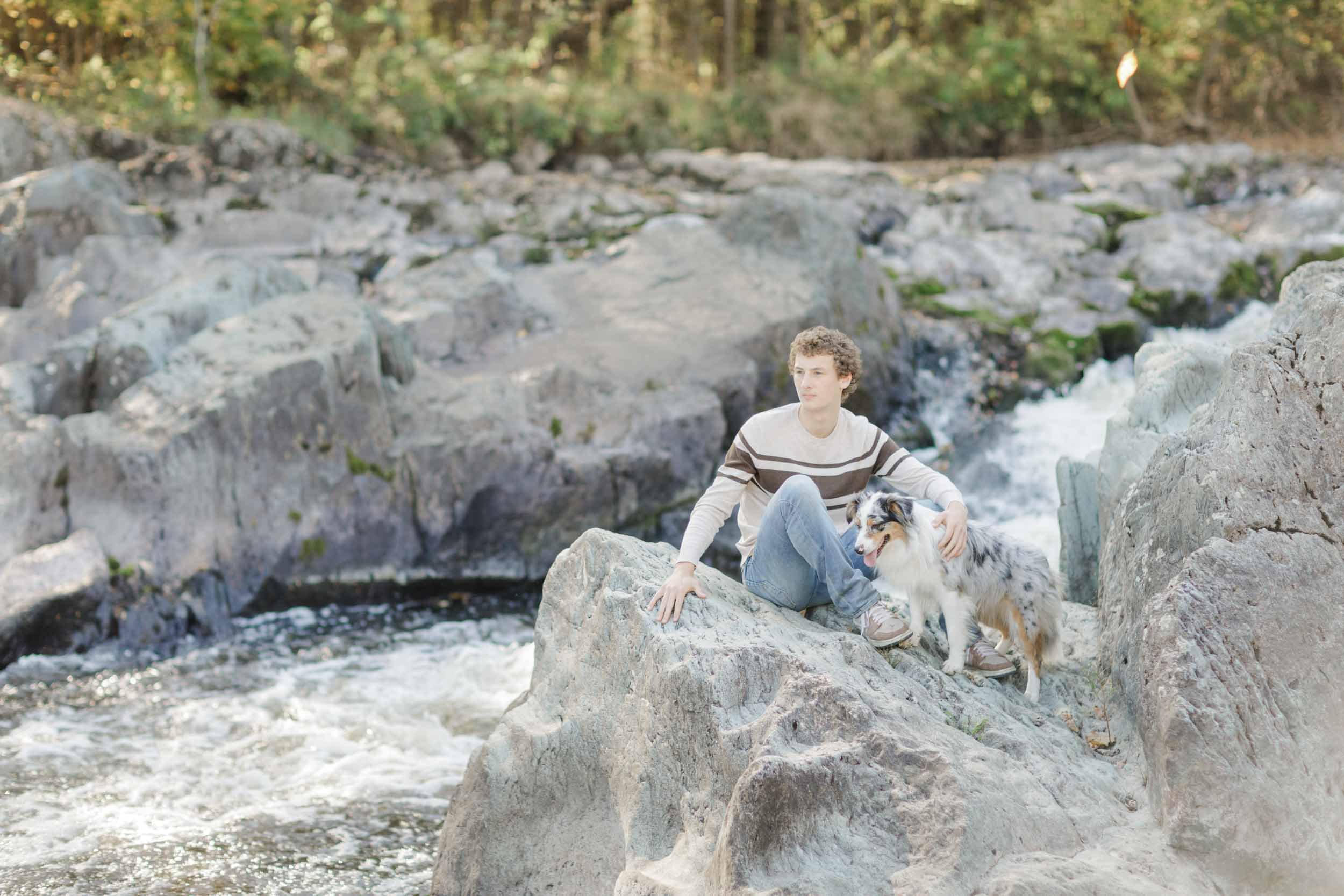
One of the more common questions we hear from Stokeshire families arises when a previously confident puppy becomes unexpectedly cautious in familiar environments. A motorcycle passes, a truck downshifts, a distant train sounds and a puppy who walked that same route comfortably yesterday now hesitates.
In many cases, particularly with intelligent and environmentally attuned dogs like AMD doodles, this reflects a normal developmental stage known as the second fear period.
Understanding this stage and how to respond to it - supports a smoother, more confident transition through adolescence.
What Is the Second Fear Period?
Most dogs experience two developmental fear stages as they mature. The second occurs during adolescence, typically between 6 and 14 months of age.
During this period, dogs who were previously confident may become more cautious about certain stimuli in their environment. Sounds, moving objects, unfamiliar places, or even previously ignored experiences may briefly feel overwhelming.
This phase is widely recognized by trainers and behaviorists as a temporary neurological and developmental stage, not a personality change or behavioral problem.
The American Kennel Club describes this period as a time when adolescent dogs may show sudden fear responses to new or familiar stimuli as they continue maturing emotionally and neurologically.
For perceptive, thoughtful dogs, particularly mixes like Australian Mountain Doodles, this sensitivity can be more noticeable.
Why Smart Dogs Experience This More Intensely
AMD doodles combine genetics from highly intelligent and observant breeds:
Australian Shepherds – deeply aware of their environment
Bernese Mountain Dogs – socially sensitive and loyal
Poodles – highly intelligent and perceptive
This combination often produces dogs who are quick learners, emotionally connected to their families, and highly attuned to environmental changes.
That awareness contributes to their strengths as companions, therapy prospects, and family dogs but it can also mean they register more environmental detail during adolescence.
In practical terms, your dog is not becoming fearful; they are processing the world with a more mature brain.
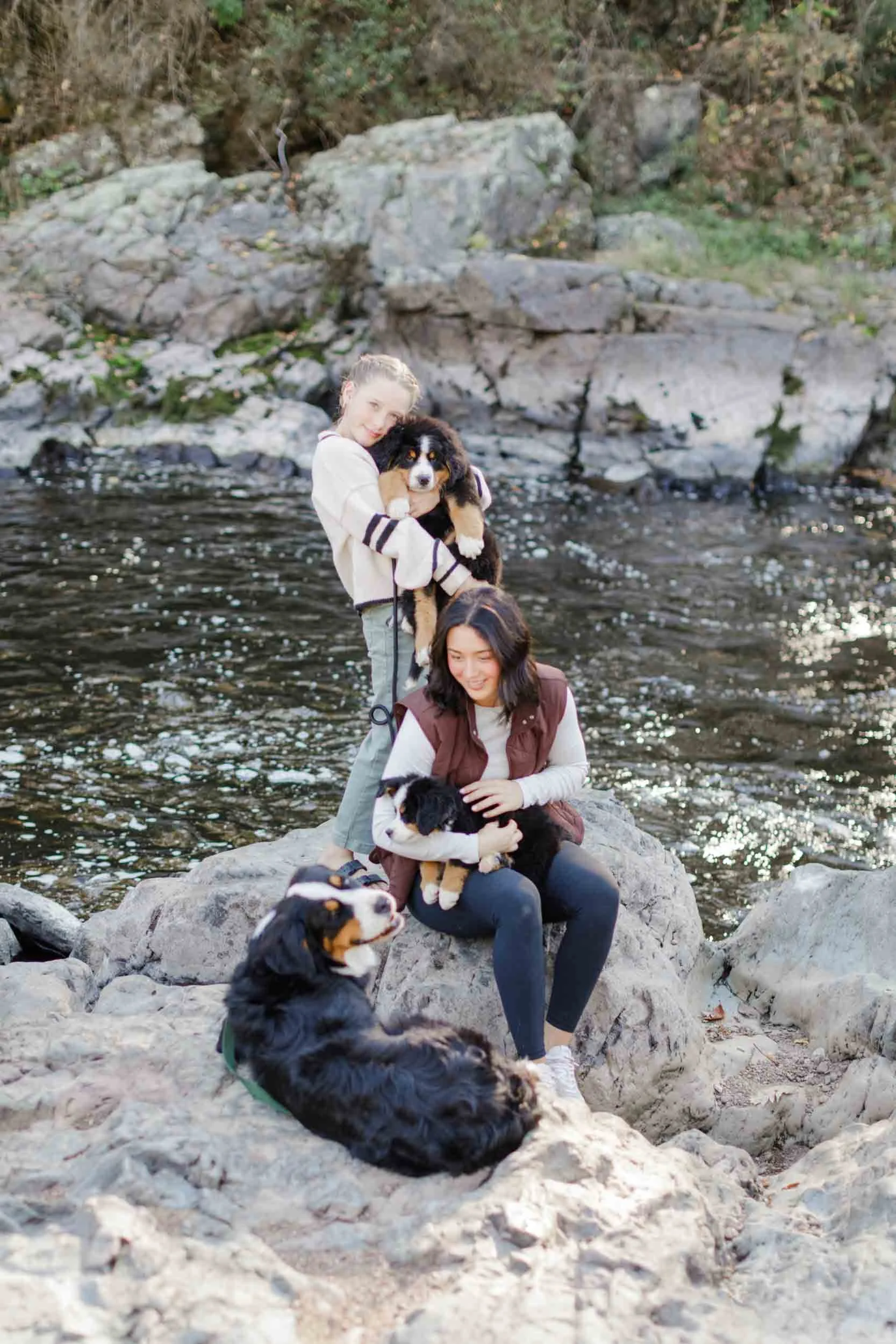
Signs Your Dog May Be in a Second Fear Period
During this stage, you may observe:
Hesitation during walks
Sensitivity to loud or unfamiliar sounds
Seeking a safe space (such as the car or home)
Pausing or freezing when encountering new stimuli
Increased environmental awareness
These behaviors often appear suddenly, including in dogs who previously seemed unaffected.
For most dogs, this stage resolves naturally within a few weeks to a couple of months.
How to Support Your Dog Through This Phase
The most effective approach during this stage is calm leadership and patience.
Here are the principles we recommend to Stokeshire families:
Stay Calm and Confident
Dogs take emotional cues from their people. A relaxed, matter-of-fact approach helps restore confidence.
Avoid Forcing the Situation
If your dog is uncomfortable, do not move them closer to the trigger. Allow space for processing at their own pace.
Keep Experiences Positive
Short, calm exposures to everyday environments help build resilience without overwhelm.
Allow Safe Resets
If your dog chooses to retreat briefly to a safe place (such as your car), this can support emotional regulation before continuing.
Maintain Structure and Routine
Consistent training, daily walks, and predictable routines help adolescent dogs feel secure.
The Good News: Most Dogs Grow Out of This Quickly
For the vast majority of dogs, the second fear period is a short developmental checkpoint.
With steady guidance, most dogs move through this phase becoming more confident, more resilient, and more mature.
Many Stokeshire families notice that once this stage passes, their dogs appear more stable and at ease in their environment.
A Final Thought for Stokeshire Families
The dogs in our program are intentionally bred for intelligence, emotional connection, and environmental awareness. These traits are central to what makes them exceptional companions.
Developmental stages such as the second fear period are a normal part of that progression.
With patience, consistency, and calm leadership, your dog will continue developing into the confident partner they are meant to be.
If questions arise along the way, we are always available to support you.
Sources
American Kennel Club – Fear Periods in Puppies
AKC Expert Advice – Training and Behavior Development in Adolescent Dogs