
Why Doodles Are Considered Hypoallergenic
The Science Behind Hypoallergenic Doodles
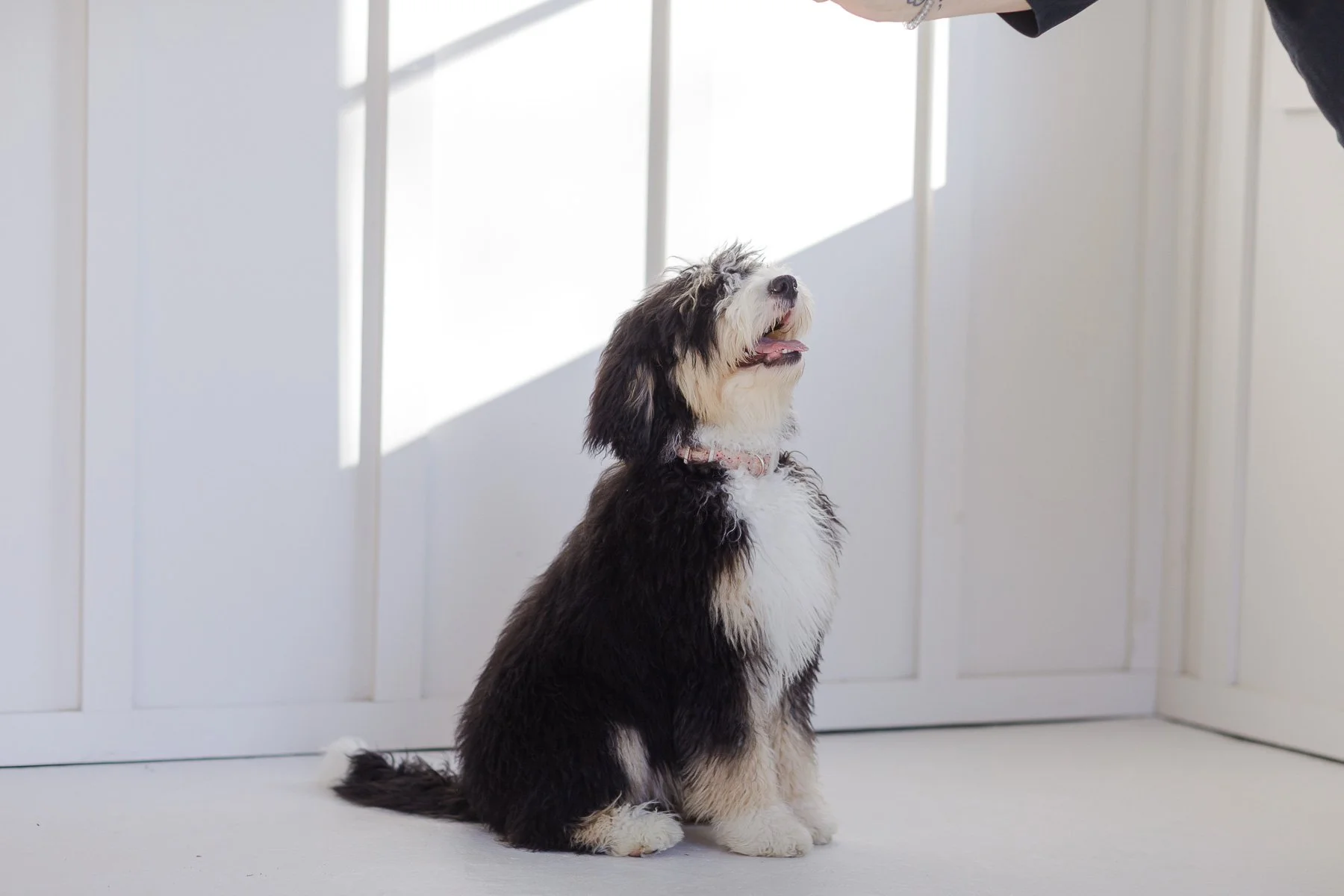
For families touched by allergies, the dream of bringing home a puppy often comes with a hint of hesitation. The worry of sneezes, sniffles, and itchy eyes can feel like a barrier to the unconditional love a dog offers. At Stokeshire, we believe every family deserves that joy. That’s why we’ve dedicated our work to raising exceptional Australian Mountain Doodles, Golden Mountain Doodles, and Bernedoodles whose allergy-friendly coats can make that dream a reality.
While the term "hypoallergenic" is widely used, what’s the real science behind it? It isn't magic—it's a thoughtful combination of genetics, coat structure, and responsible breeding. This guide will explore the scientific reasons Doodles are a leading choice for allergy-sensitive homes and how you can find the perfect furry companion for your family.
What Truly Makes a Dog “Hypoallergenic”?
The idea of a completely allergen-free dog is, unfortunately, a myth. The term "hypoallergenic" simply means a dog is less likely to cause an allergic reaction. The source of these reactions isn't the hair itself, but microscopic proteins found in a dog’s dander (skin flakes), saliva, and urine. The most common culprit is a protein called Can f 1.
When a dog sheds, it releases these proteins into the environment. They become airborne, settle on furniture, and get trapped in carpets, triggering symptoms in sensitive individuals. Therefore, a dog's hypoallergenic quality is directly tied to how much it sheds. Breeds that shed minimally release far fewer allergens into your home, making them more manageable for people with allergies.
The Poodle’s Genetic Contribution
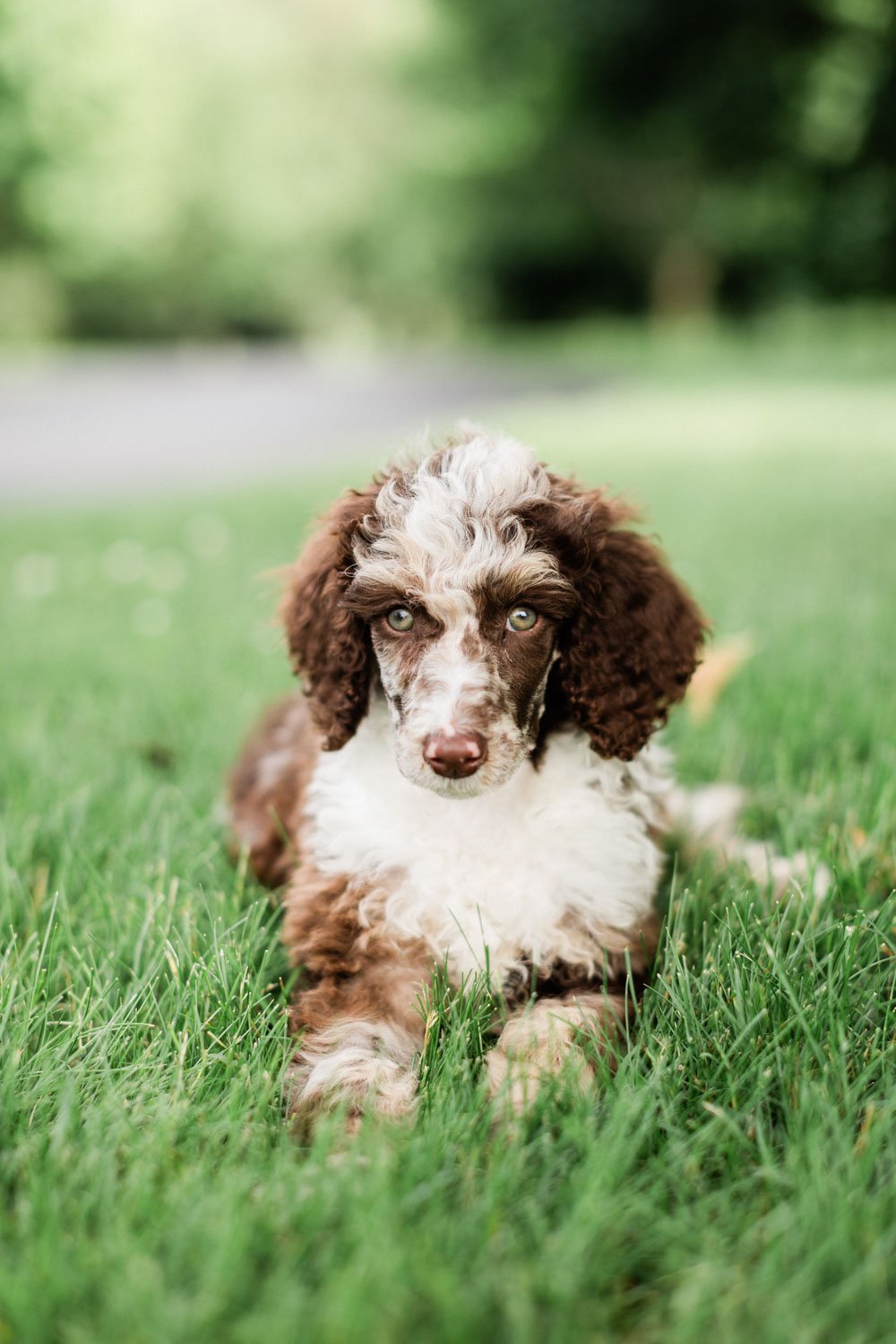
The secret to the Doodle’s allergy-friendly reputation is rooted in its Poodle ancestry. Poodles are celebrated for their unique, low-shedding coat. Unlike breeds with a double coat of fur that sheds seasonally, Poodles have a single layer of dense, curly hair that grows continuously.
This hair-like coat acts like a net, trapping dander and loose hairs close to the skin instead of letting them fall out. These trapped allergens are then removed during regular brushing. When a Poodle is crossed with another breed, such as a Bernese Mountain Dog or Golden Retriever, it can pass on this highly desirable low-shedding trait. Through careful, selective breeding, we can produce puppies with predictable, allergy-friendly coats that blend the Poodle’s intelligence and grace with the beloved temperaments of other breeds.
How Coat Types Impact Allergen Levels
Not all Doodle coats are created equal when it comes to managing allergies. The specific coat type is the single most important factor in determining how allergy-friendly a puppy will be. Understanding the differences is key to finding the right match for your family’s needs.
Curly Coat: The Gold Standard for Allergy Sufferers
The curly coat is the most similar to a Poodle’s, with tight, dense curls. This structure is the most effective at trapping dander and sheds the least. For families with moderate to severe allergies, a curly-coated Doodle is the safest and most predictable choice. While it requires diligent grooming to prevent mats, the payoff is a significant reduction in airborne allergens.
Wavy Coat: The Perfect Balance
Often called a "fleece" coat, the wavy coat offers an ideal middle ground. It is still exceptionally low-shedding but is generally easier to maintain than a curly coat. Its soft, flowing waves are beautiful and highly effective at keeping dander under control, making it a perfect fit for families with mild to moderate allergies.
Unfurnished Coat: A Less Ideal Choice for Allergies
Unfurnished Doodles lack the signature beard and eyebrows associated with the breed. This look is governed by a recessive gene that also results in a coat that tends to shed more. While these Doodles possess wonderful temperaments, they are not recommended for homes where allergies are a significant concern.
For a deeper dive into the fascinating world of coat genetics, our detailed article explains the science behind shedding and furnishings:
Coat Genetics in Dogs →
Why Doodles Are a Better Choice for Allergy-Sensitive Families
Doodles combine several scientifically-backed traits that make them a superior choice for families navigating allergies. Their Poodle heritage provides a strong genetic foundation for a low-shedding coat, which is the primary factor in reducing environmental allergens.
Moreover, the structure of their curly and wavy coats physically traps dander, preventing it from becoming airborne. This means fewer allergens on your furniture, clothes, and in the air you breathe. When this is combined with the "hybrid vigor" that can result from ethical crossbreeding—often leading to healthier dogs with more stable coat qualities—the result is a loving companion that is far less likely to trigger allergic reactions compared to most purebreds.
Our Bernedoodles are a fantastic example of this. Learn more about their specific hypoallergenic qualities:
Are Bernedoodles Hypoallergenic? →
Tips for Managing Allergies with a Doodle
Even with a hypoallergenic dog, proactive steps can make your home a haven for both your family and your furry friend.
Establish a Grooming Routine: Regular brushing (3-4 times a week) is essential. This removes trapped dander and hair before it has a chance to enter the environment. A professional grooming appointment every 6-8 weeks will also keep their coat healthy and manageable.
Control Your Home Environment: Simple changes can make a huge difference. Use high-efficiency particulate air (HEPA) purifiers to filter out airborne allergens. Wash your dog’s bedding frequently, and consider making certain areas, like bedrooms, "dog-free" zones to give sensitive family members a place to retreat.
Regular Baths: Bathing your Doodle every 4-6 weeks with a gentle, high-quality dog shampoo helps wash away accumulated dander and saliva from their coat.
By pairing the right Doodle with these simple habits, many families find they can live a happy, sneeze-free life with their new companion. It’s the kind of cozy, heartwarming reality we strive to create for every family at Stokeshire.
Learn More About Hypoallergenic Doodle Dogs
If allergies are a concern for you or your family, explore our complete guide to hypoallergenic doodle coats, shedding, and how to choose the best allergy-friendly puppy.
Read the Hypoallergenic Doodle Guide →Want more allergy-friendly tips?
View All Hypoallergenic Articles →