
The Stokeshire Yard Protocol : A layered approach to flea and tick control that starts at the source

Most flea problems are yard problems.
Research consistently shows that up to 95% of a flea population lives off the dog - in the surrounding environment as eggs, larvae, and pupae waiting to emerge. Treating the dog alone without addressing the yard is reactive management, not environmental control.
The Stokeshire Yard Protocol is a seven-step, layered approach built around that reality.
The Stokeshire Yard Protocol
Step 1: Identify High-Risk Zones
Fleas concentrate where conditions favor their survival - shade, moisture, and organic debris. Before treating anything, map your yard for:
Under decks and porches
Along fence lines
Shaded mulch beds
Areas where your dog rests regularly
Control concentrates in these zones first. Treating open, sunny lawn is largely wasted effort.
Step 2: Biological Control
Beneficial nematodes are microscopic, soil-dwelling organisms that target flea larvae before they mature. They are widely regarded as a safe, effective foundation layer for outdoor flea management.
Application guidance:
Mix with water and apply via hose-end sprayer
Apply in early morning or evening - direct sunlight reduces viability
Water the treated area lightly afterward
Reapply every two to three weeks during active season
Focus on shaded zones, under structures, fence lines, and dog traffic areas
Nematodes do not harm children, pets, or beneficial insects when applied as directed.
Step 3: Habitat Modification
This step requires no products and is consistently underused.
Fleas depend on humidity and ground cover to complete their life cycle. Disrupting those conditions limits their ability to survive between hosts.
Practical actions:
Mow regularly - shorter grass increases sun exposure at ground level
Remove leaf litter and organic debris promptly
Trim low branches and dense shrubs to improve airflow
Address drainage issues that create persistently damp areas
Sunlight and airflow alone reduce flea viability significantly. This is the lowest-cost, highest-leverage step in the protocol.
Step 4: Natural Repellent Layer
Cedar oil and neem-based yard treatments add a contact-deterrent layer to the protocol. They disrupt flea development and feeding behavior without the residue concerns of synthetic pesticides.
Application notes:
Target perimeter zones, dog rest areas, and transition points from wooded areas
Reapply every one to two weeks and after significant rainfall
These treatments disperse over time and are not a stand-alone solution
Step 5: Targeted Dry-Zone Treatment
For kennel areas, dry soil patches, and structural edges, food-grade diatomaceous earth is a useful supplement. It works mechanically - dehydrating flea larvae on contact rather than through chemical action.
Use with care:
Apply only in dry conditions
Avoid inhalation during application
Ineffective once wet
Step 6: Perimeter Defense
Wildlife reintroduces fleas and ticks into treated yards on a regular basis. Rabbits, deer, and rodents are common vectors. Without perimeter management, you are continuously resetting the work done in steps two through five.
Treat fence lines, yard edges, and any zones where wooded or brushy areas meet your lawn. This single step significantly extends the effectiveness of everything else in the protocol.
Step 7: Maintenance Rhythm
Most yard treatment failures come from a single application followed by no follow-through. Flea life cycles range from two weeks to several months depending on conditions. Consistent, scheduled application is what produces durable results.
A practical rhythm:
Weekly: mow and inspect for debris
Every two to three weeks: reapply beneficial nematodes
Every one to two weeks: reapply cedar or neem spray
Monthly: refresh perimeter zones
The Complete System
The yard protocol works alongside, not instead of, management on the dog and inside the home. A complete approach addresses all three environments - dog, yard, and home. Controlling the yard reduces the overall parasite pressure your dog faces, which reduces how hard any single product has to work.
Consult your veterinarian before choosing or changing any topical or oral parasite preventative for your dog.
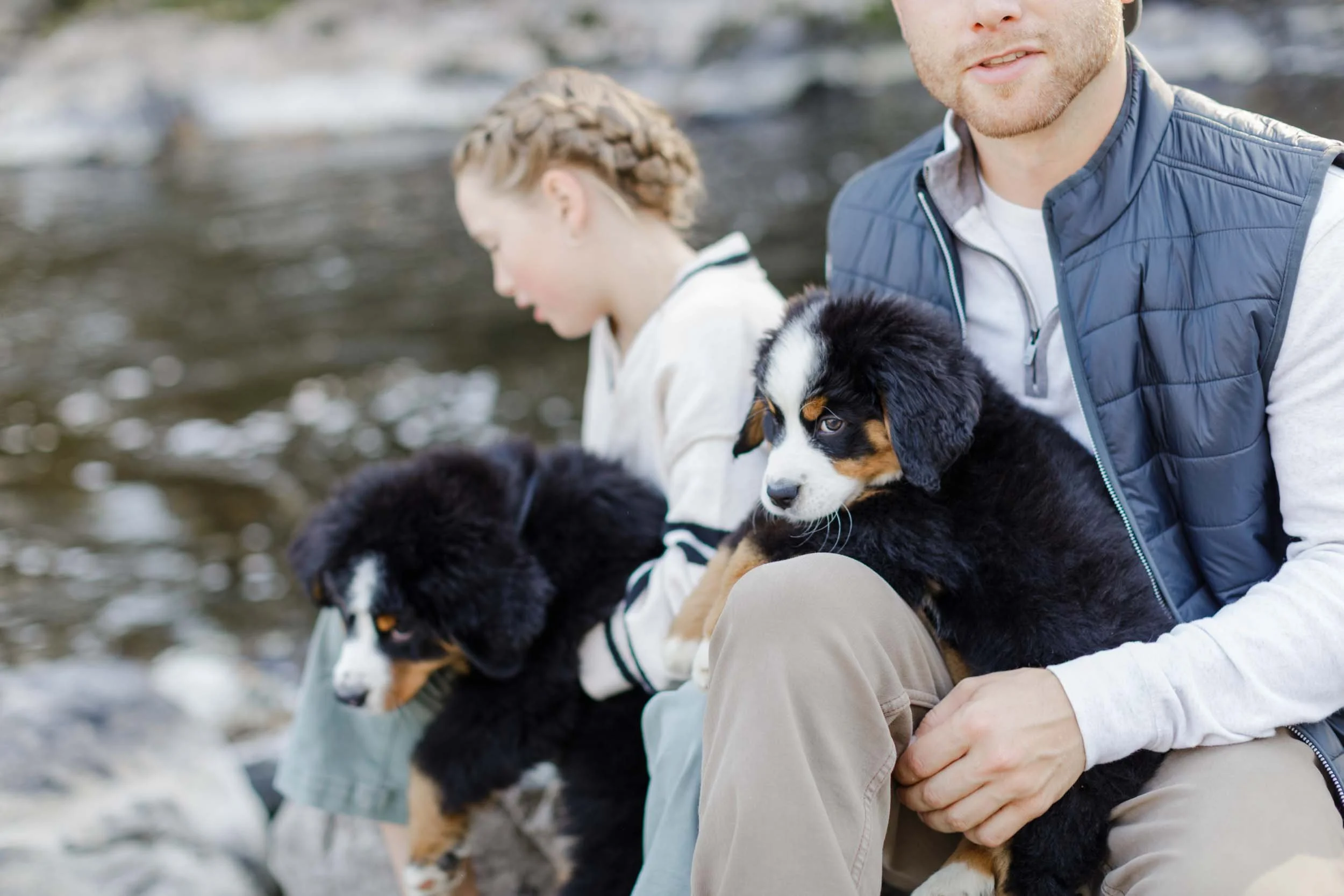
Built Around Systems, Not Reactions
At Stokeshire, the same thinking that shapes our breeding program applies to how we support dog owners after placement. Not fear-driven. Not trend-driven. Layered, evidence-based, and designed to work over time.
Buy on Amazon
Beneficial nematodes (look for Steinernema carpocapsae or Heterorhabditis bacteriophora - flea-specific strains)
Hose-end sprayer (for nematode and cedar/neem application)
Cedar oil yard spray concentrate
Neem oil concentrate (mix with water and a small amount of dish soap as an emulsifier)
Food-grade diatomaceous earth
That's the full purchasable list. Everything else in the protocol - mowing, debris removal, drainage, trimming - is labor, not product.
DIY Options
Neem spray - neem oil + water + a few drops of castile soap, mixed fresh before each application. Cheaper per application than pre-mixed products.
Cedar spray - cedar essential oil + water in a pump sprayer. Less concentrated than commercial yard sprays but functional for targeted zones.
Diatomaceous earth applicator - a squeeze bottle or repurposed flour sifter works fine for applying DE in dry areas.
What's worth buying vs. making
Buy the nematodes - quality and viability matter, and reputable Amazon brands (Arbico Organics, for example) are consistent. DIY the sprays - the raw ingredients are inexpensive and the mixed product degrades quickly anyway, so fresh batches make more sense than pre-mixed bottles.