
The Stokeshire Guide to Doodle Ear Care
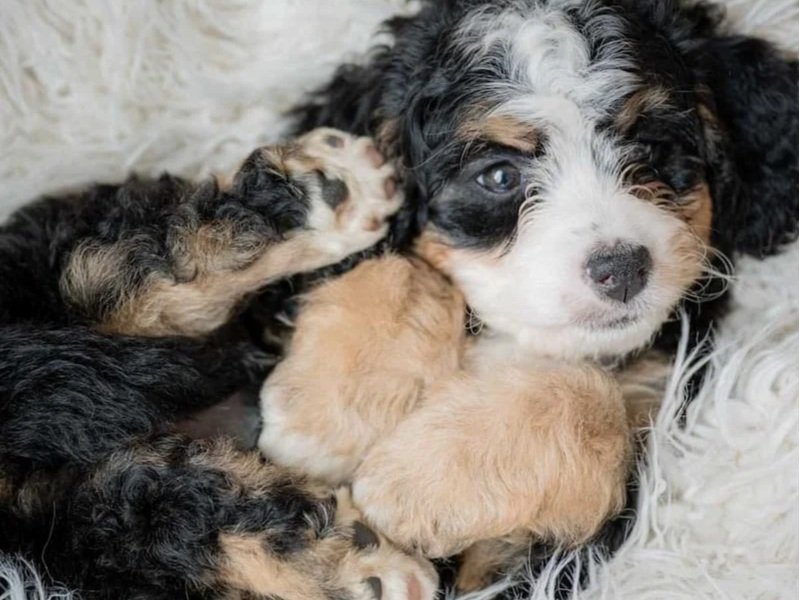
Ear infections remain one of the most common issues for doodle puppies and adults alike. Fortunately, they are also highly preventable. When you understand why these infections happen and implement a simple, consistent routine, ear trouble becomes a rare exception rather than a recurring nightmare.
At Stokeshire, we believe proactive care is the foundation of a healthy, happy dog. We built this comprehensive guide to share our proven ear care protocols. Whether you recently brought home a new puppy or want to improve your adult dog's hygiene routine, this guide provides the exact steps, products, and insights you need.
Here is what you will learn:
The anatomy behind doodle ear issues
Our top vet-recommended ear care products
The step-by-step Stokeshire cleaning routine
Warning signs that require a vet visit
Why Doodles Are Prone to Ear Issues
Doodles—including Bernedoodles, Goldendoodles, and Australian Mountain Doodles—inherit a specific set of physical traits that make their ears vulnerable to irritation. You need to understand these anatomical factors to prevent future problems.
First, doodles have heavy, floppy ears. This structure naturally reduces airflow to the ear canal. Without proper ventilation, the ear canal remains dark and warm.
Second, doodles grow hair deep inside their ear canals. This hair easily traps dirt, wax, and dead skin cells. When you combine this debris with a lack of airflow, you create an ideal environment for problems to start.
Finally, doodles love active lifestyles. They run through wet grass, swim in lakes, and require regular baths to maintain their beautiful coats. This introduces moisture into the ear canal. A warm, dark, moist environment with trapped debris acts as the perfect incubator for yeast and bacteria.
The Predictable Causes of Ear Infections
Most ear infections do not happen by accident. They follow a predictable pattern. By identifying these triggers, you can stop infections before they start.
The primary culprits include:
Trapped Moisture: Water left in the ears after swimming, bathing, or playing in the rain quickly leads to yeast overgrowth.
Wax and Debris Buildup: Natural wax production mixes with dirt and trapped hair, creating blockages that harbor bacteria.
Lack of Routine Cleaning: Skipping regular ear maintenance allows minor buildups to turn into severe infections.
Stress and Transitions: Puppies moving to new homes experience immune system adjustments, making them temporarily more susceptible to minor infections.
The goal here is not absolute perfection. You simply need consistency. A predictable routine solves the vast majority of these problems.
For dogs that spend time in lakes or at the beach, see our full guide to water and beach safety for Doodles, including ear-drying protocol after every swim.
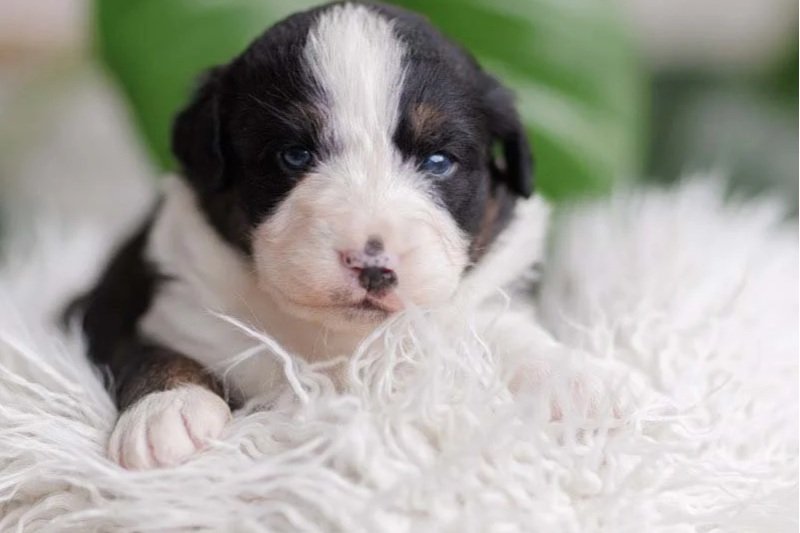
Recommended Ear Care Products for Your Doodle
Using the right tools makes all the difference. Not all ear cleaners work the same way, and using the wrong product can actually irritate your dog's sensitive skin. Here are the top choices trusted by veterinarians and used right here at Stokeshire.
Routine Maintenance Cleaners
Use these mild, effective cleaners weekly or as needed to break up wax, balance the ear's pH, and prevent bacterial overgrowth.
Epi-Otic Advanced (Virbac): A gold-standard gentle cleaner that dries the ear canal while neutralizing odors.
Douxo S3 PYO Micellar Solution: Excellent for sensitive skin and helping to restore the natural skin barrier.
Zymox Ear Cleanser: A highly effective enzymatic cleaner. Make sure you select the routine cleanser without hydrocortisone for regular maintenance.
Step-Up Prevention for Higher-Risk Puppies
If you notice your dog has recurring mild buildup or spends a lot of time swimming, you may need a slightly stronger preventative solution.
KetoTris Flush: Provides antibacterial and antifungal support.
TrizUltra + Keto: A TrizEDTA-based flush that offers stronger prevention against yeast and bacteria for thick doodle coats.
What to Avoid Completely
Never use hydrogen peroxide or heavy alcohol-based solutions to clean your dog's ears. These harsh chemicals strip the sensitive skin, cause severe irritation, and ultimately make ear problems worse. Additionally, avoid overusing medicated ointments or steroid drops unless explicitly directed by your veterinarian after a proper diagnosis.
The Stokeshire Ear Care Routine
We divide our ear care protocols into two phases: the standards we maintain as breeders before the puppy goes home, and the simple routine we ask owners to follow.
The Breeder Standard (Pre-Go-Home)
We handle the heavy lifting early on so your puppy gets off to a perfect start. During the final two weeks before go-home, we clean the puppies' ears once or twice a week, paying special attention after their baths.
Between 24 and 48 hours before your puppy leaves Stokeshire, we perform a strict final inspection. We check visually for redness, perform a smell check to ensure there is no yeast odor, and do a light final cleaning. Every puppy leaves with ears that are perfectly clean, odor-free, and clear of any visible discharge.
The Owner Routine
Your job at home is simple and straightforward. We recommend checking the ears visually once a week. Clean them only when you see visible debris or immediately after your dog takes a bath or goes swimming.
How to Clean Your Dog’s Ears (Step-by-Step)
Cleaning your doodle's ears takes less than two minutes once you get the hang of it. Follow these five simple steps:
Lift the Ear Flap: Gently hold the ear flap up to expose the ear canal.
Apply the Solution: Fill the ear canal generously with your chosen cleaning solution. Do not push the nozzle deep into the ear; just rest it near the opening.
Massage the Base: Rub the base of the ear gently but firmly for about twenty seconds. You should hear a distinct "squishing" sound as the liquid breaks up the wax deep inside the canal.
Let Your Dog Shake: Step back and let your dog shake their head. This natural motion brings the loosened debris up from the deep horizontal canal to the outer ear.
Wipe Clean: Use a soft cotton pad or cotton ball to wipe away the liquid and debris from the visible parts of the ear flap and the upper canal.
Important Rule: Never insert Q-tips into your dog's ear canal. You risk packing the wax deeper into the ear or permanently damaging their eardrum. Only wipe what you can easily reach with your finger and a cotton pad.
When to Call the Vet
Even with the best prevention, minor issues can occasionally pop up. Early action prevents minor irritation from becoming a painful, expensive problem. Call your veterinarian if you notice any of the following warning signs:
A strong, foul, or yeasty odor coming from the ear
Dark brown, yellow, or green discharge
Noticeable redness, swelling, or heat around the ear flap
Excessive head shaking, scratching at the ears, or whining when the head is touched
The Stokeshire Standard of Care
We believe that raising exceptional doodles means equipping our families with the knowledge to care for them properly. Ear infections in doodles are predictable, highly preventable, and easily managed with consistent care.
Every puppy that leaves our care receives a thorough health check, and we provide every new family with a comprehensive Go-Home Kit. These kits include travel-sized ear cleaner, cotton pads, and quick-reference instruction cards to ensure your puppy's transition is seamless. We want you to feel confident and prepared from day one.
Are you ready to welcome a healthy, happy doodle into your family? Explore our available puppies or reach out to the Stokeshire team today to learn more about our breeding program and our commitment to lifelong canine health.