
How to Create Safer Habits for Dogs Struggling With Arousal and Control
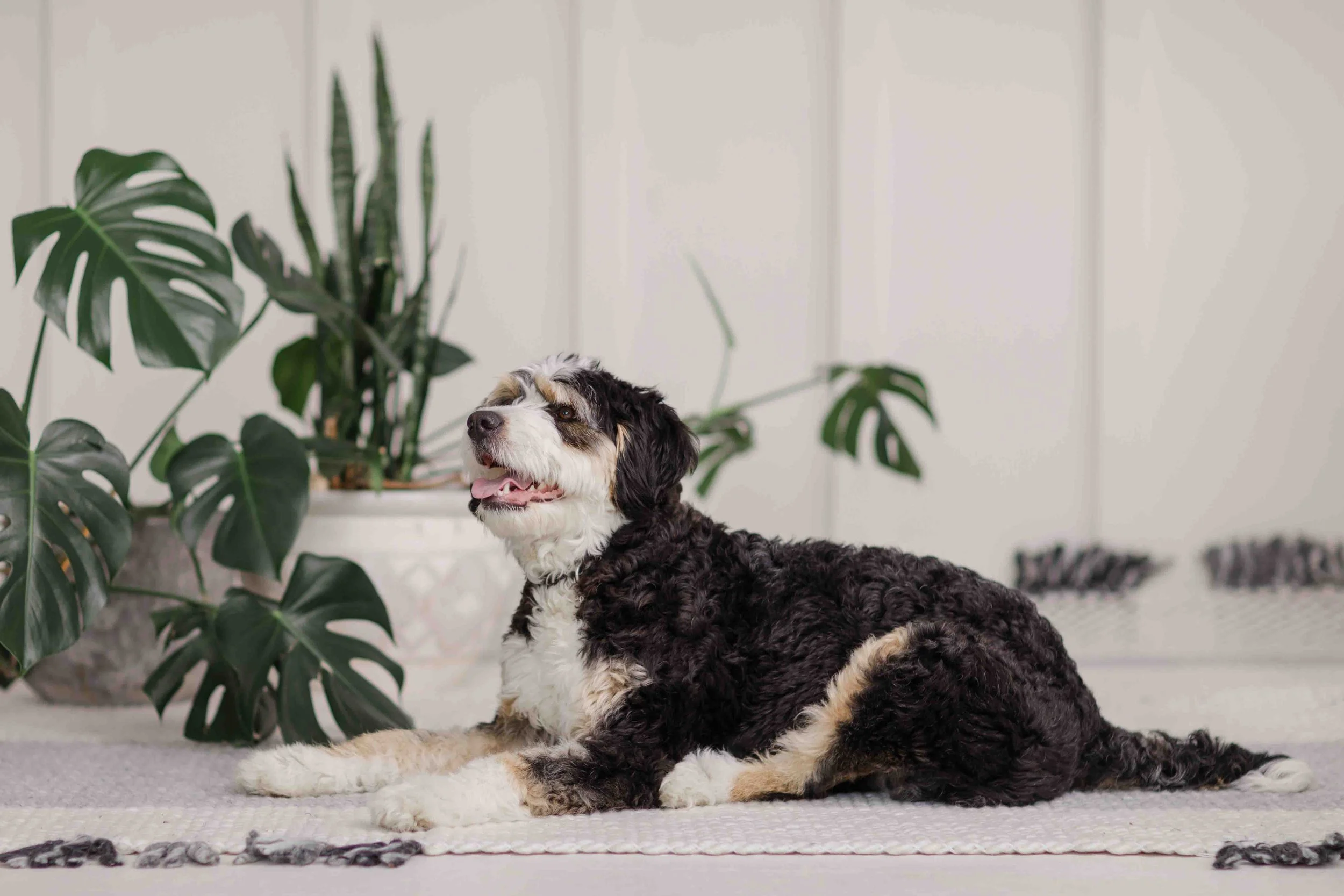
Some dogs can go from fun and playful to completely wound up in a matter of seconds. One moment they seem happy and engaged, and the next they are jumping, grabbing at sleeves, mouthing hands, or struggling to calm back down. That sudden shift can leave owners feeling puzzled, especially when the same dog is usually sweet, affectionate, and easy to be around.
This usually shows up in everyday moments like greetings, play, walks, or busy family routines. These dogs are not trying to be difficult. They get overstimulated, lose control, and start making poor choices. When that happens often enough, the behavior can get rougher and harder to stop.
What Arousal and Control Problems Look Like
Arousal issues are frustrating because they can seem to come out of nowhere. A dog looks fine, then suddenly starts barking, spinning, jumping, grabbing clothing, or mouthing with more force than you expected. Some dogs settle quickly once the excitement passes. Others stay revved up long after the moment is over, and that is often when a household starts feeling on edge.
It can also be inconsistent, which makes it harder to read. A dog may handle one greeting beautifully, then lose all composure during the next one. That usually means the dog has gone past a threshold. Excitement, noise, novelty, frustration, and fast movement all stack up. Once they do, self-control tends to drop off fast.
That does not always mean aggression. It does mean the dog needs help. When rough responses keep getting rehearsed, they start to become familiar, and familiar behaviors are the ones dogs reach for first.
Habits That Help Lower Risk
Dogs like this usually do better when life feels a little steadier. Predictable meals, regular walks, enough rest, and built-in downtime can make a bigger difference than people expect. A dog who is already running hot is far more likely to make poor choices when excitement rises.

Play matters a lot here. Fast, chaotic games can push some dogs right over the edge, especially if they already have a habit of grabbing, mouthing, or getting carried away. Shorter play sessions with pauses built in can help keep things from spiraling. It also helps to end play calmly instead of stopping only after the dog is already over the top.
Busy moments around the house call for a little planning. Guests arriving, children moving fast, or that burst of excitement before a walk can all light the fuse. A little structure goes a long way. That might mean redirecting to a toy before mouthing starts, clipping on a leash during high-energy moments, or sending the dog to a familiar settle spot before the room gets loud. Those choices may seem small, but repeated every day, they start to shape the dog’s default response.
Training should make things clearer, not heavier. Reward-based training is widely supported because it helps dogs learn without adding fear or confusion. For dogs who already struggle when they get wound up, that matters. Calm timing, clean repetition, and realistic expectations can change the whole feel of a situation.

When Behavior Starts to Feel More Serious
Some dogs get mouthy when they are excited and recover quickly. Others start showing a pattern that is harder to shrug off. The bites get firmer. The dog goes for hands, sleeves, or legs more often. Recovery takes longer. The same scene keeps replaying even when the owner steps in.
That is usually the moment to stop hoping it will sort itself out. Rough behavior during stress or excitement can become a real safety issue over time. It also changes the mood in a home. People get tense. Dogs pick up on that tension. The whole thing starts feeding itself.
Wisconsin families often deal with these problems in ordinary home settings, but a serious bite can bring much bigger consequences than one bad moment. In nearby Chicago, that can mean medical treatment, questions about liability, and a long recovery after a severe injury. In cases like that, some families may end up speaking with a Chicago dog bite lawyer after the immediate emergency has been handled.
This is also where outside support can make a real difference. A good trainer or veterinary behavior professional can look at the whole picture, spot the patterns, and help put safer routines in place before the problem gets more difficult to manage.
Closing Takeaway
Dogs who struggle with arousal and control need calmer, more consistent support. Better greetings, smarter play, more rest, and earlier redirection can make a real difference.
The goal is a dog who recovers faster, handles excitement better, and makes safer choices at home. For more help with early training habits and nipping and biting, this related guide is a useful next read. Catching the pattern early can make life easier for the dog and everyone around them.