
Mutt vs Purebred A Call for Responsible Breeding Practices
“If humans followed the same inbreeding practices as purebred dogs, we’d call it illegal—yet in dogs, it’s called a pedigree.”
Rethinking Breeding Norms
Dogs are often called "man's best friend," but could some of our breeding practices be hurting these loyal companions? Selective breeding has long celebrated traits like a Poodle's signature curls or the dignified stance of a Bernese Mountain Dog. However, it also has a downside that’s too significant to ignore. High levels of inbreeding in certain purebred lines have created significant health risks that diminish the quality of life for these animals. The time has come to address this issue head-on by exploring the science behind inbreeding, the benefits of genetic diversity, and why ethical breeding practices must lead the way forward.
The Invisible Costs of Selective Breeding
Much like following a recipe, breeding for specific traits requires precision, but what happens when certain ingredients overpower the mix? Over generations, selectively bred traits can reduce genetic diversity and increase homozygosity, a term used to describe the doubling of identical alleles inherited from both parents. While this process reinforces characteristics like stature or coat pattern, it also heightens the risks of hereditary conditions lurking in the genetic shadows.
The Problem with Poodles
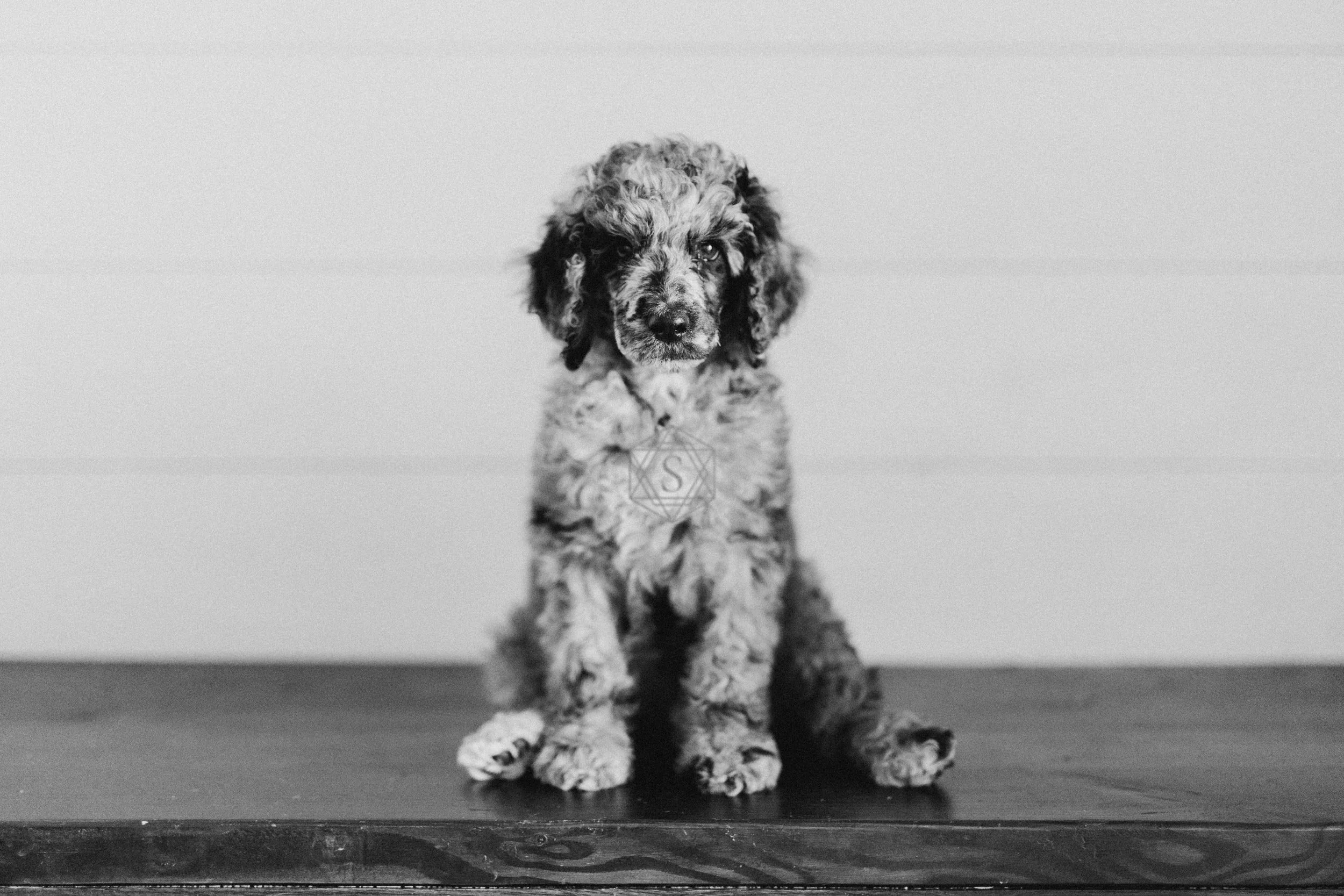
Take, for instance, the beloved Standard Poodle. Distinguished, intelligent, and low-shedding, they are everything dog owners dream of. Yet, improvements in their coat and agility have come at a genetic cost. Studies show that Poodles experience a "popular sire effect," meaning some male dogs are disproportionately bred, narrowing the gene pool over time. With a Coefficient of Inbreeding (COI) exceeding 20% in specific lines, Poodles face increased susceptibility to conditions such as Addison’s disease or progressive retinal atrophy.
Bernese Mountain Dogs and Their Unique Challenges
Bernese Mountain Dogs face a similar challenge. The breed descends from a small founding population, and in studies in Denmark, the Netherlands, and Switzerland, cancer caused about 42 to 58 percent of Bernese deaths. Histiocytic sarcoma, a malignant cancer, affects an estimated 15 to 25 percent of the breed, and the Bernese lives about 7 to 10 years on average. This repeats a cautionary tale for genetic homogeneity.

Bernese Mountain Dogs descend from a small founding population, which narrowed the breed’s gene pool.
Hybrid Vigor The Mutt Advantage
One remarkable solution lies outside the closed practices of purebred breeding. "Hybrid vigor," or heterosis, describes the added genetic diversity that comes from crossing two genetically distinct parents. Crossing distinct breed lines can increase genetic diversity and may reduce the likelihood that some recessive inherited conditions are expressed. It does not eliminate genetic disease or the health considerations present in the parent breeds.
For example, a carefully bred Labradoodle (combining the Labrador Retriever and Poodle) can embody the intelligence of a Poodle while benefiting from the Labrador's diversified genetic heritage. However, hybrid vigor is not an automatic guarantee. Deleterious genes could still surface in mixes, underscoring the importance of informed crossbreeding that incorporates rigorous genetic testing.
The Science of COI
If you’ve stumbled across the term Coefficient of Inbreeding without a clear explanation, think of COI as a percentage rating for risk. A COI of 0% implies the parents share no common ancestors, while 25% suggests both parents are genetically akin to siblings. Research has linked higher inbreeding with shorter lifespans and more health problems in dogs, so a lower COI is generally better.
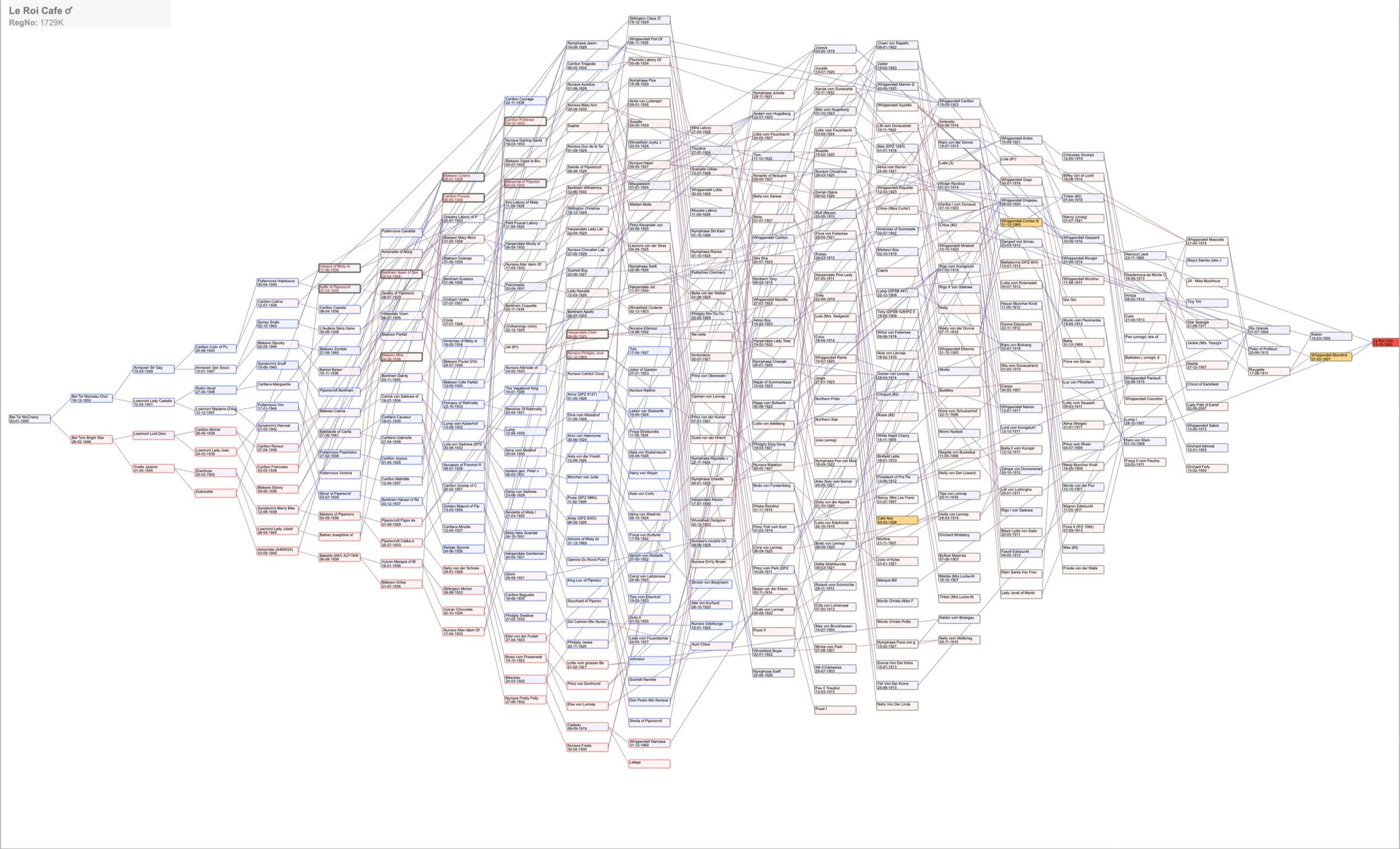
Genetic Bottleneck Example in Poodles
Pathways to Responsible Breeding
Think of breeders not only as artisans sculpting the ideal companion but also as stewards of canine well-being. It’s time for us to evolve beyond superficially aesthetic goals and focus on long-term health. Here are some impactful strategies for reforming breeding practices responsibly.
1. Champion Genetic Testing
Technology has gifted us tools like DNA screening kits to identify carriers of hereditary diseases long before puppies are born. Breeders can use resources like Embark and the Institute of Canine Biology to detect harmful traits and chart informed breeding plans.
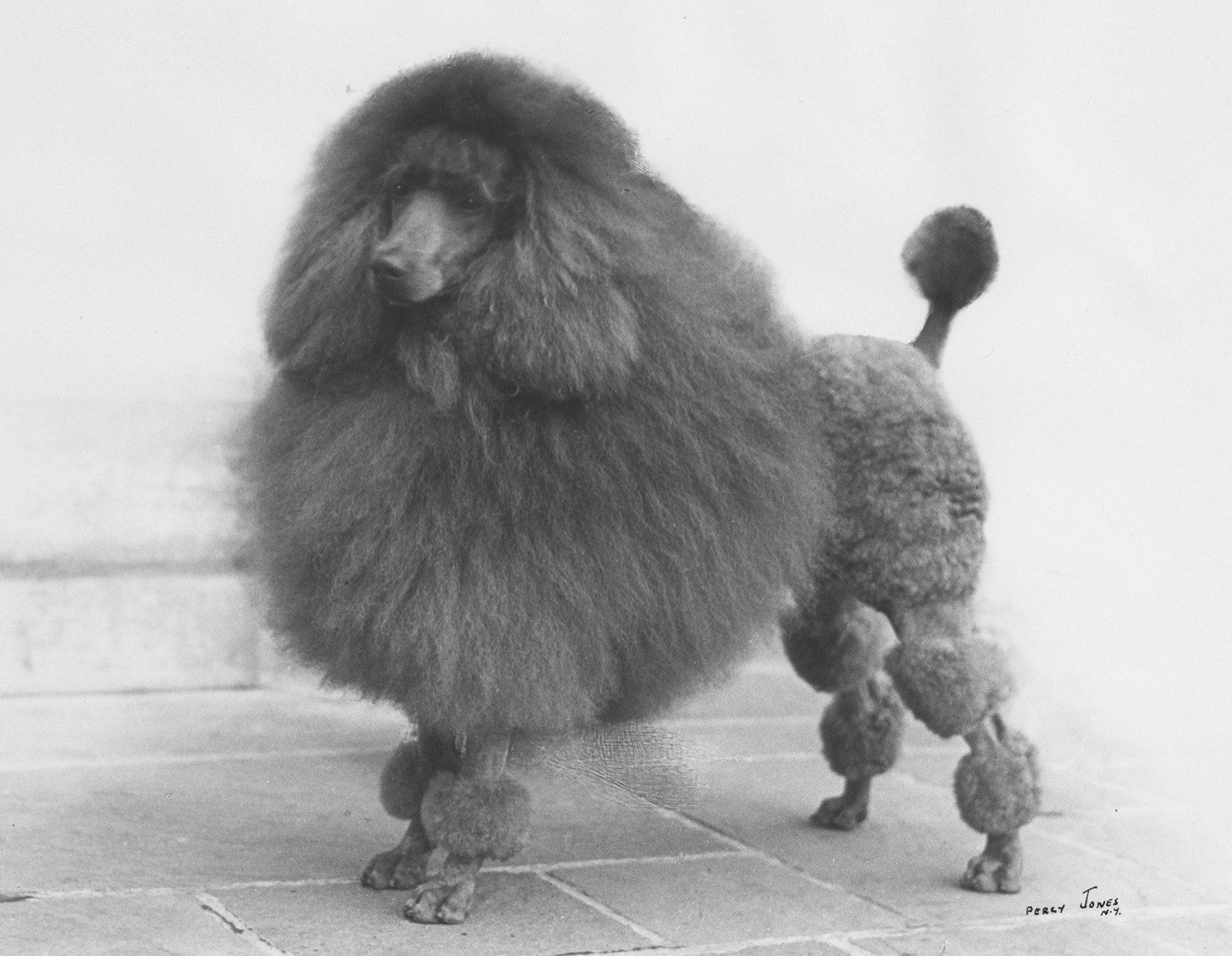
AMCH Blakeen Cyrano TP poodle
2. Reimagine Gene Pool Management
Avoid relying on "popular sires" to dominate breed lines. Instead, encourage the use of less-represented pedigrees to expand genetic horizons. Adding unrelated breeds to endangered bloodlines should also be considered to fight extinction risks.
3. Monitor COI Levels
If you participate in breeding, track the coefficient of inbreeding for every planned pairing and favor lower-COI pairings. Pedigree and DNA-based tools can project COI before a breeding.
4. Advocate for Education
Both breeders and dog owners should understand their decisions' cascading effects. Interested in a Bernese Mountain Dog, Cavalier King Charles Spaniel, or Poodle? Ask questions about a breeder's genetic screening policies, COI management, and long-term health protocols.
A Paradigm Shift Guided by Ethics
Purebreds will always hold a cherished place in our communities for their elegance and specific traits. Yet, the dialogue surrounding ethical breeding must evolve. The practice of ensuring healthy dogs isn’t just about adhering to standards but shattering outdated conventions to make space for intentional, informed choices that prioritize animals' well-being.
From the genetic diversity that hybrid vigor describes to the actionable goals of DNA-based decisions, transformation is within reach.
Where to Start
If you’re a pet enthusiast or breeder eager to make informed choices, consider attending webinars or exploring articles hosted by the Institute of Canine Biology. Their holistic approach combines academic rigor with actionable genetic strategies aimed at preserving diversity and improving canine health.
There’s no better time to begin safeguarding the future of man’s best friend.
References
Abadie, J., Hédan, B., Cadieu, E., De Brito, C., Devauchelle, P., et al. (2009). Epidemiology, pathology, and genetics of histiocytic sarcoma in the Bernese Mountain Dog breed. Journal of Heredity, 100(Suppl 1), S19–S27.
Beuchat, C. (2015). What level of inbreeding is "safe"? The Institute of Canine Biology. Retrieved from https://www.instituteofcaninebiology.org/blog/what-level-of-inbreeding-is-safe
Bellumori, T. P., Famula, T. R., Bannasch, D. L., Belanger, J. M., & Oberbauer, A. M. (2013). Prevalence of inherited disorders among mixed-breed and purebred dogs: 27,254 cases (1995–2010). Journal of the American Veterinary Medical Association, 242(11), 1549–1555.
Klopfenstein, M., Howard, J., Rossetti, M., & Geissbühler, U. (2016). Life expectancy and causes of death in Bernese Mountain Dogs in Switzerland. BMC Veterinary Research, 12, 153.
Pedersen, N. C., Brucker, L., Tessier, N. G., Liu, H., & Penedo, M. C. T. (2015). The effect of genetic bottlenecks and inbreeding on the incidence of two major autoimmune diseases in Standard Poodles. Canine Genetics and Epidemiology, 2, 14.