
Preventing UTIs in Puppies: A Breeder’s Guide to Early Urinary Health, Routine Design, and Holistic Support
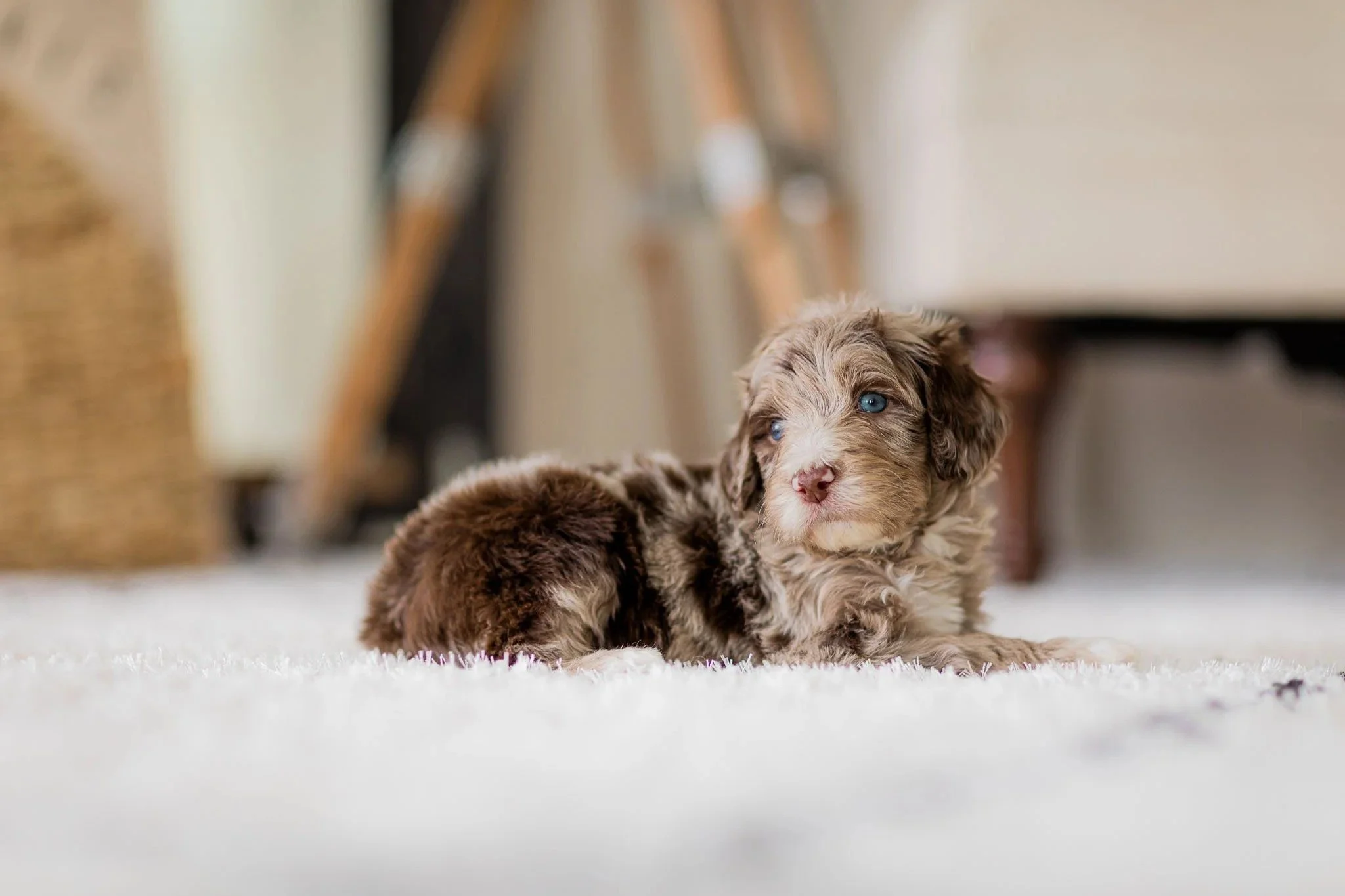
Urinary tract infections (UTIs) in young puppies are not incredibly common, but they are certainly not rare. When a puppy develops a urinary issue, it almost always appears during a specific, highly predictable window of time. Usually, this happens during the transition from the breeder to the new home, the first week of routine disruption, or the early stages of potty and crate training.
At Stokeshire Designer Doodles, we do not view these moments as isolated incidents or bad luck. We view them as systems problems that require thoughtful solutions. UTIs are rarely about genetics. They are almost always the result of environment, routine, and timing.
This guide will walk you through the root causes of early urinary issues and provide a structured system to prevent them. You will learn how to design better routines, implement proactive hygiene standards, and utilize holistic support to keep puppies thriving during their biggest transitions.
Understanding the Root Cause
To prevent urinary tract infections, you must first understand how they develop. In young puppies, especially females, UTIs typically develop due to a combination of environmental and physical factors rather than underlying disease.
Female puppies have shorter urethral anatomy. This makes it much easier for bacteria from the environment to travel up into the bladder. However, anatomy alone does not cause an infection. The problem occurs when this anatomy meets specific environmental triggers.
Holding urine for too long during schedule transitions allows bacteria to multiply. Inconsistent hydration concentrates the urine and prevents the natural flushing of the bladder. Furthermore, moisture exposure from bathing, wet grass, or damp bedding creates the perfect breeding ground for bacteria. When you combine these factors with fecal contamination during early potty learning and the natural stress of moving to a new home, you create the perfect conditions for bacterial growth.
None of these factors are dramatic on their own. But together, they pose a significant risk to a developing puppy.
The Prevention Standard: A System, Not a Guess
We do not rely on chance when it comes to puppy health. We rely on structure. By implementing a clear system, breeders and owners can significantly reduce the opportunity for bacteria to take hold.
1. Hydration is Protection
Consistent hydration remains one of the most overlooked tools in urinary health. Water is the body's natural defense mechanism against urinary tract infections.
When a puppy is well hydrated, their urine is diluted. The bladder flushes regularly, which means bacteria has less opportunity to adhere to the bladder walls and multiply. To support optimal hydration, make sure water is consistently available during all waking hours.
Instead of restricting water completely in the evening, use a structured reduction method. You can also offer optional hydration support like high-quality bone broth or moderate amounts of goat milk. Flow protects the system, while stagnation creates risk.
2. Potty Frequency is Non-Negotiable
One of the most common contributors to early UTIs is simple: puppies holding their urine for too long.
Before the puppy goes home, and especially during the transition window, we recommend taking the puppy out every 20 to 30 minutes while they are awake. You must also take them out immediately after they wake up, finish a meal, or complete a play session. Always provide direct outdoor access before allowing any free roaming in the house. This is not excessive. It is a necessary preventative structure that protects the bladder.
3. Maintain a Dry Environment and Clean Routine
Moisture is one of the most underestimated risk factors for urinary tract infections. Bacteria thrive in damp, warm environments.
Always keep bedding clean and dry, changing it daily or immediately if it becomes damp. Prevent prolonged exposure to wet grass or damp surfaces during outdoor play. Ensure crates remain perfectly dry and sanitary at all times. If a puppy soils themselves, use gentle cleaning methods to remove the mess immediately. For sensitive or high-risk puppies, you can occasionally use unscented baby wipes in the perineal area, but only when absolutely necessary.
4. Thoughtful Bathing Practices
Young puppies do not actually need frequent bathing. Over-bathing can strip their skin of natural oils and introduce unnecessary moisture to sensitive areas.
When you must bathe a puppy, avoid directing water specifically toward the genital area. More importantly, dry the puppy thoroughly before returning them to their crate or bedding. Moisture left behind on the coat or skin creates a prime environment where bacteria easily thrive and multiply.
5. Pre-Go-Home Awareness
Most breeders rely solely on visual observation to monitor puppy health. While observation is a necessary starting point, it should not be the ceiling of your care standards.
Pay close attention to urination habits. Monitor the puppies for frequent squatting, dribbling, or incomplete elimination. Take note of any strong or unusual odors. Watch for sudden changes in behavior or comfort levels during potty routines.
For high-end breeding programs, routine urinalysis in female puppies prior to go-home serves as an excellent optional upgrade. While this is not the current industry standard, it aligns perfectly with where premium, health-focused breeding programs are heading.
Holistic Support for a Healthy Urinary Tract
We must be very clear: there is no true natural antibiotic that replaces proper veterinary treatment for an active UTI. If a puppy has a confirmed infection, appropriate veterinary care and prescribed medications are absolutely essential.
However, you can use natural supports to help maintain a healthy urinary environment and prevent infections before they start.
Cranberry: Supports the urinary tract by helping reduce bacterial adhesion to the bladder walls. Use this primarily during transition periods or specifically in female puppies as a preventative measure.
D-Mannose: A powerful simple sugar that helps bind bacteria and flush it out through the urine. This is often used short-term during periods of high stress or as proactive support during the early weeks home.
Probiotics: Supports overall gut health and immune balance. A strong gut microbiome helps reduce the risk of infections stemming from minor fecal contamination.
Bone Broth: Highly palatable and encourages deep hydration, which remains one of the most important protective mechanisms for the kidneys and bladder.
Marshmallow Root: An advanced herbal support that soothes and coats the urinary tract lining. Use this specifically under the guidance of a holistic veterinarian.

The Most Important Window: The First Week Home
If you take only one thing away from this guide, it should be this: the highest risk period for a puppy developing a UTI is the first seven days after going to their new home.
This is the exact window where routines change dramatically, environmental stress increases, and new behavioral patterns are still forming. Breeders must clearly instruct new families on how to navigate this period safely.
Families should actively increase potty frequency rather than expecting the puppy to hold it longer. They need to maintain strict structure and close supervision. Instruct owners to monitor urination frequency, appetite, and energy levels closely. If something feels off, they should contact their veterinarian early. Early detection leads to simple, fast resolutions. Delayed detection leads to unnecessary complications and discomfort.
Designing Better Outcomes
Breeding is no longer just about producing puppies. It is about designing careful systems, managing smooth transitions, and ensuring optimal health outcomes.
Preventing urinary tract infections is not about eliminating every possible risk entirely, as that is impossible. It is about actively reducing the opportunity for bacteria to grow, supporting the puppy's natural bodily defenses, and responding rapidly when intervention is needed.
Most breeders will never talk about the risk of early UTIs. But the professionals who build long-term trust, secure premium positioning, and care deeply about true client outcomes absolutely will. Responsible breeding covers far more than just how a puppy starts its life. It encompasses how that puppy transitions, adapts, and ultimately thrives in the home it was designed for.