
What Denver’s Pet-Friendly Culture Teaches Every Doodle Owner
Denver has become a reference point for what a pet-forward city can look like. Dog parks built to standard. Hotels that genuinely accommodate animals. Trails, restaurants, and neighborhoods that make daily life with a dog easier instead of harder. Visit Denver promotes the city’s pet-friendly hotels, parks, and attractions, and Denver’s own parks system maintains designated off-leash dog parks with explicit rules around licensing, control, and supervision.
No city is flawless. But Denver’s model is useful — not because it spoils dogs, but because it builds infrastructure around them. That’s the lesson worth borrowing.
We place doodles into homes across the country. The households where dogs thrive are not the ones with the nicest gear. They’re the ones whose daily routines treat the dog as part of the system, not an accessory to it. Six principles from Denver’s culture translate directly.
1. Pet-friendly living is built on routine, not indulgence
It’s easy to confuse “pet-friendly” with “pet-spoiled.” A dog-friendly patio is pleasant. A boutique treat shop is fun. Neither builds a stable dog.
What makes Denver’s model work is structure. The city’s dog park system is regulated and clearly maintained, with expectations around vaccination, licensing, waste cleanup, and owner supervision. That isn’t just about access — it’s about safe, sustainable access. Care infrastructure extends beyond parks into health, where providers like Denver based Sploot emergency vet reinforce the value of urgent, primary, and emergency veterinary support as part of proactive pet care.
The translation for any household: a healthy dog needs dependable exercise, predictable bathroom rhythms, exposure to varied environments, and enough mental engagement to prevent boredom from becoming a behavioral problem.
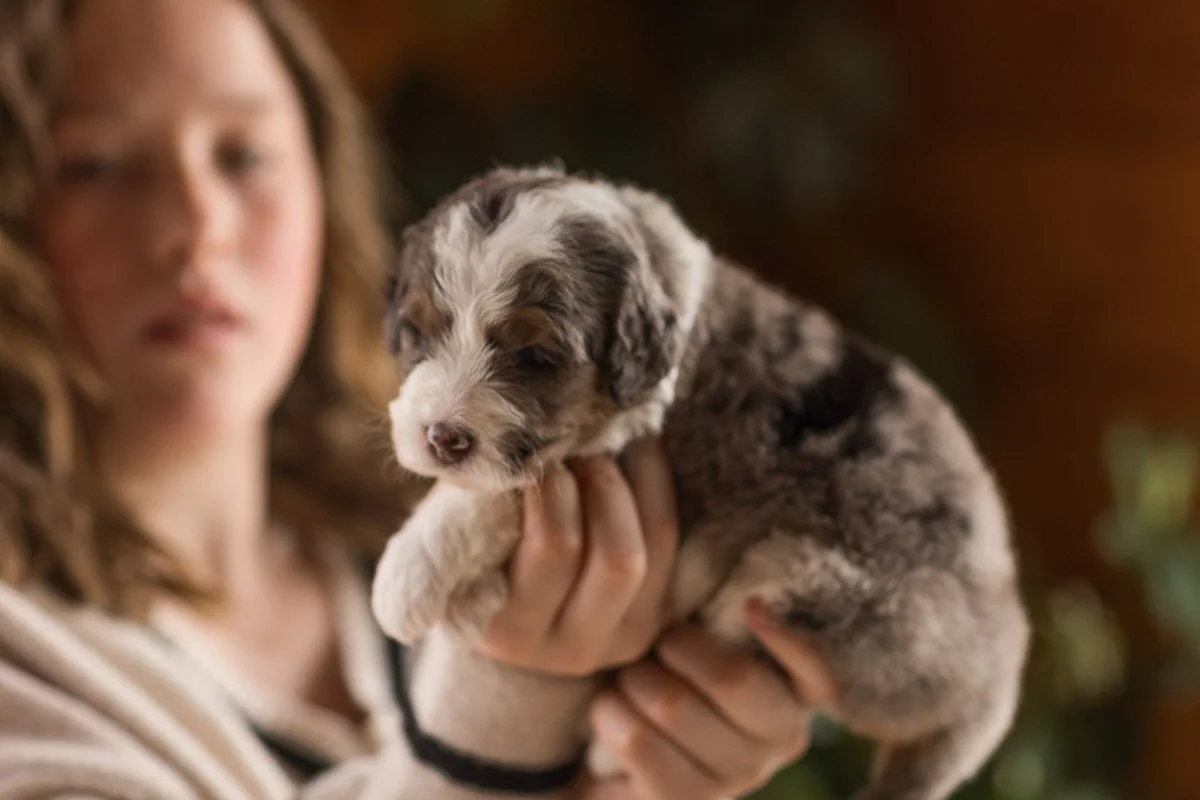
Doodles need this more than most. Australian Mountain Doodles, Golden Mountain Doodles, and Bernedoodles are bright, social, people-oriented dogs. They were bred to engage. They are not built for a five-minute backyard break and a vague walk schedule. They do well when the day has shape — movement, interaction, rest, grooming, and mental work.
2. Movement belongs in daily life, not bolted onto it
Denver’s outdoor identity is part of why its pet culture works. Dog walking access, off-leash trails, and pet-friendly destinations are part of how the city presents itself — the local press has long framed
dog-friendliness not as a niche feature, but as part of the city’s identity.
The lesson: dogs do better when movement is part of household culture, not a chore squeezed in when there’s time.
Owners often think too narrowly about exercise. A “walk” is one form. Sniff-heavy neighborhood routes, training games, trail outings, structured playdates, and short trips into new environments all count. The goal isn’t to drain the dog. It’s to help the dog regulate energy, build confidence, and engage with the world in healthy ways.
This matters acutely for doodles. Most carry poodle-derived intelligence and people-bonded temperaments from their second-breed lineage — Bernese, Australian Shepherd, Golden Retriever. That combination is wonderful when met. It becomes restless when ignored. A pet-friendly mindset says: don’t wait for under-stimulation to surface as jumping, barking, chewing, or anxiety. Build movement in before behavior unravels.
3. Social dogs still need social planning
A strong pet culture isn’t only about where dogs are allowed. It’s about how owners learn to manage their dogs around other people and animals.
Denver’s dog parks depend on rules about control, not just access. The city requires that socializing the dogs happens under the control and within view of the person responsible. That sounds basic, but the principle is bigger: social environments only work when owners stay engaged.
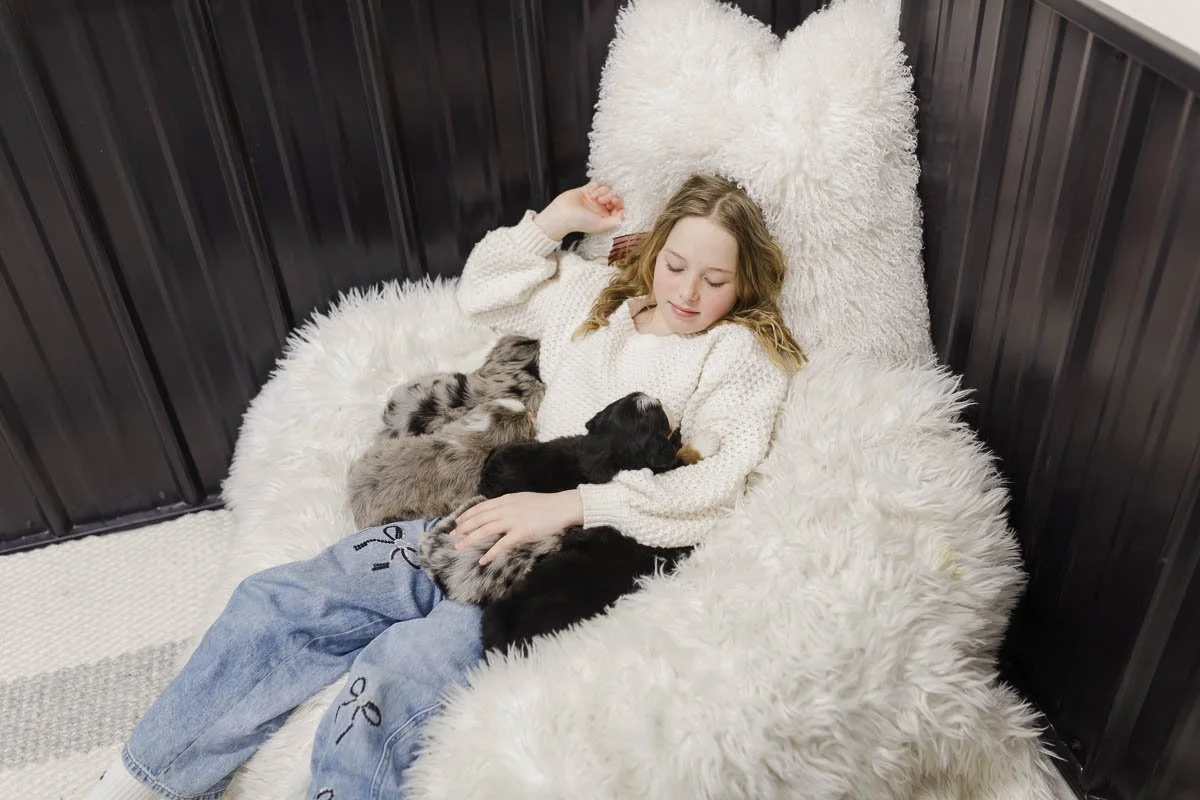
This matters for doodles because they are often described as friendly and family-oriented, which leads people to assume social ease is automatic. It isn’t. Social confidence is built — through calm introductions, varied exposure, and guidance about how to greet, settle, and disengage.
“Friendly” is not a substitute for “managed.” A genuinely pet-friendly lifestyle includes teaching dogs how to cope in public, settle in stimulating places, and read social cues. It also includes recognizing when a dog needs distance, more training, or a quieter environment — not pushing them through it.
Many doodles also have ongoing coat needs, so it helps when they are raised from early weeks to feel comfortable with grooming, veterinary visits, and everyday handling. We build that exposure into our protocol before the puppy ever leaves the program.
4. Prepared owners make better decisions in urgent moments
One marker of a mature pet culture is preparedness. The American Veterinary Medical Association’s National Pet Week guidance specifically includes planning for emergencies and a pet’s care, because responsible ownership includes knowing what to do when something goes wrong.
A pet-friendly household isn’t only one with a favorite groomer and a good camera roll. It’s one that has thought ahead. Where is the nearest emergency vet? Which symptoms warrant same-day attention? Do you know your dog’s medications, allergies, and recent health history? If something happens on a Sunday evening, do you already know where to go?
Preparedness reduces panic. It also improves outcomes.
For doodle households, this matters because coats, ears, skin, and activity levels can create recurring care needs. A dense coat can mat quickly when grooming slips. Doodles can be prone to ear issues when moisture and hair buildup are not managed. None of this is alarming — it’s predictable. And predictable care is easier than reactive care.
5. Community support matters more than people assume
Denver Animal Protection’s community engagement work includes access to veterinary services, humane education, and pet supplies for households that need support. That matters because the strongest pet cultures are not built only on luxury spending. They are built on education, access, and a baseline assumption that communities do better when pets — and the people who care for them — are supported.
This is a useful lens for any dog owner. It is easy to think good ownership means buying the right products. More often, the meaningful investments are unglamorous: training consistency, preventive care, grooming upkeep, safe exercise, and reliable information.
The same applies to doodle households. Doodles are often chosen because they are affectionate, expressive, and family-friendly. They also come with real care commitments — coat maintenance, social development, structured activity. The strongest doodle homes are not the ones with the most gear. They are the ones with realistic routines and a willingness to keep learning.
6. Treat the dog like family and still respect what they are
Denver’s culture works because it makes space for dogs without treating them as accessories. Dogs are welcomed into public life in ways that still acknowledge what they are: active, social animals with physical and behavioral needs.
That is the balance most owners should aim for. Love the dog deeply. Enjoy the cafés, walks, vacations, and rituals that make ownership joyful. But do not lose sight of the foundations. Dogs need movement, structure, rest, healthcare, grooming, and the chance to simply be dogs.
Doodles flourish in this balance. They are charming, expressive, and deeply bonded with their people. They become central to family life. They do best when affection is backed by structure.
Final thoughts
Denver’s pet-friendly culture isn’t useful because dogs are tolerated there. It’s useful because the welcome is supported by infrastructure, expectation, and a proactive attitude toward care. Visit Denver promotes pet-friendly destinations. The parks system maintains off-leash spaces. The civic culture treats pets as part of everyday life, not an exception to it.
That mindset translates anywhere. Make exercise normal. Build routines that support behavior. Plan ahead for health. Stay realistic about what your dog needs to thrive.
For doodle owners, the lesson lands harder. These are joyful, intelligent, deeply social companions. They do best in homes where pet-friendly living means more than affection — where care becomes part of how the household runs. When that happens, the dog isn’t just well-loved. The dog lives well.