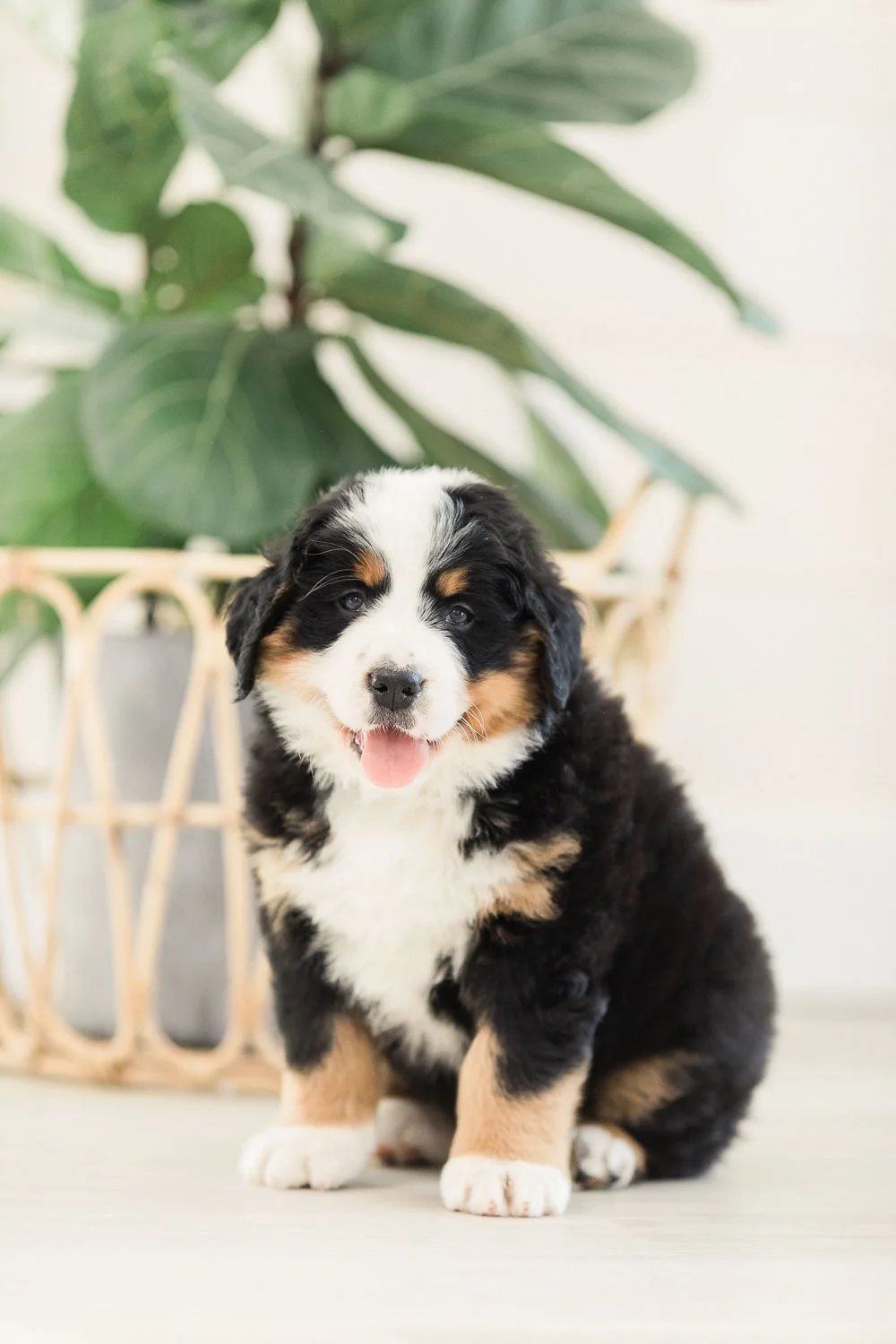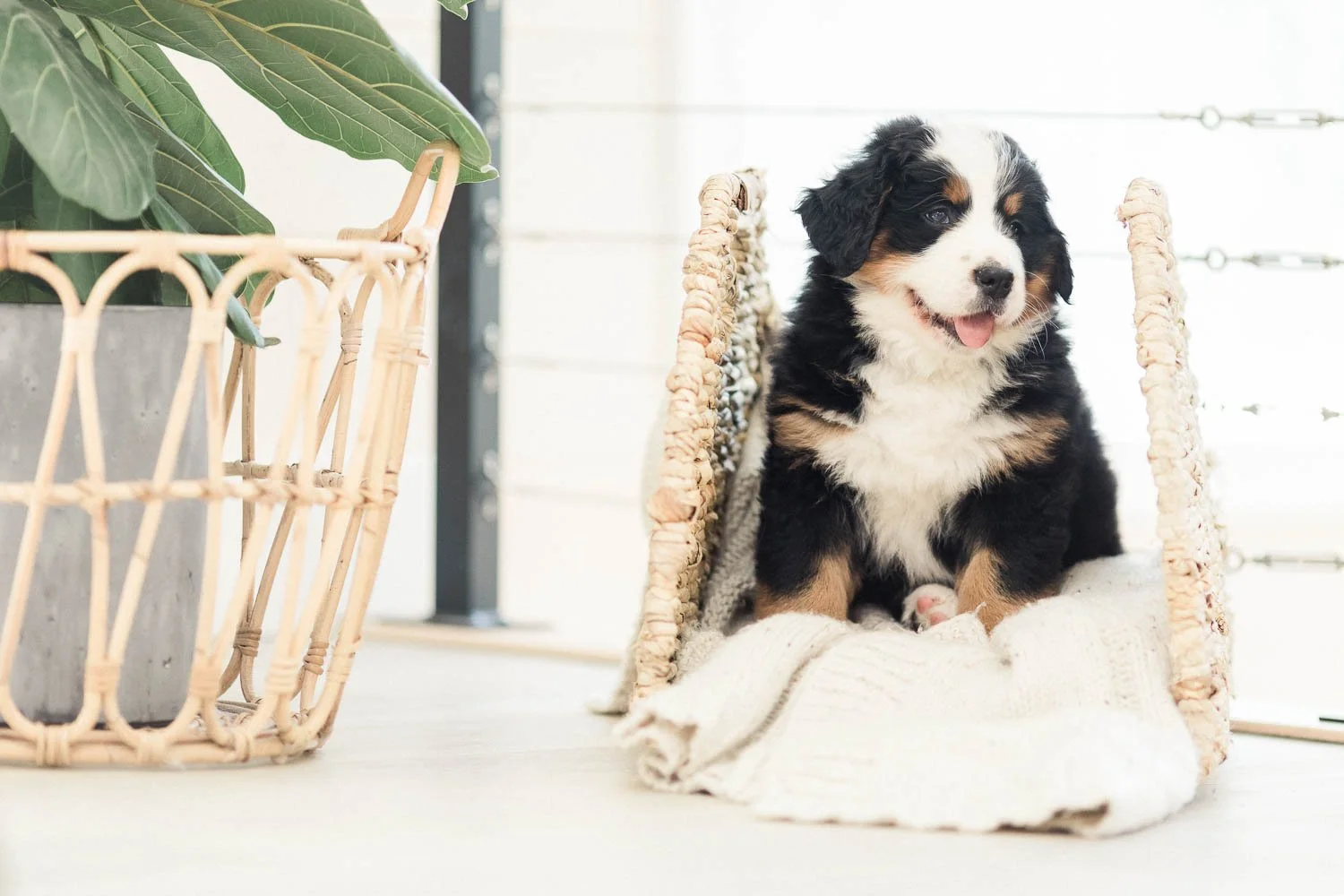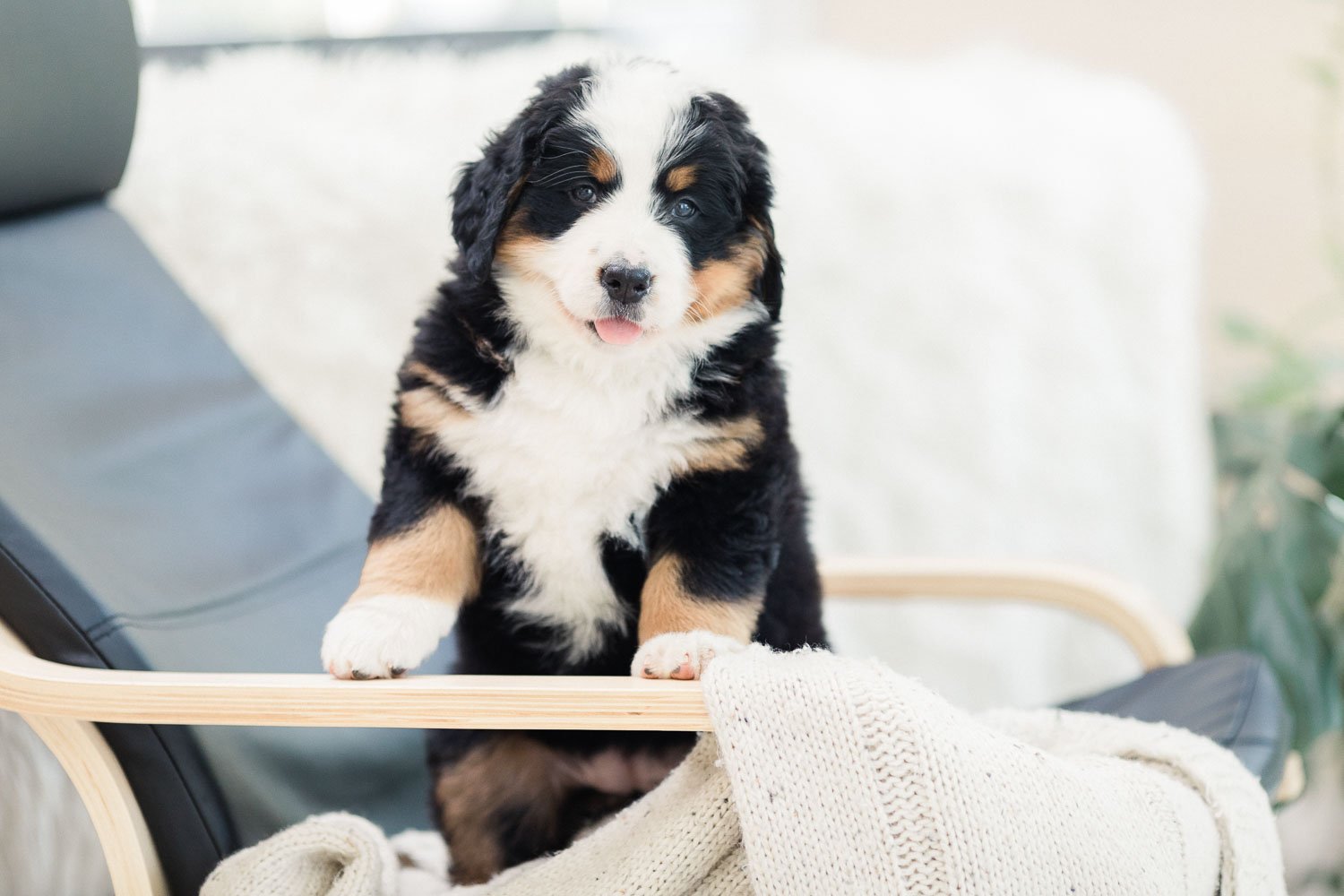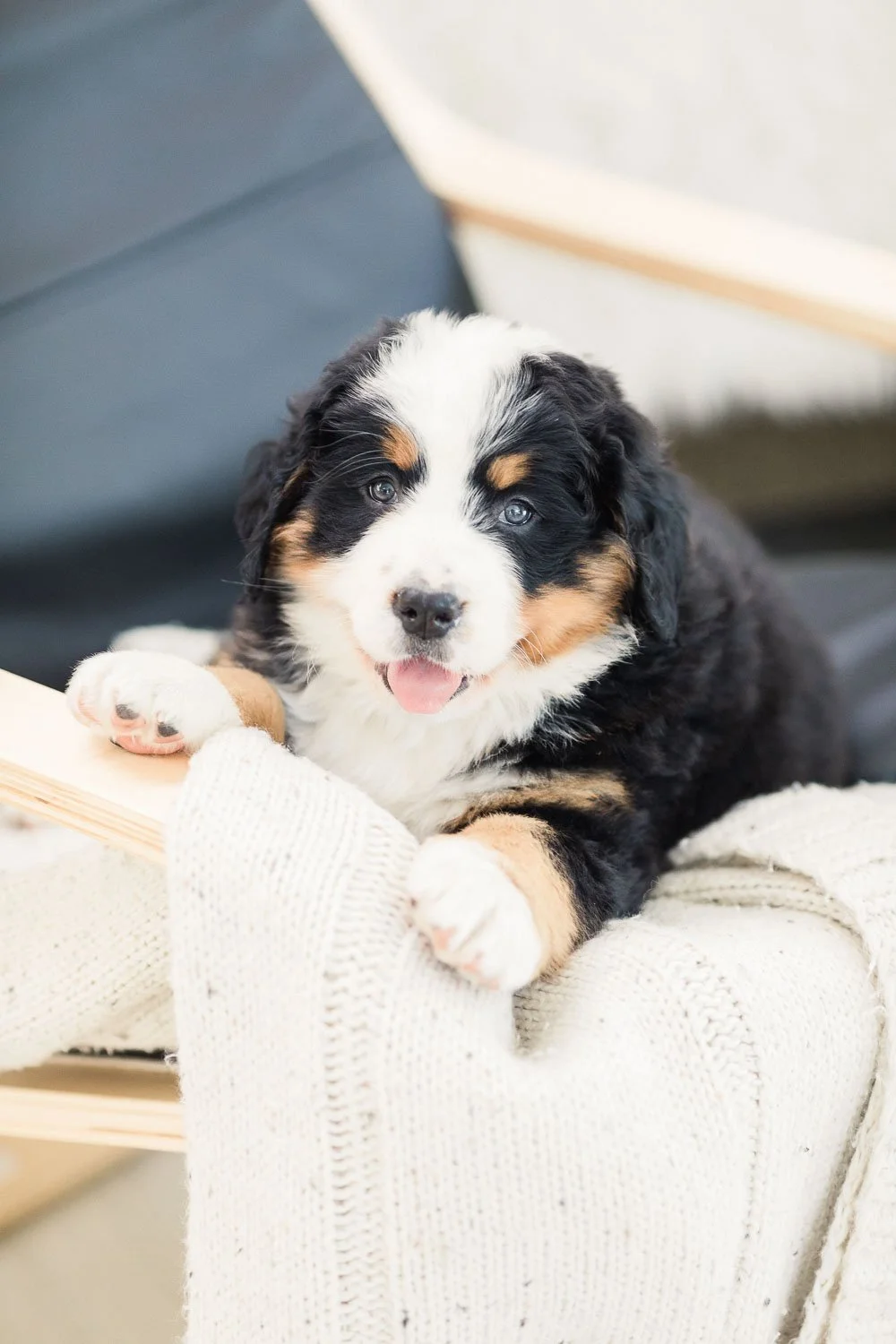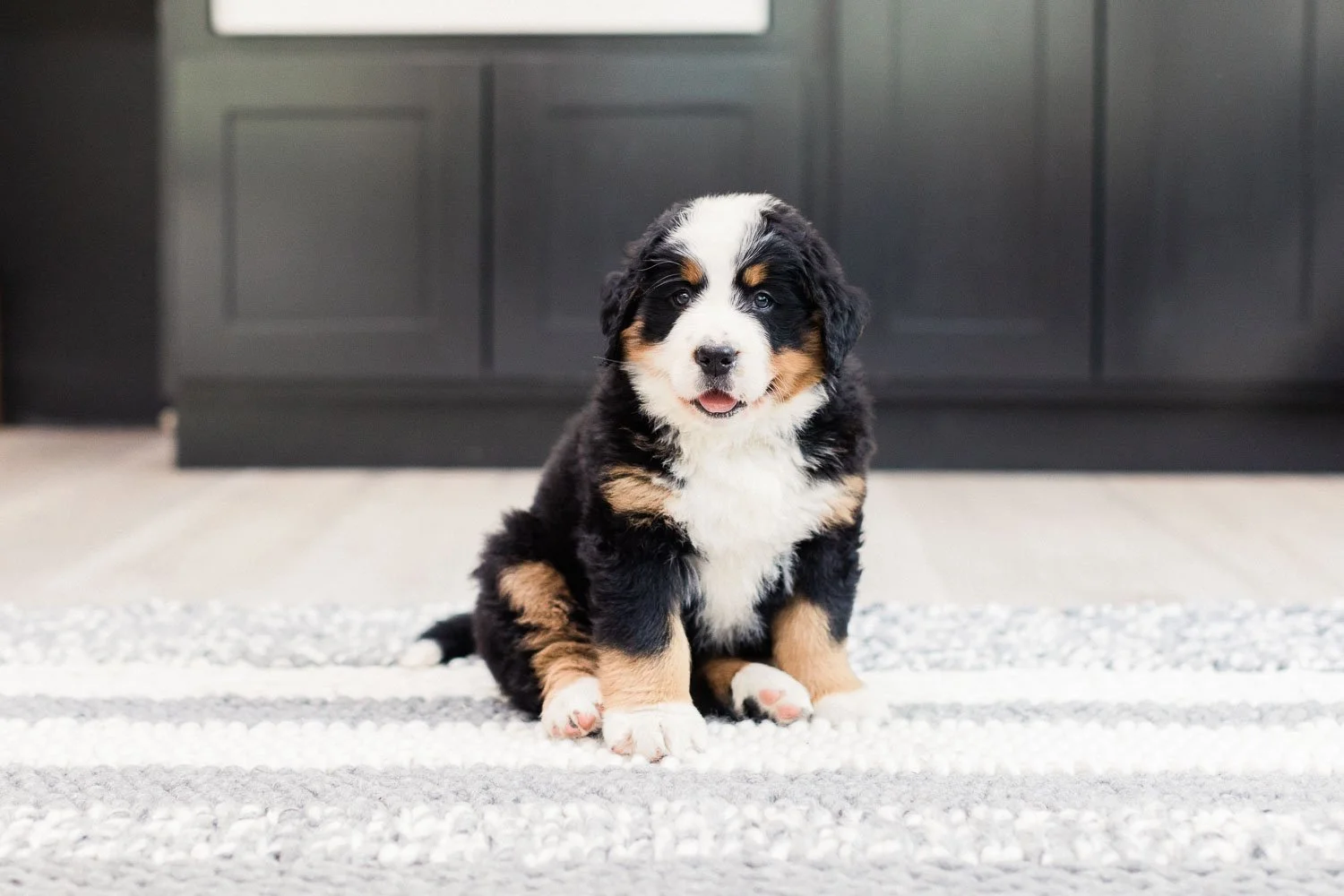
Mini Bernese Mountain Dog
“Mini-Berner” “Cavalier King Charles x Bernese” “bernalier”
“A BEAUTIFULLY MARKED, VERSATILE BREED WITH AN ATTRACTIVE PERSONALITY KIND NATURE, THIS DOG ENJOYS FAMILY LIFE ”
The Charm of Cavalier King Charles Spaniels: A Crossbreeding Tale with Bernese Mountain Dogs
The Cavalier King Charles Spaniel is a beloved breed that is known for its endearing qualities such as a loving demeanor, affectionate nature, and unmistakably regal appearance. However, like many purebred dogs, they may face certain health challenges due to their genetic makeup. In response to these challenges, a fascinating trend has emerged - crossbreeding Cavaliers with Bernese Mountain Dogs, to improve their health and create a more manageable size.
Cavalier King Charles Spaniel: A Beloved Companion
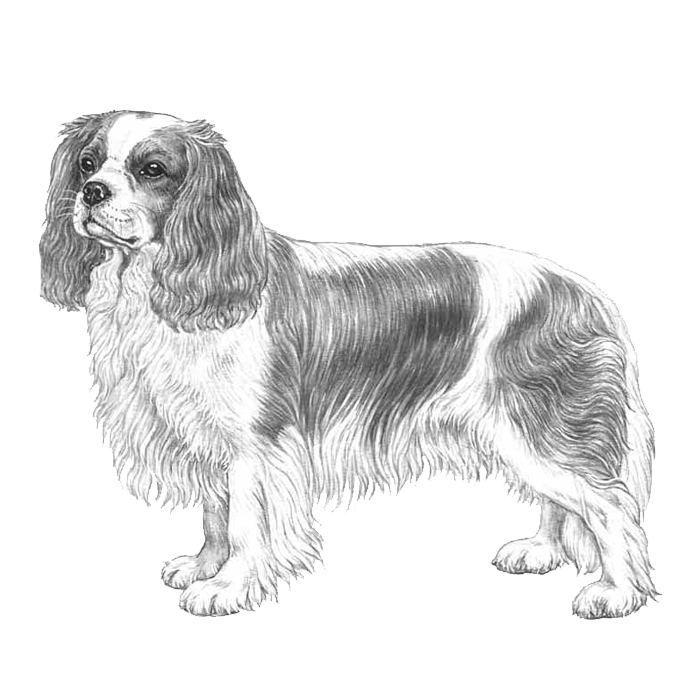
Cavaliers were originally bred to be companions for royalty. They have an elegant appearance and are affectionate animals. These gentle dogs are adaptable, making them perfect for families. However, they are prone to certain health issues like heart problems and neurological conditions, which has caused concern among breed enthusiasts.
Enter the Bernese Mountain Dog
Bernese Mountain Dogs are recognized for their robustness, sturdiness, and good health. Compared to some purebred lines, this breed is generally healthier and has fewer hereditary concerns. Despite being larger than the Cavaliers, they have a resilient genetic profile. However, Bernese Mountain Dogs do suffer from high COIs.
Crossbreeding to Enhance Health and Size
The merging of these two breeds brings about a fascinating combination—an attempt to maintain the endearing traits of the Cavalier while leveraging the robust health advantages of the Bernese Mountain Dog. One of the primary objectives behind this crossbreeding endeavor is to reduce the incidence of genetic health issues commonly found in Cavaliers while creating a smaller-sized dog that retains the Bernese's vitality.
Size Difference and Health Improvements Crossbreeding
By introducing genetic diversity through crossbreeding, breeders aim to mitigate the risks associated with certain inherited conditions. In theory, this practice could potentially lower the prevalence of diseases like mitral valve disease and syringomyelia, both prevalent in Cavaliers. Moreover, by downsizing the Bernese Mountain Dog's stature through selective breeding, the resultant mixed breed could strike a balance between health and size.
The Cavalier King Charles Spaniel and the Bernese Mountain Dog sit at opposite ends of the size spectrum when it comes to dogs. The former is a small, elegant, toy breed recognized for its expressive eyes and affectionate nature. The latter is a large, powerful working dog, known for its tri-color coat and gentle temperament. Cross-breeding these two creates an intermediate-sized animal that potentially carries fewer health issues compared to its larger parent.
Reducing the size of a large breed like the Bernese Mountain Dog by crossing it with a smaller dog can lead to significant health benefits. It is thought that the mix may have a decreased risk of hip dysplasia, a common problem in larger breeds, and other genetic disorders prevalent in purebred populations. The hybrid vigor principle—where crossbred individuals exhibit greater strength or vitality than their parents—is often cited as a chief advantage of such crosses.
The size of crossbreeds between Cavalier King Charles Spaniels and Bernese Mountain Dogs can vary but generally aims for a smaller stature compared to the Bernese Mountain Dog. These mixed-breed dogs may range in size, typically falling between the smaller Cavalier and the larger Bernese. On average, they might be medium-sized dogs, with weights potentially ranging anywhere from 20 to 50 pounds, depending on the specific breeding and individual variations.
Temperament, Adaptability & Temperament Changes
Crossbreeds tend to inherit a blend of characteristics from their parent breeds. In the case of Cavalier-Bernese crossbreeds, they often exhibit the affectionate and gentle nature of the Cavalier, along with the resilience and adaptability of the Bernese. This makes for a delightful pet with a loving disposition, as well as potentially improved health outcomes.
Owners and breeders have noticed that mixing these two breeds typically results in a friendly and well-adjusted dog. The crossbreed often retains the Cavaliers' friendly disposition and the Bernese's calm and composed nature, resulting in a balanced temperament that makes them excellent companions. They are suitable for both lively families and individuals seeking a loyal pet.
The crossbreed's temperament is often a combination of the Cavalier's willingness to please and easy trainability, along with the Bernese's renowned gentleness. This makes for an adaptable and manageable dog. However, it's important to note that individual temperaments can vary, and genetics do play a role.
Challenges and Controversies
As with any crossbreeding effort, there are challenges and controversies. Some traditionalists argue in favor of preserving the purity of breeds, expressing concerns about potential variations in temperament and appearance. Additionally, ensuring responsible breeding practices, health screenings, and ethical treatment of the animals involved are crucial considerations in these endeavors.
The Future of Crossbreeding
The deliberate crossbreeding of dogs is a controversial topic among canine enthusiasts. However, there is a desire to improve the health and vitality of certain breeds, such as the Cavalier King Charles Spaniel. Stokeshire promotes responsible crossbreeding by utilizing the power of hybrid vigor. They emphasize the importance of using registered or proven lines alongside rigorous health testing. They recognize that genetic diversity can result in healthier and more resilient dogs. Stokeshire aims to mitigate the risk of inherited health issues that are common in purebred lines. They maintain ethical practices to preserve breed characteristics while promoting canine well-being. Each crossbreeding endeavor is meticulously planned to balance vitality and adherence to recognized standards.
Popularity and Demand
The popularity of the Cavalier-Bernese cross can be attributed to several factors. They often have a ‘designer dog’ appeal due to their unique appearance and the novelty of owning a less common breed. The moderate size of the cross-breed also makes them a versatile companion for both urban and rural living environments.
Additionally, people are increasingly searching for breeds that exhibit fewer health complications, which is believed to be true for this cross-breed. Their adaptable behavior attracts families and individuals alike, driving up their demand in the pet market.
Conclusion
Crossbreeding Cavalier King Charles Spaniels and Bernese Mountain Dogs is an effort to combine the best traits of both breeds, aiming for a smaller size, improved health, lower energy levels, and prey drive. It's crucial to ensure ethical and successful outcomes by conducting ongoing research and practicing careful breeding methods. This crossbreed has the potential to create healthier and more resilient canine companions in the future. The combination of these two loving breeds has become an emerging trend that highlights the importance of health, temperament, and care in dog breeding. These adorable and manageable companions have captured the hearts of many, with their charming features and promising vigor. By carefully selecting and breeding these two breeds, we can create a healthier and happier four-legged friend, reflecting the evolving philosophy of responsible and innovative breeding practices.
Whether you're currently a dog owner or thinking about adopting a furry friend, stay informed about the benefits and responsibilities associated with different breeds and crossbreeds. A dog's well-being should always be a top priority, and the joy they bring into your life is immeasurable.
Disclaimer:
Prospective buyers seeking a "miniature Bernese" or similar crossbreed should be aware that breeders must transparently disclose the presence of Cavalier King Charles Spaniel in their lineage. The inclusion of King Charles's genetics in these crosses can significantly impact the appearance, temperament, and potential health considerations of the resulting mixed-breed puppies.
Breeders need to provide full and accurate information regarding the ancestry of these dogs, including any influence from Cavalier King Charles Spaniels. This transparency allows potential owners to make informed decisions regarding their choice of pet, considering the blend of traits and possible health implications associated with crossbreeding.
Potential buyers are encouraged to inquire explicitly about the breeding background and lineage of the "mini Bernese" or similar crossbred dogs they intend to purchase. Ensuring open communication with reputable breeders who prioritize transparency regarding the mix's genetic makeup is crucial in making an informed and responsible decision when selecting a furry companion.