
Therapy-Informed Dog Training at Stokeshire
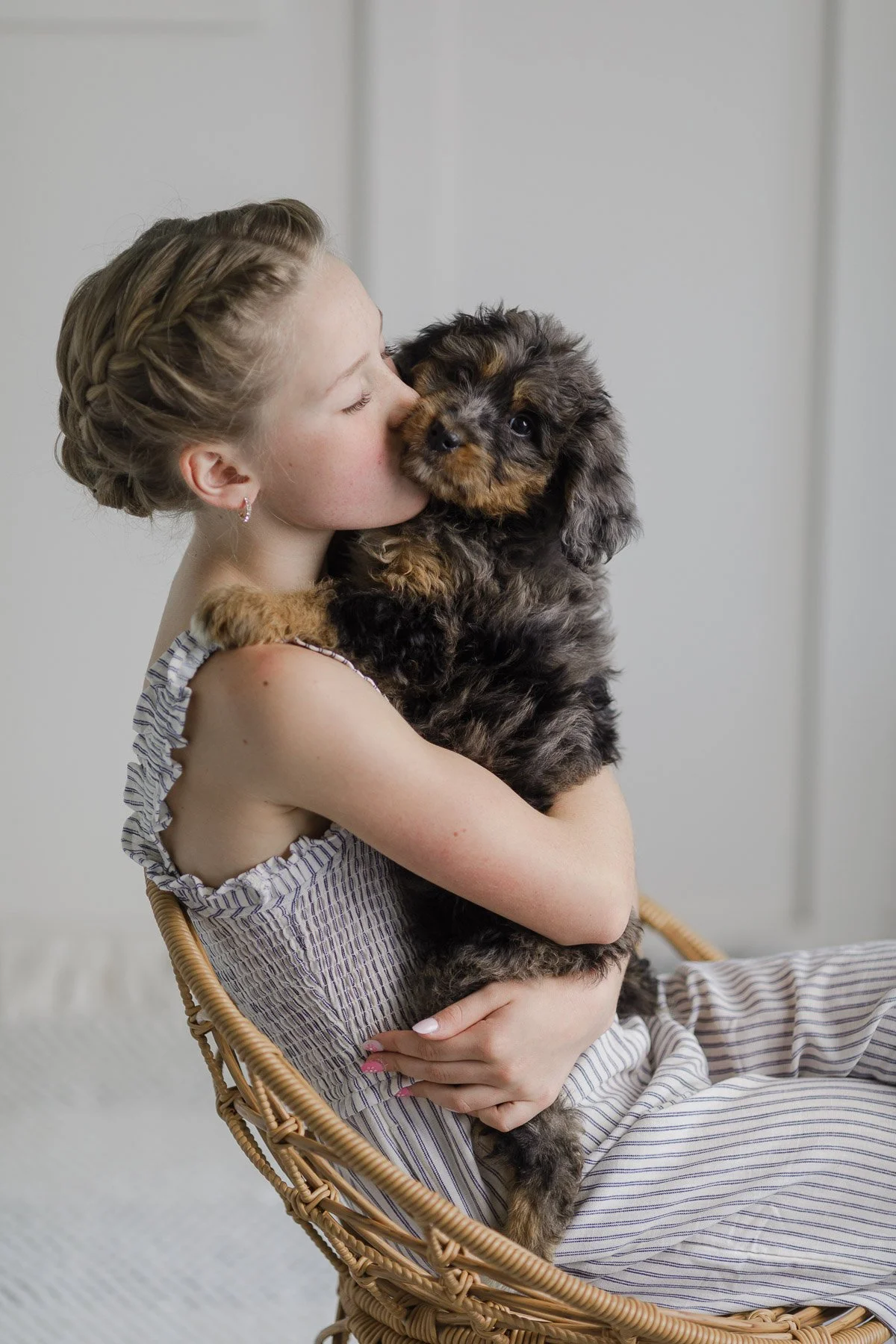
A well-behaved dog is a joy, but a truly understood companion can transform a family. At Stokeshire, we believe the deepest connections are built on more than just commands; they are nurtured through empathy, patience, and a genuine understanding of your dog’s inner world. This is the heart of therapy-informed dog training—a philosophy that moves beyond simple obedience to foster a secure, trusting, and joyful relationship between you and your four-legged family member. Leading trainers agree that effective dog training rests on communication, understanding, empathy, and patience rather than domination. In other words, training is not a series of corrections, but a collaborative journey grounded in compassion. It considers your dog’s unique emotional needs, history, and personality, creating a foundation for resilience and confidence. Modern behavioral science supports this approach: dogs trained with positive, trust-based methods tend to be more confident and less fearful, whereas punishment-based methods can lead to anxiety and distrust. By prioritizing safety and understanding, we build a bond that feels as comforting as a quiet evening at home—a shared understanding that enriches every moment, from playful afternoons in the yard to peaceful snuggles on the sofa.
Imagine a partnership where your dog feels safe, heard, and supported. Therapy-informed training views your dog’s behavior not as willful disobedience, but as communication. A jumpy greeting, a nervous bark, or a timid retreat is a signal of an unmet need or underlying feeling. Our first step is learning to listen with your heart and observe with gentle curiosity. This means tuning into your dog’s body language and stress signals. Dogs communicate primarily through body language, and when you learn how to read their postures and expressions, you gain insight into their emotions and needs. For instance, if your dog is frightened by something as “silly” as a garbage can on a walk, forcing or scolding them only breaks trust. By responding with empathy and validation, you show your dog that you care and can be trusted, which strengthens your bond. Research on trauma-informed care in animals echoes this: responding to anxious or reactive dogs with patience and understanding (instead of punishment) leads to better outcomes and a less fearful, more resilient pet. In short, we replace frustration with understanding. When your dog realizes that you see and support what they’re feeling, they learn to look to you for guidance out of trust – not fear.
The Foundation: It All Starts with the Parent
Just as a gardener prepares the soil before planting a seed, the journey of therapy-informed training begins with you, the dog parent. You are the architect of your dog’s environment and the most important person in their world. Your involvement is not just a part of the process; it is the very foundation upon which a trusting, resilient bond is built. In this initial stage, we focus on empowering you with the knowledge, mindset, and consistency needed to become a compassionate leader for your dog.
Our philosophy is rooted in empathy and understanding. We help you reframe your dog’s behavior as meaningful communication. If a puppy mouths your hand or a newly adopted dog cowers at sudden movements, these are not “bad” behaviors to punish, but information to guide our response. For example, a herding breed barking at every noise isn’t being “stubborn” – he may be reacting instinctively to control what he perceives as chaos. Punishing such behavior would mean punishing the dog for being who he is; instead, understanding his instincts allows us to meet his needs in appropriate ways. By recognizing your dog’s perspective, you can adjust the environment or your approach to help them feel secure. We will show you how to set your dog up for success: establishing predictable daily routines, creating safe, cozy spaces for rest, and using positive reinforcement to encourage good choices. Dogs are deeply emotional beings and are remarkably attuned to our moods and tone. They thrive when they sense calm, confidence, and kindness in their human. Thus, a key part of our foundation is coaching you – the pet parent – in stress management and consistency. When you remain patient and clear, your dog gains confidence that you will gently lead them through anything unfamiliar or scary. This consistency and emotional stability from you helps reduce your dog’s anxiety and builds their confidence, letting them know they are safe and loved at home.
Perhaps most importantly, we emphasize that trust is a two-way street. You learn to trust your dog’s instincts and signals, and your dog learns that you will listen and respond to their needs. By focusing on building trust first, you create a relationship where your dog willingly looks to you for guidance – not out of fear, but out of a deep and abiding sense of partnership. This foundational commitment from you is the most powerful tool in shaping a happy, well-adjusted companion for life. In fact, studies show that when owners focus on empathetic communication and patience, it becomes much easier to teach dogs the skills they need to navigate the world. Simply put, a bond built on trust and understanding is the bedrock upon which all other training is built.
A Curriculum Built on Empathy and Confidence
With a strong foundation in place, we extend our training through a carefully designed curriculum that develops confidence, social skills, and emotional resilience. The Stokeshire Method’s curriculum is purpose-built to raise puppies and train dogs that are not just obedient, but well-adjusted and emotionally secure – ready to thrive as family members or even therapy/support dogs. This curriculum is our roadmap for your dog’s developmental journey, from early puppyhood through advanced skills. Every step is infused with patience, play, and positivity, ensuring your dog learns in a way that bolsters their trust and curiosity.
Early socialization and gentle exposure are cornerstones of our program. Research has shown that puppies who experience safe, positive exposure to a variety of stimuli early in life tend to mature faster, explore more, handle stress better, and even perform better in problem-solving tasks. At Stokeshire, we embrace this science. Starting from the neonatal stage, our puppies are introduced to mild sensory stimulation exercises. In the first weeks of life (under careful breeder guidance), puppies experience Early Neurological Stimulation (ENS) – gentle tactile exercises – and Early Scent Introduction (ESI), which can enhance their stress tolerance and curiosity later on. As their senses open up, we gradually present new textures, sounds, and sights in a controlled, positive way each week. One week they may feel different surfaces under their paws or hear soft household noises; the next, they encounter friendly faces beyond their immediate caregivers, experience supervised play with novel toys, or take short car rides. Every new experience is tailored to be just challenging enough to build courage, but gentle enough to avoid overwhelming them. By the time our puppies are a few months old, they’ve already practiced bouncing back from surprises (startle recovery), explored various environments, and learned that new things can be fun and rewarding. This thoughtful early curriculum gives them a toolbox of coping skills and adaptability that will serve them for life.
Positive reinforcement is the guiding method in all our training exercises. Modern canine behavioral science overwhelmingly supports reward-based training as both effective and humane. When dogs are rewarded for desirable behaviors – with treats, praise, or play – they become eager learners and active participants in the process. We make training a game and a bonding activity. For example, instead of using force to teach a puppy to sit or stay, we use lures and praise, turning it into a fun exercise that the puppy wants to repeat. This approach not only teaches the command but also nurtures the puppy’s confidence and enthusiasm for learning. In contrast, old-fashioned punitive techniques can create fear or confusion, inhibiting a dog’s ability to think and respond calmly. At Stokeshire, we never want a dog to obey out of fear of correction; we want them to cooperate out of trust and joy. Every training session – whether it’s basic manners like walking politely on leash, or more advanced tasks like focusing amid distractions – is approached with patience and empathy. If a dog struggles with a task, we don’t label them stubborn or punish them; we adjust our technique or break the skill into smaller steps, ensuring the dog can succeed and be praised. This positive, supportive style builds a “can-do” attitude in the dog. They learn that training is a safe space where making an effort is always rewarded, and mistakes are simply part of learning, not something to fear.
Our curriculum also prioritizes problem-solving and social skills. A therapy-informed approach means we want dogs to think and make good choices, not just follow rote commands. Through interactive play and guided socialization, we present puppies with mild challenges that encourage them to figure things out. For instance, we might use food puzzles and obstacle courses appropriate for their age to let them healthily work through frustration healthily, discovering that persistence leads to reward. This kind of training develops resilience – the dog learns not to give up when encountering something new or slightly difficult. It also teaches them to be calm and thoughtful in the face of novelty. Alongside this, we ensure they meet a variety of people (children, adults, guests with differing appearances) and other friendly dogs during their critical socialization window. These encounters are structured to be positive and gentle, building the pup’s social confidence. By the end of our core curriculum, a Stokeshire puppy has practiced calm greetings, knows how to seek attention politely (for example, sitting instead of jumping – a behavior called “manding” that we instill around 5–6 weeks of age), and has started on leash introduction without fear. They are familiar with everyday experiences like car rides and household noises, and they have begun to develop an intuitive, gentle demeanor. Crucially, they have learned how to learn – they’ve built the attention span and trust to keep engaging with their human teacher, which makes future training (in obedience or specialized tasks) much smoother.
This empathy-driven curriculum sets Stokeshire apart from the rest. We are not rushing puppies through a one-size-fits-all obedience drill. Instead, we meet each puppy where they are developmentally and emotionally, guiding them step-by-step toward becoming confident, adaptable companions. Whether a puppy is destined to be a beloved family pet, a therapy dog visiting schools and hospitals, or an emotional support partner for someone in need, our training ensures they have the foundational temperament and skills to excel in that role. The focus on emotional resilience means our dogs can handle change and stress better – an essential trait for therapy and support dogs who may encounter all sorts of environments and people. By the time they “graduate” from our program, they are not only well-behaved in the traditional sense but also emotionally balanced and enriched. They’ve been taught to trust humans, to enjoy learning, and to remain calm and engaged even when life gets a little unpredictable. Those qualities make all the difference in a dog that will change lives rather than just follow commands.
Thoughtful Assessments for Tailored Training
Every dog is an individual, and a key aspect of the Stokeshire Method is recognizing and honoring each dog’s unique personality and potential. To that end, we incorporate thoughtful assessments throughout the training journey to tailor our approach and ensure the best outcomes for each puppy. This starts early: our team observes each puppy’s behaviors and temperament from the whelping box onward. Some pups may show bold curiosity, while others are naturally more cautious and observant. By understanding these traits, we can support each puppy’s growth appropriately – gently encouraging the shy pup to be braver, or channeling the exuberant pup’s energy into focused games.
One of the highlights of our program is the puppy aptitude evaluation around 7–8 weeks of age. At this stage, we conduct a series of gentle tests and exercises (in a format similar to the well-known Volhard Puppy Aptitude Test) to gain deeper insights into each puppy’s character. During this assessment, puppies are introduced to new stimuli and situations – for example, meeting a stranger, hearing a strange noise, or being placed in a new environment briefly – and we note their reactions. There are no “pass” or “fail” grades; rather, these tests illuminate things like how confident, resilient, human-focused, or independent a puppy might be. We look at how quickly they recover from a surprise (do they startle and bounce back readily, or do they remain wary?), how motivated they are by food or toys, and how they respond to affectionate handling. These nuances matter. A puppy that calmly explores a strange room and happily approaches an unfamiliar person might be well-suited for active therapy work in busy public settings. A puppy that sticks close to the tester seeking guidance and connection might excel as a one-on-one emotional support companion. By contrast, a pup who shows sensitivity to sudden sounds or shyness isn’t labeled “difficult” – instead, we note that they will benefit from extra gentle socialization and a quieter home environment to truly flourish.
Our assessments ensure that each dog’s training can be personalized. If a puppy shows tremendous retrieving drive and sociability, we might introduce early task training games to nurture a future service or facility therapy dog. If another puppy is very thoughtful and calm, we might emphasize interactions that build on that steadiness, envisioning a role comforting children or seniors. Even within the same litter, no two pups are identical, so we don’t use a cookie-cutter approach. These evaluation results also allow us to guide our clients (the puppy’s future family) in understanding their new dog. When it’s time for puppy placements, we use what we’ve learned to make the ideal match between family and puppy, taking into account the home’s activity level, any special roles the dog may take on, and the traits of the puppy. This intentional matching process is something we take great pride in – it’s part art and part science, requiring empathy and experience. For the families, it means peace of mind that their Stokeshire puppy isn’t just the cutest one, but the one meant for them.
It’s worth noting that science increasingly supports careful, positive assessments over hasty judgments of “good or bad” dogs. By viewing each puppy through a lens of potential and nurture rather than strict pass/fail criteria, we align with the therapy-informed ethos. Even if tests like these are not crystal balls for a dog’s future, they are valuable tools for understanding tendencies. Our priority is to use them to set every puppy up for success. If a test suggests a pup has some anxiety, we respond not by excluding the pup from opportunities, but by creating a training plan that builds their confidence gradually. If a puppy shows brilliance in problem-solving, we ensure their new family knows to keep that smart mind engaged. This kind of responsiveness keeps training humane and effective. In fact, approaching dogs with the assumption that they may have unique sensitivities or backgrounds – essentially a trauma-informed mindset – encourages trainers and owners to be more patient and flexible. By getting to know the “whole dog” through our assessments, we continue the therapy-informed practice of tailoring our care to the individual. It’s one more way Stokeshire goes beyond the conventional, treating each dog not as an assignment to be completed, but as a relationship to be cultivated.
Lifelong Support and a Community of Care
Training doesn’t end when a puppy “graduates” from our program or when you bring your new dog home. In fact, at Stokeshire, we view that moment as just the beginning of a lifelong journey, and we commit to walking that journey alongside you. A truly therapy-informed dog training approach extends through ongoing support – ensuring that you and your dog continue to thrive together with guidance, encouragement, and a sense of community. We often say that when you welcome a Stokeshire dog into your life, you’re joining the Stokeshire family. This is not a catchy tagline; it’s a reflection of how seriously we take our responsibility and our relationship with you.
From day one, we are here for you. We provide extensive client education and resources as you prepare to bring your puppy home. This includes orientation on our training principles, detailed “puppy parenting” guides, and even personalized prep materials for your household. For example, if your puppy has been started on hand signals or a certain feeding routine, we’ll teach you those methods so there’s consistency from our home to yours. We want the transition to be smooth for both puppy and family. In the first days and weeks at home, questions invariably arise – How do I handle potty training regressions? What’s the best way to manage nipping? My puppy seems afraid of the vacuum; what do I do? You will never have to face these alone. Our team is just a phone call, email, or message away to offer practical advice and moral support. Moreover, we frequently check in with our clients after placement – celebrating milestones, troubleshooting any concerns, and adjusting training strategies as needed. This kind of responsive support can make a huge difference in a dog’s success. It’s easy for new owners to feel overwhelmed or for small issues to grow if unaddressed, so we make it a point to be proactive and available. After all, a therapy-informed philosophy is about reducing stress and fostering well-being – and that applies to owners as much as dogs. When you know you have caring experts to turn to, you can approach training challenges with confidence rather than anxiety, which in turn keeps your dog feeling secure.
Beyond individual support, Stokeshire nurtures a community of like-minded dog parents. We host group classes, webinars, and reunions that allow families to continue learning and share experiences. New puppy owners can learn from the insights of those who went through the same stages a year ago. Families whose Stokeshire dogs are now working as therapy dogs in schools or serving as cherished companions to children with special needs often remain in touch, inspiring others with their stories. This network embodies the ethos that a dog is not “just a pet” – a dog is family, and by extension, our clients and dogs become part of the wider Stokeshire family. Having a supportive community can normalize the ups and downs of training and dog ownership. It reinforces that you’re never alone in this – there’s always someone who has had a puppy chew a shoe or a dog balk at climbing stairs, and who can offer tips and empathy. For us, seeing our clients connect with each other is incredibly rewarding. It means the spirit of care and connection we foster is spreading outward.
Importantly, our commitment to you and your dog doesn’t expire after a set time. We truly offer lifelong guidance. As your dog matures, new questions or needs might emerge – perhaps guidance on advanced training, or advice on helping your adult dog adjust when a baby joins the family, or how to keep a senior dog comfortable. We continue to be your partners and a knowledgeable resource through all these life stages. Our trainers stay updated on the latest in canine science and techniques, so we can pass that knowledge on to you. In essence, when you train with Stokeshire, you gain a lifelong coach and cheerleader in your corner. This level of support is something that sets us apart from the rest. Many training programs conclude with the end of classes, but we see training as an evolving process over a dog’s lifetime, and we stand by you for that continuum.
Finally, being therapy-informed also means recognizing the power of the human-animal bond itself as a source of support. The journey you take with your dog – from the uncertain puppy days through the achievements of training and the inevitable challenges – is profound. We encourage our clients to cherish that journey and to lean into the relationship with their dog as a mutual source of comfort and strength. The Stokeshire Method is as much about nurturing the person-dog relationship as it is about teaching a dog to sit or stay. When you feel the unconditional love and loyalty of your dog, and when your dog feels your steady empathy and care, that bond becomes a buffer against life’s stresses for both of you. It is not uncommon for our clients to share how much their dog has helped them – easing their anxiety, bringing joy to difficult days – and this is the beautiful reciprocity of a therapy-informed approach. Your dog’s well-being and your well-being are intertwined. By supporting you both, we strive to ensure that the connection only grows stronger with time.
Building a Better World, One Dog at a Time
As we practice and refine our therapy-informed training approach, we are continually inspired by the ripple effects it creates. A dog that feels safe, loved, and understood becomes an anchor of positivity in their family and community. We’ve seen our Stokeshire pups go on to do amazing things – from comforting children in school counseling sessions to bringing laughter to seniors in nursing homes, or simply being the steadfast friend that gets someone through a hard time. Therapy dogs and well-trained companion dogs have a documented impact: even brief interactions with a friendly dog can significantly lower a person’s anxiety and stress levels, and regular contact can reduce feelings of loneliness and depression, whether it’s a child reading to a dog in a classroom or a veteran coping with PTSD with the help of their canine partner. When we invest in training that cultivates a dog’s gentle nature and confidence, we’re also investing in the mental health and happiness of the people whose lives that dog will touch. Studies have shown that therapy dogs provide a comforting, nonjudgmental presence that aids in emotion regulation during stressful moments. They literally help people heal – by lowering stress hormones and lifting mood through the simple acts of snuggles, tail wags, and attentive gazes. Knowing this fuels our passion to raise dogs that are ready to be sources of support and joy.
In the Midwest (and far beyond, as our families span the country), the values of community and connection run deep. We feel those values are embodied in the dogs we train. Whether a Stokeshire dog is visiting a school as a therapy dog and helping anxious students feel calmer, or making bedside rounds in a hospital, bringing moments of normalcy and warmth to patients, or just curling up with their own family on a couch after sensing someone had a bad day, the impact is real and profound. It’s not magic; it’s the outcome of intentional breeding for great temperaments, dedicated early training, and owners who continue to reinforce that nurturing environment at home. We are proud that our Stokeshire Method produces dogs who can adapt to many roles: service and support dogs who perform tasks for those with disabilities, emotional support animals who provide comfort to individuals, facility therapy dogs working with counselors or in emergency services to ease trauma, and, of course, wonderful family pets who simply make every day better for their people. From energetic children to fragile seniors, from hectic schools to clinical therapy rooms, our dogs learn to tune into the needs of those around them, just as we tuned into the dogs’ needs from the start. The circle of care is completed in these moments – the empathy we give to the dogs is paid forward by the dogs to others in need.
In closing, therapy-informed dog training is about more than training a dog – it’s about building a relationship and a legacy of compassion. At Stokeshire, we see each puppy as a promise. With the Stokeshire Method, that promise is lovingly fulfilled: the puppy grows into a confident, kind-hearted dog who can make the world a little brighter, whether by comforting a stranger or by being the heartbeat of their home. The journey begins with listening to a dog’s heart and ends with that heart touching countless others. We invite you to join us in this journey. By choosing a therapy-informed approach, you’re not just teaching your dog to behave – you’re empowering your dog to be a force of good, a source of comfort, and a true family member. This is what sets Stokeshire apart and what unites us with all who believe that the best way to train a dog is with love, understanding, and an open heart. Together, let’s continue to foster secure, loving bonds – one dog and one family at a time – and witness the transformative power that lies in a well-trained, well-loved dog.