
Dog Breeder vs Puppy Mill: How to Spot the Difference
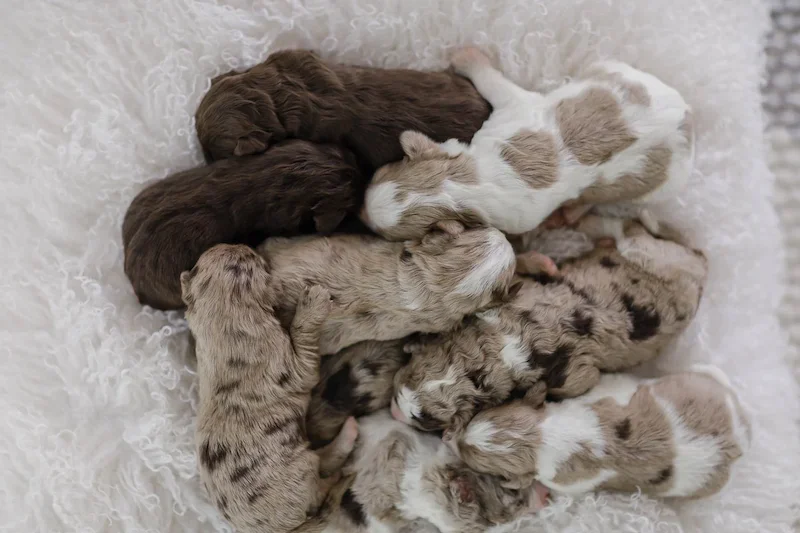
In the search for a furry new family member, the path can sometimes feel overwhelming. You're looking for that perfect, wagging-tailed companion to bring into your home for snowy evenings and sunny Sunday barbecues. But the internet is filled with options, and it’s not always easy to tell who is genuinely dedicated to the well-being of dogs and who is not.
The terms "dog breeder" and "puppy mill" are often used, but they represent two vastly different worlds. One is built on passion, science, and a lifetime commitment to the specific dog breed they cherish. The other is driven by profit, volume, and a heartbreaking lack of care for the animals. Understanding the difference is the most important first step you can take to ensure you support ethical practices. So, let’s sit down together and talk through how you can quickly spot the critical signs that separate a responsible breeder from a puppy mill.
What Is a Puppy Mill?
A puppy mill, or dog mill, is a large-scale commercial dog breeding facility where the primary goal is profit, not the health and welfare of the dogs. In these operations, animals are often treated as livestock, confined to small, unsanitary kennel spaces. They are kept in overcrowded, unsanitary conditions, receive inadequate veterinary care, and lack proper socialization or human affection, leading to a higher risk of behavior issues.
The heartbreaking reality of a puppy mill vs breeder comparison is that mills prioritize quantity over quality. The parents are bred repeatedly with little to no recovery time, and puppies are sold to unsuspecting families, often with a host of hidden health and behavioral problems that will require extensive veterinary medicine and potentially costly pet insurance down the line.
What is a Dog Breeder?
A reputable breeder, on the other hand, is dedicated to the betterment of a specific dog breed (or a crossbreed like Doodles). For us at Stokeshire, breeding is a heartfelt passion, grounded in academic rigor and a deep love for animals. It's about creating healthy, well-tempered companions that will thrive in a family environment, always striving to meet or exceed the breed standard for health and temperament.
Reputable breeders invest heavily in their dogs' health, happiness, and genetic soundness. They nurture their dogs in a clean, loving environment—often in their own homes—and view each puppy as a lifelong commitment. They work closely with their veterinarian to ensure optimal health for both parents and puppies. The difference isn't just in the details; it's in the entire philosophy of care and ethics.
Red Flags: How to Recognize a Puppy Mill
When you're trying to determine, "Is this a puppy mill?" there are several red flags to watch for. These warning signs can help you protect yourself and avoid supporting an unethical operation.
Red Flag 1: The Breeder Won't Let You Visit
This is one of the biggest red flags for a dog breeder. A reputable breeder will take pride in their home and the environment where their puppies are raised. They will welcome you to visit (by appointment) to meet the mother dog and see where the puppies spend their first crucial weeks, ensuring a transparent and humane environment.
Puppy mills, however, will make excuses.
"We don't want to expose the puppies to germs."
"Our insurance doesn't allow visitors."
"It's easier if we just meet you somewhere."
While biosecurity is a valid concern for very young puppies, a breeder should have a protocol that allows for safe visits. If they insist on meeting you in a parking lot or shipping the puppy without any prior visit, you should be very cautious, as this often indicates a desire to hide the true conditions of their kennel or the health of the parents, potentially fostering fear in the young animals.
Red Flag 2: They Have Many Breeds Available
A hallmark of a reputable breeder is a focused, dedicated program. They typically specialize in one or two dog breeds, allowing them to become experts in their specific health, temperament, and needs, often aligning with the standards of the American Kennel Club (AKC). They understand the nuances of their chosen breed standard.
Puppy mills operate like a retail store, offering a wide variety of "products." If you visit a website and see a long list of different breeds available at all times, it’s a strong indicator that they are a high-volume operation. True expertise requires focus, and ethical breeders know that quality is more important than variety, especially when considering the health and genetic integrity of each dog breed.
Red Flag 3: The Price Seems Too Good to Be True
Everyone loves a bargain, but when it comes to a living creature, a "cheap" price often comes at a devastating cost. Reputable breeding is expensive. It involves extensive health testing, high-quality dog food, regular veterinary care, and countless hours of socialization and dog training.
Puppy mills cut these corners to maximize profit. They skip genetic testing, feed low-quality food, and avoid regular veterinarian check-ups, increasing the risk of disease. That low initial price tag can quickly balloon into thousands of dollars in vet bills and heartache down the road. If a price seems significantly lower than what reputable breeders are charging, it's a major red flag, as it often means corners were cut on essential care, making pet insurance a critical consideration.
Red Flag 4: They Don't Ask You Any Questions
A reputable breeder cares deeply about where their puppies are going. They see each puppy as a part of their extended family and want to ensure it goes to a wonderful, permanent home. They will ask you about your lifestyle, your home, your family, and your experience with dogs. It might feel like an interview, and that's a good thing! This commitment to responsible pet adoption reflects their strong ethics.
A puppy mill operator, however, is focused on the transaction. They won't ask you many questions because their primary concern is getting paid. If the breeder's screening process is little more than asking for your credit card number, consider it a serious warning about their lack of concern for the puppy's future or the well-being of the animals.
Red Flag 5: No Health Testing or Vague Guarantees
When you ask a reputable breeder about health testing, they should be able to provide clear, documented proof of genetic screenings and orthopedic evaluations (like OFA for hips and elbow dysplasia) for the parent dogs. Many will participate in programs like the AKC Canine Health Information Center (CHIC).
How to Report a Puppy Mill
Take note of the location, the condition of the animals, and any other pertinent details, such as the number of dogs present and the type of breeds being housed. If possible, capturing photos or videos can aid in documenting the situation.
Report your findings to local authorities, such as animal control or the police, who can conduct a thorough investigation. Additionally, you may wish to contact animal welfare organizations or rescue groups that specialize in addressing puppy mills. Many larger national organizations, like the Humane Society of the United States or the ASPCA, also have protocols in place for reporting suspected puppy mills. When reporting, be prepared to provide your documented evidence and explain your concerns clearly.
Raise awareness about puppy mills by informing your community and encouraging others to be vigilant can help in the fight against these inhumane practices. Remember, speaking up for these animals can lead to much-needed change and ensure they receive the care and love they deserve.
Green Flags: Signs of an Ethical Breeder
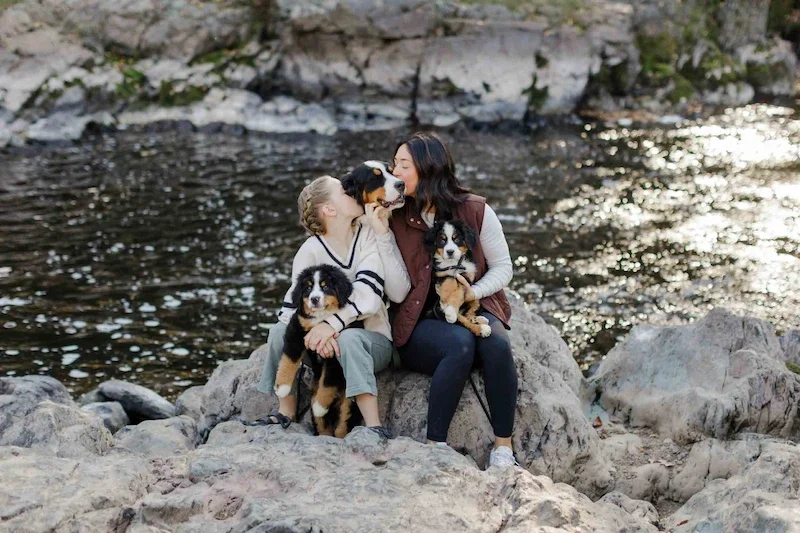
Now that you know the red flags, let's focus on the positive signs that tell you you've found a wonderful, ethical breeder.
Transparency: They openly share information about their program, their dogs, and their health testing results.
Passion and Expertise: They speak with love and knowledge about their breed. You can feel their dedication.
Lifetime Support: They offer a contract with a solid health guarantee and make it clear they are a resource for you for the dog's entire life.
Clean and Nurturing Environment: Their home is clean, and the puppies are raised in a central part of the house, not a separate kennel or barn.
Happy, Healthy Parent Dogs: The mother dog is a well-loved member of the family, not just a breeding animal. She is confident, friendly, and well-cared-for.
Choosing a breeder is one of the most important decisions you'll make for your future dog. By taking just a few minutes to look for these red and green flags, you can ensure your choice supports ethical practices and brings a healthy, happy, and well-adjusted companion into your life.
Conclusion
Understanding the stark differences between a responsible dog breeder and a puppy mill is important for ensuring the health and happiness of your future pet. If you can recognize the key green flags of ethical breeding practices, you can make informed decisions that prioritize animal welfare. Together, we can promote a future where every dog is raised with love and care.
Frequently Asked Questions
What are the long-term health risks associated with puppies from puppy mills?
Common problems include genetic disorders, behavioral issues, and chronic health conditions such as hip dysplasia, heart disease, and respiratory problems.
How can I ensure that I am buying from a reputable breeder?
Start by researching and asking for recommendations from trusted sources.
Visit the breeder's facility to observe the living conditions and meet the puppies' parents. A responsible breeder will be transparent about their breeding practices, provide health testing documentation, and ask you questions about your lifestyle and experience with dogs.
Look for breeders who are involved in breed clubs or organizations that promote ethical breeding standards, such as the American Kennel Club (AKC).
Are there specific breeds that are more commonly found in puppy mills?
Yes, breeds like Bulldogs, Dachshunds, and various toy breeds are often targeted for mass production.
What are the signs of a responsible dog breeder?
Green flags of a responsible dog breeder include a commitment to the health and welfare of their dogs, a clean and safe breeding environment, and a willingness to provide health testing documentation for the parent dogs.
How can I prepare my home for a new puppy?
Preparing your home for a new puppy involves creating a safe and welcoming environment. Start by puppy-proofing your space: remove hazardous items, secure electrical cords, and ensure that toxic plants or substances are out of reach.
What is the importance of socialization for puppies?
Socialization helps puppies develop into well-adjusted adult dogs. Early exposure to various environments, people, and other animals can prevent behavioral issues such as fearfulness and aggression.
About the Author and Breeder: James Stokes of Wisconsin Designer Doodles
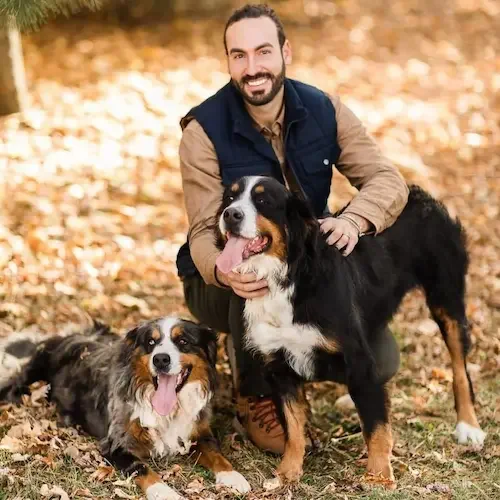
James Stokes is a trusted breeder of Doodles, a popular hybrid dog breed, and a responsible steward of the dog breed. For over ten years, James has dedicated himself to raising healthy Bernedoodle puppies, a cross often involving the Bernese Mountain Dog and Poodle, that families can cherish, prioritizing their welfare.
He works alongside his wife and children every day, ensuring each puppy from their litters receives loving care. Together, they have found wonderful homes for their Doodles across the U.S., Canada, and Mexico.
Health-tested puppies raised from proven, well-established lines and supported by a three-year genetic health guarantee, with breed-appropriate health testing conducted in line with current veterinary and genetic best practices.
Hand-raised in a family home, never kept in kennels or a whelping box for too long, ensuring optimal welfare and a healthy birth environment.
Socialized early with ENS, sounds, and plenty of family time. This helps develop positive behavior and a balanced temperament and energy levels, ensuring they feel safe and relaxed, and are ready for their first vaccine.
Lovingly matched to each family. Every Doodle puppy from our litters is chosen based on specific criteria to fit well with their family’s way of life and needs.
Part of an ethical, small-scale breeding program, driven by heart, focusing on the overall health and nutrition of each animal.
At Stokeshire, doodles are never “just pets,” but cherished family members. They are thoughtfully raised companions—designed to become steady, intuitive members of the family for life. Every decision we make is guided by the Stokeshire Method: pairing genetics, temperament, and early-life environment to raise dogs with excellent behavior who integrate naturally into real family rhythms, upholding the breed standard of our program.
Our doodles are known for their balanced energy, emotional intelligence, and predictable temperaments, embodying the best of their dog breed characteristics. They thrive in a wide range of households—from active families to therapy-focused homes—and are often an excellent option for those seeking allergy-friendly companions. Like our Goldendoodles and Bernedoodles, which are popular hybrid breeds, each puppy is raised with the intention of becoming deeply bonded, well-mannered, and trusted at every stage of life.