
The Hidden Costs of an "Affordable" Puppy
When families begin the heartwarming journey of finding a puppy, it’s natural to feel that keeping the upfront price low is the most responsible choice. It seems practical, sensible, and wise. But after years of witnessing outcomes—not just transactions—we’ve learned a difficult but important truth.
The puppies that cost the least at the start often cost families the most over time. This isn’t just about money. It’s about the emotional toll, the strain on family rhythms, and the quiet heartache that follows. This isn’t a judgment; it’s an observation born from patterns we’ve seen repeat themselves—a story we feel is our duty to share.
A Momentary Price vs. a Decade of Companionship
A puppy purchase is over in minutes, but a dog becomes part of a family’s story for a decade or more. When cost is measured only at the moment of sale, it ignores the reality of the years that follow.
The real expense of a dog isn’t found on the initial invoice—it’s written in the trajectory of its life with you.
That trajectory includes a lifetime of healthcare, training needs that can grow and compound, and the emotional weight carried by parents and children alike. It’s the Sunday morning vet visit instead of family brunch, the stress that seeps into daily routines, and the moments your children will forever associate with their first dog.
How "Affordable" Quietly Becomes Expensive
While no two dogs are identical, certain risk factors appear more often in puppies bred with minimal upstream investment. It’s a bit like building a house with a shaky foundation—problems may not appear right away, but they always surface eventually.
Over time, families may find themselves navigating:
Recurring Veterinary Bills: Frequent visits for preventable genetic conditions or chronic issues like digestive and skin problems.
Orthopedic Limitations: Joint issues that can restrict your dog's activity and quality of life, turning hikes into heartache.
Behavioral Challenges: Reactivity, anxiety, or impulse control issues that make daily life feel unpredictable and stressful.
Training Plateaus: Frustration that mounts when training efforts fail to overcome underlying temperament or genetic predispositions.
Individually, these issues can seem manageable. But together, they reshape the rhythm of a home, turning the joy of dog ownership into a constant source of worry.
The Emotional Cost No One Budgets For
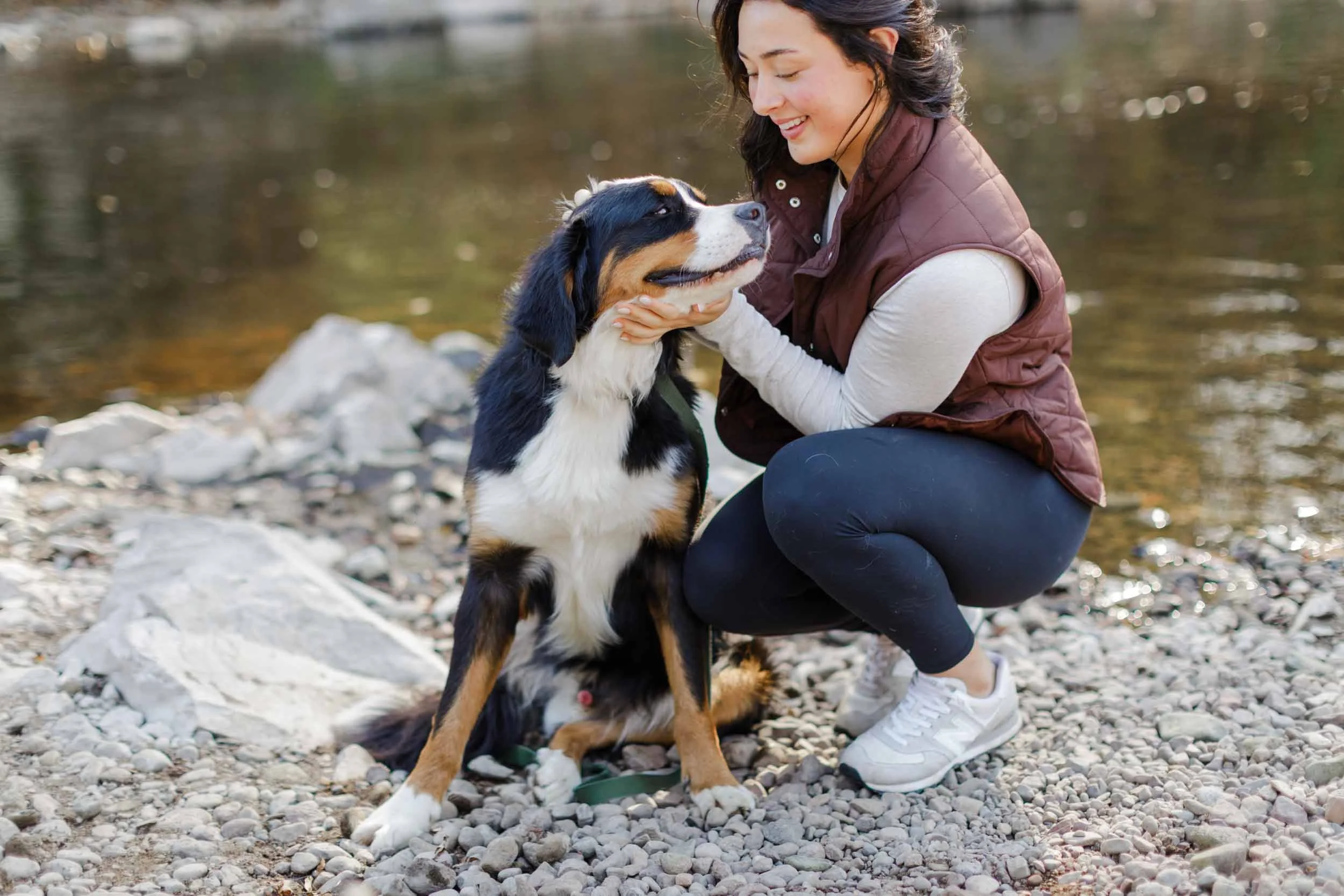
Parents often imagine their puppy growing up beside their children—a constant companion in play and comfort. What few anticipate is the emotional energy required when things don’t go as planned.
They become managers of disappointment, stress, and guilt when their own patience runs thin. For children, that weight is quieter but just as real: confusion around a dog that doesn’t feel safe, or heartbreak if a pet must leave the home. These are burdens no family should have to bear.
Predictability Is Engineered, Not Accidental
When you meet a calm, stable, well-adjusted dog, it can feel like luck. It’s not. That kind of predictability is engineered, the result of a thousand thoughtful decisions made long before a puppy is born.
It’s achieved through:
Genetic Selection with Restraint: Choosing health and temperament over trends.
Intentional Pairings: Matching dogs based on emotional compatibility, not convenience.
Early Development Protocols: Nurturing neurological and emotional health from day one.
Honest Assessment: Recognizing a puppy’s true nature—not guessing optimistically.
Absorbing Risk: A breeder taking on the financial and emotional risk, rather than outsourcing it to families.
This meticulous approach doesn’t create “perfect” dogs. It creates peaceful homes.
The Myth of "Fixing It Later"
Many well-intentioned families believe that any challenge can be overcome with enough training, time, or money. While effort can make a difference, there are fundamental limits. Training can't fully override genetics, and structure can’t erase an unstable foundation.
When the groundwork is weak, families often find themselves managing symptoms for a lifetime instead of simply enjoying the companionship they dreamed of. That constant management is expensive in ways that no receipt can ever capture. The dogs that settle naturally into your life, adapt well to your children, and age with grace are almost always the result of a greater upfront investment by the breeder. That investment shifts the cost away from your family and places it where it belongs: on the program.
The Most Responsible Investment You Can Make
True responsible spending isn’t about finding the lowest price—it’s about minimizing future regret. Families who choose dogs from high-investment programs often say the same thing years later:
“This was the easiest, most wonderful dog we’ve ever had.”
That ease isn’t a luxury. It’s stability you purchased in advance.
Instead of asking, “How much does this puppy cost?” a better question is, “Who carries the risk if something goes wrong?”
When the breeder carries that burden first, everything changes. What you ultimately gain isn’t prestige—it’s peace. The quiet confidence that you made a decision you won’t second-guess years from now.
That kind of peace is never “affordable.” It is invested in—intentionally, quietly, and with purpose.