
Lifestyle Design: How Modern Families Are Choosing the Perfect Dog
For generations, choosing a family dog often began with a moment of emotion. A puppy with soulful eyes, a breed tied to childhood memories, or a familiar name passed down through generations was enough to make the decision feel complete. That emotional connection still matters—it always will—but modern families are increasingly adding a second layer to the process: intentionality.
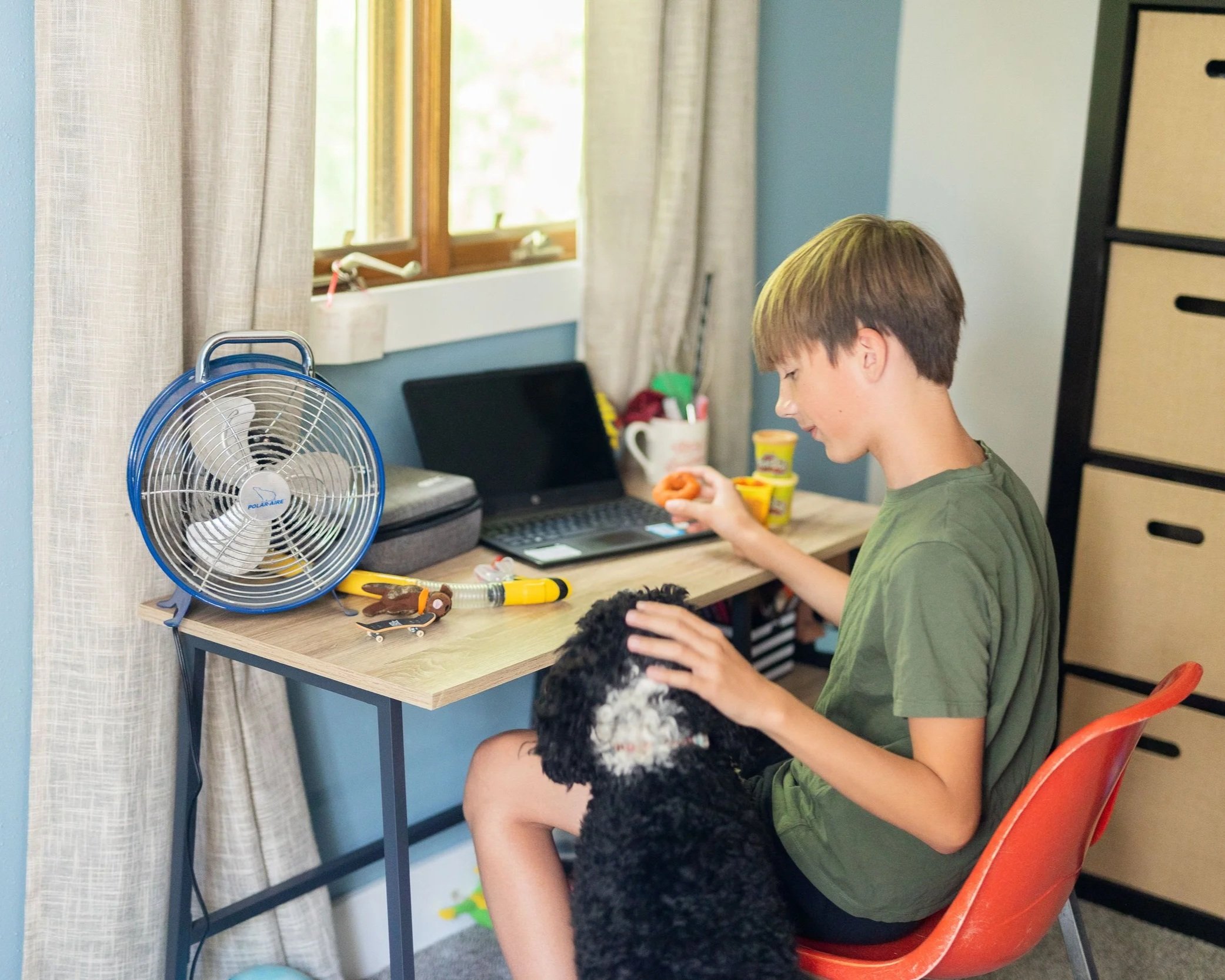
Just as people now design homes around how they live, and shape careers around balance and well-being, dog ownership is evolving into something more thoughtful. A “lifestyle-first” mindset has emerged—one that asks not just Do we love this dog? but Will this dog thrive within the rhythm of our daily lives?
From urban apartments to family homes with busy schedules, the goal has shifted toward harmony: a companion whose energy, temperament, and needs integrate naturally into everyday life.
From Impulse to Intentionality: Looking at the Whole System
Rather than focusing on a single trait, families today are taking a wider view. Dog ownership is being approached as part of a living system—home, schedule, social life, and long-term plans all considered together.
This often includes questions like:
Space and environment: Will this dog adapt to apartment living or mixed indoor-outdoor routines?
Allergy management: How much shedding or dander can the household realistically tolerate?
Social rhythm: Is the dog comfortable with guests, children, and changing environments?
Long-term care: What grooming, training, and maintenance will be required over time?
This shift mirrors how people make other major decisions today. Instead of optimizing for one appealing feature, families are optimizing for fit. When a dog aligns with a household’s reality, the relationship tends to feel easier, calmer, and more sustainable.
The Science of the Coat: Why Low-Shedding Breeds Endure
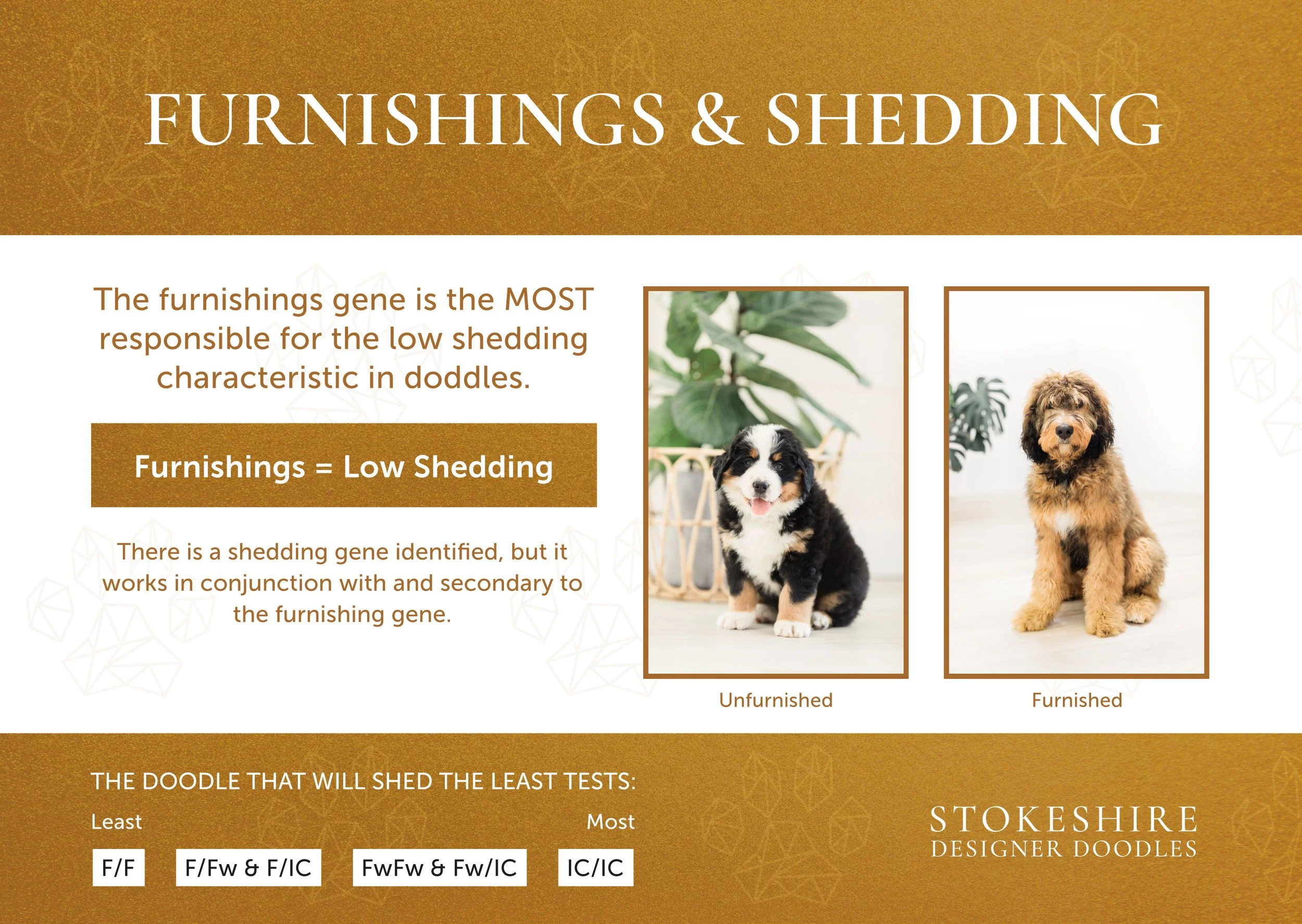
One of the most practical considerations in modern dog ownership is the home environment. While no dog is completely hypoallergenic, breeds with hair-like coats tend to shed less and release fewer allergens into living spaces.
The Standard Poodle remains one of the clearest examples. Known for their intelligence, adaptability, and distinctive coat type, Poodles have long been valued by families seeking a low-shedding companion. Their coat grows more like human hair than traditional fur, which is why they are frequently used as the foundation for many modern companion crosses.
Families researching coat types and allergy considerations often begin with educational resources like this overview of the Standard Poodle breed:
Understanding these foundational traits helps families make informed decisions rather than relying on guesswork or trends.
The Rise of Purpose-Bred Companion Dogs
As lifestyle alignment becomes more important, many families are moving away from traditional working breeds that require constant stimulation and structure. In their place, purpose-bred companion dogs—developed specifically for temperament, size predictability, and coat characteristics—are gaining attention.
One example is the Munchkin Bernedoodle, a smaller-statured Bernese-inspired companion that appeals to families who love the calm, affectionate nature of Bernese Mountain Dogs but need a more manageable size and coat for modern living.
Families drawn to this type of dog often value:
Balanced energy: Comfortable with activity, but equally content with quiet time
Moderate size: Easier to accommodate in urban homes or travel-friendly lifestyles
Emotional steadiness: Calm, people-oriented temperaments suited to family environments
Reduced shedding: Practical coats that fit contemporary interiors
Rather than chasing novelty, these families are making deliberate choices—selecting dogs designed to complement how they actually live.
An Ecosystem Mindset: A Broader Cultural Shift
This way of thinking isn’t limited to pets. Across industries, people are increasingly viewing life through an ecosystem lens—recognizing that work, environment, relationships, and well-being are interconnected rather than separate.
This perspective is visible globally, including in places like Cyprus, where professional ambition and quality of life often intersect. Articles such as From Island Startups to Global Players: Charting the Rise of Cyprus’s Business Ecosystem explore how interconnected thinking is shaping modern life and decision-making
The same mindset is also evident in career planning. Job listings and professional platforms are increasingly emphasizing lifestyle alignment alongside opportunities and growth. People are no longer choosing roles in isolation; they are choosing roles that fit their lives.
Dog ownership is following the same path.
Choosing With the Long Term in Mind
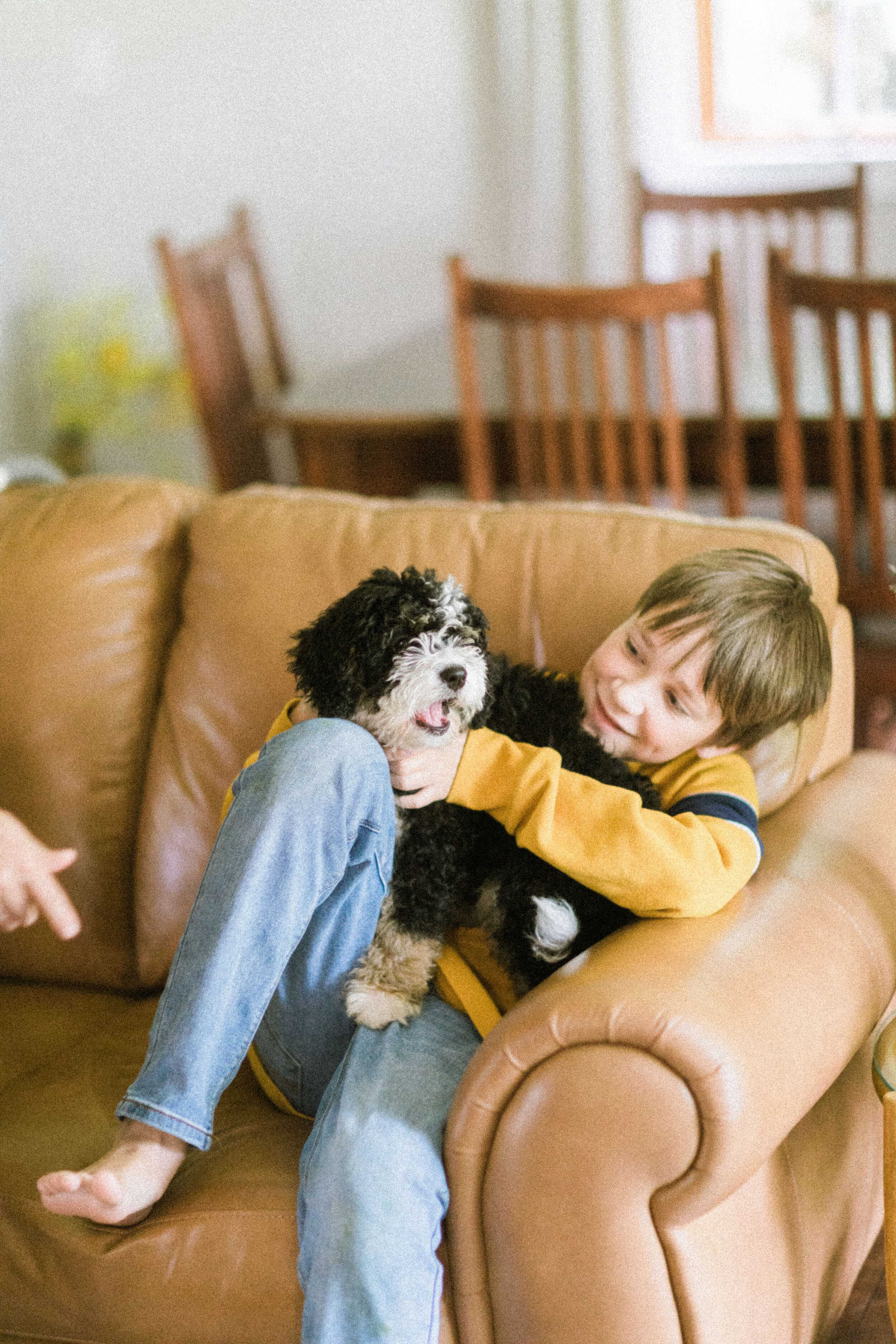
The best family dogs are rarely chosen on impulse alone. They are chosen with context—home, schedule, health considerations, and values all taken into account.
Whether a family ultimately gravitates toward the classic intelligence of a Standard Poodle or the affectionate balance of a Munchkin Bernedoodle, the objective is the same: a companion that fits naturally into daily life.
When families think holistically about bringing a dog into their home, the reward is more than companionship. It’s a relationship built on compatibility, calm, and mutual well-being—one that lasts through all the busy, quiet, joyful, and ordinary moments that make up real life.